Cart
0
Sign up and get 10$ off your order
Expected delivery
1-3 days
You may also like


Danish Company


Outdoor adventures can turn uncomfortable fast when cold wind cuts through your jacket or sweat soaks your shirt during a steep climb. Whether you are camping in the backcountry, hiking mountain trails, or exploring urban parks, staying dry and warm is essential for safety and enjoyment. This guide delivers practical, expert-backed strategies for managing moisture, choosing the right base layers, and optimizing your gear to maintain comfort in any environment. You will learn how to layer effectively, prevent hypothermia, and select equipment that keeps you warm and dry from dawn to dusk.
| Point | Details |
|---|---|
| Base layers matter most | Moisture-wicking fabrics like merino wool or fishnet mesh keep you dry and prevent hypothermia by moving sweat away from your skin. |
| Layering adapts to conditions | A three-layer system balances insulation, moisture management, and weather protection, letting you adjust as temperatures and activity levels change. |
| Movement generates warmth | Increasing your pace is the fastest way to rewarm when cold, making activity level a key tool for thermal regulation. |
| Gear setup reduces heat loss | Close-fitting quilt-pad systems and insulated sleeping pads minimize convective heat loss, ensuring restful sleep outdoors. |
| Recognize hypothermia early | Even experienced adventurers face hypothermia risk in moderate conditions, so stay alert to early signs and adjust layers immediately. |
Base layers are the foundation of any effective outdoor clothing system. They sit closest to your skin and manage moisture by wicking sweat away before it can chill you. Choosing the right material makes the difference between staying comfortable and shivering through your hike. Merino wool is a top choice for base layers because it offers natural odor resistance, excellent moisture-wicking, and comfort across a wide temperature range. Synthetic fabrics like polyester also wick moisture effectively, but they can retain odors and feel less comfortable against the skin during extended wear.
Cotton base layers are a critical mistake. Cotton absorbs moisture and holds it against your skin, creating a wet, cold layer that increases your risk of hypothermia and chafing. Always avoid cotton when heading outdoors. For those seeking advanced moisture management, fishnet base layers facilitate rapid moisture vapor transport by creating air channels that move sweat away from your skin faster than traditional flat-knit fabrics. These mesh designs improve airflow and reduce condensation at the skin-fabric interface, outperforming typical polyester base layers in both moisture control and thermal regulation.
When selecting base layers, consider the activity intensity and weather conditions. Lightweight base layers work well for high-output activities like trail running or steep climbs, while midweight or heavyweight options suit colder, lower-intensity outings. Pair your base layer strategy with lightweight hiking tips to optimize your overall pack weight and mobility.
Pro Tip: Test your base layers on shorter trips before committing to multi-day adventures. This lets you identify any fit issues, chafing points, or moisture management problems in a low-risk environment.
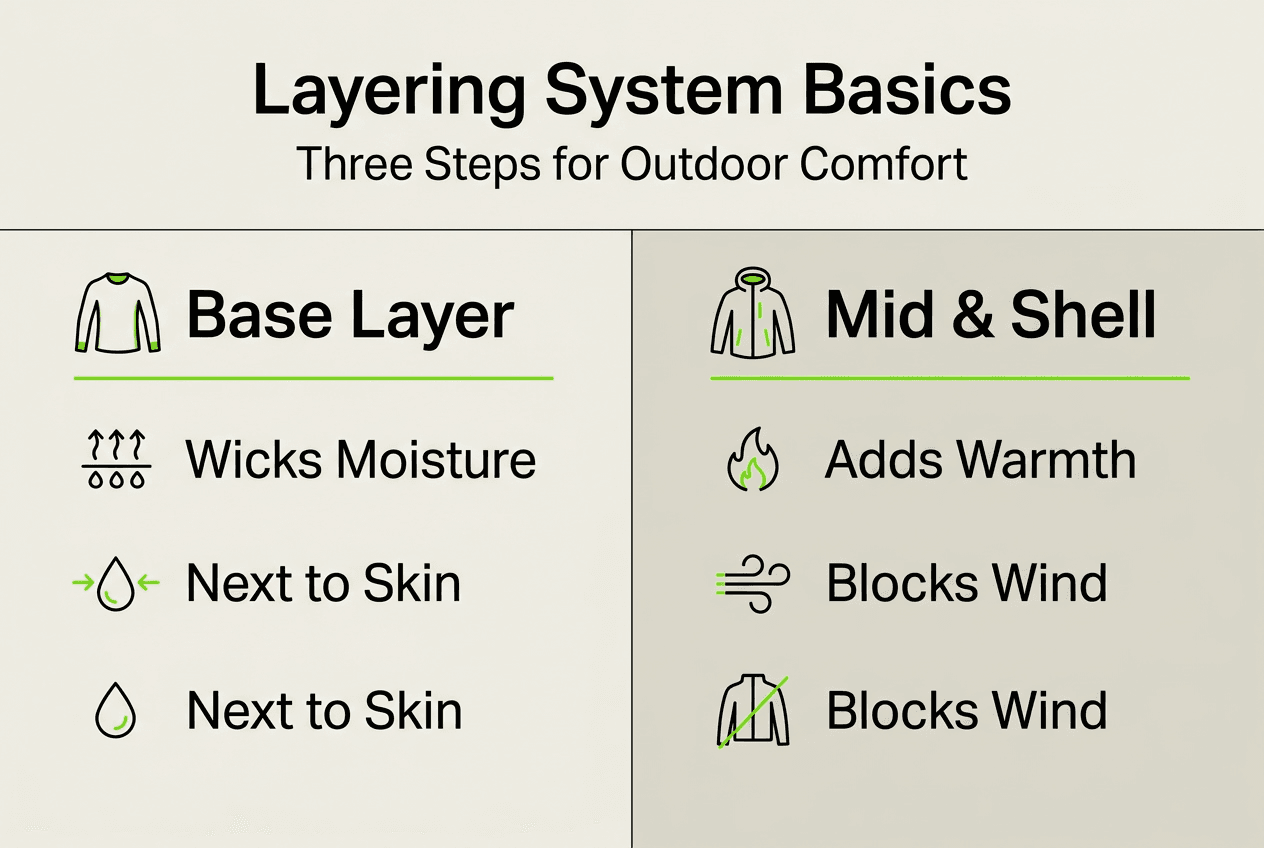
Layering is your most powerful tool for adapting to changing weather and activity levels. A functional layering system balances conduction, convection, evaporation, and radiation to keep you comfortable as conditions shift. The standard approach uses three layers: a moisture-wicking base layer, an insulating mid-layer, and a weather-protective outer layer. Each layer serves a specific purpose, and understanding when to add or remove them is essential for staying dry and warm.
Your base layer wicks moisture away from your skin. The mid-layer provides insulation by trapping warm air close to your body, using materials like fleece, down, or synthetic insulation. The outer layer, often called a shell, protects you from wind, rain, and snow while allowing moisture vapor to escape. The 3-layer system uses base, mid, and outer layers for moisture management, insulation, and element protection, creating a versatile system that adapts to nearly any outdoor scenario.
Heat loss occurs through four main mechanisms: conduction (direct contact with cold surfaces), convection (air movement removing warmth), evaporation (moisture turning to vapor and cooling you), and radiation (heat radiating away from your body). Effective layering addresses all four. For example, an insulated mid-layer reduces conductive heat loss, while a windproof shell minimizes convective loss. Managing sweat through proper base layers controls evaporative cooling, and reflective materials in some gear can reduce radiant heat loss.
Adjust your layers before you start sweating. Once moisture builds up, it becomes much harder to stay warm. Remove a layer or open vents as you begin climbing or increasing your pace, then add insulation back when you stop for breaks. This proactive approach keeps you dry and comfortable throughout your hike. For more strategies on optimizing your outdoor setup, explore camping accessory comfort tips and refine your hiking layering strategy.
| Layer Type | Primary Function | When to Adjust |
|---|---|---|
| Base Layer | Wicks moisture away from skin | Rarely remove, choose weight based on conditions |
| Mid-Layer | Provides insulation and warmth | Add during breaks, remove during high-output activity |
| Outer Layer | Blocks wind, rain, and snow | Wear in precipitation or wind, vent or remove in calm, dry weather |
Pro Tip: Carry a lightweight stuff sack for layers you remove. This keeps them clean, dry, and easy to access when conditions change.
Staying warm outdoors requires more than just wearing enough layers. Minimizing perspiration is critical in cold temperatures because wet clothing conducts heat away from your body up to 25 times faster than dry fabric. Even a small amount of moisture can turn a comfortable hike into a dangerous situation. Prioritize staying dry by adjusting your clothing before you overheat and by choosing moisture-wicking fabrics that move sweat away from your skin.
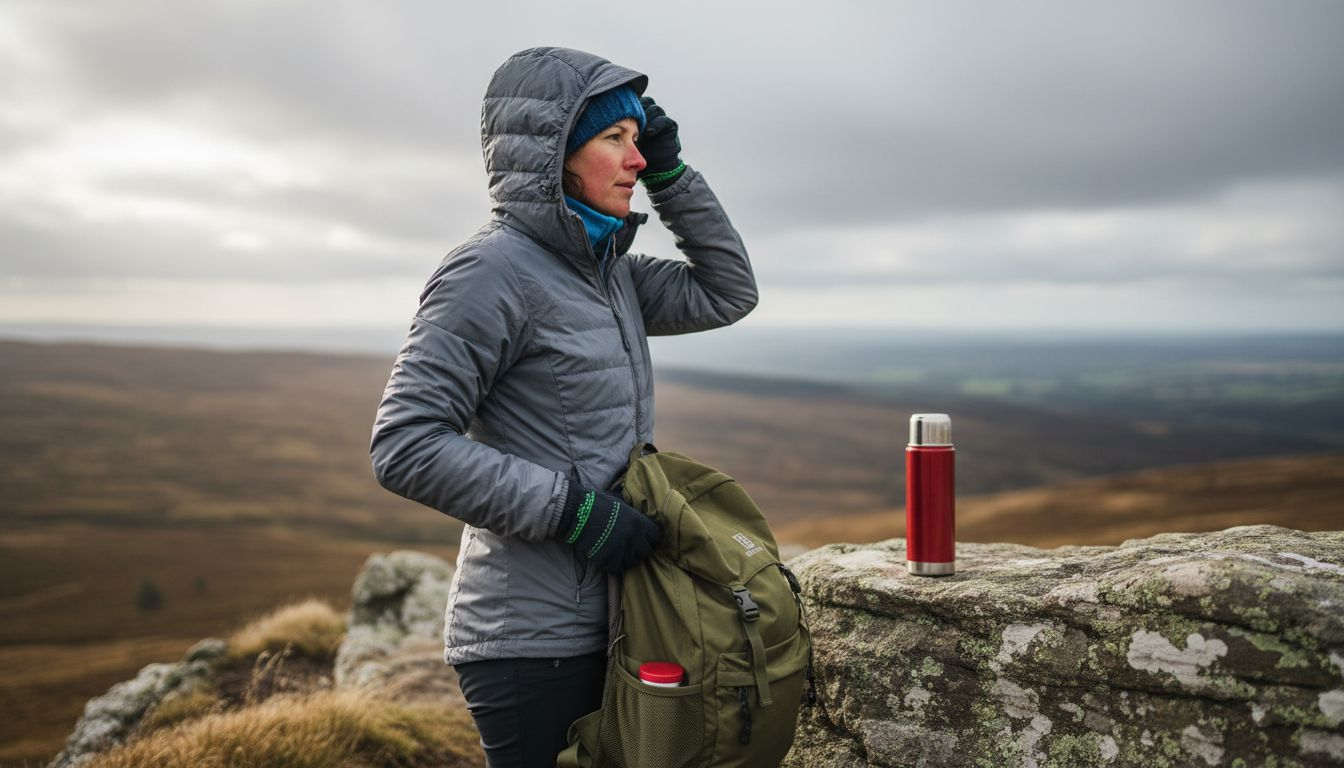
When you start feeling cold, the fastest way to rewarm is to increase your movement or pace. Physical activity generates body heat quickly, and even a short burst of faster hiking or jumping jacks can bring your core temperature back up. This strategy is far more effective than simply adding another layer, especially if you are already wearing adequate insulation. Combine movement with smart layering adjustments to maintain a comfortable temperature throughout your outing.
Hypothermia can occur even with proper clothing on cool, windy days and can be life-threatening. It affects people of all experience levels, from beginners to seasoned backpackers. Early signs include shivering, confusion, slurred speech, and loss of coordination. If you or a companion show these symptoms, seek shelter immediately, change into dry clothing, and focus on rewarming. Do not wait for conditions to worsen. Hypothermia can progress rapidly, and early intervention is critical.
Hypothermia is not just a winter risk. It can happen in temperatures as high as 50°F when wind, rain, and fatigue combine to lower your core temperature.
For additional strategies on preventing cold outdoors, integrate these tips into your overall outdoor preparation routine.
Pro Tip: Carry an emergency bivy or space blanket in your pack. These lightweight items provide critical protection if you need to stop and rewarm unexpectedly.
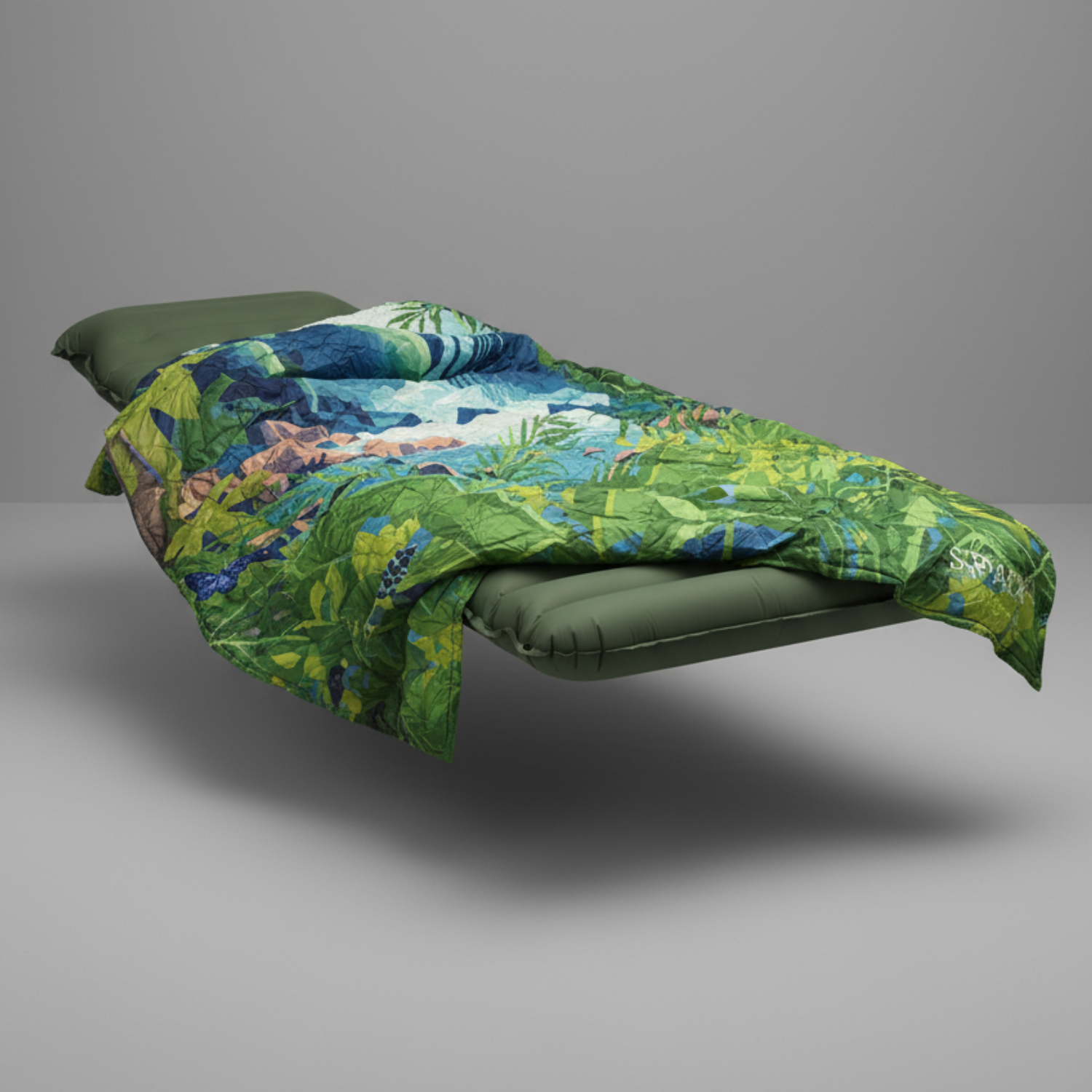
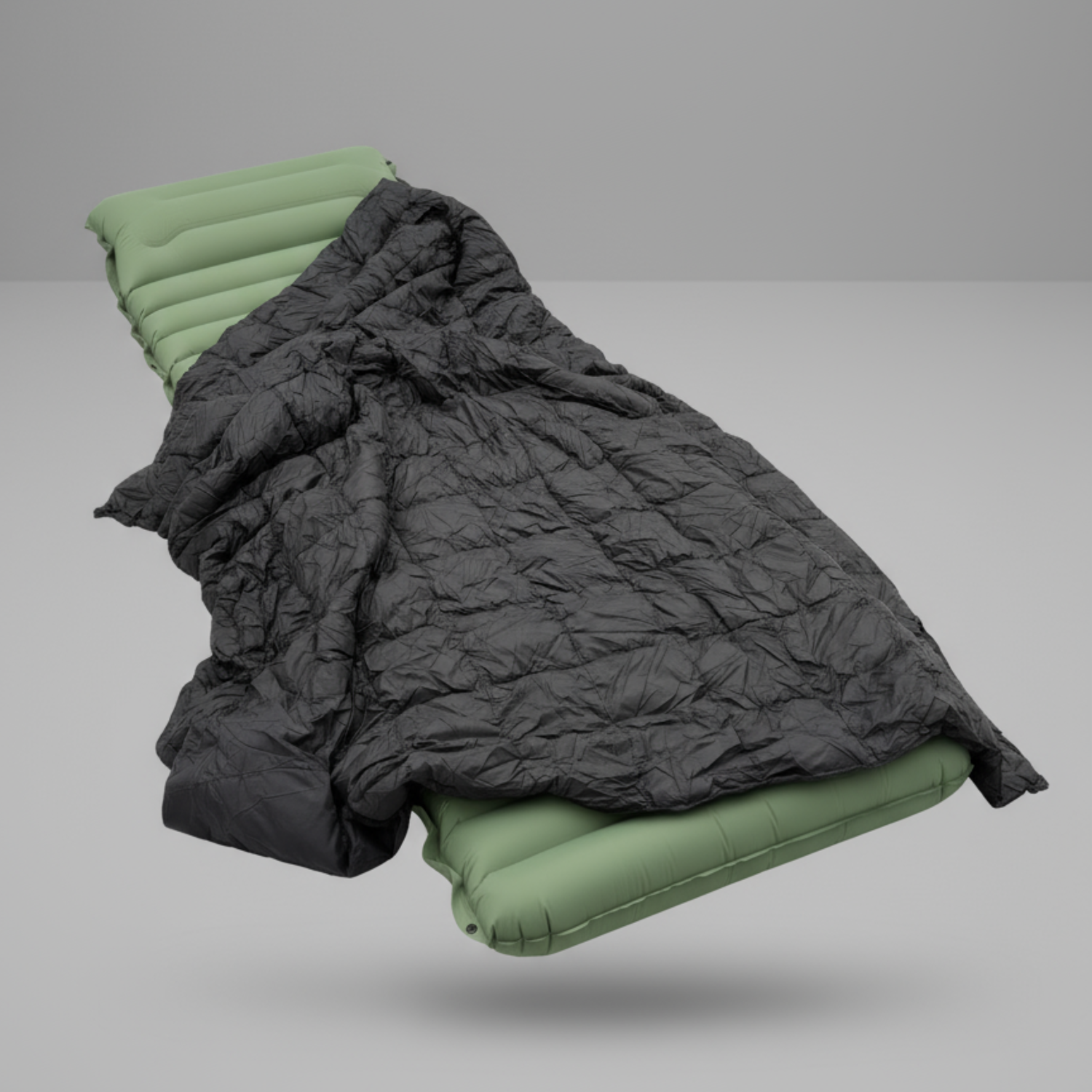
Your sleeping system is just as important as your clothing for staying warm outdoors. Heat loss between your sleeping pad and insulation can leave you cold and uncomfortable overnight, even with a high-quality sleeping bag or quilt. Quilt-pad attachment systems significantly influence heat loss resistance, especially in windy conditions. Different attachment methods create varying levels of thermal resistance, and choosing the right setup can make the difference between a restful night and hours of shivering.
Close-fitting quilt-pad systems minimize convective heat loss by reducing the air gaps where warm air can escape. Loose or poorly attached quilts allow cold air to circulate underneath, stripping away warmth and forcing your body to work harder to stay warm. Integrated systems that attach the quilt directly to the sleeping pad provide superior thermal performance compared to traditional sleeping bags that sit loosely on top of the pad.
| Attachment Style | Thermal Resistance (Still Air) | Thermal Resistance (Wind) | Best Use Case |
|---|---|---|---|
| Integrated quilt-pad system | High | High | Cold, windy conditions where heat retention is critical |
| Straps or clips | Moderate | Moderate | Mild to moderate temperatures with some wind protection |
| Loose drape (no attachment) | Low | Very Low | Warm, calm nights where ventilation is more important than insulation |
Beyond your sleeping system, several gear choices improve your overall warmth and comfort:
For more advice on selecting and packing the right gear, explore camping comfort packing tips to refine your approach.
Pro Tip: Inflate your sleeping pad fully before settling in for the night. A firm pad provides better insulation and support than a partially inflated one.
Applying the layering and gear strategies in this guide will transform your outdoor experiences, but the right equipment makes everything easier. Sitpack offers innovative solutions designed to enhance your comfort during camping, hiking, and urban adventures. From portable seating that supports your body during breaks to accessories that streamline your packing workflow, Sitpack gear complements the principles you have learned here.

Explore camping accessory workflow tips to see how smart organization and the right tools can elevate your comfort and efficiency outdoors. Learn packing light for comfort strategies that align with the layering and gear optimization techniques covered in this guide. Visit Sitpack official site to discover portable, durable gear built for adventurers who value mobility, comfort, and quality.
No, cotton base layers absorb moisture and lead to hypothermia or chafing and should be avoided. Cotton holds sweat against your skin, creating a wet, cold layer that increases your risk of dangerous cold stress. Synthetic fabrics like polyester or natural fibers like merino wool wick moisture away from your body, keeping you dry and comfortable. Always choose moisture-wicking materials for base layers in outdoor environments.
Moving or increasing pace is the most effective way to rewarm when cold. Physical activity generates body heat quickly and can bring your core temperature back up faster than adding layers alone. If you are already wearing adequate insulation, focus on movement first. Then adjust your layers by removing wet clothing if possible and adding dry insulation. Seek shelter if conditions worsen or if you show signs of hypothermia.
Vapor barrier liners are non-breathable, used in frigid temperatures and extended multi-day outings to prevent moisture transmission. These liners block all moisture from passing through, which can be useful in extremely cold conditions where any moisture in your insulation would freeze and reduce its effectiveness. However, they are uncomfortable in most conditions because they trap sweat against your skin. Use them only in specialized scenarios like winter mountaineering or polar expeditions, not for typical camping or hiking trips.
Your layering system is effective if you stay dry and comfortable across varying activity levels and weather conditions. You should not feel overheated during high-output activities or chilled during rest breaks. If you are sweating excessively, you are wearing too many layers or not venting enough. If you feel cold despite wearing insulation, you may need a warmer mid-layer or a more windproof outer shell. Adjust proactively before discomfort sets in, and test your system on shorter trips before committing to longer adventures.