Cart
0
Sign up and get 10$ off your order
Expected delivery
1-3 days
You may also like
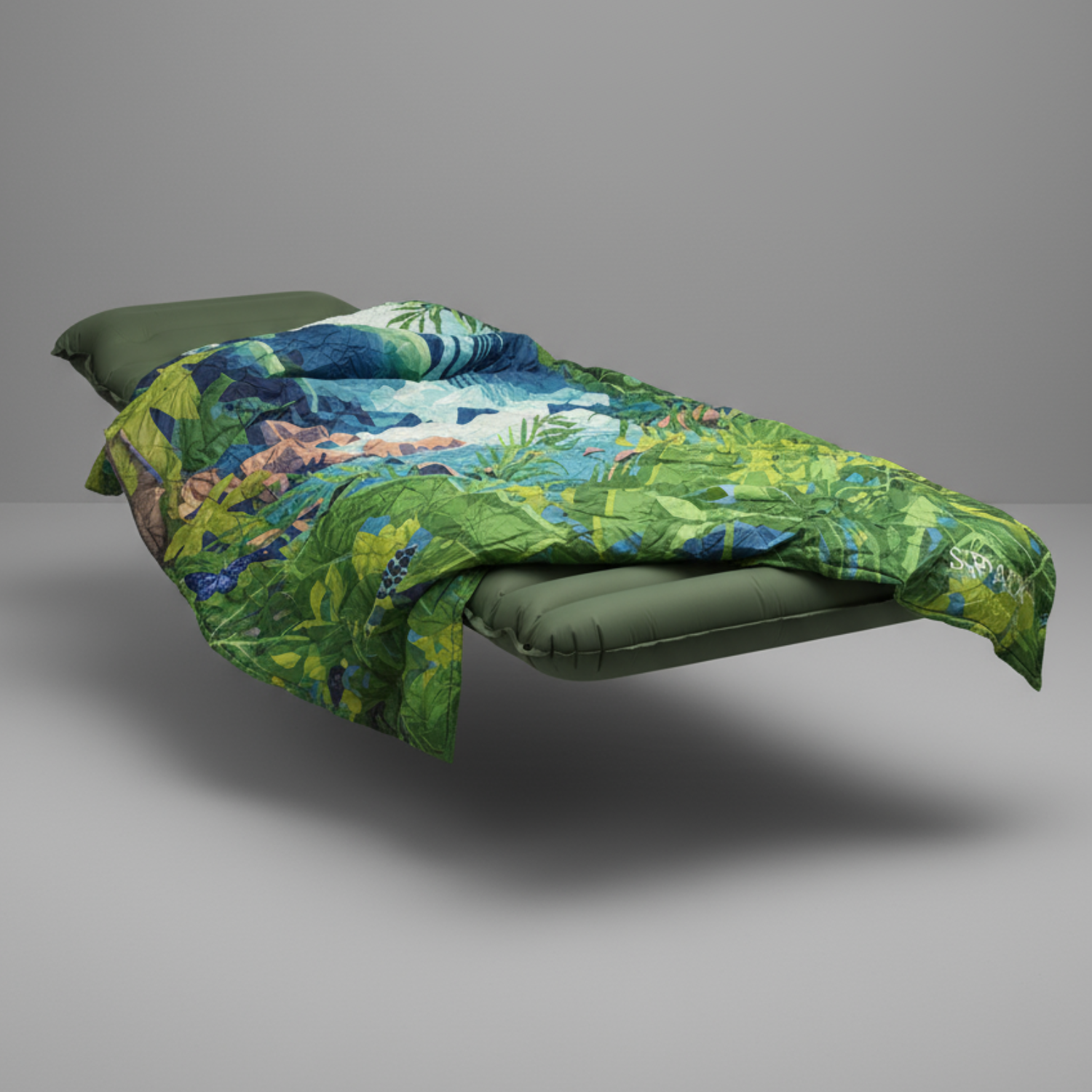
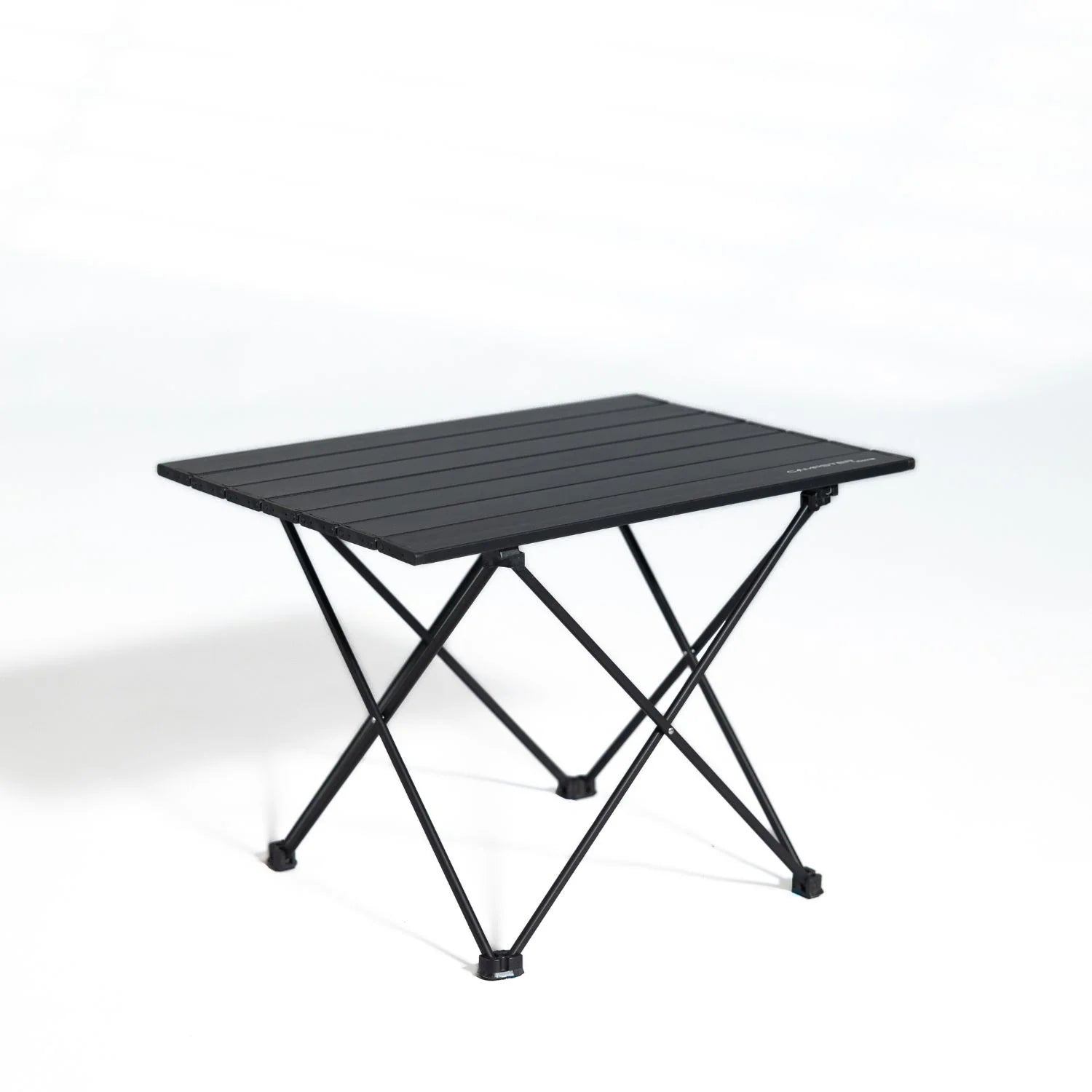
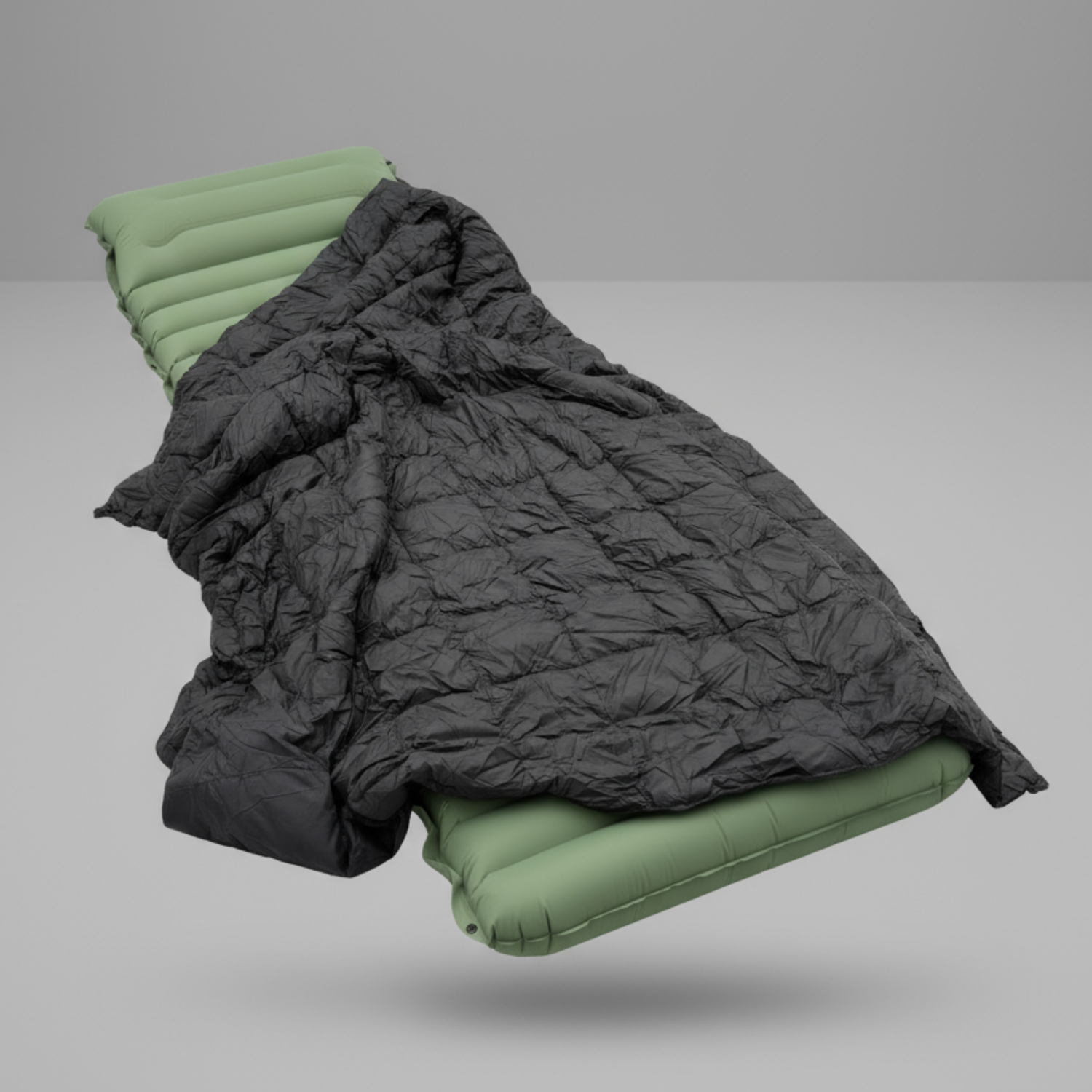
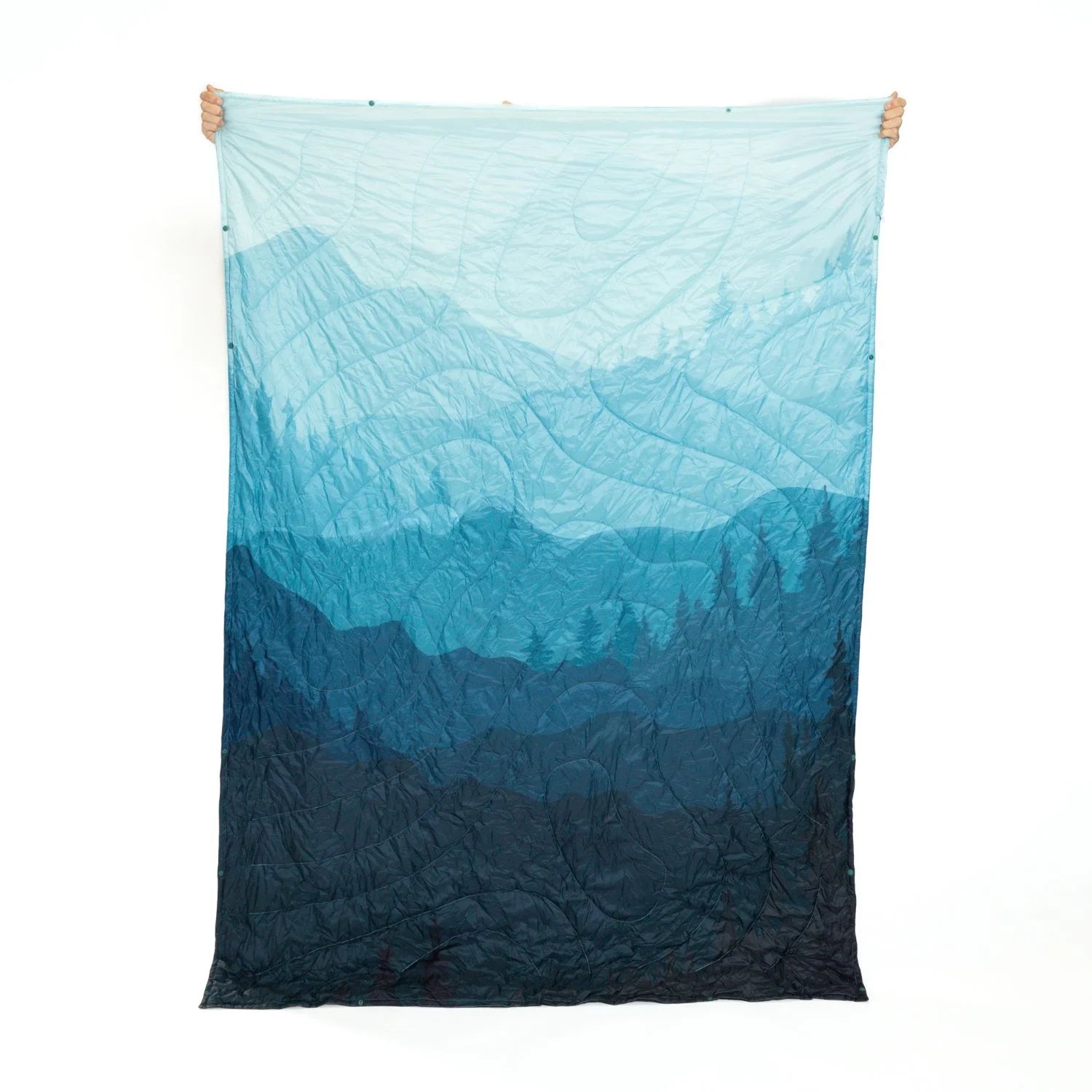


Danish Company

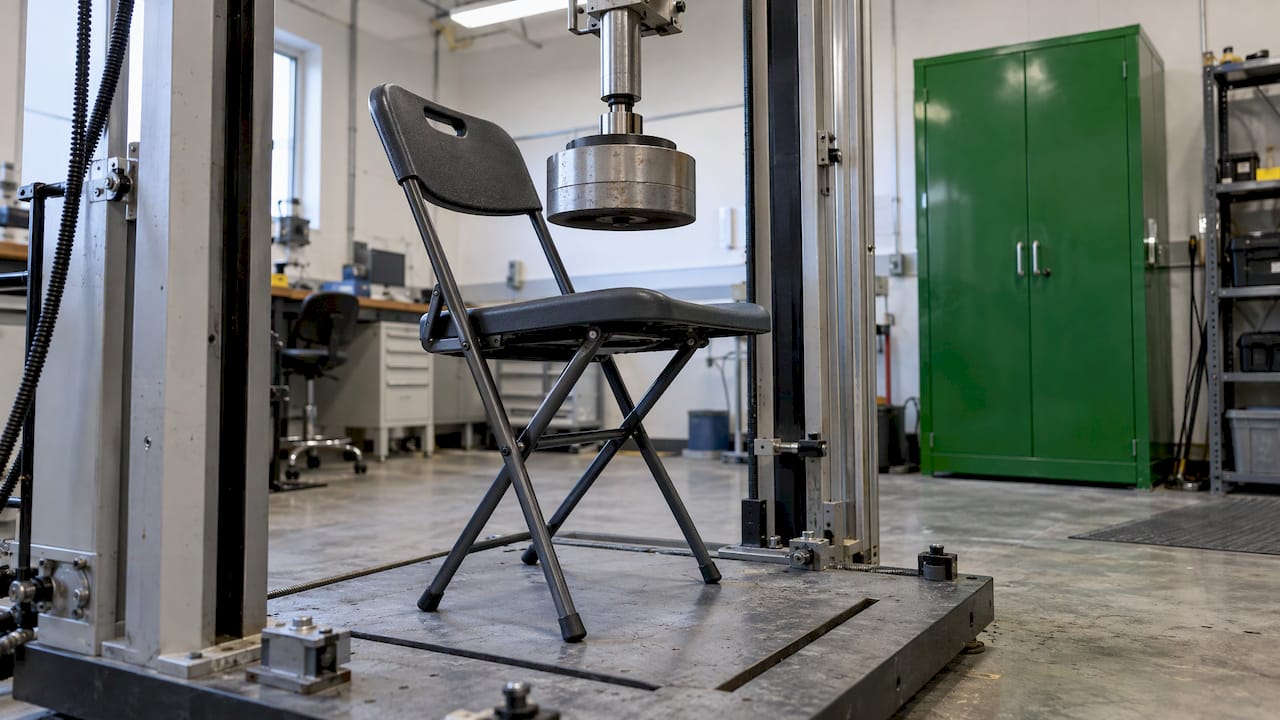
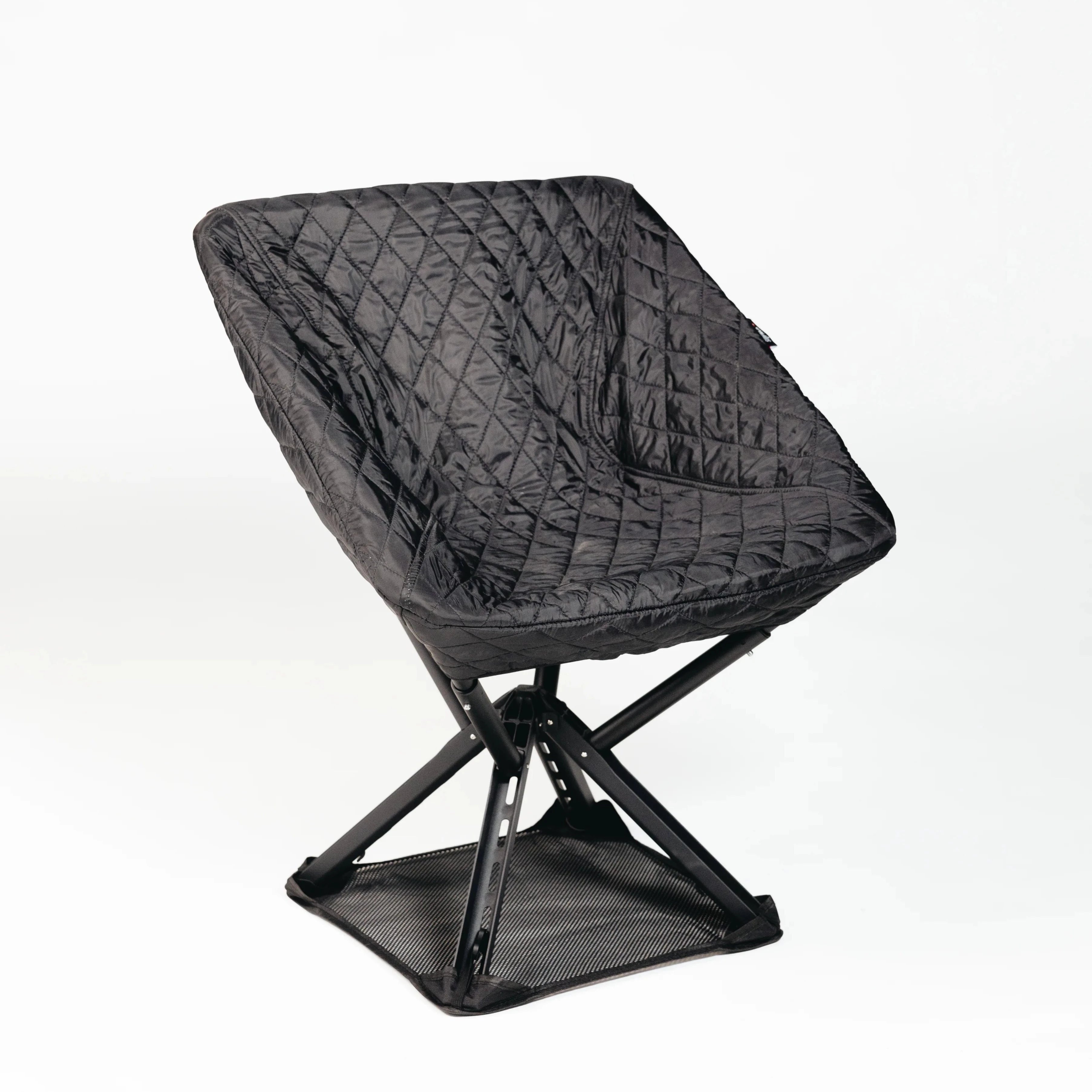
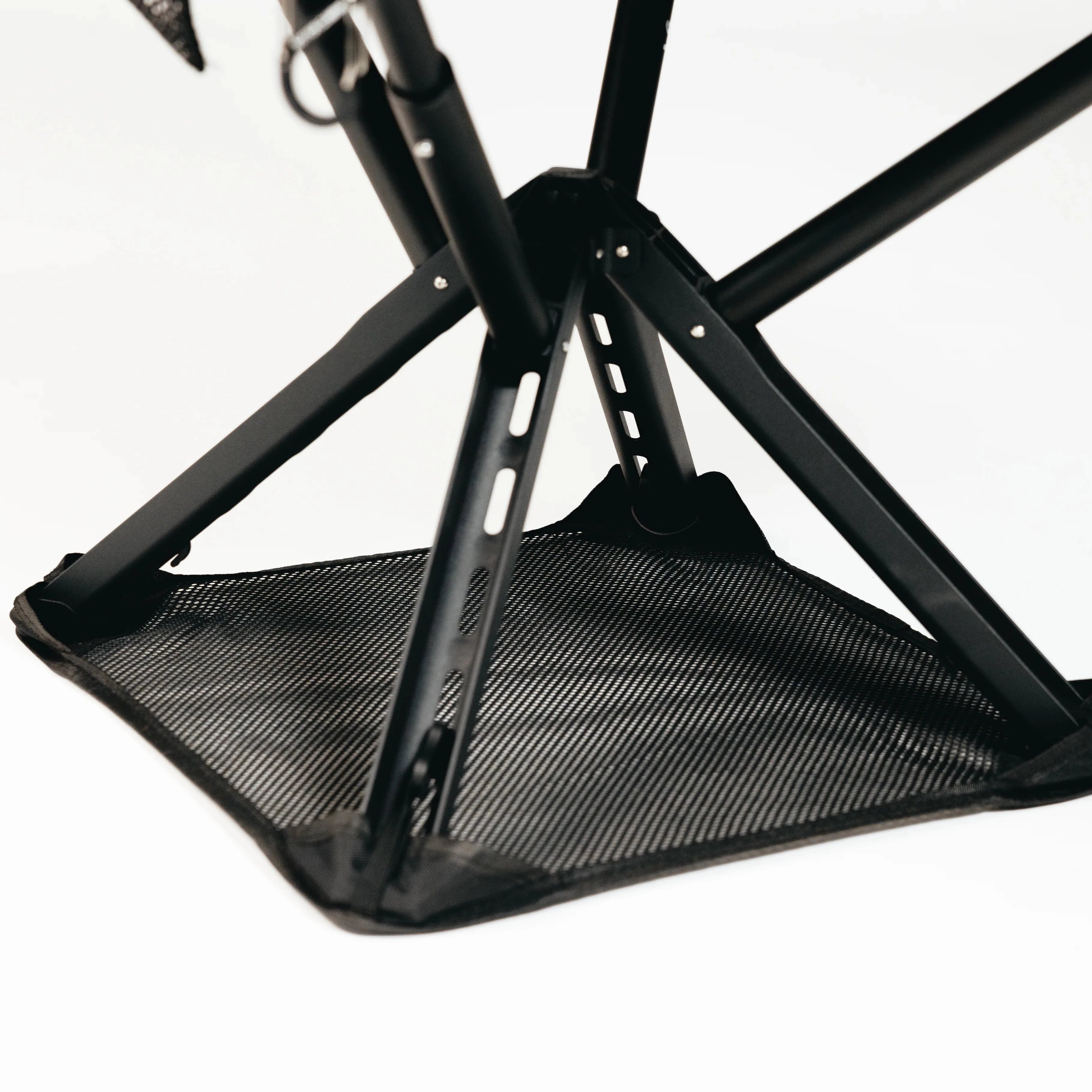
Impact-resistant seating is a seat built to survive sudden shocks: you flop down after a long hike, a pack lands on it, it gets knocked off a tailgate. It is not the same thing as weather-resistant or generally durable seating, because it describes one specific way a seat can fail, and testing labs measure it with its own procedure. For campers, travelers and commuters, the practical takeaway is simple: choose a lightweight folding seat with a sturdy frame, solid joints and a strong seat surface, and look after it so it keeps its strength. That is the thinking behind our Campster II and the rest of the Sitpack range.
Picture two chairs. One has sat in a garden for ten years, faded and slightly wobbly but never dropped on. The other is brand new, yet it snaps the first time a tired hiker lets gravity do the sitting. Those chairs failed in different ways, and the testing world treats them as different problems.
The international furniture standard ISO 7173 draws the line clearly. It describes impact tests as checks of strength under rapid rates of loading that occasionally occur, and separates them from static tests (heavy loads applied a few times) and durability tests (repeated movement that simulates long-term use).
The testing body SATRA explains the same split in plain terms: an impact test uses a single falling weight to check the structure survives a sudden shock, while a durability test applies smaller loads cyclically thousands of times to simulate a lifetime of sitting. So “impact-resistant” and “durable” are two different failure modes, checked by two different procedures.
The weather is a third matter. The US standard ASTM F1561 for plastic outdoor chairs lists outdoor weathering, impact, static load and rear leg testing as separate performance aspects. And the European outdoor-seating safety standard EN 581-2 covers strength, reliability and stability, but leaves out resistance to ageing caused by light, temperature and moisture.
In one line: impact resistance is about the moment of the shock, durability is about the years, and weather resistance is about the elements. A good portable seat has to handle all three, but only the first is what this term means.
Outdoor seating has it harder than the indoor kind. UL notes that outdoor furniture faces broader exposure to light, temperature and moisture than indoor products, which can degrade materials faster and cause early failures. In its testing of more than 300 outdoor furniture products, 30 to 40 percent failed durability requirements consistent with their expected life.
The industry is catching up to this. BIFMA, the US furniture trade body, published its OF-2025 whitepaper noting that outdoor seating must cope with direct UV, high heat, humidity, cold and moisture, and that it sought a standard combining safety and performance tests with accelerated weathering.
Now add the way people use portable seats. A folding camp chair gets dropped into after a mile of trail. A commuter stool gets sat on at a platform, then slung into a bag. A beach chair gets loaded in a trunk with coolers. Each of those moments is a small impact, and the seat does it again tomorrow. That is why impact resistance and everyday durability are worth thinking about together when you shop. Our own piece on why chair durability matters outdoors goes further on the durability side.
You don’t need to memorize standards, but knowing roughly what a lab does helps you read a spec sheet. Here is the short version.
The classic office-chair test in ANSI/BIFMA X5.1 drops a 406 mm-diameter test bag onto the center of the seat from 152 mm (about 6 inches). The bag weighs 102 kg for the functional load and 136 kg for the proof load. For the functional load the chair must show no loss of serviceability. For the proof load there must be no sudden major change in structural integrity.
The same standard has a repeated version: a 57 kg bag cycled 100,000 times at 10 to 30 cycles per minute. That is a way of mixing impact with endurance.
For outdoor seating, Europe uses EN 581-2, which refers to the seat impact method in EN 1728. The drop height depends on how the seat is meant to be used: 140 mm for camping, 180 mm for domestic and 240 mm for contract use, each applied 10 times and based on use by people up to 110 kg.

The impactor itself is specific: EN 1728 uses a seat impactor with a 200 mm circular body of 17 kg and a defined spring rate. China’s outdoor leisure furniture standard GB 28478 takes a similar approach, dropping an impactor onto a foam pad at two spots, 10 times each.
The newer ISO 7173:2023 covers seating of every type and includes dedicated seat, backrest and armrest impact tests, plus a durability test for outdoor multi-position backrests.
Eurofins describes furniture impact tests as short shock loads that replicate accidental drops, knocks or abrupt contact. Labs then check for damage, detached parts or loss of function, on surfaces, joints and frames.
A quick comparison of the three ideas:
| Impact resistance | Durability | Weather resistance | |
|---|---|---|---|
| What it covers | One sudden shock | Thousands of normal uses | Sun, heat, moisture, cold |
| Typical test | Falling weight or impactor | Cyclic loading | Accelerated weathering |
| Real-life moment | Dropping onto the seat | A season of daily use | Weeks left outside |
A seat is a system, and the shock travels through all of it. When you drop into a chair, the force goes from the seat surface into the joints, then down the legs to the ground. Whichever link is weakest sets the limit.
The frame. Legs and cross-members carry the load. For portable seating the aim is enough strength without extra weight, which is why folding designs tend to focus on compact, well-supported frames rather than bulk.
The joints. Hinges, pivots and fasteners are where folding seats concentrate stress. European outdoor seating requirements in EN 581-1 say that load-bearing parts must not come loose unintentionally, that edges and corners are rounded, chamfered or protected, and that there are no accessible shear or squeeze points under normal-use loads. Those are sensible things to look for in any folding seat you pick up.
The seat material. The surface spreads the load. Research on composite materials shows how much the choice matters: a 2024 peer-reviewed review reports that natural fibers such as bamboo, hemp, sisal, kenaf and flax are less impact-resistant than synthetic carbon, glass or aramid fibers, which is why hybrid composites combining both have been developed. If you care about eco-friendly materials, that is useful context: material choice is a balance, and a well-engineered mix can serve both goals.
That review also explains how impact behaves in the real world. Low-velocity impacts (under 10 m/s, which covers someone sitting down) can damage material that stays partly functional, while only very high-velocity impacts tend to punch through.
Here is the sneaky part. The same composite review notes that most low-velocity impact damage is barely visible, such as delamination between layers that cannot be detected on the surface. A seat that looks fine after a knock may be a little less strong inside.
SATRA’s testers say something similar: impact failures are not always dramatic, and careful inspection can be needed to find cracks after a falling-weight test.
For your own chair, this suggests a short habit rather than a lab:
Our guide to maintaining foldable chairs for lasting outdoor use walks through cleaning and storage in more detail.
A seat that handles sudden loads well tends to stay in service longer, because the first big shock is rarely the only one. Think of the number of times a chair gets used in a season: dozens of sit-downs per trip, sometimes with a loaded backpack still on. Standards reflect this mixture. The BIFMA test combines a single big drop with a 57 kg bag cycled 100,000 times, because real life is both.
For each kind of user, it plays out differently:
When you shop for a portable seat, run through these points:
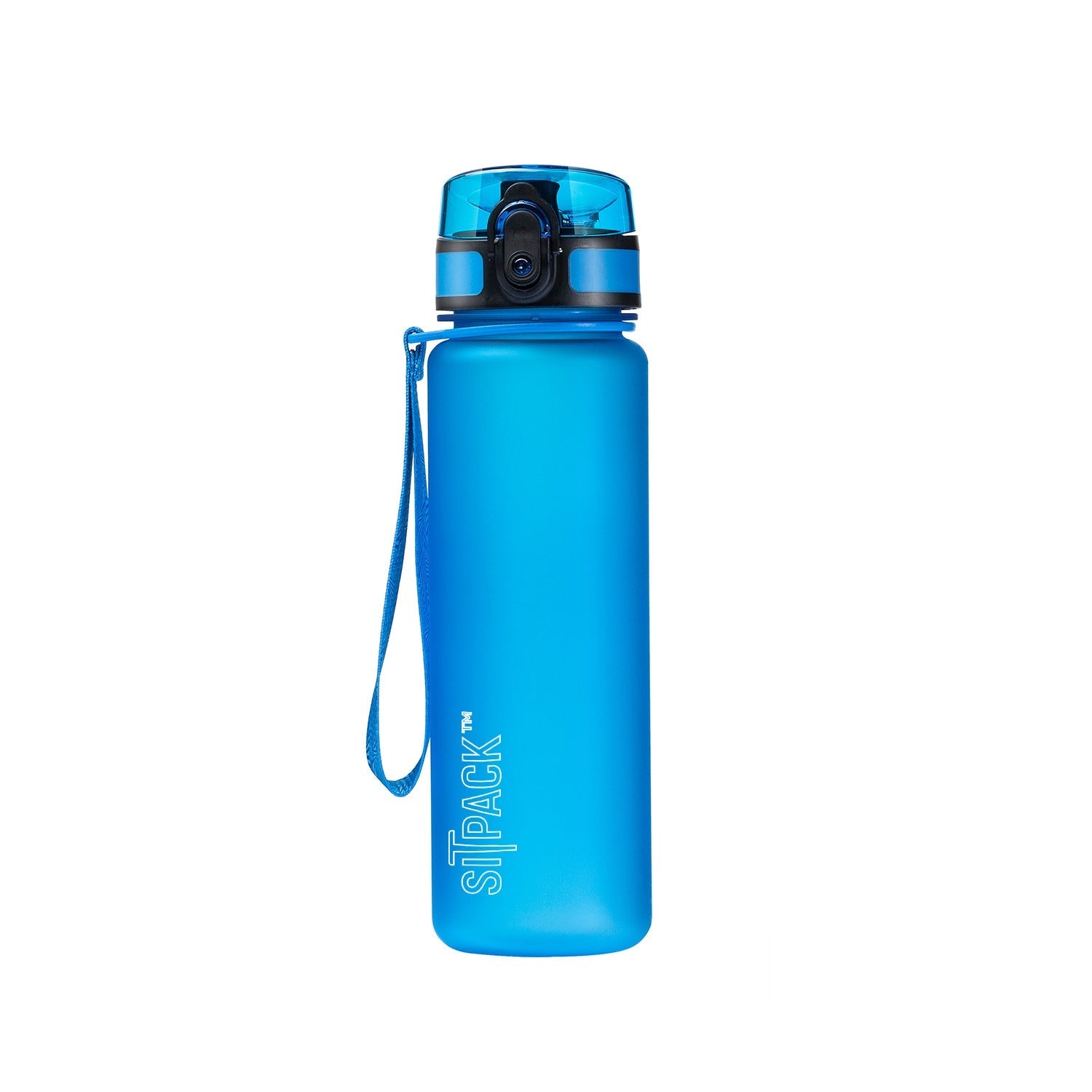
We design portable, foldable seats around being lightweight, minimalistic and durable, using eco-friendly materials where we can. The Campster II is the one most people start with: you can browse it in the Campster II collection, and the rest of the range, including Sitpack, OCTO and the Airwrap blanket, sits in the full product collection.
Orders ship worldwide, come with a 45-day satisfaction guarantee, and a lifetime warranty applies to select items. For a longer look at what makes a seat last, read our roundup of the best durable seating options for outdoor enthusiasts.
We spend a lot of time sitting down in odd places: on rocks, on curbs, next to a dancing campfire. After years of that, we think about seating as something that has to handle the moment you park your posterior, not only the hours afterward.
That’s why we keep returning to the same few ideas. Keep it light, so you actually bring it. Keep it simple, so there’s less to go wrong. Choose durable, eco-friendly materials, so it lasts and you don’t have to replace it. A chair that stays in your bag is useless, and so is one you’re afraid to sit on.
Our Campster II, Sitpack, OCTO and Airwrap lines all come from that thinking, backed by a 45-day satisfaction guarantee and a lifetime warranty on select items. Sit down, enjoy the view, and let the chair do its job.
Jonas
No. Impact resistance is about surviving a sudden load, like dropping into a seat. Weatherproofing is about sun, rain, heat and cold over time. Standards such as ASTM F1561 test weathering and impact as separate aspects of an outdoor chair, so a good seat should be checked for both.
Labs drop a defined weight or impactor onto the seat from a set height. EN 581-2 uses 140 mm for camping seating, repeated 10 times, while BIFMA X5.1 uses a 152 mm drop of a 102 kg or 136 kg bag. At home, the practical equivalent is a regular inspection of joints, edges and fasteners, especially after a hard knock.
Yes. Research on impact in composite materials shows that low-velocity impacts often leave barely visible damage inside the material. After a hard drop, check joints and seat corners for cracks or new flex, and retire any seat that feels different.
Look for a sturdy frame, joints without play, rounded edges, a clear load rating and a solid return or warranty policy. Our Campster II collection is a good place to start if you want a lightweight, foldable design.