Cart
0
Sign up and get 10$ off your order
Expected delivery
1-3 days
You may also like


Danish Company

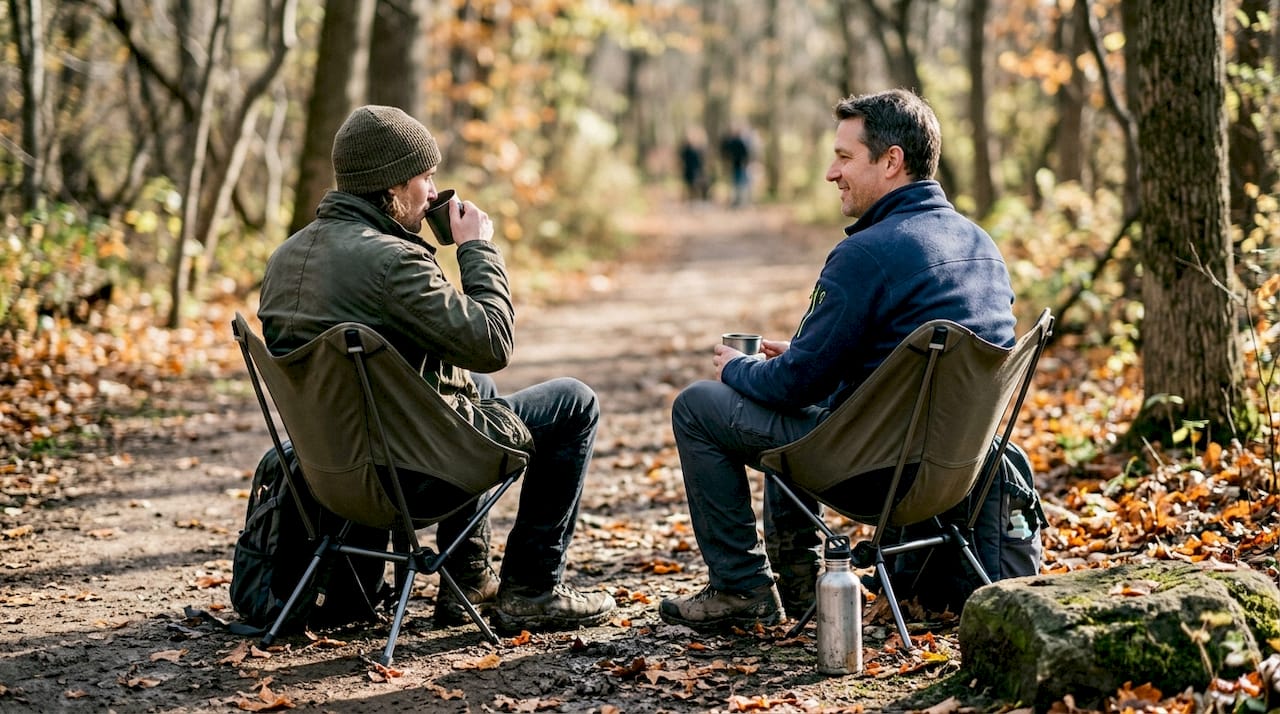
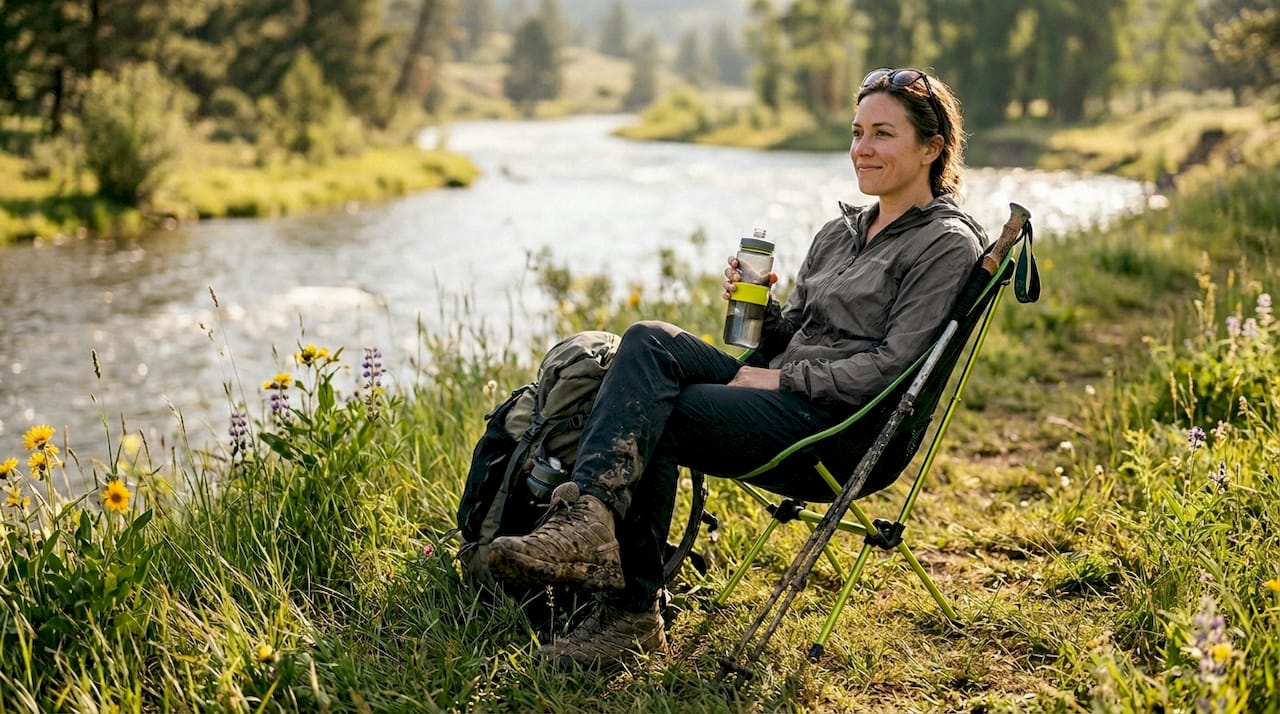
Many outdoor enthusiasts dismiss portable seating as unnecessary weight, viewing it as a luxury rather than a practical tool. However, ergonomic portable chairs reduce fatigue by up to 30% and significantly improve posture during extended outdoor activities. Proper seating transforms your experience by supporting spinal alignment, enhancing recovery, and extending the time you can comfortably spend exploring nature. This guide reveals why investing in versatile, sustainable seating solutions elevates your outdoor adventures while supporting long-term health and environmental responsibility. You’ll discover how modern designs balance ultralight portability with ergonomic benefits, making them essential tools rather than optional extras.
| Point | Details |
|---|---|
| Fatigue reduction | Ergonomic portable chairs reduce fatigue by up to 30 percent through proper spinal alignment and lumbar support during extended outdoor activities. |
| Back relief | Lumbar support reduces back discomfort by up to 40 percent, helping you finish days with less stiffness. |
| Sustainable materials | Portable seating uses durable materials like recycled aluminum and ripstop fabrics that last two to three times longer than budget options. |
| Essential ergonomic tool | These chairs balance ultralight portability with ergonomic benefits, making portable seating an essential outdoor tool rather than an optional extra. |
Your body wasn’t designed to sit on rocks, logs, or hard ground for hours. Ergonomic portable chairs reduce fatigue by up to 30% through proper spinal alignment and lumbar support. When you maintain correct posture outdoors, your muscles work less to stabilize your body, allowing you to conserve energy for hiking, fishing, or simply enjoying nature.
Portable seating directly addresses the physical strain that accumulates during outdoor activities. Without proper support, your lower back muscles constantly engage to maintain balance on uneven surfaces. This sustained tension leads to premature fatigue and discomfort that can cut your adventure short. Quality ergonomic seating for outdoor comfort provides the structural support your spine needs, distributing weight evenly and reducing pressure points.
The impact extends beyond immediate comfort. Studies show that lumbar support reduces back discomfort by 40%, making the difference between ending your day early or pushing through to catch that perfect sunset. Your body recovers faster when properly supported, meaning you wake up refreshed rather than stiff and sore.
Pro Tip: Look for portable seats with adjustable lumbar support and contoured seat pans that match your body’s natural curves for maximum relief during multi-day trips.
Consider these specific comfort advantages:
“The right seating transforms outdoor rest from mere sitting to active recovery, allowing your body to repair and recharge efficiently between activities.”
Investing in versatile seating means prioritizing your physical wellbeing. When you’re comfortable, you stay engaged longer, notice more details in your surroundings, and create better memories. The cumulative effect of proper support across multiple trips protects your spine and joints from the repetitive stress that leads to chronic issues.
Environmental consciousness shouldn’t stop at reusable water bottles and leave-no-trace principles. Your seating choice carries significant sustainability implications that extend far beyond a single camping trip. Portable seating promotes sustainability through durable materials like recycled aluminum and ripstop fabrics that last 2-3 times longer than budget alternatives.
The outdoor gear industry has witnessed a 40% increase in recycled materials usage for portable chairs over recent years. This shift reflects growing demand for products that minimize environmental impact without sacrificing performance. High-strength materials like aerospace-grade aluminum and reinforced polyester create chairs that withstand years of use, reducing the replacement cycle that generates waste.
Durability directly correlates with sustainability. When your portable seat survives hundreds of setups across diverse conditions, you’re not contributing to landfill waste or demanding new manufacturing resources. The initial investment pays environmental dividends through extended lifespan and reduced consumption.
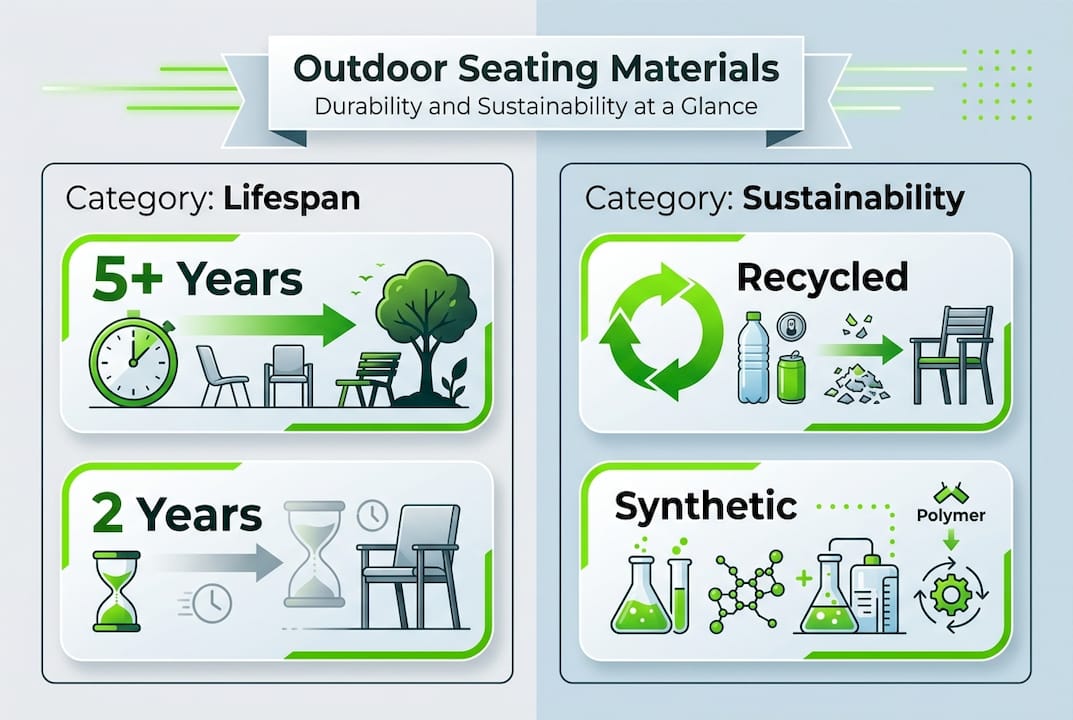
| Material Type | Average Lifespan | Sustainability Rating | Weight Category |
|---|---|---|---|
| Recycled aluminum frame | 8-10 years | Excellent | Ultralight |
| Ripstop polyester fabric | 5-7 years | Very good | Light |
| Standard steel frame | 3-5 years | Fair | Heavy |
| Basic nylon fabric | 2-3 years | Poor | Variable |
Pro Tip: Choose versatile seating with published specifications on recycled content percentages and look for brands offering repair programs or replacement parts to extend product life even further.
The benefits of portable seating extend to manufacturing processes as well. Companies using recycled materials typically employ more efficient production methods, reducing water usage and energy consumption. Your purchase decision influences industry practices, encouraging more manufacturers to adopt sustainable approaches.
Key sustainability factors to evaluate:
Quality materials resist UV degradation, moisture damage, and mechanical stress that destroys cheaper alternatives. This resilience means your chair maintains structural integrity and appearance across seasons, eliminating the frustration and expense of frequent replacements. The upfront cost premium for sustainable materials typically equalizes within two years when compared to replacing budget chairs multiple times.
Weight matters profoundly when you’re carrying everything on your back. Ultralight backpacking chairs under 2 lbs relieve muscular fatigue, improve physiological recovery, and maintain cognitive function during multi-day adventures. The difference between a 4-pound traditional chair and a sub-2-pound ultralight model accumulates with every mile, affecting your energy reserves and overall experience.
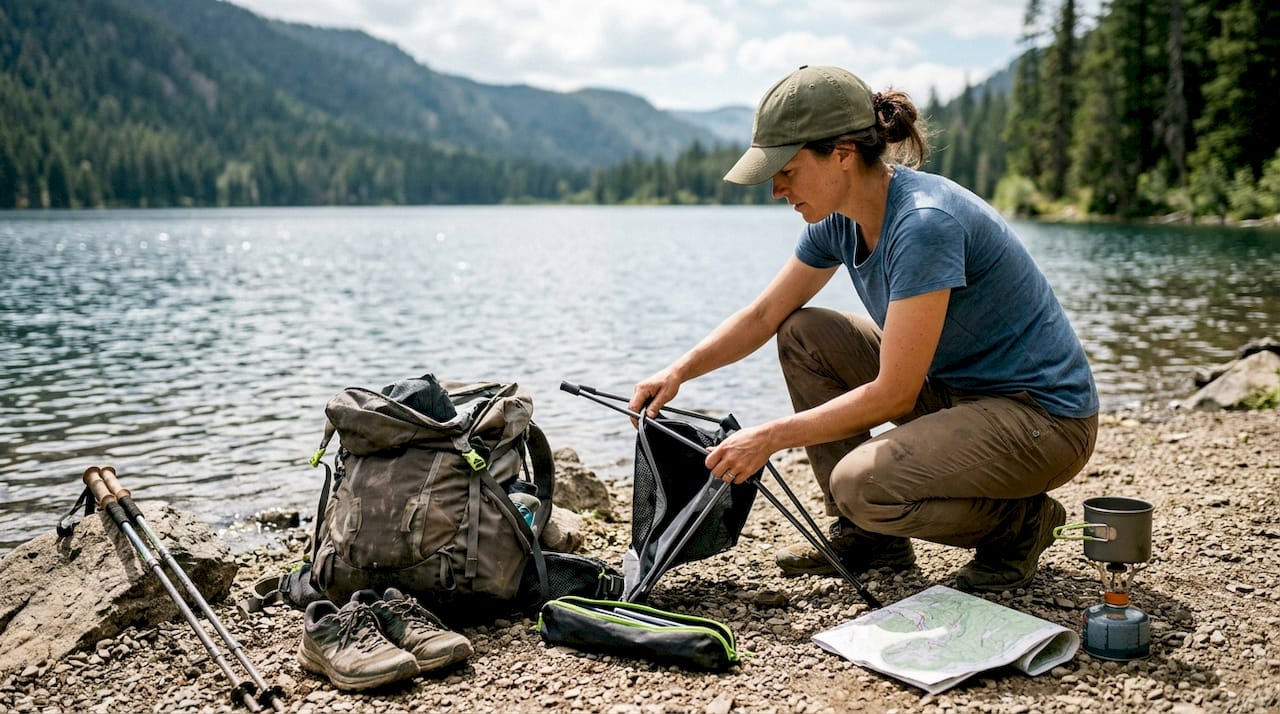
Modern engineering has revolutionized portable seating through advanced materials and clever design. Flexible seat pans that conform to your body’s contours reduce muscle fatigue by 47% compared to rigid surfaces. These innovations prove that you don’t sacrifice comfort for weight savings when selecting properly designed equipment.
The recovery aspect deserves special attention. After hours of hiking with a loaded pack, your muscles need genuine rest, not just a break from walking. Proper seating allows your body to shift from active exertion mode to recovery mode, facilitating faster muscle repair and reducing next-day soreness. This physiological benefit compounds across multi-day trips, maintaining your performance level instead of watching it decline.
“Quality seating during breaks doesn’t just rest your legs. It resets your entire nervous system, sharpening decision-making and risk assessment critical for backcountry safety.”
The cognitive benefits extend beyond physical comfort. Mental fatigue accumulates alongside physical strain, affecting judgment and enjoyment. When you’re properly supported during rest periods, your brain processes the day’s experiences more effectively, consolidating memories and maintaining alertness for navigation and safety decisions.
| Feature | Ultralight Design | Traditional Design | Recovery Impact |
|---|---|---|---|
| Weight | Under 2 lbs | 3-5 lbs | Reduced pack fatigue |
| Setup time | 10-20 seconds | 1-2 minutes | Faster recovery initiation |
| Lumbar support | Flexible, contoured | Rigid or minimal | 47% better muscle relief |
| Packed size | 12-15 inches | 18-24 inches | Easier pack integration |
Exploring the benefits of portable seating reveals how design choices impact real-world performance. Chairs that balance minimal weight with maximum support enable you to carry comfort without compromise, transforming rest breaks from mere pauses into strategic recovery sessions that enhance your overall outdoor capability.
The outdoor community holds divided opinions on portable seating necessity. Some purists view chairs as luxury items adding unnecessary pack weight, while others consider them essential recovery tools that justify their space and mass. Understanding both perspectives helps you make informed decisions aligned with your priorities and activity types.
Minimalists argue that nature provides adequate seating through logs, rocks, and ground sitting. They emphasize the freedom of traveling lighter and the satisfaction of adapting to natural conditions. This philosophy values simplicity and questions whether modern conveniences distance us from authentic outdoor experiences. For short day trips or highly mobile activities, their arguments hold merit.
Conversely, advocates highlight how proper seating extends trip duration, improves recovery, and prevents long-term joint damage. They view the weight investment as insurance against premature aging and chronic pain. When you consider the cumulative impact of hundreds of hours sitting on hard, uneven surfaces across a lifetime of outdoor pursuits, the case for ergonomic outdoor seating strengthens considerably.
Consider these contrasting viewpoints:
Modern designs increasingly bridge this divide. Sub-2-pound chairs with robust support challenge the notion that comfort requires heavy equipment. When a chair weighs less than a water bottle yet provides substantial ergonomic benefits, the luxury versus essential debate shifts toward practical cost-benefit analysis.
Your activity type should guide your decision. Fast-and-light summit attempts differ fundamentally from multi-day base camping or river trips. Matching your seating choice to your specific use case resolves much of the philosophical debate. A chair that’s excessive for one scenario becomes indispensable in another.
The key lies in honest self-assessment. If you consistently cut trips short due to discomfort, or wake up stiff and sore, portable seating addresses a real problem rather than adding frivolous weight. Conversely, if you thrive on minimalism and genuinely enjoy ground sitting, forcing yourself to carry a chair contradicts your outdoor philosophy.
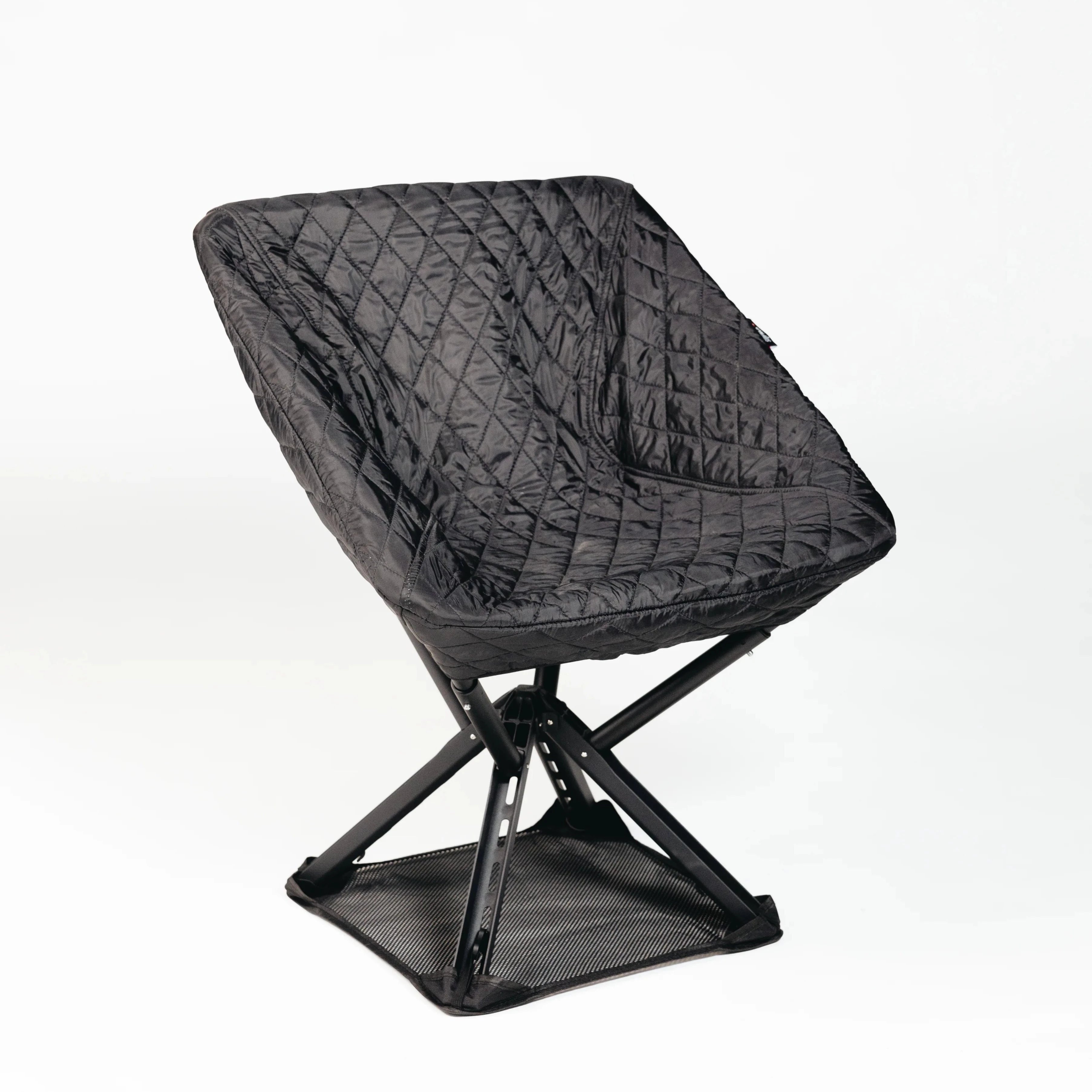
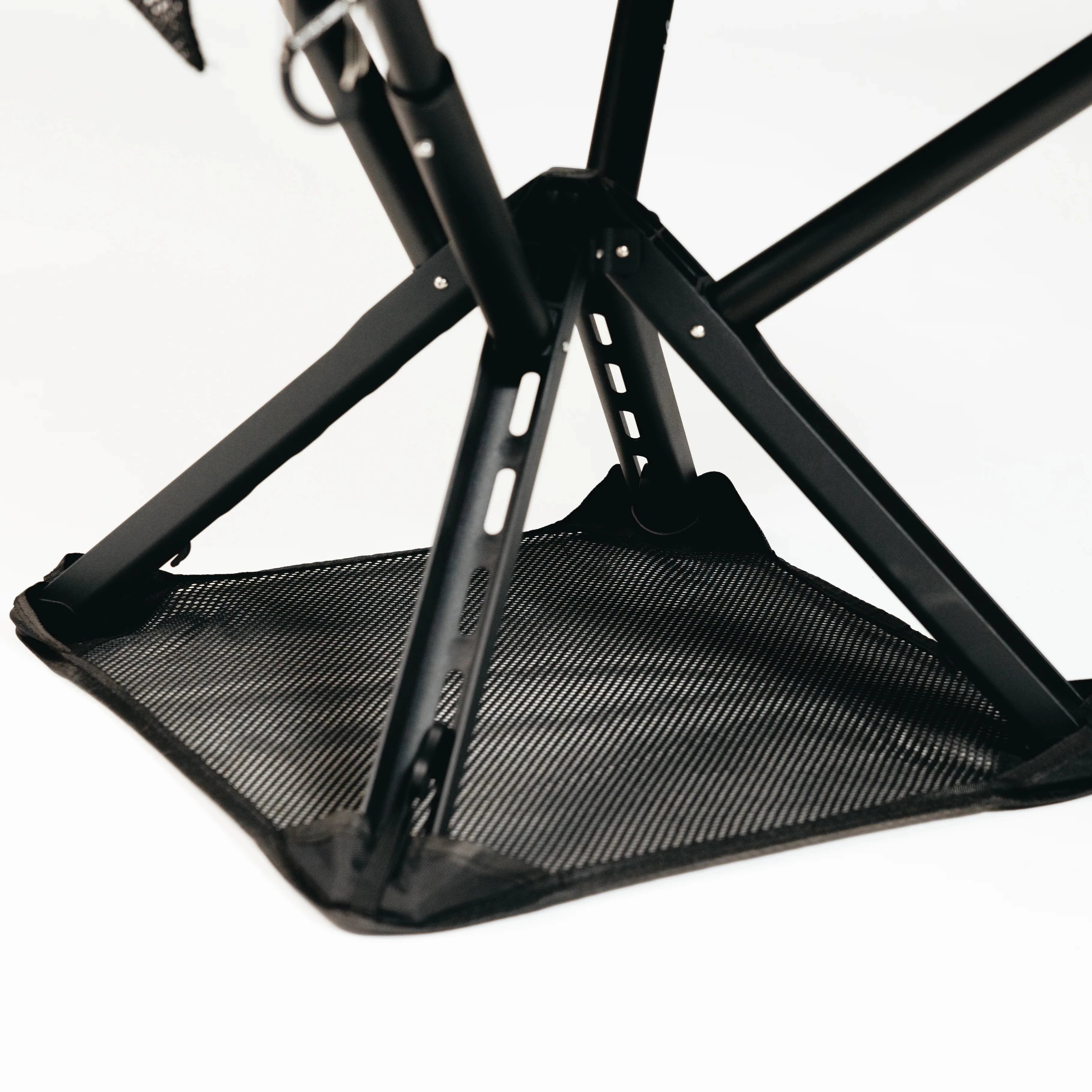
Transforming your outdoor comfort starts with choosing seating designed for real-world adventures. Sitpack’s portable seating combines ultralight engineering with ergonomic support, using sustainable materials that last for years of intensive use. Their designs address the specific challenges outdoor enthusiasts face, from backpacking weight constraints to urban portability needs.
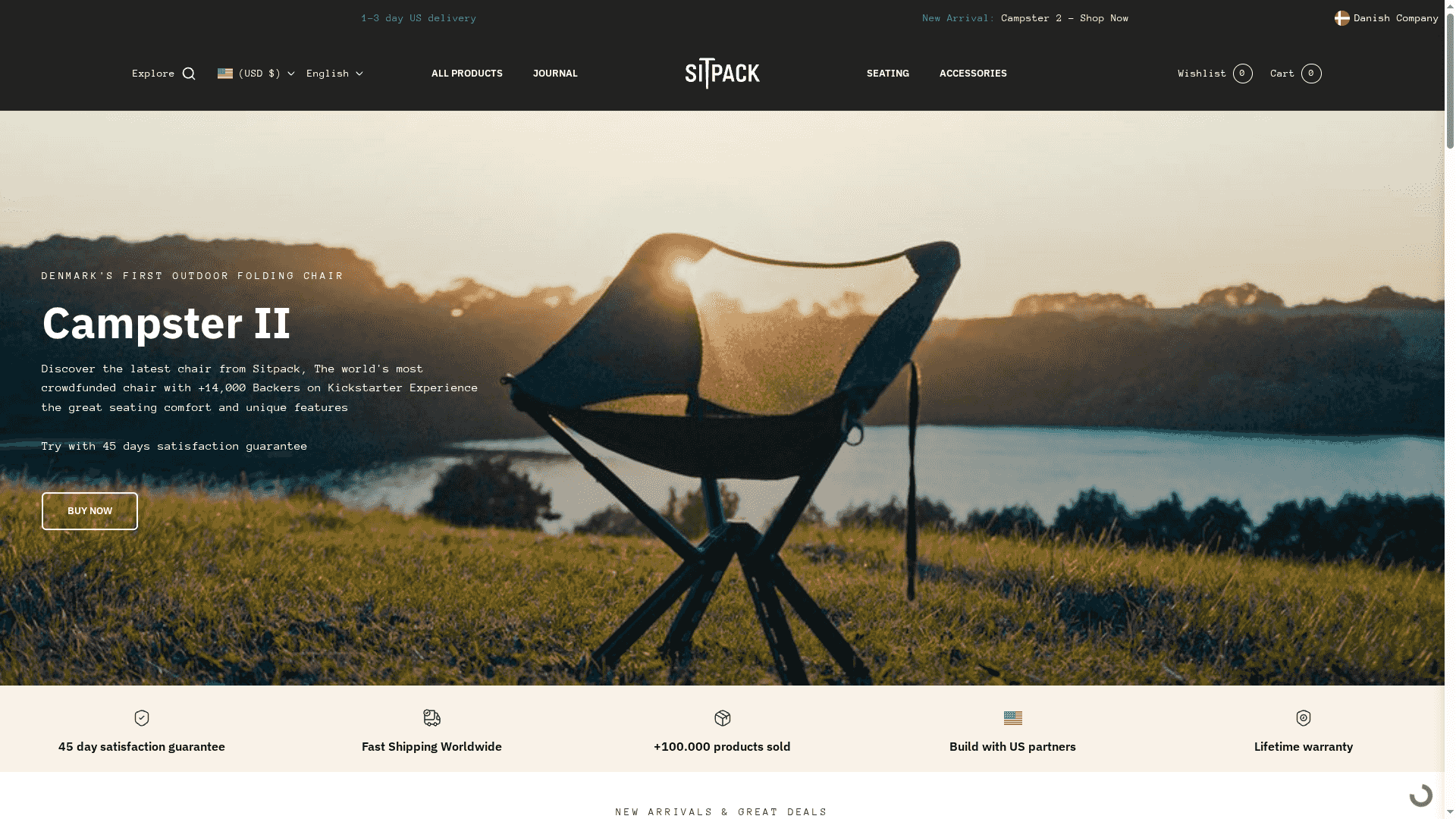
Each product emphasizes the balance between minimal weight and maximum support that defines modern portable seating. Whether you’re planning multi-day treks or seeking comfortable urban seating for festivals and events, Sitpack’s range offers solutions that enhance your experience without compromising your pack weight budget or environmental values.
Pro Tip: Choosing the right portable seat based on your primary activities enhances both immediate comfort and long-term joint health, making it an investment in your outdoor future.
For trips under four hours, portable seating becomes more about preference than necessity. However, even short outings benefit from proper support if you have existing back issues or plan stationary activities like fishing or photography. The comfort-to-weight ratio of modern ultralight chairs makes them practical even for brief adventures.
Prioritize chairs under 2 pounds with flexible seat pans and adjustable lumbar support. Test the setup mechanism to ensure quick deployment, and verify the packed size fits your gear configuration. Read reviews from users with similar body types and activity preferences to gauge real-world performance.
Initial costs typically run 20-30% higher for chairs using recycled materials and sustainable manufacturing. However, their 2-3x longer lifespan and superior durability make them more economical over time. Many brands offer warranties that protect your investment and reduce long-term replacement costs.
Rinse fabric after exposure to saltwater or mud, and allow complete drying before storage to prevent mildew. Inspect connection points and joints regularly, tightening any loose hardware. Store chairs in cool, dry locations away from direct sunlight to prevent UV degradation of fabrics and elastic components.
Absolutely. The same ergonomic principles that support outdoor comfort apply to urban environments. Portable seats with proper lumbar support maintain spinal alignment during concerts, sporting events, or park visits. Explore the benefits of portable seating to understand how versatile designs serve multiple lifestyle needs beyond traditional camping applications.