Cart
0
Sign up and get 10$ off your order
Expected delivery
1-3 days
You may also like


Danish Company

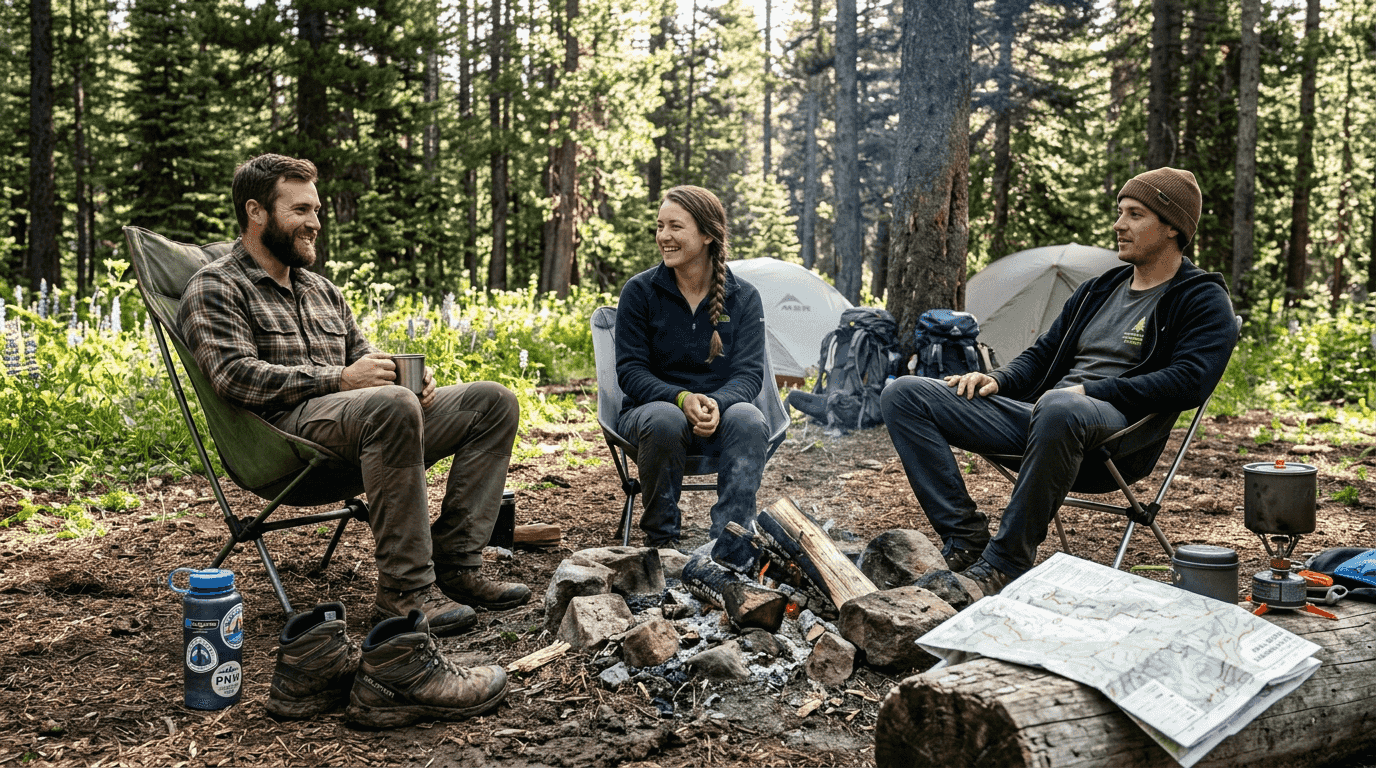
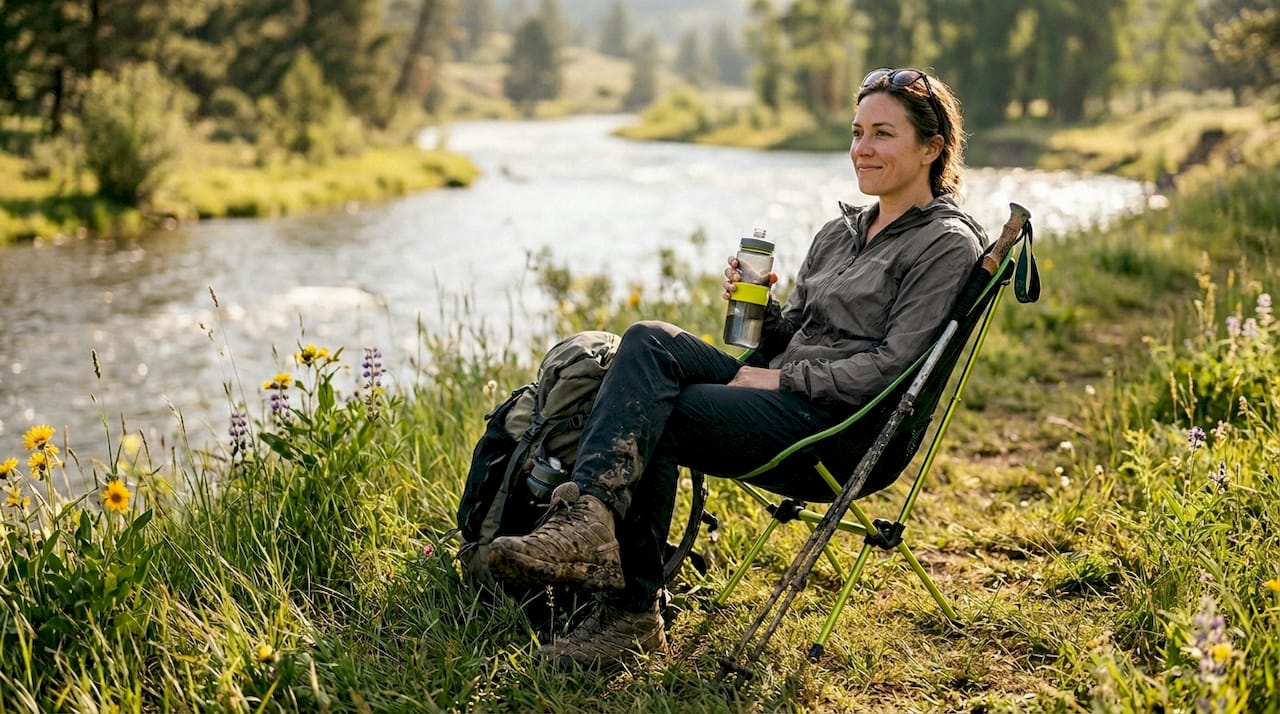
Most outdoor enthusiasts pack meticulously for their adventures, yet many overlook one of the most crucial elements of recovery and enjoyment: proper seating. The assumption that any portable chair will do often leads to unnecessary fatigue, back pain, and diminished outdoor experiences. This guide explores why seating comfort is essential for outdoor adventures and how choosing the right portable chair, focusing on ergonomics, durable materials, and eco-friendly design, transforms your time in nature.
| Point | Details |
|---|---|
| Seating comfort enhances recovery | Ergonomic portable chairs reduce fatigue by up to 30% and prevent muscle strain during outdoor activities. |
| Material quality ensures longevity | High-strength aluminum and ripstop fabrics extend chair lifespan 2-3 times compared to cheaper alternatives. |
| Eco-friendly options are expanding | Recycled materials in outdoor chairs have increased 40% recently, reducing carbon footprint by 25%. |
| Proper posture prevents pain | Chairs with lumbar support and correct seat height reduce back discomfort by 40% during camping trips. |
| Features vary for different needs | Consider weight, packability, and support based on your specific outdoor adventure requirements. |
Physical comfort directly impacts your outdoor experience in ways many adventurers underestimate. When you sit for extended periods without proper support, your spine experiences compression and your muscles work overtime to maintain stability. Ergonomic design significantly impacts comfort during prolonged sitting in portable chairs, affecting both your physical recovery and mental relaxation.
Portable chairs designed with biomechanical principles in mind address three critical factors: spinal alignment, pressure distribution, and circulation. A well-designed chair maintains your spine’s natural S-curve, preventing the slouching that leads to disc compression and nerve irritation. Contoured seats distribute your body weight across a larger surface area, reducing pressure points that cause numbness and discomfort.
The practical benefits are substantial. Research shows that proper lumbar support significantly reduces back pain during outdoor activities, with some studies indicating reductions of up to 40%. Improved comfort translates to better recovery between activities, whether you’re hiking, fishing, or simply relaxing at camp.
Key ergonomic features to prioritize include:
Pro Tip: Test a chair’s ergonomics by sitting fully back and checking if your feet rest flat on the ground. If you need to perch on the edge or your legs dangle, the dimensions aren’t right for your body.
Comfort isn’t a luxury when you’re outdoors. It’s the foundation for enjoying nature and recovering properly between adventures. Your chair should support your body as effectively as your sleeping bag supports your rest.
The psychological benefits complement the physical ones. When you’re comfortable, you’re more present and able to appreciate your surroundings. Understanding the role of comfort in portable seating helps you make informed choices that enhance every outdoor moment.
Material selection determines how long your chair lasts and how it performs across different conditions. The outdoor gear industry has evolved significantly, with manufacturers now balancing durability, weight, and environmental responsibility in ways that weren’t possible a decade ago.
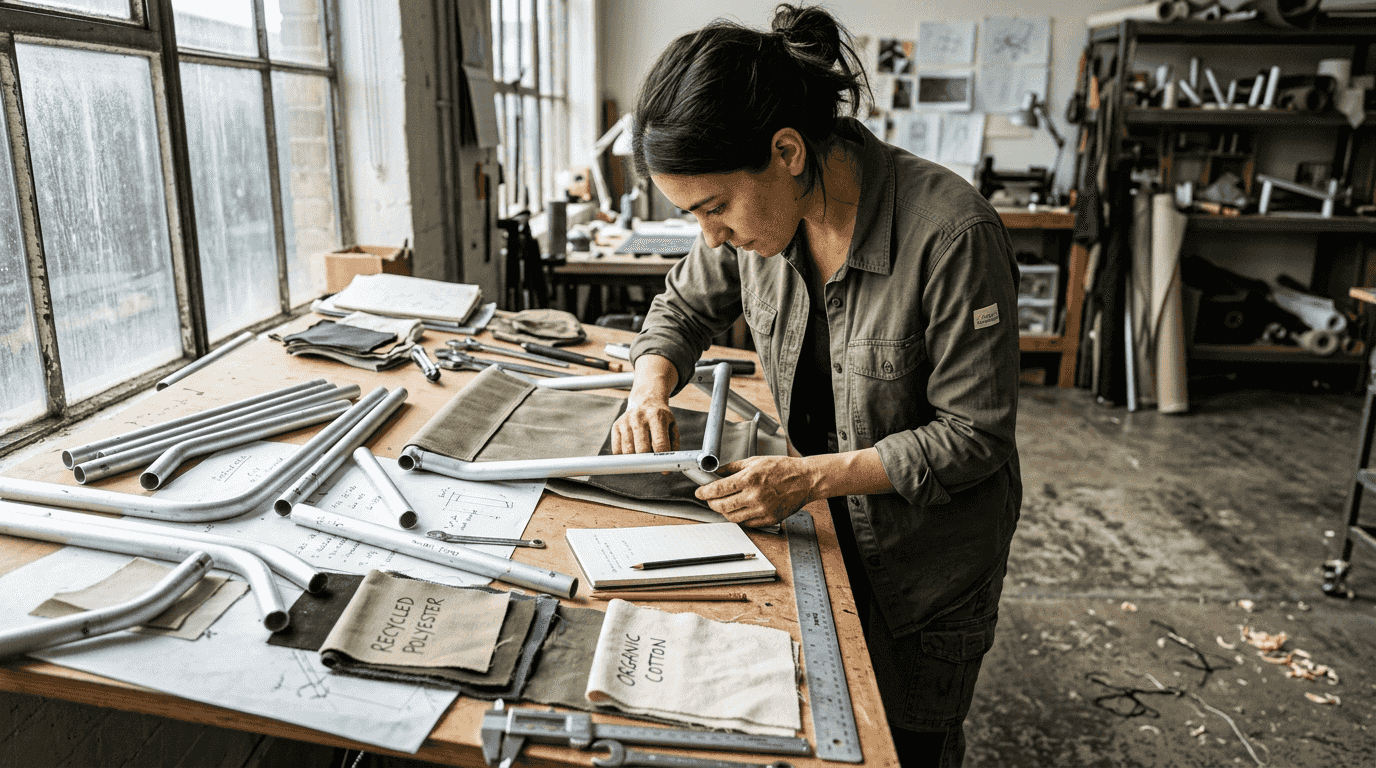
High-performance portable chairs typically use aircraft-grade aluminum alloys for frames, specifically DAC TH72M or similar specifications. These materials offer exceptional strength-to-weight ratios, supporting 250 to 300 pounds while weighing just 1.5 to 3 pounds themselves. Chairs made with high-strength aluminum alloys have lifespans 2-3 times longer than those using basic aluminum or steel frames.
Fabric choice matters equally. Ripstop polyester and nylon fabrics resist tearing and abrasion while remaining lightweight and packable. The denier rating indicates fabric thickness; 150D to 300D fabrics provide the sweet spot between durability and weight for most outdoor applications.
Durability features to evaluate:
The sustainability movement has reached portable seating. Use of recycled materials has increased 40% in chair production over the last three years, reducing carbon footprint by 25%. Manufacturers now source recycled polyester from post-consumer plastics and reclaimed fishing nets, creating fabrics that match virgin material performance.
| Material Type | Durability Rating | Weight Impact | Environmental Benefit |
|---|---|---|---|
| DAC Aluminum | Excellent | Minimal | Fully recyclable, long lifespan |
| Ripstop Polyester | Very Good | Low | Available recycled, UV resistant |
| Recycled Nylon | Good | Low | Diverts ocean waste, durable |
| Bamboo Fiber Blend | Moderate | Medium | Renewable, biodegradable |
Pro Tip: Check if manufacturers offer replacement parts for high-wear components like fabric seats and shock cords. A repairable chair significantly reduces environmental impact compared to disposable alternatives.
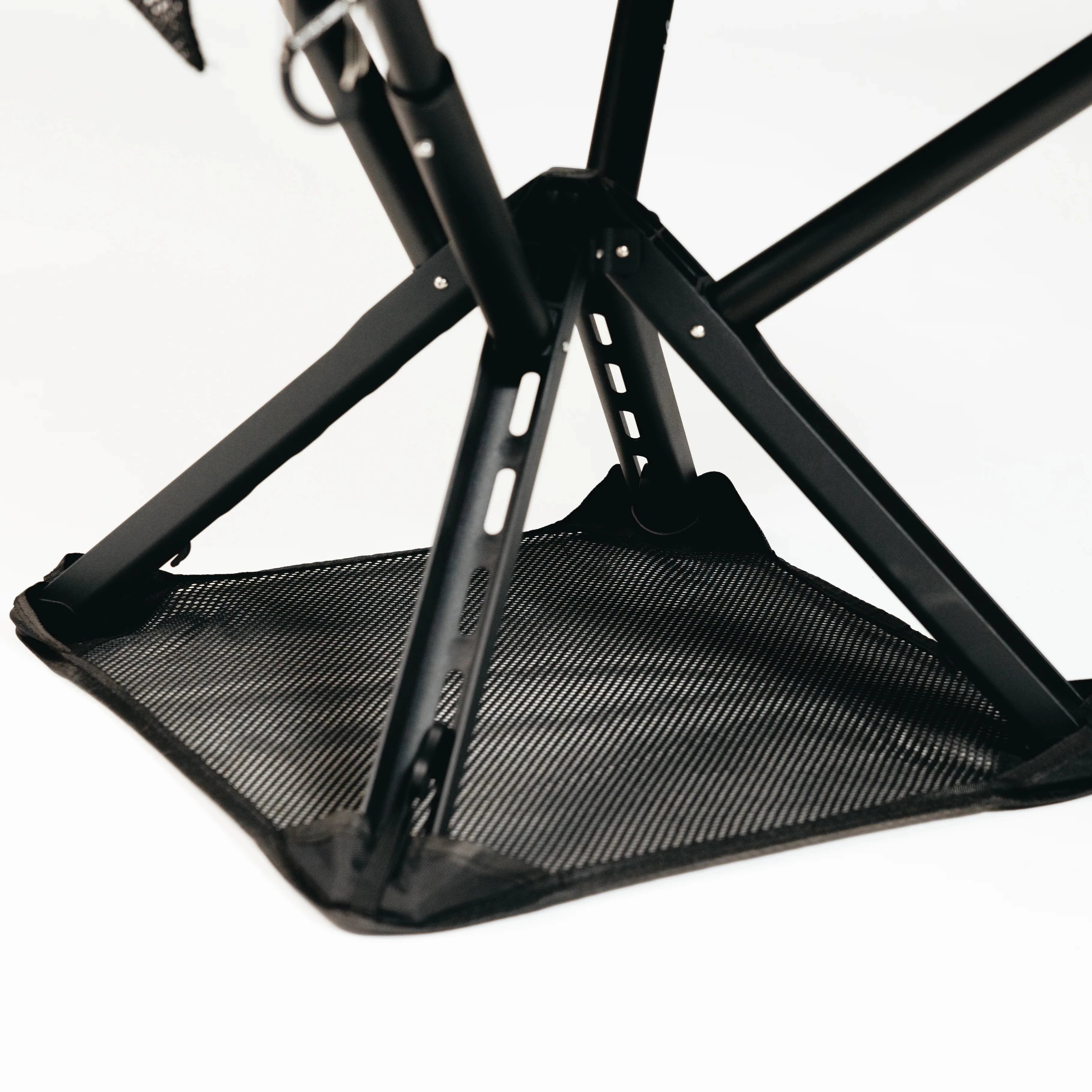
Quality construction shows in details. Precision-machined connection points eliminate wobble and distribute stress evenly. Sealed pole ends prevent dirt infiltration that causes premature wear. These seemingly minor features separate chairs that last seasons from those failing after months.
Understanding what makes a chair durable empowers you to evaluate options beyond marketing claims and make choices supporting both your adventures and environmental values.
Examining specific chairs illustrates how different designs balance competing priorities for various outdoor scenarios. These examples represent current market leaders combining the ergonomic principles and material quality discussed earlier.
The NEMO Moonlite Elite offers reclining capability rare in ultralight backpacking chairs. Weighing just 1.15 pounds with a packed size of 13x4 inches, it supports users up to 300 pounds. The three-position recline lets you adjust from upright dining to relaxed stargazing, addressing different comfort needs throughout your trip. Its DAC Featherlite frame and ripstop nylon construction exemplify premium material application.
Helinox dominates the lightweight portable chair market with multiple models serving different needs. The Camp Chair Zero is durable and lightweight, weighing 1.13 pounds while supporting 265 pounds. Its compact pack size of 13.4x3.9x4.7 inches fits easily in backpacks, and the proprietary DAC aluminum pole system provides remarkable stability for its weight class.
For users prioritizing upper body support, the Helinox Chair One High Back redistributes body weight effectively while supporting neck and shoulders. At 2.55 pounds, it’s heavier than ultralight options but still impressively portable. The extended back height accommodates taller users and those wanting more comprehensive support during extended sitting sessions.
| Chair Model | Weight | Pack Size | Capacity | Key Feature |
|---|---|---|---|---|
| NEMO Moonlite Elite | 1.15 lbs | 13x4 in | 300 lbs | Three-position recline |
| Helinox Camp Chair Zero | 1.13 lbs | 13.4x3.9x4.7 in | 265 lbs | Ultra-compact design |
| Helinox Chair One High Back | 2.55 lbs | 15x5.5x4 in | 320 lbs | Extended back support |
Each design makes specific tradeoffs. Ultralight backpackers prioritize minimal weight and pack size, accepting less cushioning and simpler designs. Car campers can choose heavier chairs offering more comfort features without worrying about carrying weight. Understanding your primary use case guides appropriate selection.
Consider these selection factors:
Pro Tip: If possible, test chairs before purchasing by visiting outdoor retailers. Five minutes sitting reveals comfort issues no product description captures, and you’ll understand how the chair fits your body specifically.
Recognizing the importance of comfort in portable seating helps you evaluate whether premium features justify higher costs for your particular outdoor pursuits and comfort requirements.
Owning an ergonomic chair is only part of the equation. How you use and maintain it significantly impacts your actual comfort during outdoor adventures. Small adjustments in setup and sitting habits make substantial differences over hours or days of use.
Proper sitting posture starts with positioning yourself fully back in the seat. Many people perch forward, negating the lumbar support designed into quality chairs. Slide back until your buttocks contact the rear of the seat pan, allowing the backrest to support your spine’s natural curve.
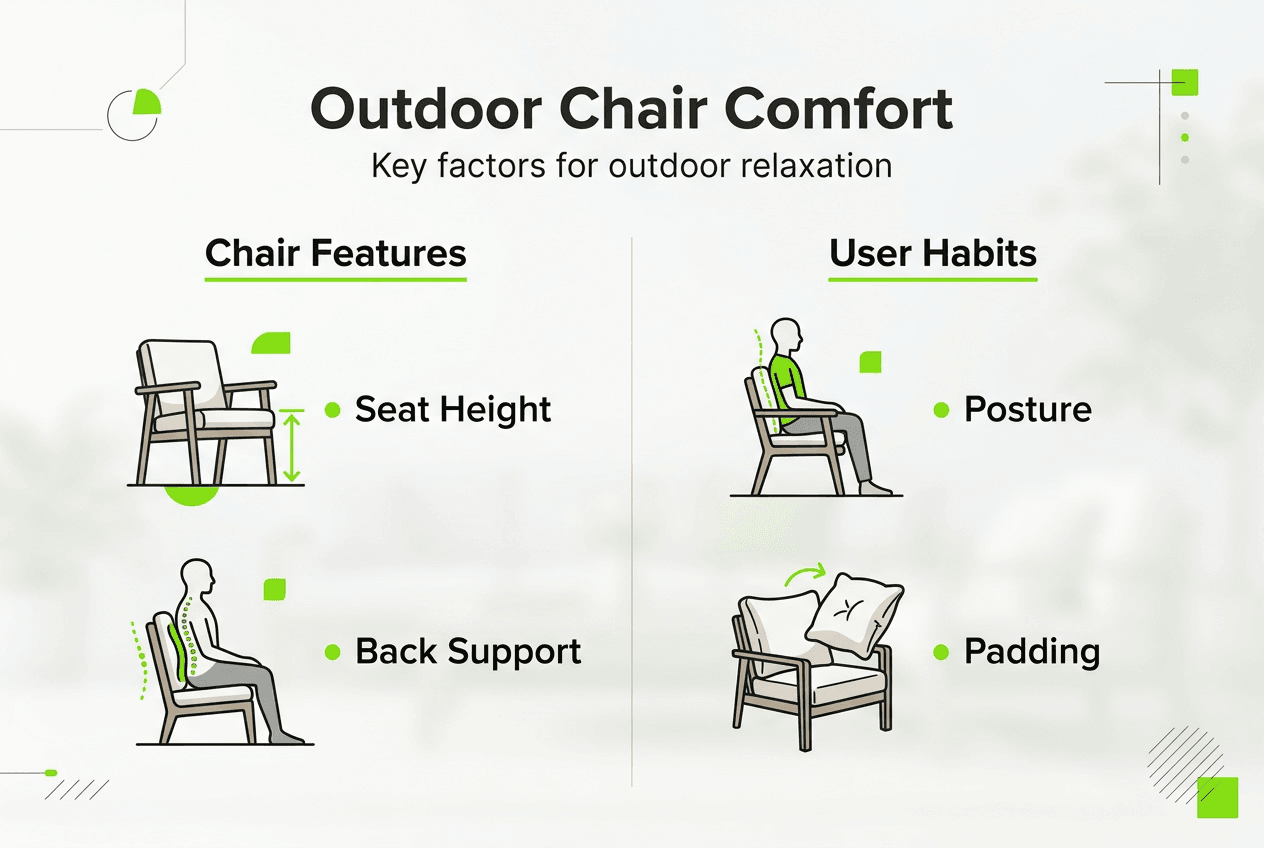
Foot placement affects your entire body alignment. Keep both feet flat on the ground or a stable surface, knees bent at roughly 90 degrees. If the chair sits too high for your legs, use a footrest like a stuff sack filled with clothes to achieve proper positioning.
Follow these positioning guidelines:
Seat height matters more than most realize. The ideal range of 16 to 18 inches allows most adults to maintain proper posture without their feet dangling or knees rising uncomfortably high. Chairs outside this range force your body into compensatory positions that create strain over time.
Pro Tip: Bring a small camping pad or folded towel if your chair lacks sufficient cushioning. Even minimal padding reduces pressure points during extended sitting sessions without adding significant weight.
Maintenance extends your chair’s lifespan and comfort. After trips in dusty or sandy conditions, wipe down poles and connection points to prevent abrasive grit from wearing components. Let fabric dry completely before storage to prevent mildew and material degradation. Store in a cool, dry location away from direct sunlight that can weaken fabrics over time.
Avoid common mistakes that compromise comfort and durability:
Research confirms that mindful sitting practices maximize comfort benefits even with ergonomically designed chairs. Your habits and awareness complement equipment quality in creating genuinely comfortable outdoor experiences.
Understanding how comfort in seating design reduces fatigue by 30% outdoors motivates consistent application of these simple but effective practices during every adventure.
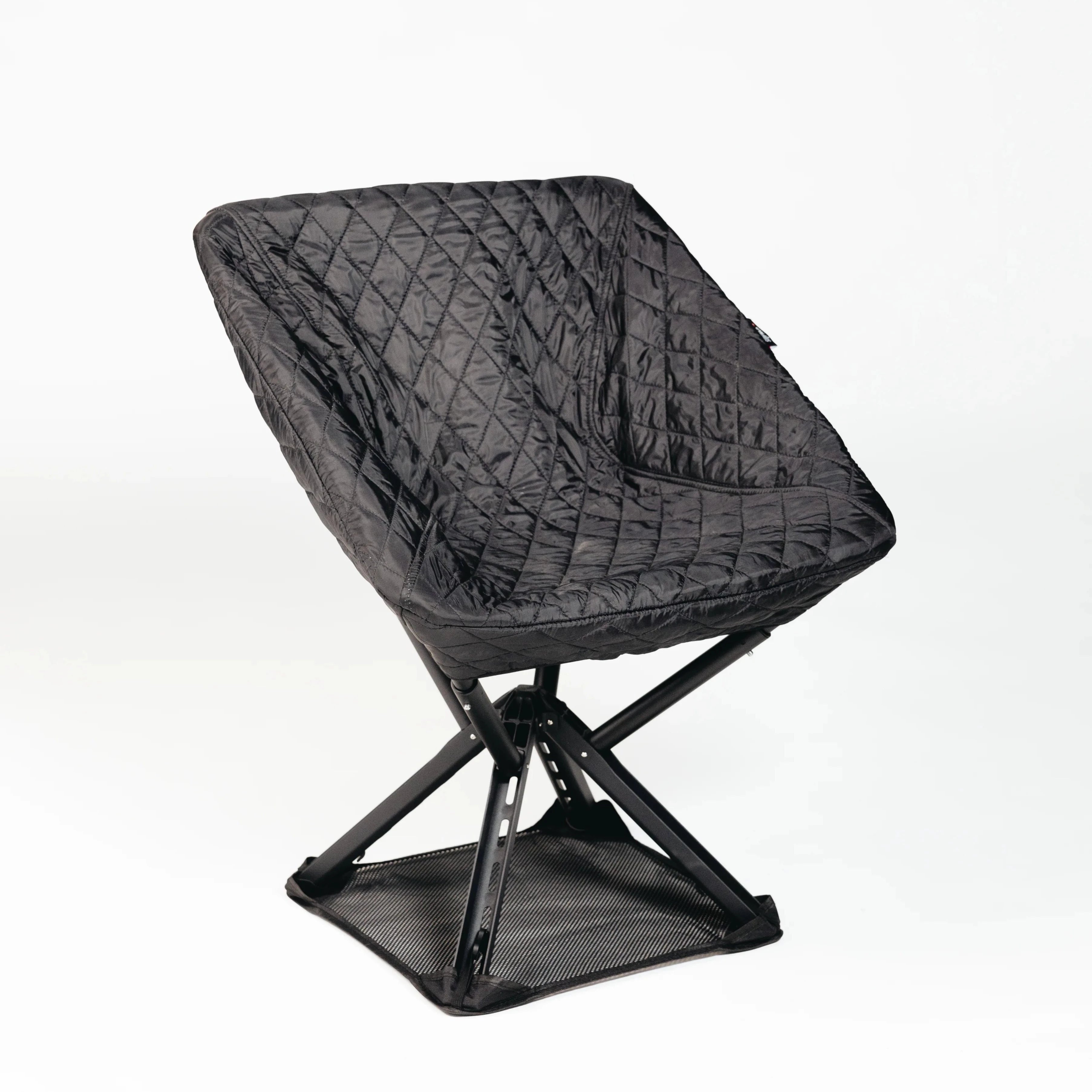
Finding the perfect portable chair requires balancing multiple factors: weight, comfort, durability, and environmental impact. Sitpack specializes in innovative seating solutions designed specifically for outdoor enthusiasts who refuse to compromise.
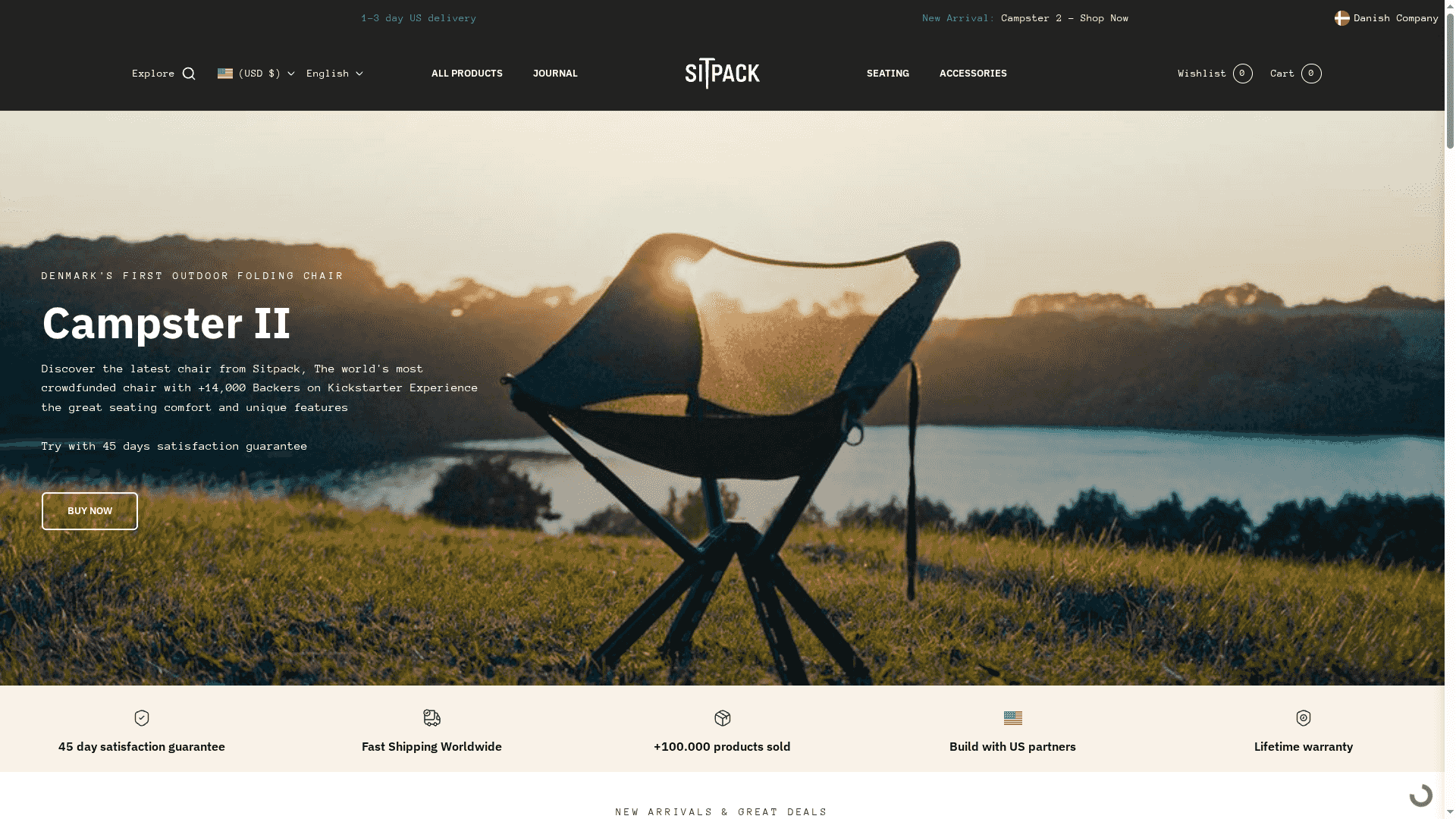
Their product line features lightweight, ergonomic designs incorporating sustainable materials without sacrificing performance. Whether you’re a minimalist backpacker seeking ultralight solutions or a car camper wanting maximum comfort, Sitpack’s portable seating options combine thoughtful engineering with eco-conscious manufacturing.
Each product reflects years of research into biomechanics, material science, and user feedback from real outdoor adventures. Explore their collection to discover how modern portable seating technology can transform your outdoor experiences while supporting environmental sustainability.
Comfort depends on ergonomic design supporting your spine’s natural curves, adequate lumbar support preventing lower back strain, and proper cushioning distributing pressure evenly. Material breathability and correct seat dimensions for your body also significantly affect comfort during long sitting periods.
Quality materials like DAC aluminum frames and ripstop fabrics last two to three times longer than budget alternatives, reducing replacement frequency substantially. This durability not only saves money over time but maintains consistent comfort and support throughout the chair’s extended lifespan.
Eco-friendly chairs minimize environmental harm through recycled materials and sustainable manufacturing processes that reduce carbon emissions by up to 25%. Many outdoor enthusiasts prioritize protecting the natural environments they enjoy, making sustainable gear choices aligned with conservation values.
Modern ultralight chairs weighing under two pounds can offer excellent back support through strategic design and premium materials. Features like contoured backs, proper lumbar curves, and high-strength fabrics deliver ergonomic benefits without the weight penalty of traditional camping chairs.
Replace chairs when structural components show wear like bent frames, torn fabric at stress points, or compromised connection systems. Quality chairs with proper maintenance typically last five to ten years of regular use, while budget options may need replacement after one to two seasons.