Vogn
0
Tilmeld dig og få 10% i rabat på din ordre
Forventet levering
1-3 dage
Du vil måske også kunne lide


Dansk Firma

TL;DR:
- Flexible outdoor furniture is designed for ease of movement, multi-functionality, and multi-space use.
- Materials like aluminum frames and durable fabrics ensure lightweight, weather-resistant, and long-lasting gear.
- It offers urban, travel, and outdoor users practical benefits like portability, space-saving, and versatile setup options.
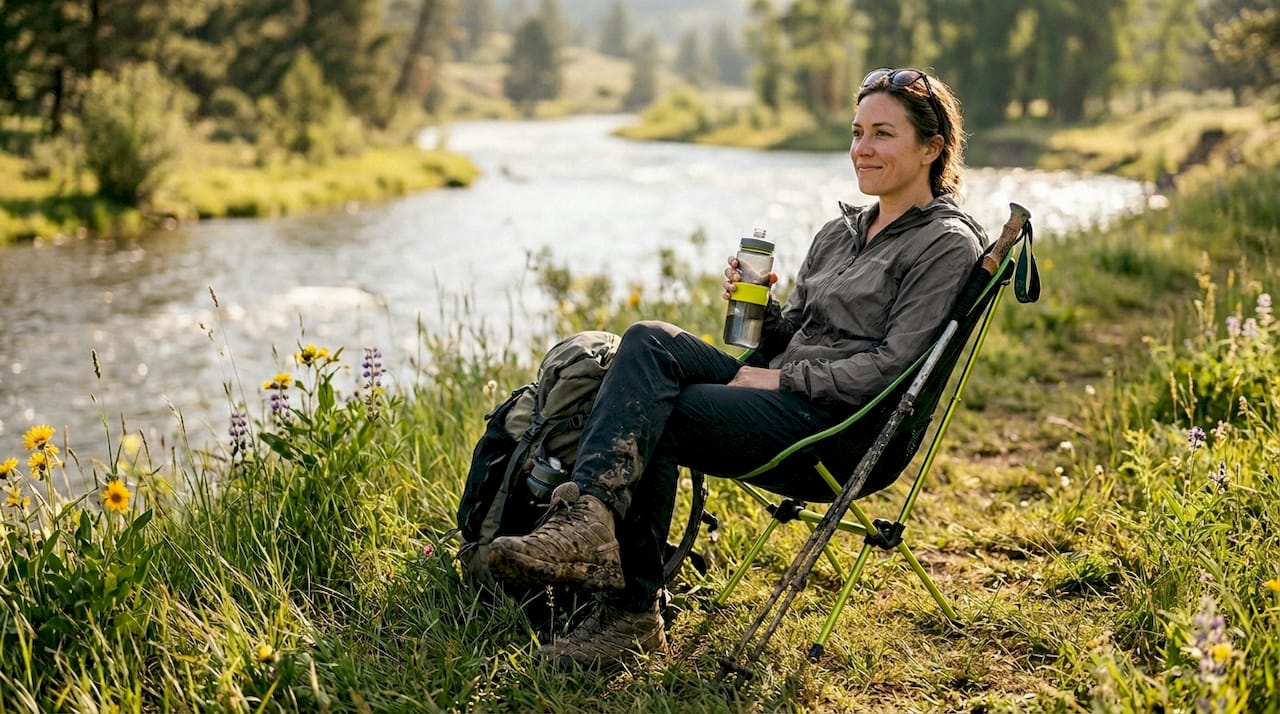
Hauling a bulky patio set to a rooftop gathering or a weekend campsite is nobody’s idea of fun. Traditional outdoor furniture was built for one place and one place only, which is fine if you never move. But most of us do. We hike, we road-trip, we squeeze onto tiny balconies, and we show up at impromptu picnics hoping someone remembered the seating. Flexible outdoor furniture flips that whole frustration on its head. This article breaks down exactly what it is, why the materials matter, what benefits you actually get in real life, and how to pick the right piece for your adventures.
| Point | Details |
|---|---|
| Adaptable comfort | Flexible outdoor furniture adjusts to your activities and spaces for improved convenience. |
| Smart material choices | Look for durable, weather-resistant materials to ensure outdoor furniture lasts longer. |
| Practical for travel | Lightweight and portable designs make outdoor experiences—camping, events, urban parks—much easier. |
| Modular advantages | Configurable pieces let you personalize setups for different gatherings or locations. |
So what exactly are we talking about when we say “flexible outdoor furniture”? It is not just a chair that folds. The idea runs deeper than that. Flexible outdoor furniture is designed for ease of movement, multi-functionality, and to serve different spaces or activities. Think of it as furniture that works for your lifestyle rather than forcing your lifestyle to work around it.
Traditional patio furniture is heavy, fixed, and built to stay put. A cast-iron bistro set looks gorgeous on a permanent terrace, but try loading it into a hatchback and see how that goes. Flexible outdoor furniture takes the opposite approach entirely. The core design philosophy centers on three pillars:
The demand for this kind of furniture did not appear out of nowhere. As urban living got more compact and outdoor recreation boomed, people needed gear that kept up. Remote work culture pushed folks outside more often. Festival culture exploded. Vanlife became a legitimate lifestyle choice. All of these trends created a massive appetite for furniture that travels well.
“The global portable furniture market is growing steadily as consumers prioritize mobility and multi-use products for both leisure and work environments.”
For a broader look at how the category evolved, modern outdoor furniture explained covers the shift from heavy permanence to smart portability in satisfying detail. The short version: people got busier, spaces got smaller, and furniture had to adapt or get left behind.
Now that we know what makes furniture flexible, let’s look at what’s actually out there and what it’s made of. The variety might surprise you.
Main types of flexible outdoor furniture:
| Type | Best use case | Portability level |
|---|---|---|
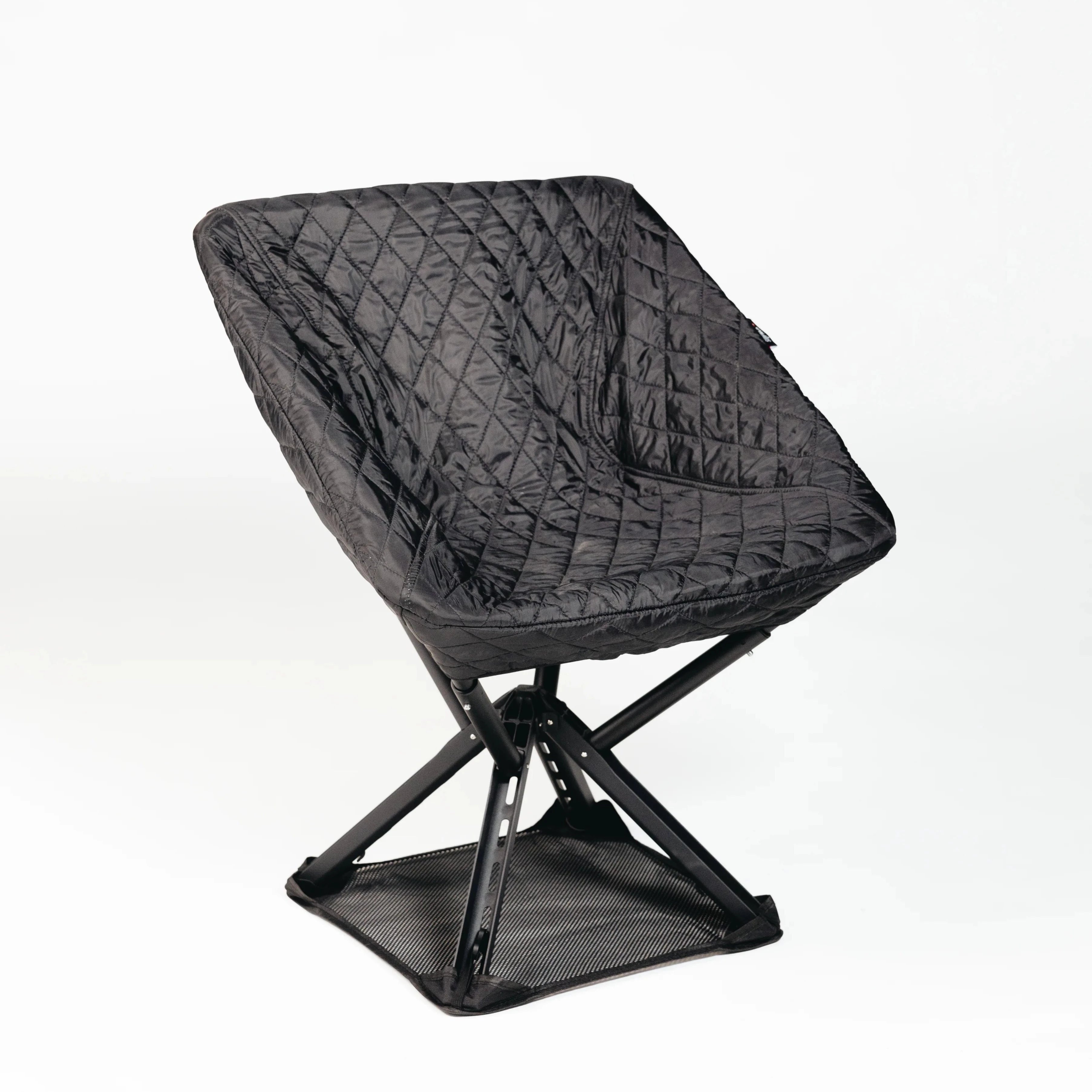
| Folding chair | Camping, tailgating, balcony | High |
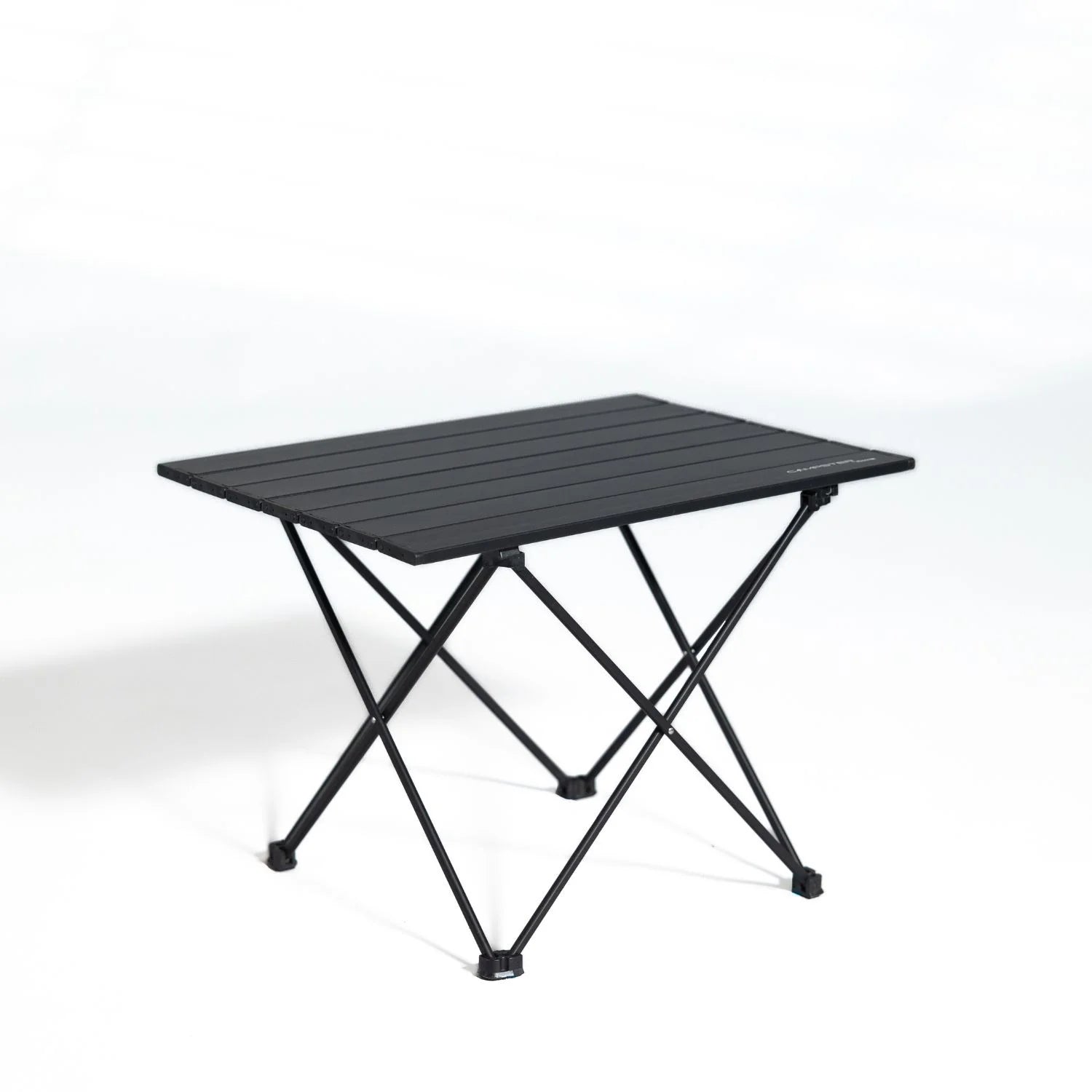
| Roll-up table | Picnics, beach days, RV travel | Medium-high |
| Modular bench | Backyard gatherings, events | Medium |
| Collapsible lounger | Beach, poolside, glamping | Medium |
| Portable stool | Hiking, festivals, urban use | Very high |
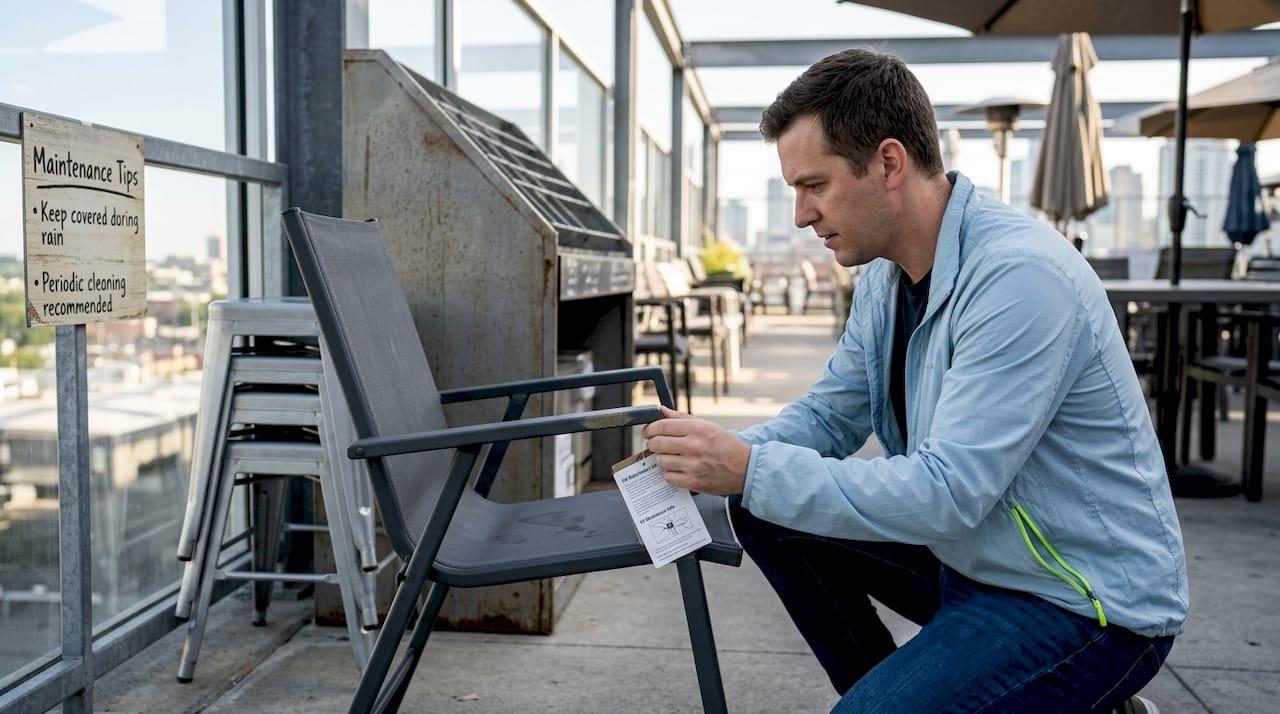
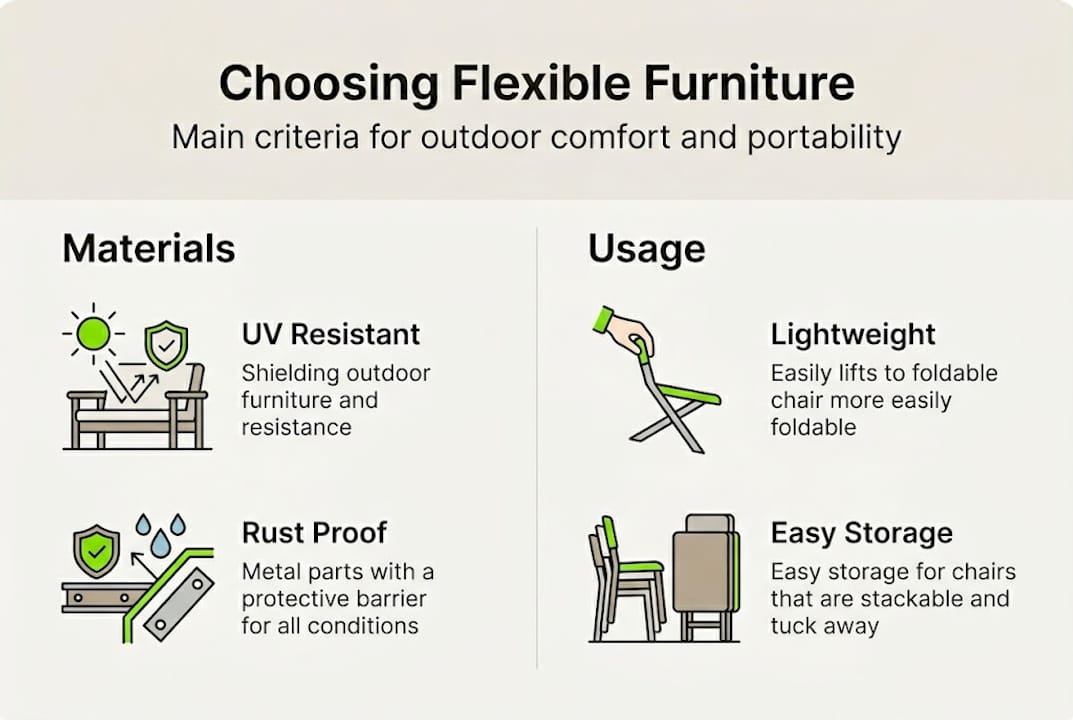
Material choice is where things get really interesting. As outdoor seating material types shows, material quality directly impacts weight, weather resistance, and eco-friendliness. Here is how to evaluate what you are buying:
Pro Tip: Always look for UV and rust resistance ratings before purchasing. A chair that fades or corrodes after one summer is not a bargain at any price.
After seeing what’s available, let’s talk about why flexible furniture genuinely outperforms rigid alternatives in everyday outdoor life. Because the benefits go well beyond just being able to carry the thing.
Flexibility in furniture is increasingly favored for its space-saving and multi-purpose nature, and once you experience it, going back to a fixed setup feels oddly limiting. Here is where flexible furniture really shines:
Urban dwellers are leading this shift. Studies on city living consistently show that residents in smaller homes are far more likely to prioritize furniture that serves multiple purposes and stores compactly. When your square footage is limited, every piece of furniture needs to earn its keep.
Stat to know: Roughly 60% of urban outdoor enthusiasts report that portability is their top priority when purchasing outdoor seating.
The financial angle is also worth mentioning. One quality flexible chair that does everything often costs less in the long run than buying separate pieces for camping, the balcony, and the beach.
Pro Tip: Invest in modular furniture solutions that can grow or shrink with your needs. A modular setup you can reconfigure beats buying new furniture every time your situation changes.
Understanding the benefits is great, but knowing how to actually select the right piece and get the most out of it is where things get practical. Let’s break it down.
The main criteria to weigh when choosing outdoor furniture are weight, ease of assembly, maintenance requirements, and intended use. The most suitable outdoor furniture adapts to varied environments and user preferences, so start by being honest about how and where you will actually use it.
| Scenario | Key feature priority | Recommended type |
|---|---|---|
| Camping | Lightweight, packable | Folding chair or stool |
| Picnic | Easy setup, compact | Roll-up table plus folding chair |
| Urban balcony | Slim profile, weather-resistant | Folding chair or modular bench |
| RV travel | Durable, space-efficient | Collapsible lounger or folding chair |
Once you have picked the right type, using it well matters just as much as buying it. Here are some practical tips:
For off-season storage, breathable fabric bags beat plastic bins because they prevent condensation buildup, which leads to mold and rust over time.
Here is something the traditional furniture industry does not want to admit: heavy, fixed outdoor furniture is largely a habit, not a superior choice. We grew up seeing big patio sets in backyards and assumed that was the standard. But the standard was built for a lifestyle that fewer and fewer people actually live.
I have seen it play out repeatedly. Someone invests in a gorgeous fixed patio set, uses it for one summer, then moves to a new apartment and realizes it does not fit the balcony. Meanwhile, a person with a quality folding chair and a roll-up table has been using that same setup at the campsite, the rooftop, the beach, and the living room balcony without missing a beat.
The unexpected lesson from intensive use of flexible furniture is that minimalism and comfort are not opposites. The best flexible pieces are genuinely comfortable and genuinely minimal at the same time. City dwellers discover they can host a balcony dinner party for four with gear that stores in a single tote bag. Campers realize they no longer need a truck to haul their comfort to the woods. For real-world furniture insights that reinforce this shift, the evidence is pretty hard to argue with. Flexibility is not a compromise. It is an upgrade.
If this has you itching to rethink your outdoor setup, you are in the right place. Sitpack was built around exactly this idea: that outdoor seating should go wherever you go, without weighing you down or taking up your entire car trunk.
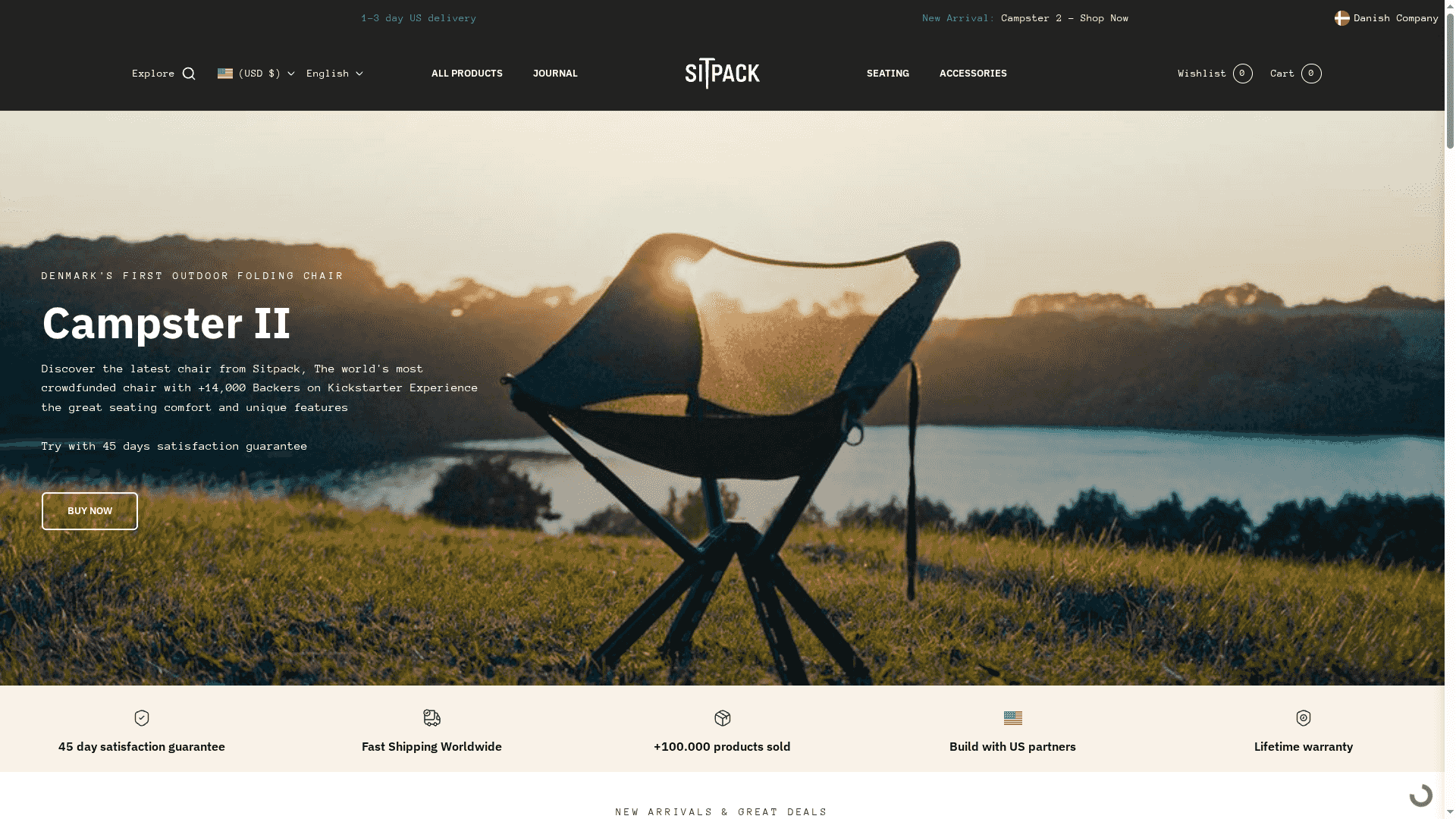
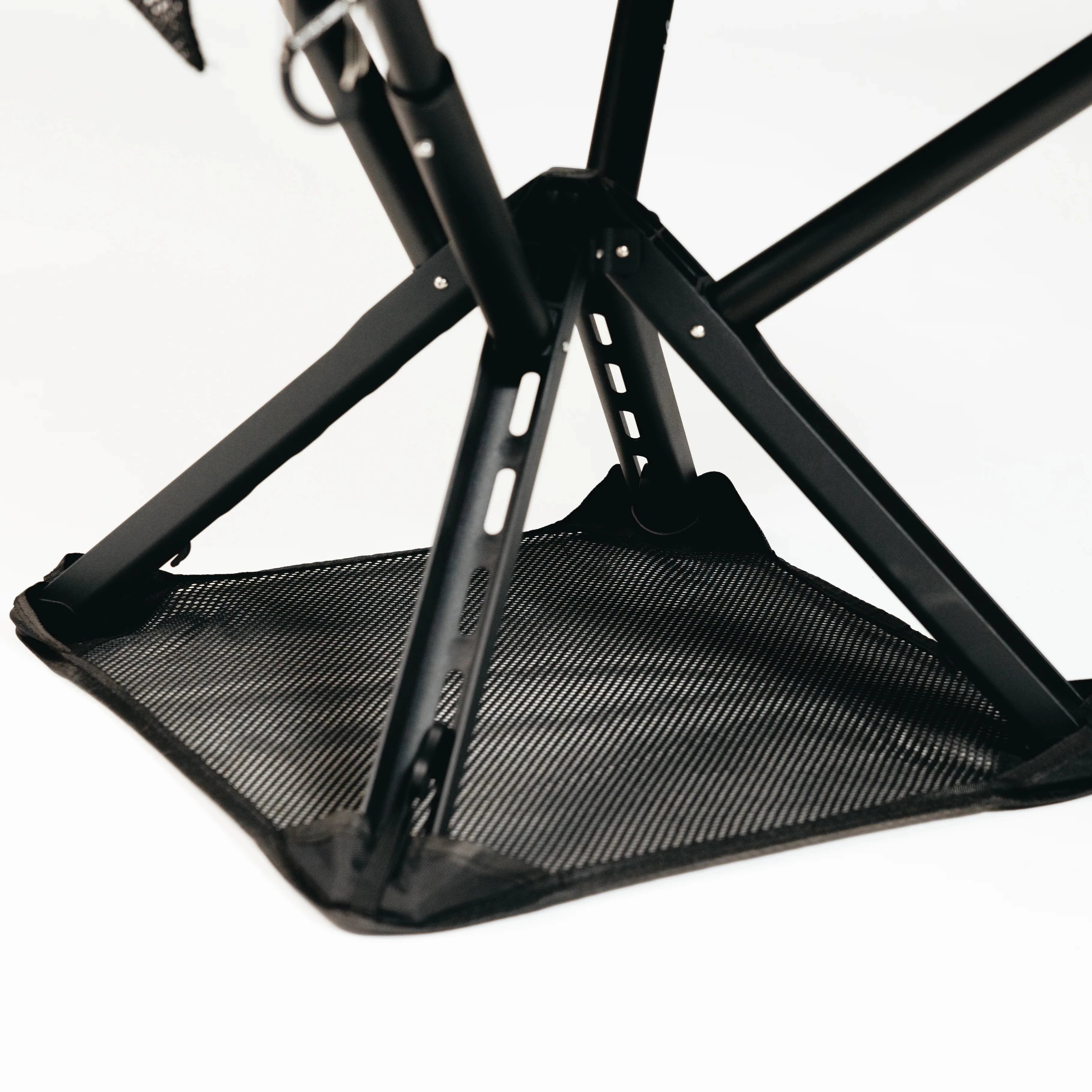
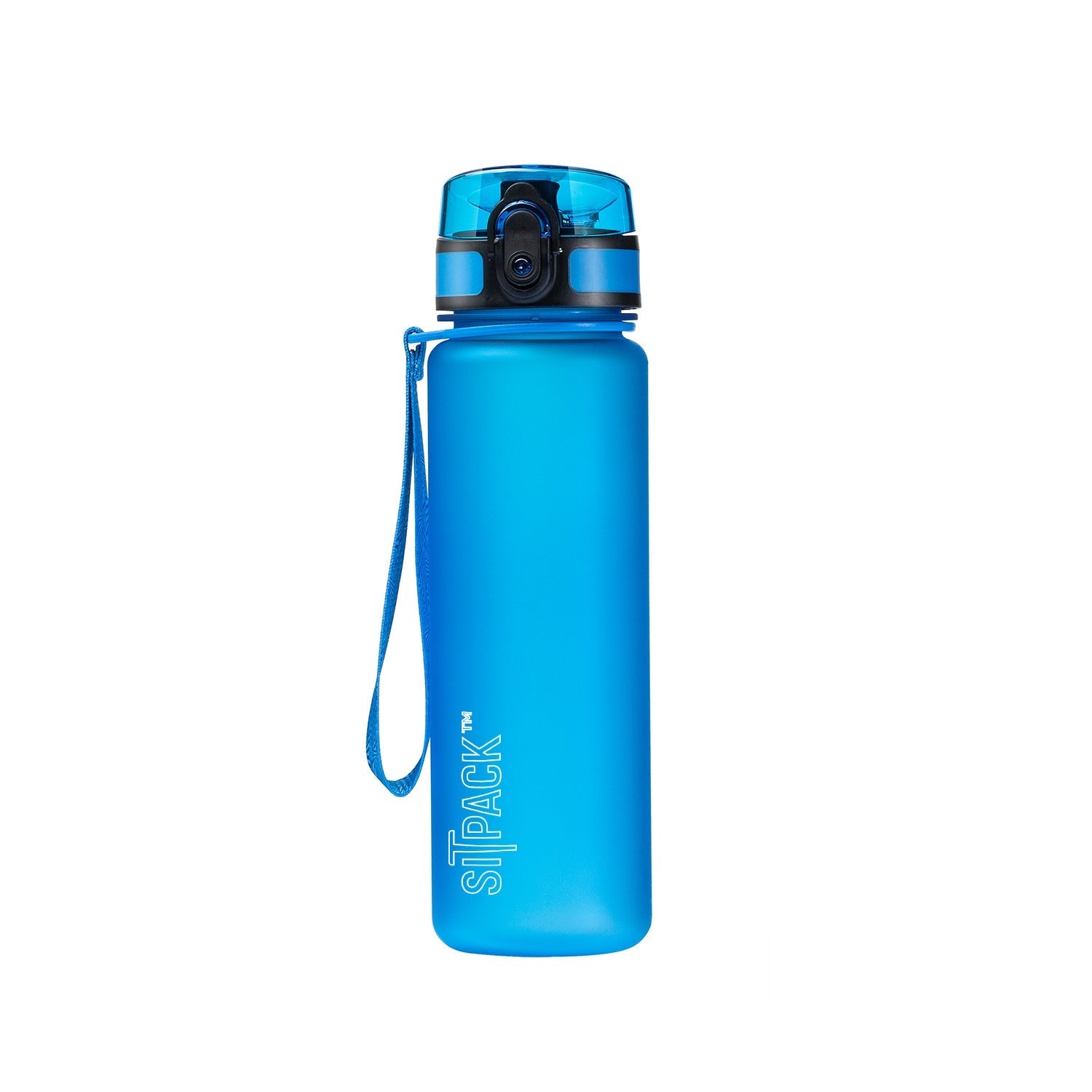
Sitpack’s flexible furniture lineup includes portable chairs, stools, and accessories designed for real adventures and real comfort. Whether you are a weekend camper, a city explorer, or someone who just wants a better balcony experience, there is a Sitpack solution sized for your life. Browse the full collection and find the piece that fits your outdoor story.
Flexible outdoor furniture is designed for adaptability and portability, meaning it can be moved, adjusted, or reconfigured easily to suit different activities and spaces.
Weather-resistant aluminum, high-impact plastics, and durable fabrics are top choices because they balance strength with low weight, and material quality directly affects how long your furniture holds up outdoors.
Yes, provided you choose products with weather-resistant materials and store them properly during harsh conditions, since proper material selection is what enables furniture to handle varied outdoor environments.
Modular furniture lets you reconfigure layouts to match different spaces and group sizes, so one set of pieces can handle a solo balcony evening or a group gathering with equal ease.
Clean and dry your furniture thoroughly before storing it, and prioritize pieces with UV and rust resistance to dramatically extend their usable lifespan.