Vogn
0
Tilmeld dig og få 10% i rabat på din ordre
Forventet levering
1-3 dage
Du vil måske også kunne lide
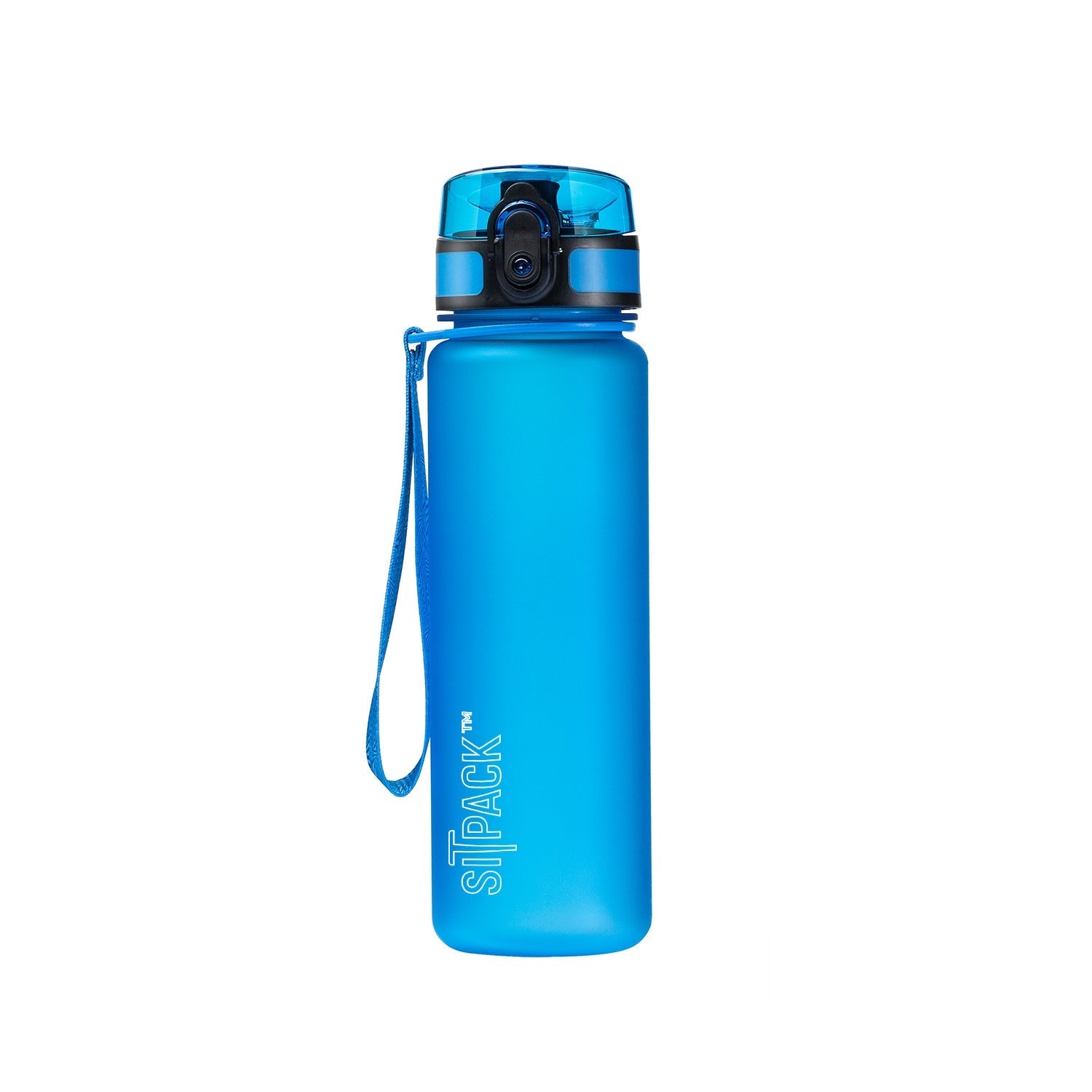
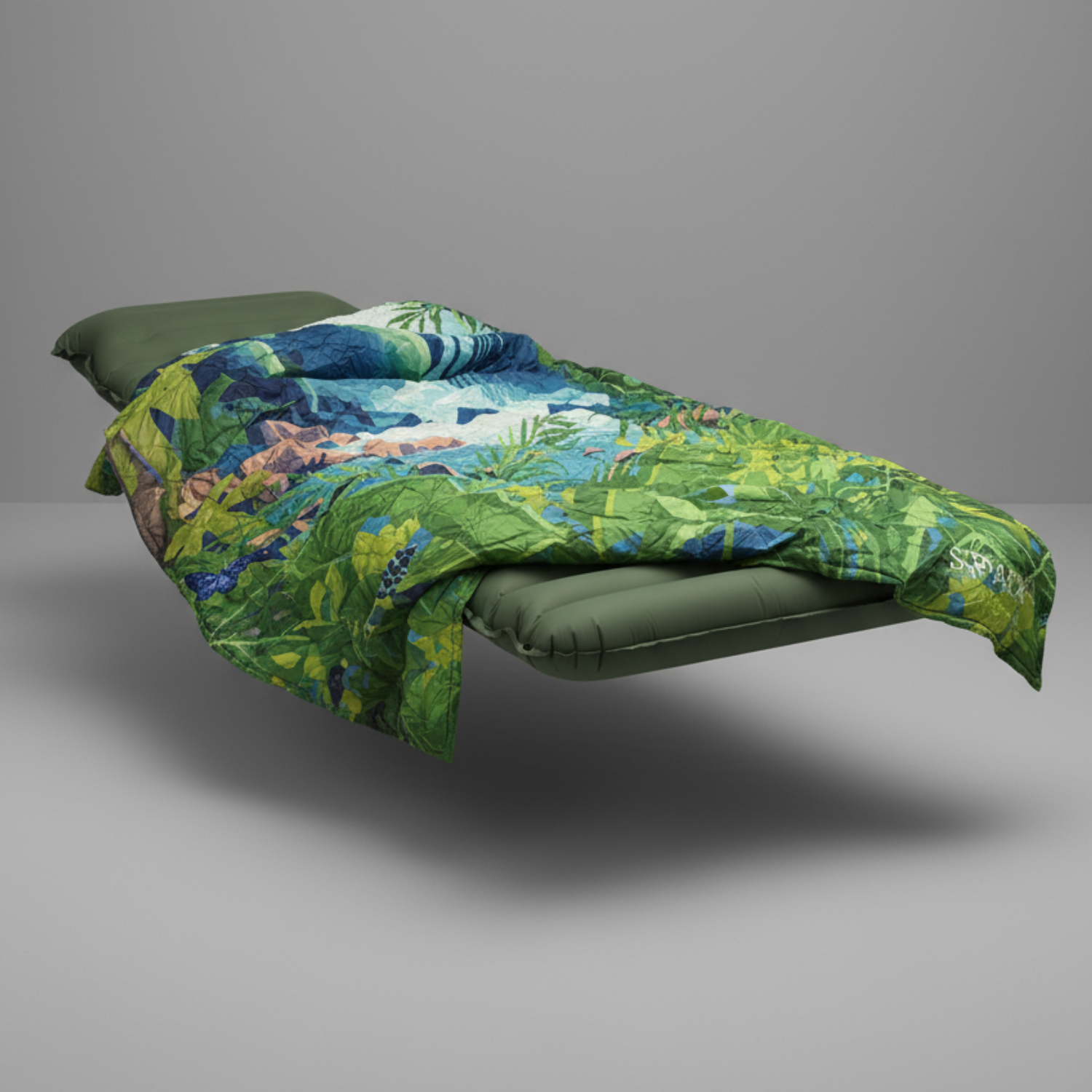
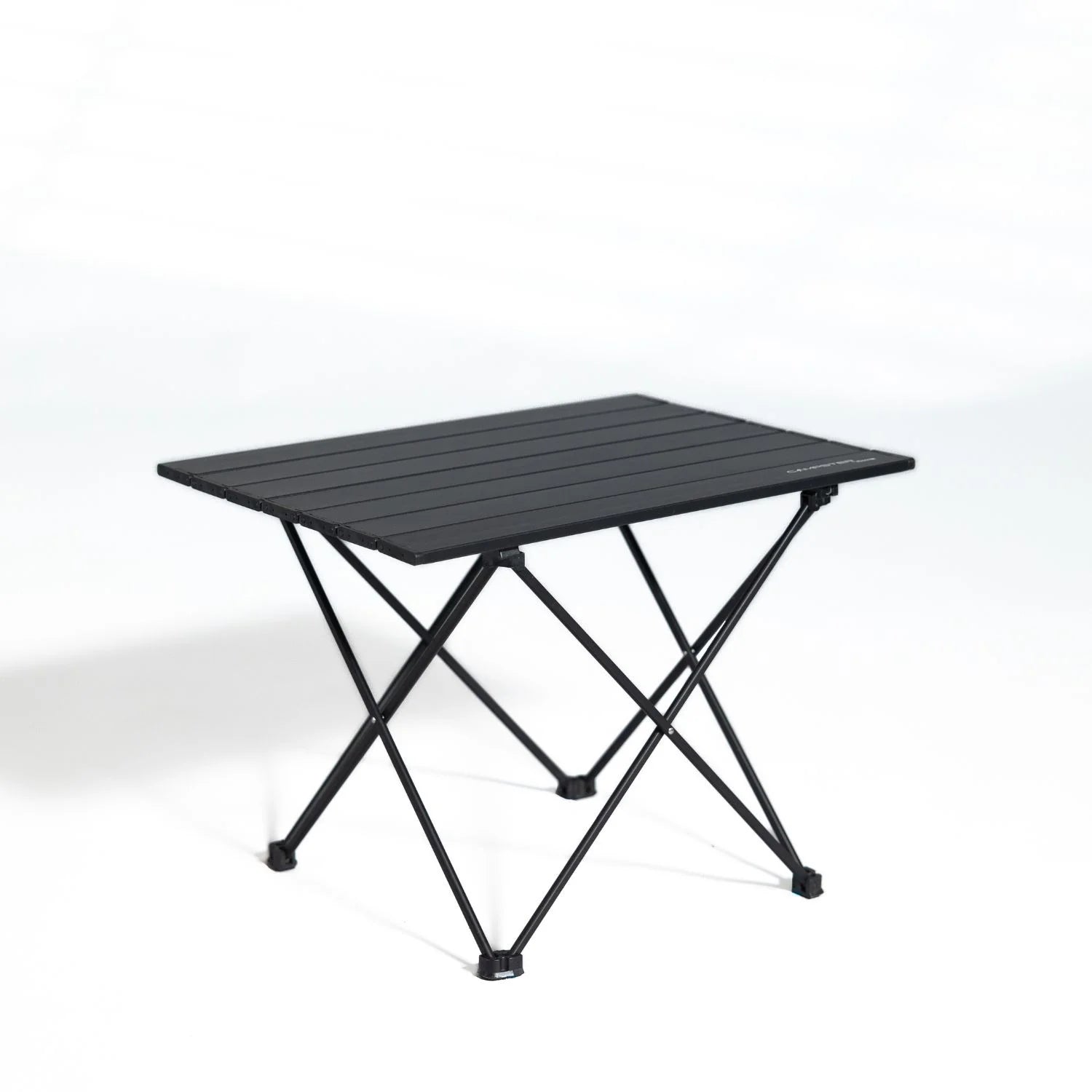
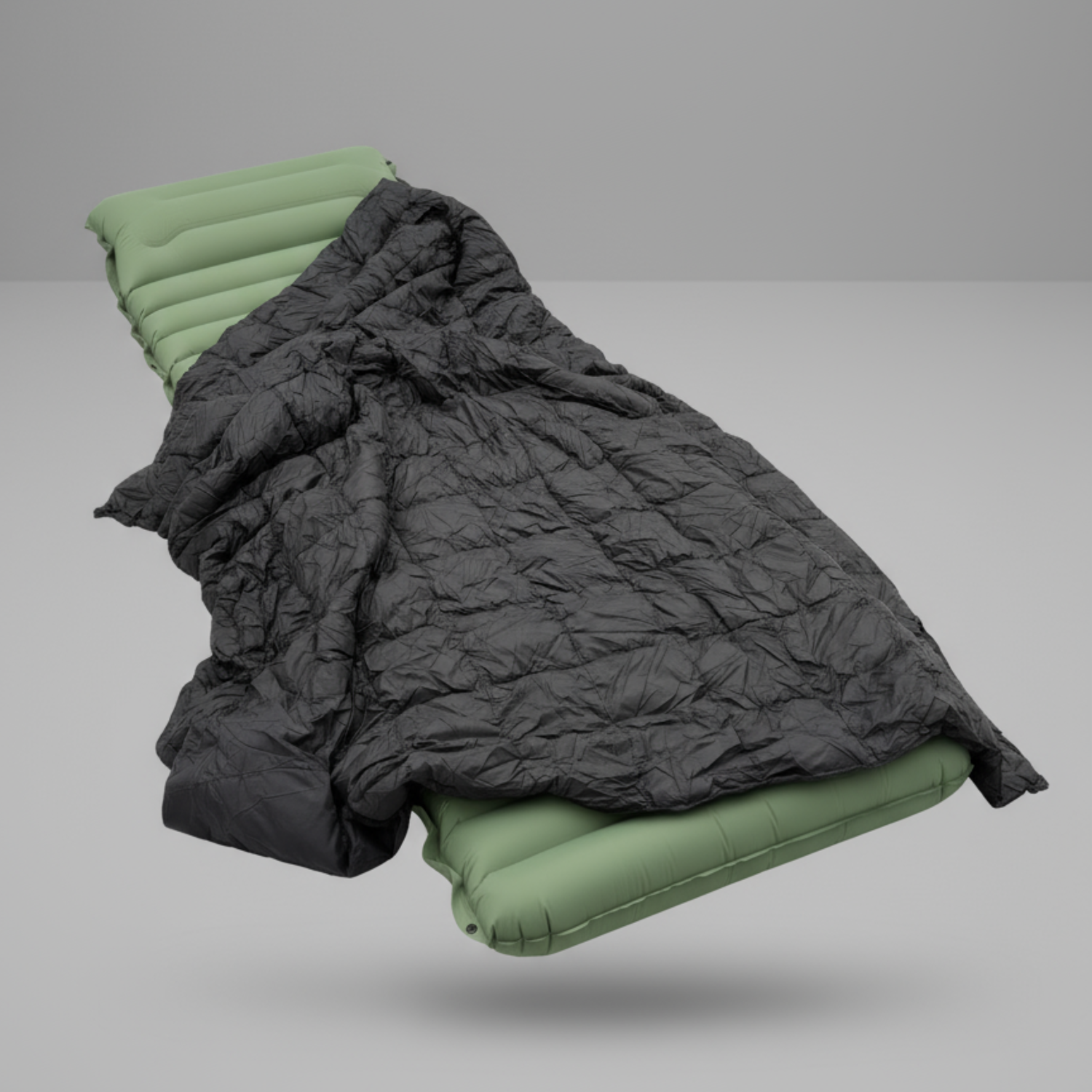


Dansk Firma

Yes, investing in quality outdoor gear is worth it, because it reduces safety risk, increases comfort, and lowers your cost per use over time. The math almost always favors the pricier item once you factor in replacements, repairs, and the trips a cheap product quietly talks you out of taking. The sections below break down where to spend first and how to tell real quality from a marketing sticker.
TL;DR:
- Investing in durable gear like tents, sleeping systems, and footwear reduces replacement frequency and safety concerns, ultimately lowering long-term costs.
- Prioritize high-quality shelter, sleep systems, and outer layers where failure directly affects safety or comfort during difficult conditions.
- Check technical specifications such as fabric denier above 200D and waterproofing ratings over 1,500mm to verify true durability and waterproofness.
- Repairability, warranties, and brand reputation for innovation signal gear designed for longevity and ease of maintenance.
- Focusing budget on safety-critical equipment and choosing mid-range accessories can optimize overall outdoor gear investment value.
Durability is the whole argument in miniature. Premium fabrics, reinforced stitching, and better hardware mean a tent, pack, or jacket survives seasons of abrasion, UV exposure, and rough packing that would shred a bargain equivalent within a year or two. That’s not marketing fluff. It’s why brands like KUIU built entire businesses around ultralight, high-performance gear that hunters and backpackers keep buying even at a premium price point.
Safety follows directly from durability. A zipper that fails on a $60 rain shell is an inconvenience at home and a real problem at 9,000 feet in a squall. Premium gear reduces failure rates in exactly the conditions where failure hurts most: wind, cold, wet, and altitude.
Comfort and performance matter more than most buyers admit before a trip. A pack with a properly engineered suspension, or a sleeping pad that actually insulates, changes how your body feels on day three of a trek, not just day one.
Century-old brands like Rite in the Rain built their reputation on gear that survives field abuse, and that longevity is measurable. The outdoor recreation economy topped $1.3 trillion in recent government data, a figure that includes plenty of repeat purchases from gear that wore out too fast the first time.
Not every item deserves top-shelf spending. Prioritize based on what actually fails and what failure costs you in safety or a ruined trip.
Pro Tip: Spend mid-range on accessories you use occasionally, and save your budget for anything that touches your safety or your sleep. That single rule solves most gear budget arguments before they start.
Marketing copy calls everything “durable” and “premium.” Specs and construction details tell you what’s actually true.
Check the technical numbers first. Denier ratings above 200D generally signal tougher fabric for packs and tent floors. Hydrostatic head above 1,500mm indicates real waterproofing rather than a light coating that fails after a season. Insulation type matters too: down performs better warmth-for-weight but loses insulating power when wet, while synthetic fill holds up better in damp climates.
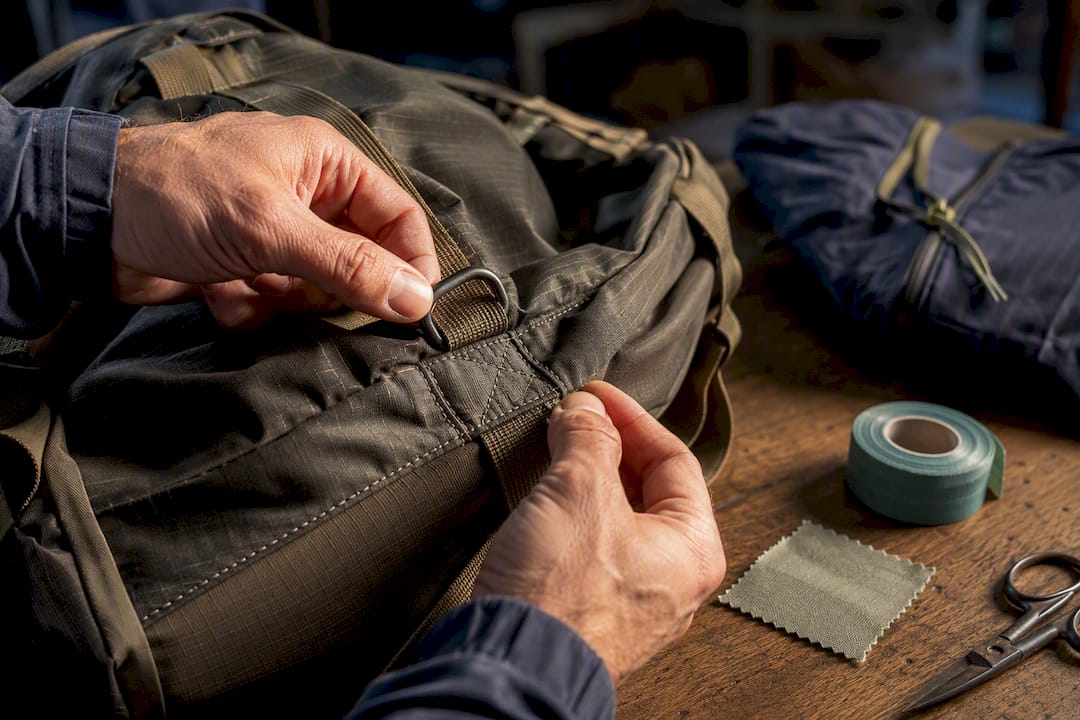
Then look at construction. Bar-tacked stress points, double-stitched seams, and YKK or similarly rated zippers all outlast single-stitched, no-name hardware by a wide margin.
Brand investment activity is itself a signal. When established names like Mammut change hands, it’s usually tied to continued investment in product innovation and technical durability, which tends to trickle down into better materials over time. Our guide to picking durable outdoor accessories walks through more of these checks in detail.
Cost per use is purchase price divided by expected number of uses, and it’s the only honest way to compare a cheap item you’ll replace against a premium one you won’t.
Say a $120 budget tent lasts 20 nights before the poles bend and the seams leak, and you buy two of them over five seasons: that’s $240 for 40 nights, or $6 per night. A $450 premium tent that lasts 150 nights works out to $3 per night, before resale value even enters the picture.
| Scenario | Total Spend | Expected Nights | Cost Per Night |
|---|---|---|---|
| Budget tent (replaced once) | $240 | 40 | $6 per night |
| Premium tent (single purchase) | $450 | 150 | $3 per night |
Resale adds another layer. Well-maintained premium tents and bags routinely resell for a meaningful share of their original price, which lowers the effective cost per use even further once you account for what you get back.
Care habits often matter more than the initial purchase price. A premium jacket neglected for years underperforms a budget one that’s been cleaned and stored correctly.
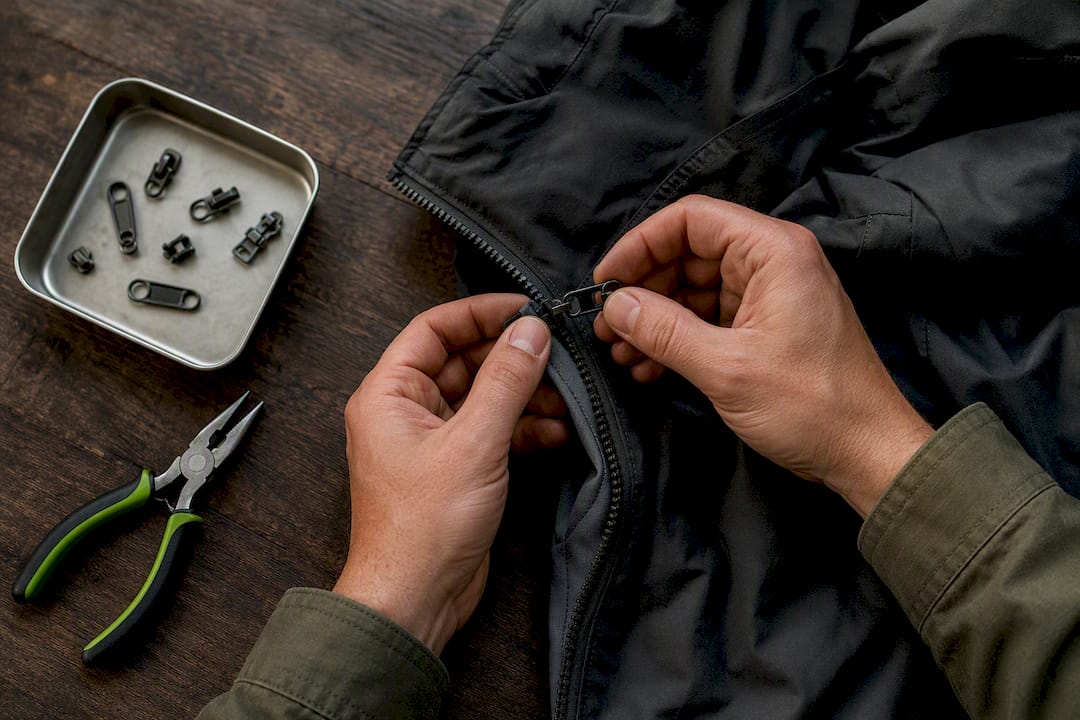
Pro Tip: Small friction points, like a zipper that sticks or a strap that slips, are what actually stop people from using gear again. Fixing those cheap annoyances early often does more for your gear’s lifespan than any single upgrade.
Modular parts and manufacturer repair programs can add years to a product’s life, which is the real hidden lever in lifetime cost. A pole replacement or a re-zip costs a fraction of a new purchase.
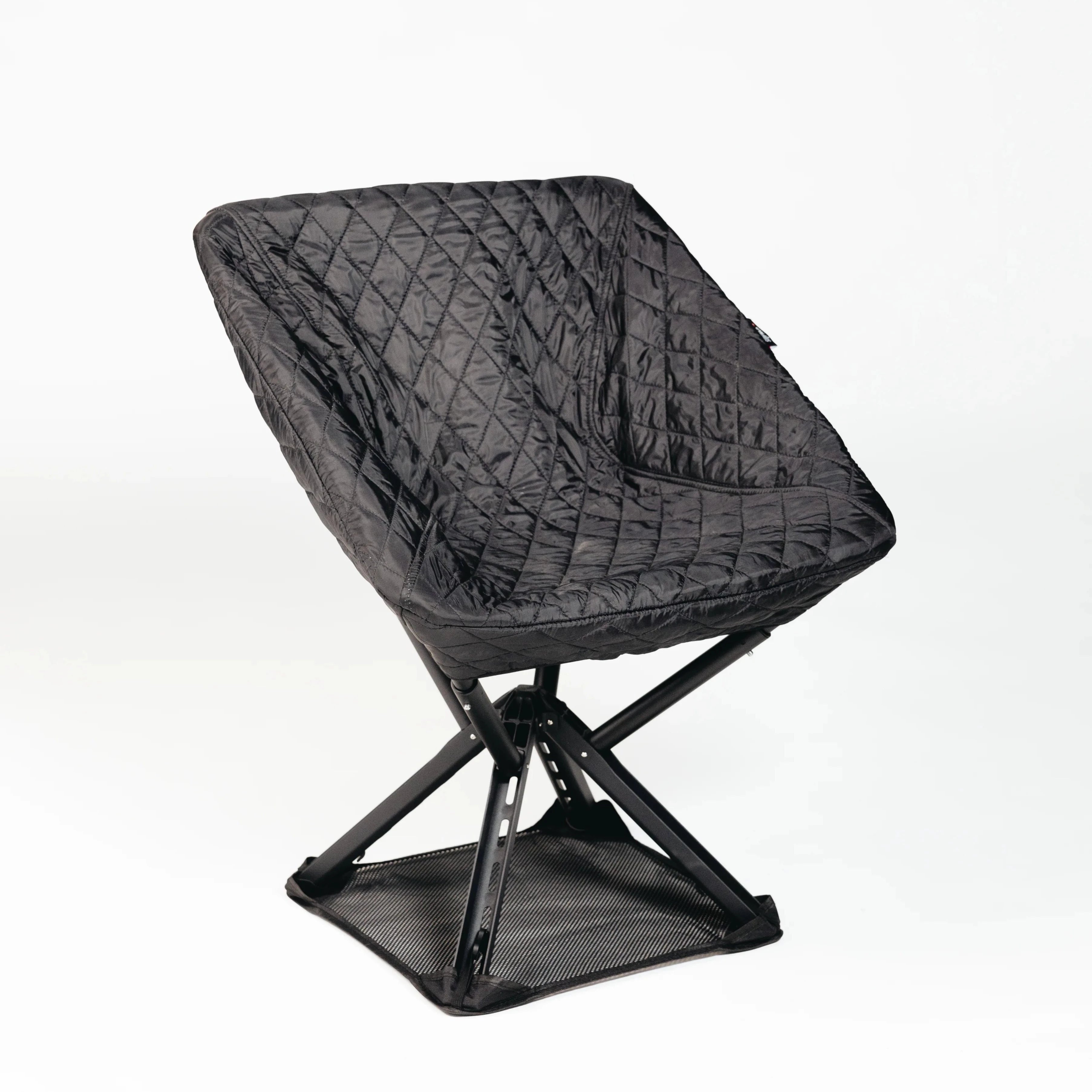
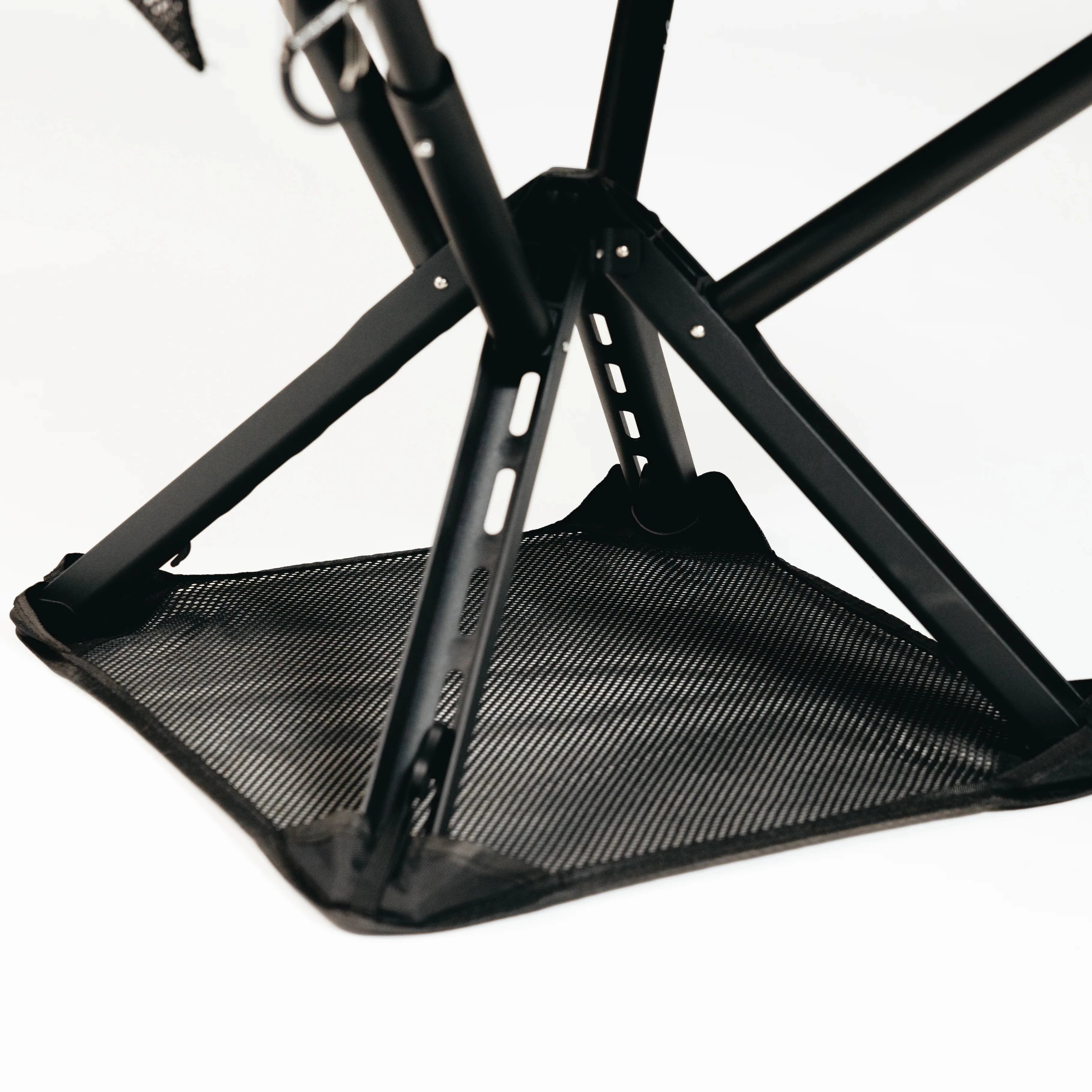
Portable seating faces the same durability test as tents and packs: hinges, fabric, and frames all take repeated stress in the field. Sitpack builds its chairs and stools around that reality, backing products with warranties, eco-conscious materials, and a satisfaction guarantee that reflects confidence in how the gear holds up. Customer feedback suggests the construction matches the promise. For more on evaluating fit and comfort in portable gear, see our piece on ergonomic camping equipment.
Most gear advice defaults to “buy the best you can afford,” which isn’t wrong so much as unhelpful. The research here points somewhere more specific: spend where failure has consequences, and stay mid-range everywhere else. A $200 water bottle upgrade is vanity spending. A $200 upgrade on your sleep system, on the other hand, changes whether you sleep at all.
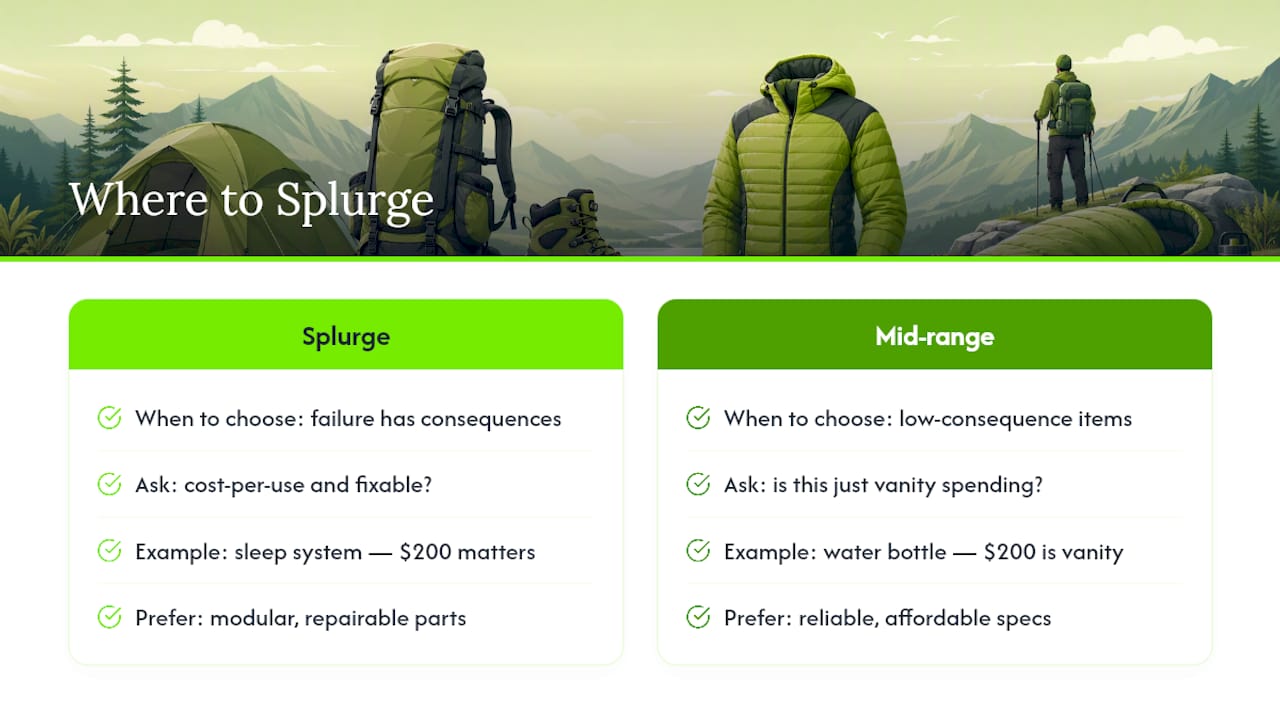
Conventional buying guides also underweight repairability. A warranty is only as good as the process behind it, and modular parts matter more over a five-year horizon than almost any single spec on a hangtag. Readers should stop asking “is this the best gear” and start asking “what’s the cost per use, and can I fix it when it breaks.” That reframes the whole purchase.
Portable seating is a useful test case precisely because it seems low-stakes. But a chair that collapses on trip three, or a hinge that seizes in the cold, teaches the same lesson as a blown tent pole: cheap failure points erase whatever you saved upfront.
— Jonas
If the math above convinced you to think in cost-per-use rather than sticker price, the same logic applies to what you sit on in the field. Sitpack designs its portable chairs and stools around lightweight, repairable construction, backed by warranties and a guarantee that lets you test the fit before committing.
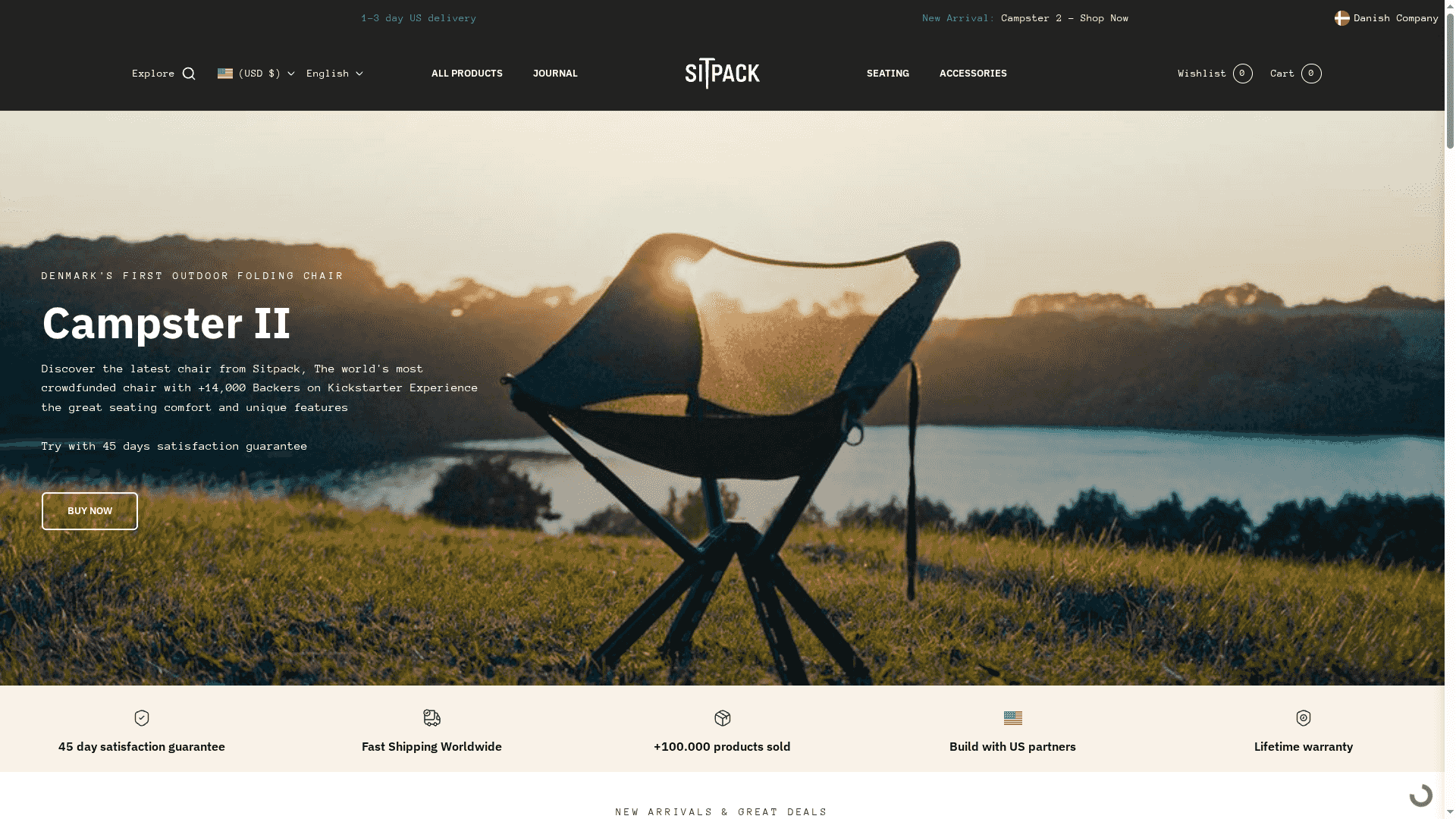
Whether you’re outfitting a basecamp, a festival kit, or a daily commute setup, browsing Sitpack’s full lineup is a practical next step, and our guide to choosing outdoor accessories can help you prioritize what to add first. For readers weighing pack fit alongside seating, this travel backpack guide is worth a look too. Start with one durable piece, see how it holds up, and build from there.