Cart
0
Sign up and get 10$ off your order
Expected delivery
1-3 days
You may also like


Danish Company


TL;DR:
- Warm minimalism dominates 2025 interior design by combining natural textures and earthy tones for cozy small spaces. Multifunctional and curved furniture solutions improve storage and traffic flow, making small rooms feel larger and more welcoming. Prioritizing quality, simplicity, and intentionality creates comfortable, efficient living environments.
Compact furniture trends 2025 are defined by warm minimalism: a design philosophy that pairs emotional comfort with smart space efficiency. This is not the cold, sterile minimalism of the 2010s. The dominant approach now layers natural textures, earthy tones, and multifunctional pieces to create homes that feel genuinely cozy, not just tidy. Warm minimalism leads 85% of contemporary design discussions in compact furniture. That statistic tells you where the industry’s energy is going. Curved silhouettes, modular storage, and tactile fabrics like boucle are the tools doing the heavy lifting in small apartments and rental homes across the country.
Warm minimalism is the dominant aesthetic in 2025 interior design, and it is a direct reaction to the chilly, all-white interiors that defined the previous decade. Where cold minimalism stripped rooms down to bare geometry, warm minimalism adds back texture, warmth, and a sense of lived-in comfort. The goal is a room that feels calm without feeling empty.
The Japandi style is the clearest example of this shift. Japandi blends Japanese wabi-sabi philosophy with Scandinavian hygge sensibility, producing interiors that are spare but never stark. You get clean lines paired with linen cushions, matte wood finishes, and soft lighting. Furniture trends include tactile textures and warm neutral interiors to create relaxing small homes. That combination matters because compact spaces can easily feel clinical or cramped without the right material choices.
Key characteristics of warm minimalism in compact furniture include:
Pro Tip: When shopping for compact pieces in a warm minimalist style, hold the fabric swatch against your wall color in natural daylight. Artificial store lighting makes earthy tones look muddy, and you want to see the real relationship before committing.
The emotional payoff is real. Wellness-focused small home design prioritizes tactile comfort with soft textiles to create emotional anchors within compact spaces. A boucle armchair in the corner of a studio apartment does more psychological work than its square footage suggests.
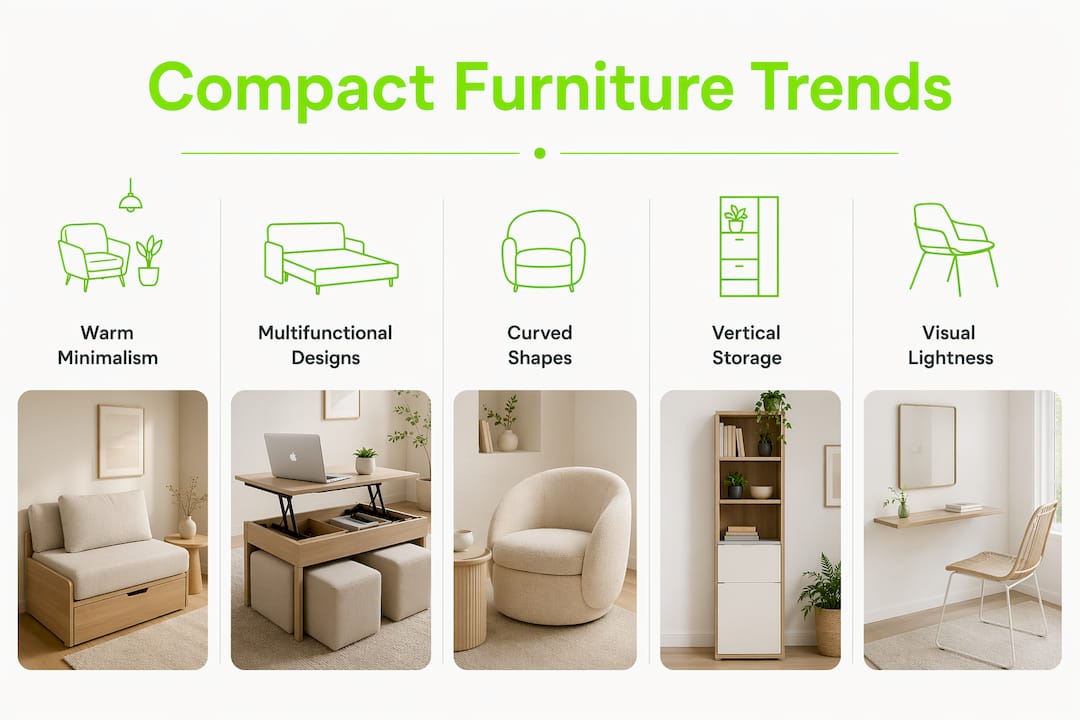
Multifunctional furniture is the workhorse of space-saving design, and the 2025 generation of these pieces is genuinely impressive. The category has moved well beyond the clunky sofa bed of the 1990s. Today’s options are precise, attractive, and built for daily use without compromise.
The most effective multifunctional pieces in 2025 include:
Multifunctional furniture innovations improve storage efficiency by up to 300% compared to single-purpose pieces. That figure reflects the cumulative gain across an entire small apartment, not just one item. The practical implication is that a 400-square-foot studio furnished with multifunctional pieces can function like a much larger home.
Pro Tip: Before buying any multifunctional piece, run through your actual daily routine with it. Open the desk, lift the coffee table, pull out the storage drawer. If any motion feels awkward in the showroom, it will feel worse at 7:00 AM on a Tuesday.

Modular furniture deserves special attention here. Modular systems let you add, remove, or rearrange components without replacing the whole set. A modular sofa can shrink for a studio and expand for a two-bedroom. That adaptability makes it one of the best long-term investments in versatile furniture solutions for renters who move frequently.
Curved furniture is not just a visual trend. It solves a real problem in small rooms: the feeling of being boxed in by sharp corners. Rounded edges soften the geometry of a space and improve traffic flow, which matters enormously when you are navigating a 10-foot-wide living room.
Curved and organic silhouettes enhance traffic flow and safety, a quality recognized by design awards including the 2025 Iron A’ Furniture Design Award. That recognition signals industry consensus, not just aesthetic preference. Rounded furniture preference is directly linked to safer, more open compact spaces versus sharp-edged pieces.
The practical benefits of curved furniture in small rooms include:
A curved storage ottoman is the single most versatile piece you can add to a compact living room. It serves as a footrest, extra seating, a coffee table surface with a tray on top, and hidden storage inside. Compare that to a rectangular coffee table, which offers one function and blocks movement on four sides.
High-quality compact furniture uses transparent or thin materials to reduce visual clutter and maintain an open feel. Pair that philosophy with a curved silhouette and you get a piece that takes up physical space without making the room feel smaller.
Applying these trends effectively requires more than buying the right pieces. How you install and arrange furniture determines whether a small room feels open or chaotic.
Wall mounting done right
Wall mounting compact furniture requires reinforced backing or heavy-duty toggles, especially in plasterboard walls. Renters face a particular challenge here: most lease agreements restrict wall modifications. The solution is to use freestanding pieces that mimic the visual effect of wall mounting, or to negotiate with your landlord before installation. A foldable desk anchored into a stud is safe. One anchored into drywall alone is not.
Visual weight matters as much as physical size
Furniture with exposed legs and open frames helps maintain visible floor space, making rooms feel larger. This is the concept of “visual weight,” and it is as important as the actual footprint of a piece. A sofa with a skirted base that touches the floor visually anchors the room and makes it feel smaller. The same sofa on tapered wooden legs feels lighter and less imposing.
Go vertical
Tall, narrow vertical shelving draws the eye upward, increasing perceived ceiling height and balancing narrow floor space. A bookshelf that reaches within a foot of the ceiling uses dead space productively and makes the room feel taller. This is one of the most underused tricks in small space decor.
Pro Tip: Place your tallest furniture piece on the wall opposite the room’s entry point. Your eye travels to it first, reads the full height of the room, and registers the space as larger before you consciously process the square footage.
Here is a quick reference for choosing compact furniture by room type:
| Room | Best furniture type | Key feature to prioritize |
|---|---|---|
| Studio apartment | Storage bed + lift-top table | Vertical storage capacity |
| Small living room | Curved sofa + nesting tables | Exposed legs, rounded edges |
| Home office nook | Wall-mounted foldable desk | Fold-flat depth under 2 inches |
| Compact bedroom | Tall narrow wardrobe | Vertical reach, mirrored front |
A sofa accessory like a bottle holder is a small but telling example of this philosophy in action. Adding function to existing furniture without adding footprint is exactly the kind of thinking that defines 2025 space-saving design.
The most effective compact furniture strategy in 2025 combines warm minimalism’s tactile comfort with multifunctional storage and curved silhouettes that keep small rooms feeling open and livable.
| Point | Details |
|---|---|
| Warm minimalism dominates | Natural textures, earthy tones, and boucle fabrics define the 2025 aesthetic for small spaces. |
| Multifunctional pieces multiply space | Storage beds, lift-top tables, and foldable desks can improve storage efficiency by up to 300%. |
| Curved shapes improve flow | Rounded furniture edges enhance traffic circulation and make compact rooms feel safer and more open. |
| Visual weight beats physical size | Exposed-leg furniture and open frames make rooms feel larger regardless of actual square footage. |
| Vertical space is underused | Tall, narrow shelving draws the eye upward and reclaims dead wall space in small rooms. |
The conventional wisdom says small spaces need more storage. I think that is exactly backwards. The rooms that feel genuinely spacious are the ones where someone made hard choices about what stays and what goes. Thoughtful exclusion means simplifying each element to its essential function, avoiding over-decoration in compact rooms. Designer Alexander Gufler frames it as intentionality: every piece earns its place or it does not stay.
What I find most interesting about the 2025 direction is the wellness angle. People are not just trying to fit more into less space. They want their homes to feel good. That is a fundamentally different brief, and it changes which furniture you buy. A boucle chair that costs twice as much as a basic armchair is worth it if you actually sit in it every evening and feel better for doing so. The cheap option that you avoid because it is uncomfortable is the real waste of money and space.
The sustainability dimension is also worth taking seriously. Buying one well-made multifunctional piece instead of three single-purpose ones reduces both spending and waste over time. The portable seating trends moving through the outdoor furniture market reflect the same logic: fewer, better pieces that work harder and last longer. That philosophy translates directly to indoor compact living.
My honest advice is to resist the urge to furnish everything at once. Live in a space for a month before buying anything beyond the basics. You will learn exactly which functions you actually need and which ones you thought you needed but do not.
— Jonas
Compact living does not stop at your front door. The same principles that make a small apartment work beautifully, portability, modularity, and thoughtful design, apply to how you set up anywhere you go.
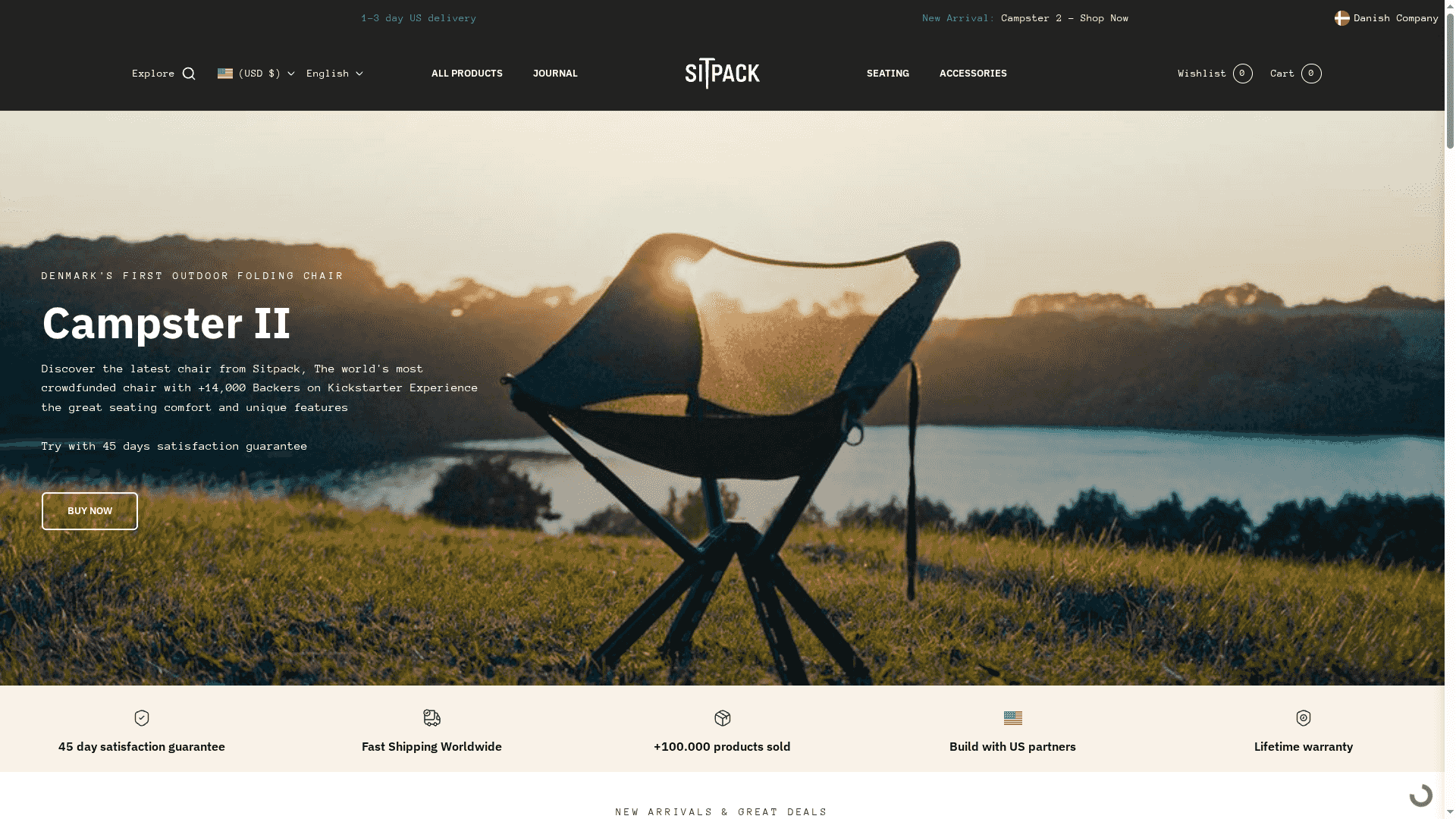
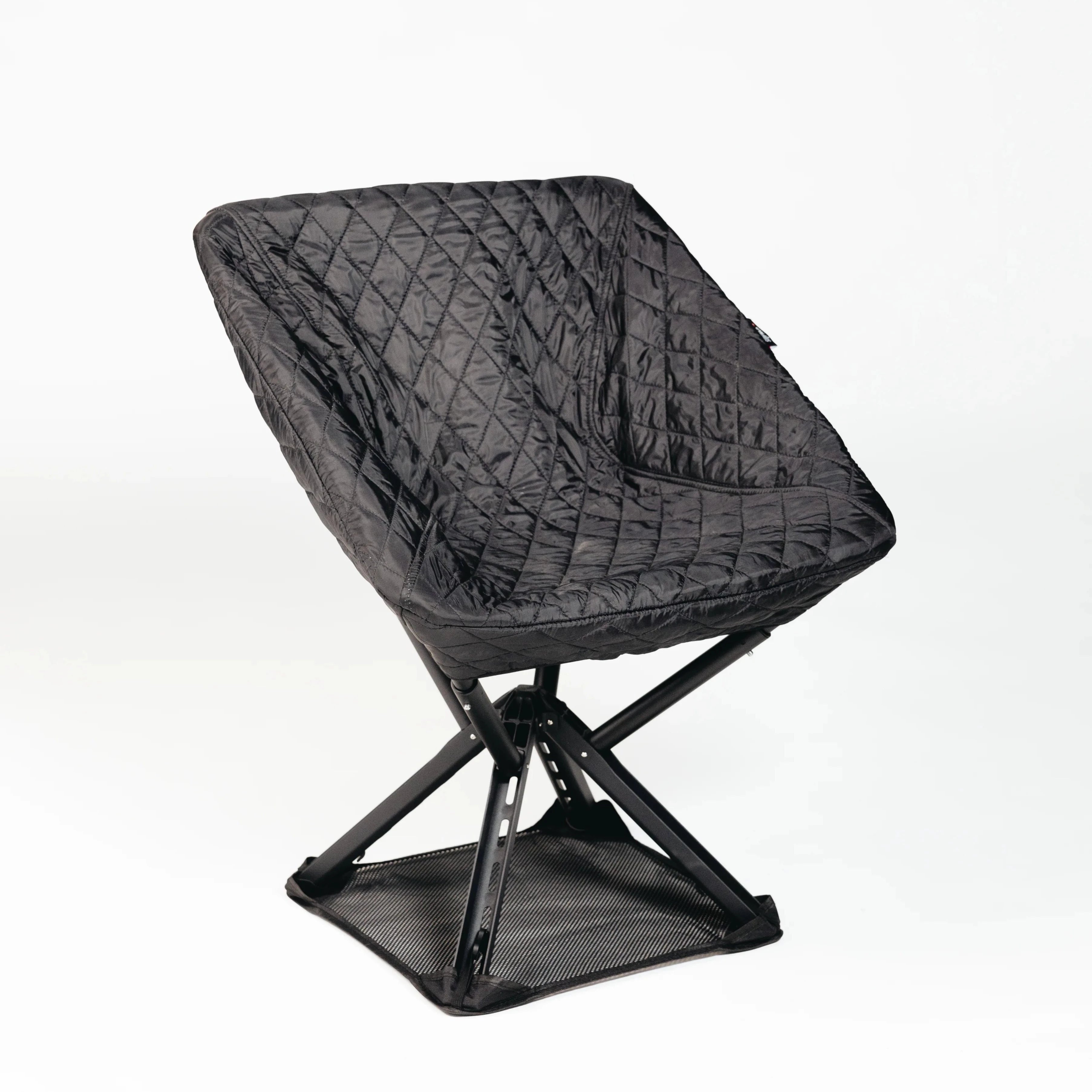
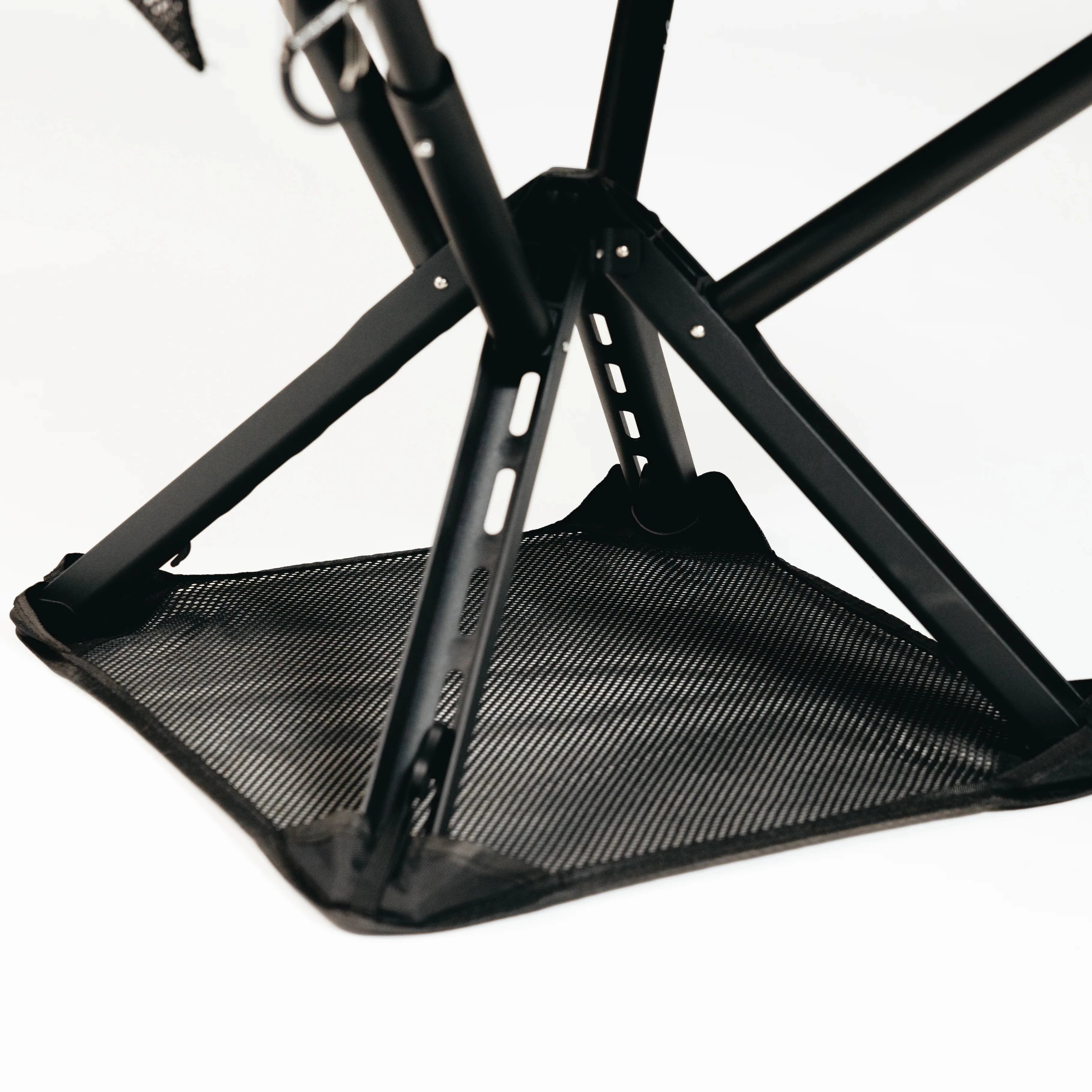
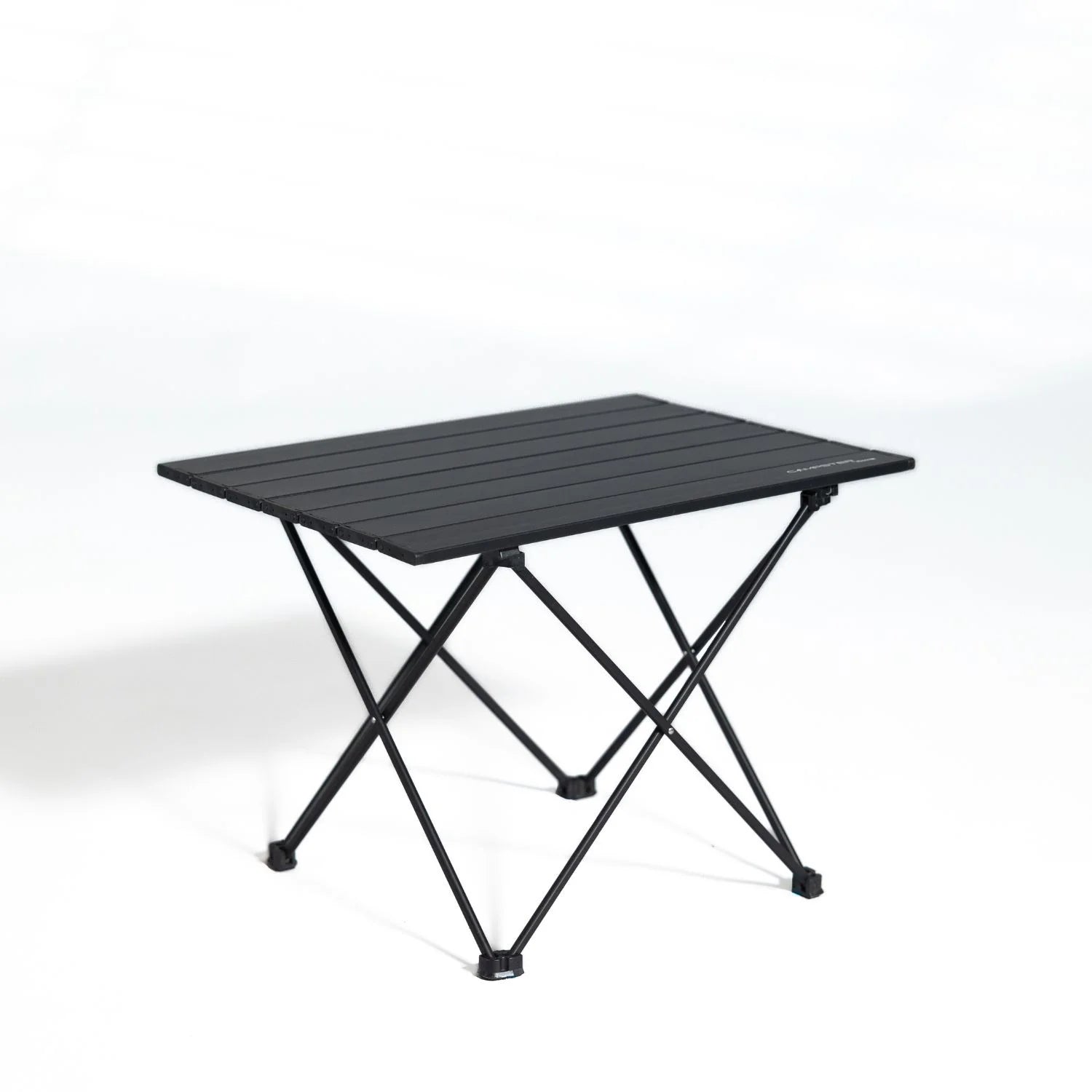
Sitpack designs portable seating built around exactly these values. The Campster II and Sitpack Zen are lightweight, foldable, and built to last, which means they take up almost no space when stored but deliver real comfort when you need them. Whether you are furnishing a compact balcony, heading to an outdoor event, or just want a seat that travels with you, Sitpack’s portable seating solutions are worth a look. The brand also covers modular travel furniture for anyone thinking beyond the living room.
Warm minimalism is a design approach that pairs clean, uncluttered spaces with natural textures, earthy colors, and soft materials like boucle or linen. It prioritizes emotional comfort alongside visual simplicity.
Multifunctional furniture innovations like foldable desks and storage beds can improve storage efficiency by up to 300% compared to single-purpose pieces. The gain depends on how many functions each piece replaces.
Curved and organic silhouettes improve traffic flow and reduce the boxed-in feeling of sharp-edged rectangular furniture. They also fit more naturally into corners and alcoves that standard pieces cannot use.
Wall mounts require reinforced backing or heavy-duty toggles, particularly in plasterboard walls. Renters should check their lease and anchor into studs rather than drywall alone.
Use furniture with exposed legs to maintain visible floor space, add tall narrow shelving to draw the eye upward, and choose curved or open-framed pieces that reduce visual bulk without reducing function.