Cart
0
Sign up and get 10$ off your order
Expected delivery
1-3 days
You may also like
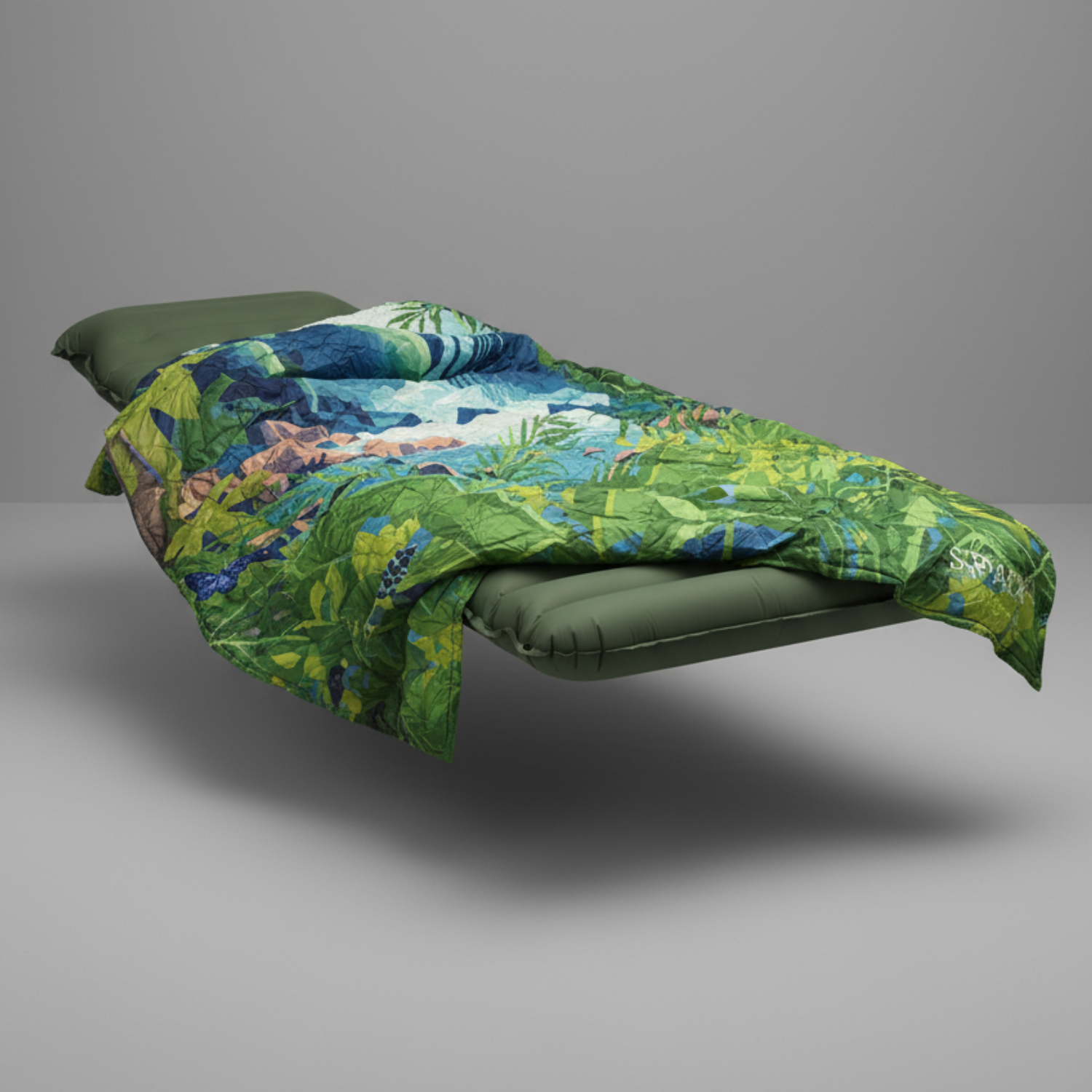
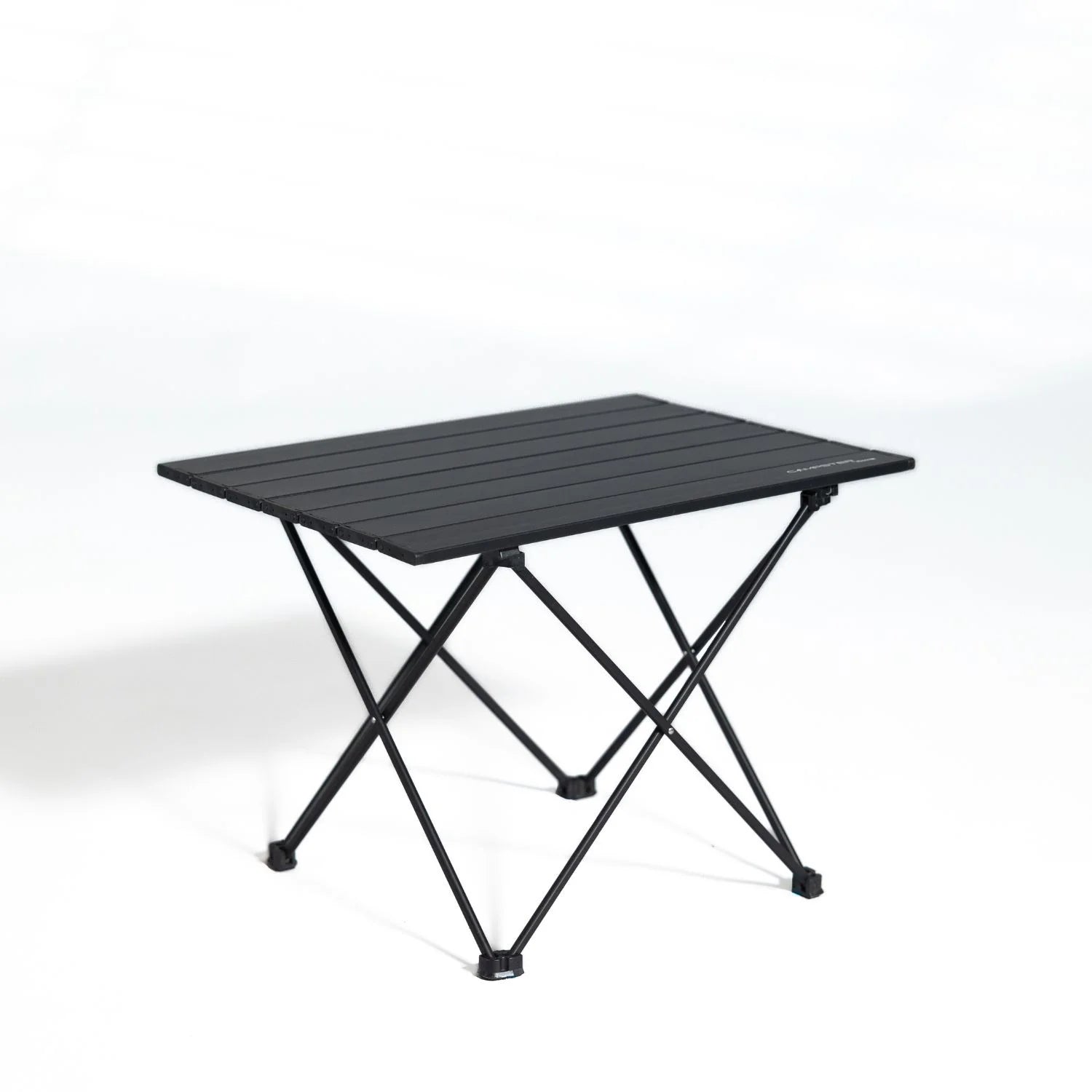
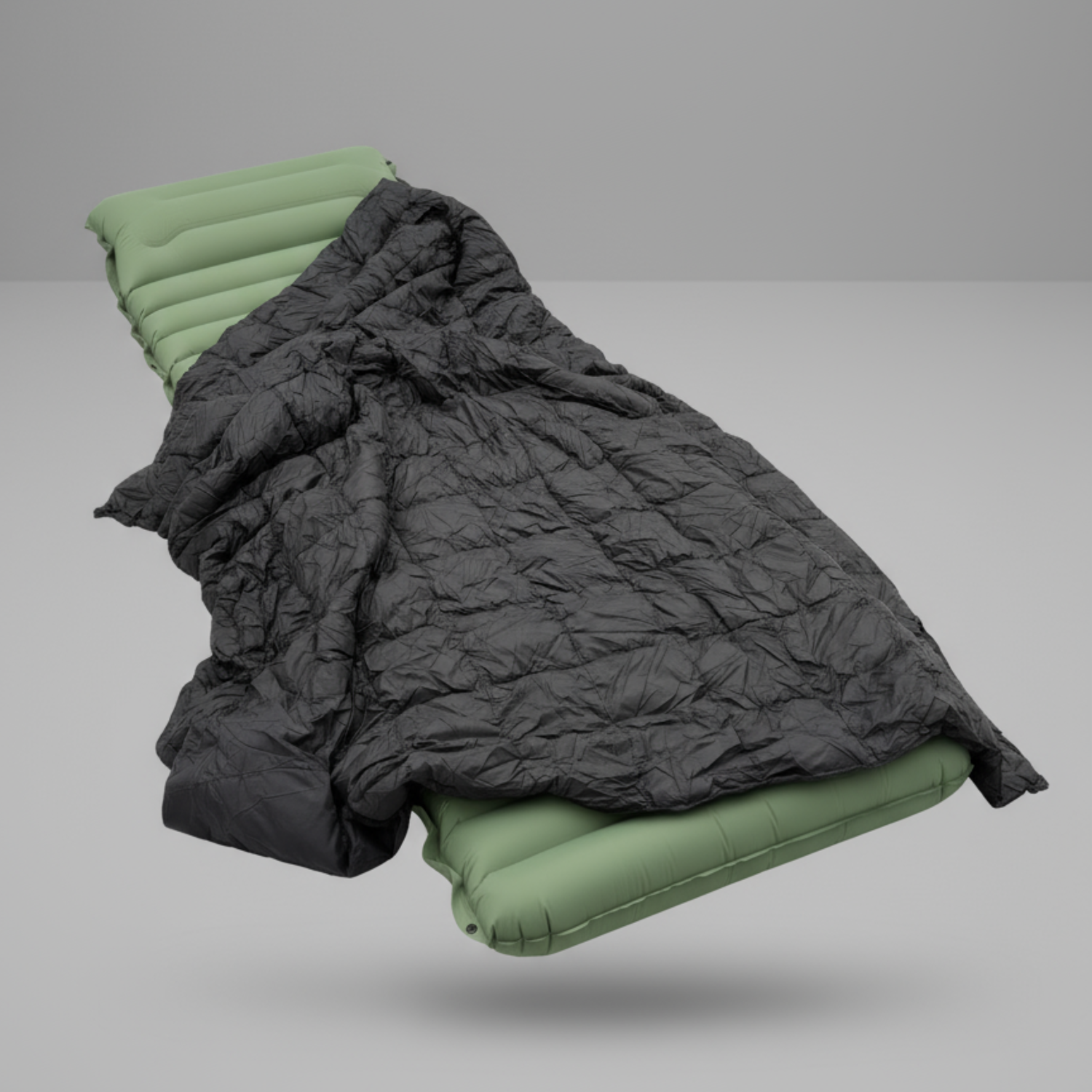
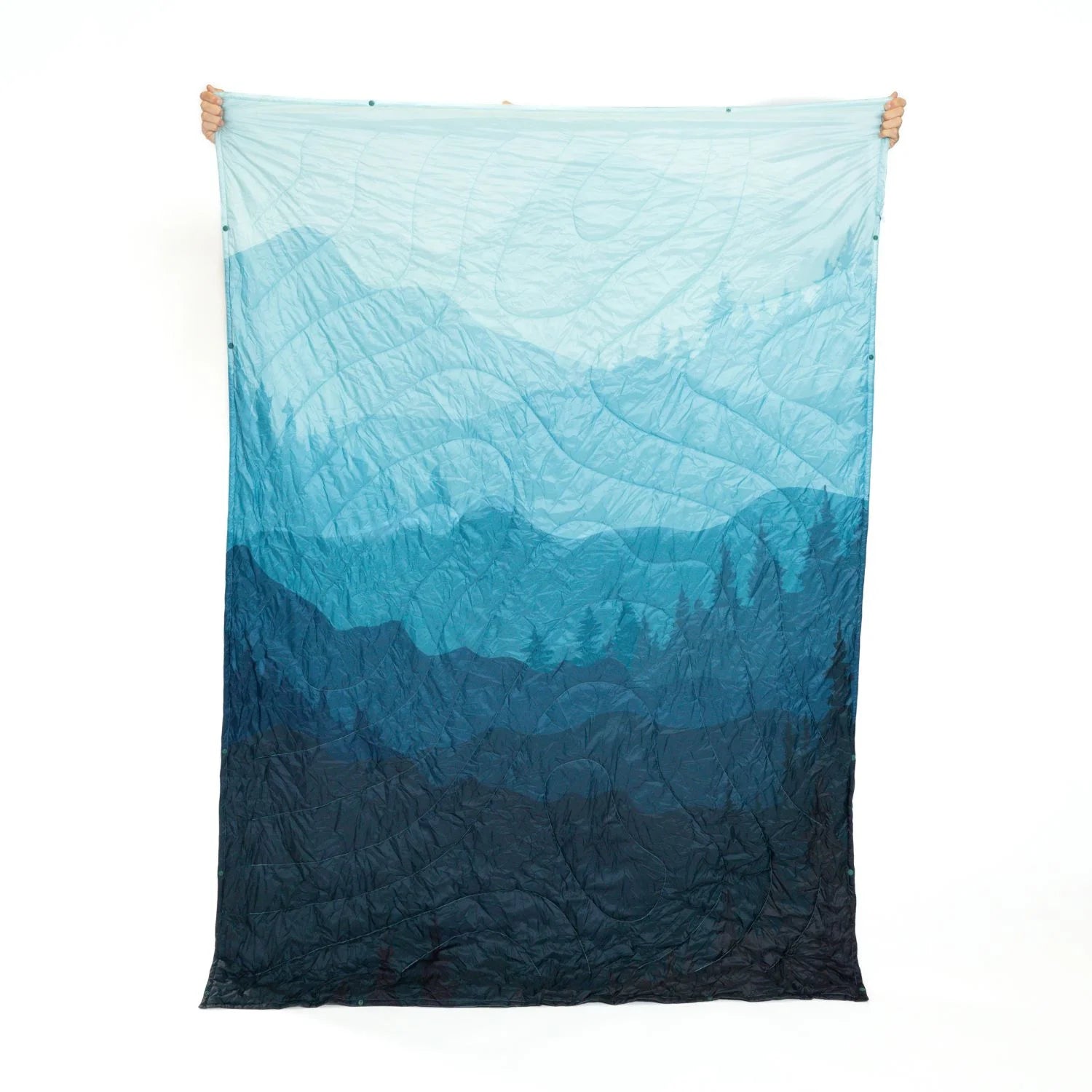


Danish Company

TL;DR:
- Investing in travel comfort improves physical health, reduces mental fatigue, and enhances overall travel enjoyment. Many travelers now prioritize convenience and stress reduction as essential for a better experience and seamless journeys.
Investing in travel comfort means prioritizing your physical and mental well-being so every trip works for you, not against you. Discomfort during travel is not just an annoyance. It drains your energy, clouds your thinking, and eats into the time you actually want to enjoy. A 2026 Barclays survey found that 68% of travelers pay for expedited security and 58% regularly use airport lounges, choosing stress reduction over traditional luxury. That shift tells you something important: travelers have figured out that comfort is an investment with a real return, not a splurge.
Physical discomfort during travel is not just unpleasant. It has measurable effects on your body that linger long after you land.
Cabin pressure on commercial flights is equivalent to an altitude of 6,000–8,000 feet. At that level, blood oxygen drops by 6–25%, causing fatigue, headaches, and mental fog. That is not a minor inconvenience. It means you can arrive at your destination already running on empty before the trip even begins.
Long-haul flights compound the problem. Eastward travel in particular disrupts circadian rhythms so severely that sleep recovery can take over a week without the right support. Neck muscle strain from poor seating posture adds to the load, making rest nearly impossible in economy class. The good news is that targeted comfort tools cut recovery time significantly.
Here are the physical comfort essentials that make the biggest difference:
Pro Tip: Pack compression socks in your personal item, not your checked bag. Put them on before boarding, not after you start feeling puffy at 35,000 feet.
Investing in these travel comfort essentials before your flight is not overthinking it. It is the difference between arriving ready to go and spending your first day horizontal.
Physical discomfort does not stay in your body. It migrates directly into your head.
Cognitive load theory explains why: when your brain is busy managing physical pain or irritation, it has fewer resources left for attention, memory, and enjoyment. Dr. Katie Blake, who has written extensively on travel psychology, puts it plainly:
“Comfort is not a luxury. It is the foundation that allows you to be fully present. Every small discomfort you tolerate is a tax on your attention, paid in the currency of your experience.”
That framing reframes the whole question of why invest in comfort during travel. You are not paying for softness. You are protecting your capacity to actually experience the places you traveled to see.
Small discomforts accumulate fast. A scratchy seat, a too-bright overhead light, a bag you cannot reach without waking your neighbor. Each one pulls a small slice of your attention away from the window view, the conversation, or the book you brought. By the time you land, you feel depleted without being able to name exactly why.
Comfort strategies that restore cognitive clarity include:
Pro Tip: Before boarding, move your comfort items, phone charger, snacks, and sleep aids into one small pouch at the top of your bag. Mid-flight rummaging is a surprisingly effective mood killer.
The best travel comfort gear solves more than one problem at once. Bulky, single-use items are the enemy of the modern traveler.
Compression packing cubes can double the usable space in a standard carry-on. Sets are available for as little as $28, down from $50, making them one of the highest-return investments in your packing kit. That extra space is not just organizational. It means you can bring the comfort items you need without checking a bag.
Here is a practical framework for building a multifunctional comfort kit:
| Gear item | Primary use | Secondary use |
|---|---|---|
| Compression packing cubes | Space saving | Organization by category |
| Leather jacket | Warmth | Light blocker, blanket |
| Foldable travel pillow | Neck support | Packing cylinder |
| In-flight pouch | Quick access to essentials | Reduces carry-on chaos |
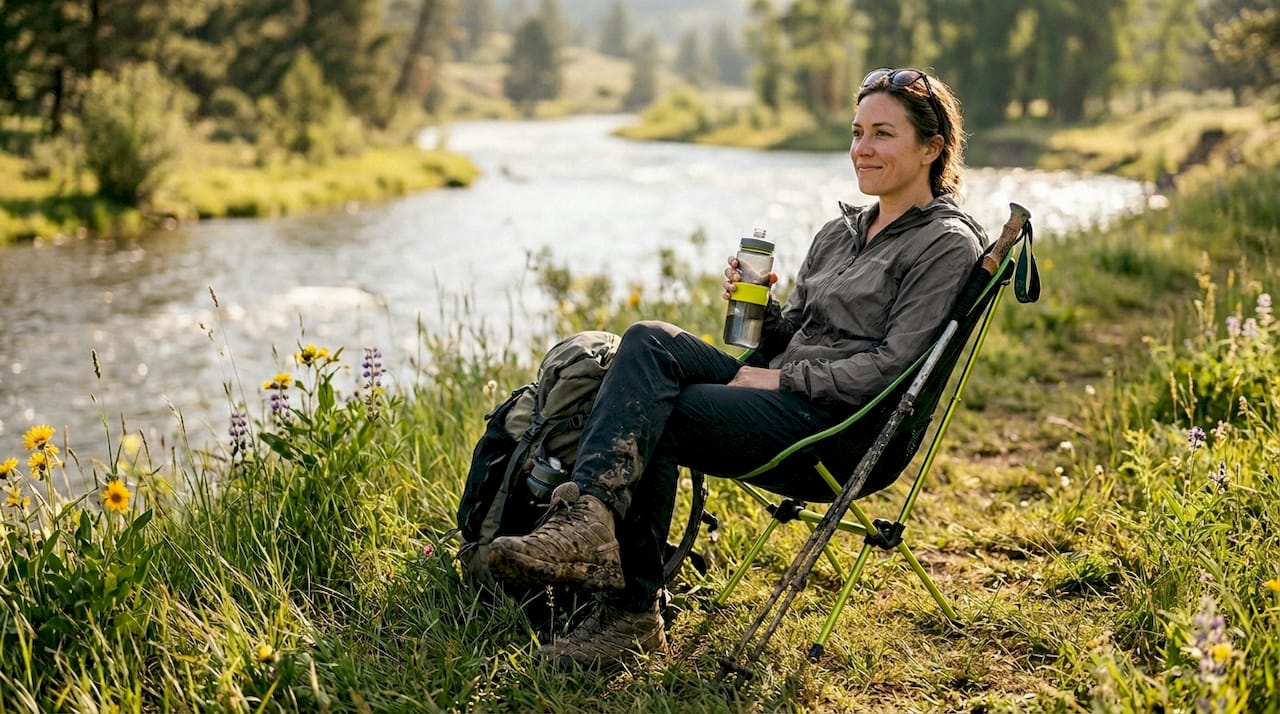
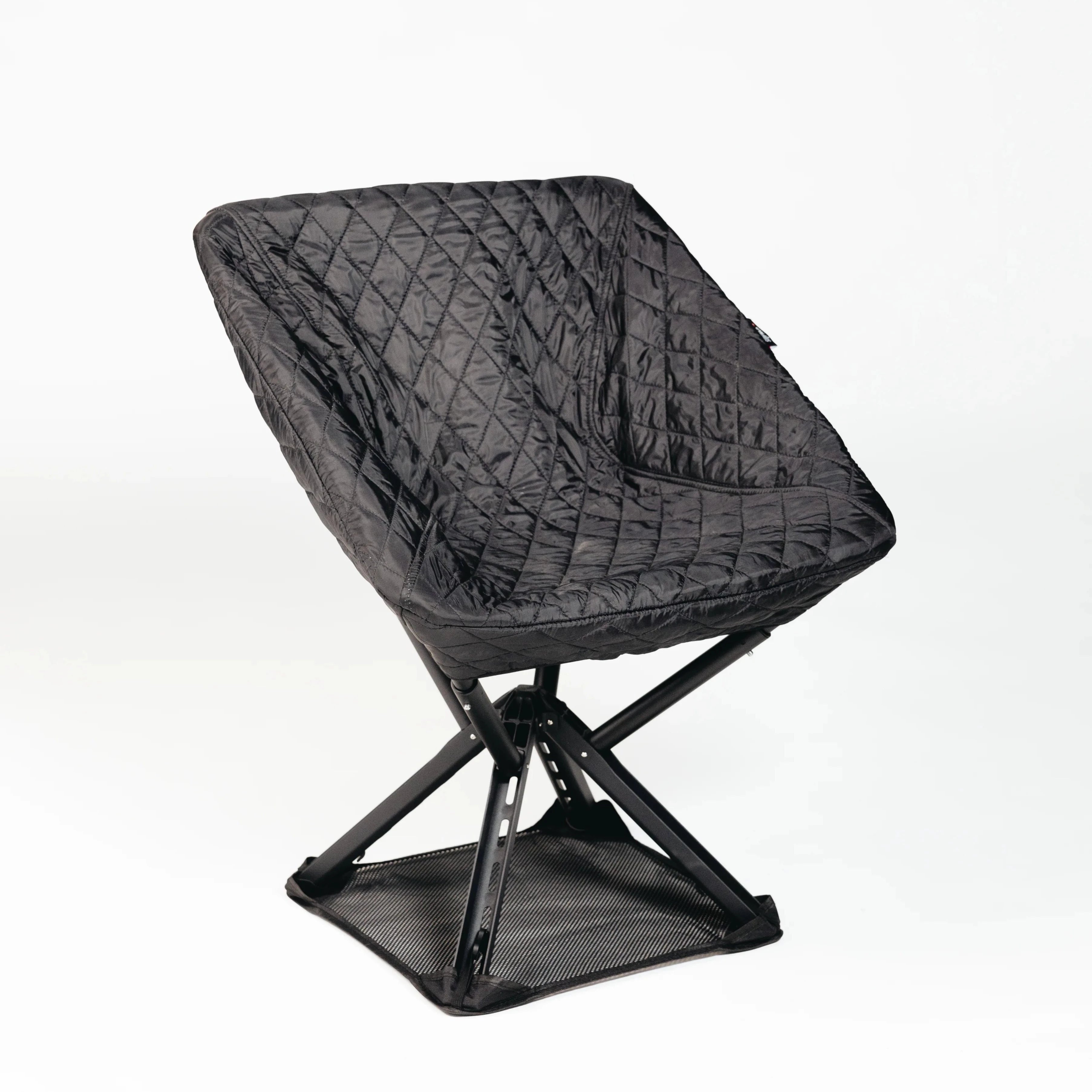
| Compact portable seat | Layover seating | Outdoor use post-flight |
Compact, multifunctional tools consistently outperform bulky single-purpose gear. The goal is maximum comfort with minimum footprint.
Pro Tip: Roll your clothes instead of folding them before placing them in compression cubes. You will fit more, and the cubes compress more evenly.
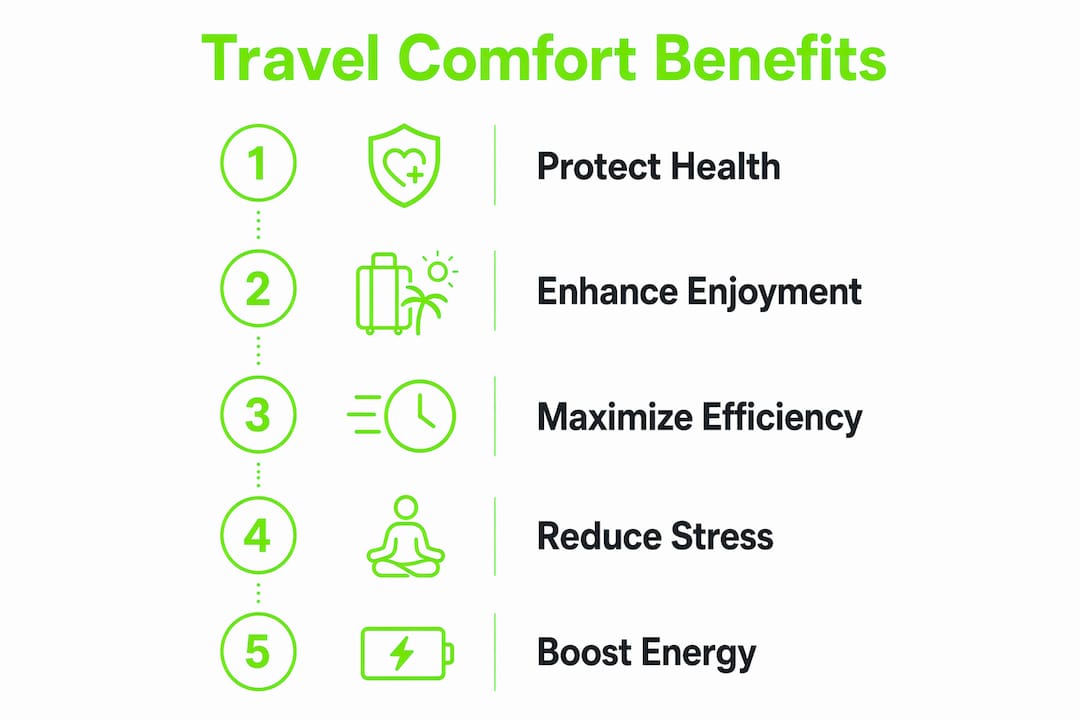
Comfort does more than protect your body and your focus. It changes how you feel about the entire trip.
Smooth travel reduces friction and decision fatigue, and that emotional margin elevates the whole experience. When you are not fighting your environment, you have mental space left over for curiosity, spontaneity, and genuine enjoyment. That is the real return on investing in travel gear.
The emotional benefits stack up in specific, concrete ways:
The 2026 Barclays survey reinforces this: 58% of travelers now rank convenience and flexibility as their top travel factors, above destination prestige or accommodation quality. Comfort has moved from afterthought to priority because travelers have experienced the difference firsthand.
Think of comfort spending as stress insurance. You are not paying for a better seat. You are paying for a better version of yourself at the destination.
Investing in travel comfort protects your physical health, preserves cognitive clarity, and directly improves how much you enjoy every trip you take.
| Point | Details |
|---|---|
| Physical health protection | Cabin pressure drops blood oxygen significantly; comfort tools like compression socks and ergonomic pillows cut recovery time. |
| Cognitive clarity | Discomfort taxes mental bandwidth; organized gear and sensory aids restore your ability to be present. |
| Packing efficiency | Compression cubes and multifunctional gear double usable space and reduce mid-flight stress. |
| Emotional margin | Reducing friction and decision fatigue leaves you more engaged, curious, and satisfied at your destination. |
| Comfort as investment | 68% of travelers now pay for stress-reducing conveniences, treating comfort as a return-generating priority. |
I used to treat comfort gear as optional extras, the kind of thing you pack if you have room after the “real” stuff. A few brutal long-haul flights cured me of that thinking pretty fast.
The turning point was a 14-hour eastward flight where I arrived so foggy and stiff that I lost my first full day just recovering in the hotel room. I had skipped the neck pillow, ignored the compression socks, and stuffed my carry-on so chaotically that finding anything mid-flight required a minor excavation. Voila: a wasted day in a city I had been excited to visit for years.
What I have learned since then is that comfort is not about softness or indulgence. It is about showing up at your destination as a functional human being rather than a crumpled, sleep-deprived version of yourself. The travelers who get this right treat their comfort kit the same way they treat their passport: non-negotiable.
The mistake most travelers make is thinking they will “just deal with it” on the plane and save their energy for the destination. But discomfort does not pause when you land. It follows you off the jet bridge and into your first day. Building a comfort toolkit tailored to your specific travel style, whether that means a foldable seat for long layovers, a leather jacket that doubles as a blanket, or simply a well-organized in-flight pouch, is one of the highest-leverage things you can do for your travel experience. Start small, refine as you go, and your future self will thank you somewhere around hour nine.
— Jonas
Comfort on the road does not have to mean heavy bags or complicated setups. Sitpack builds portable seating and travel accessories designed for travelers who want real comfort without the bulk.
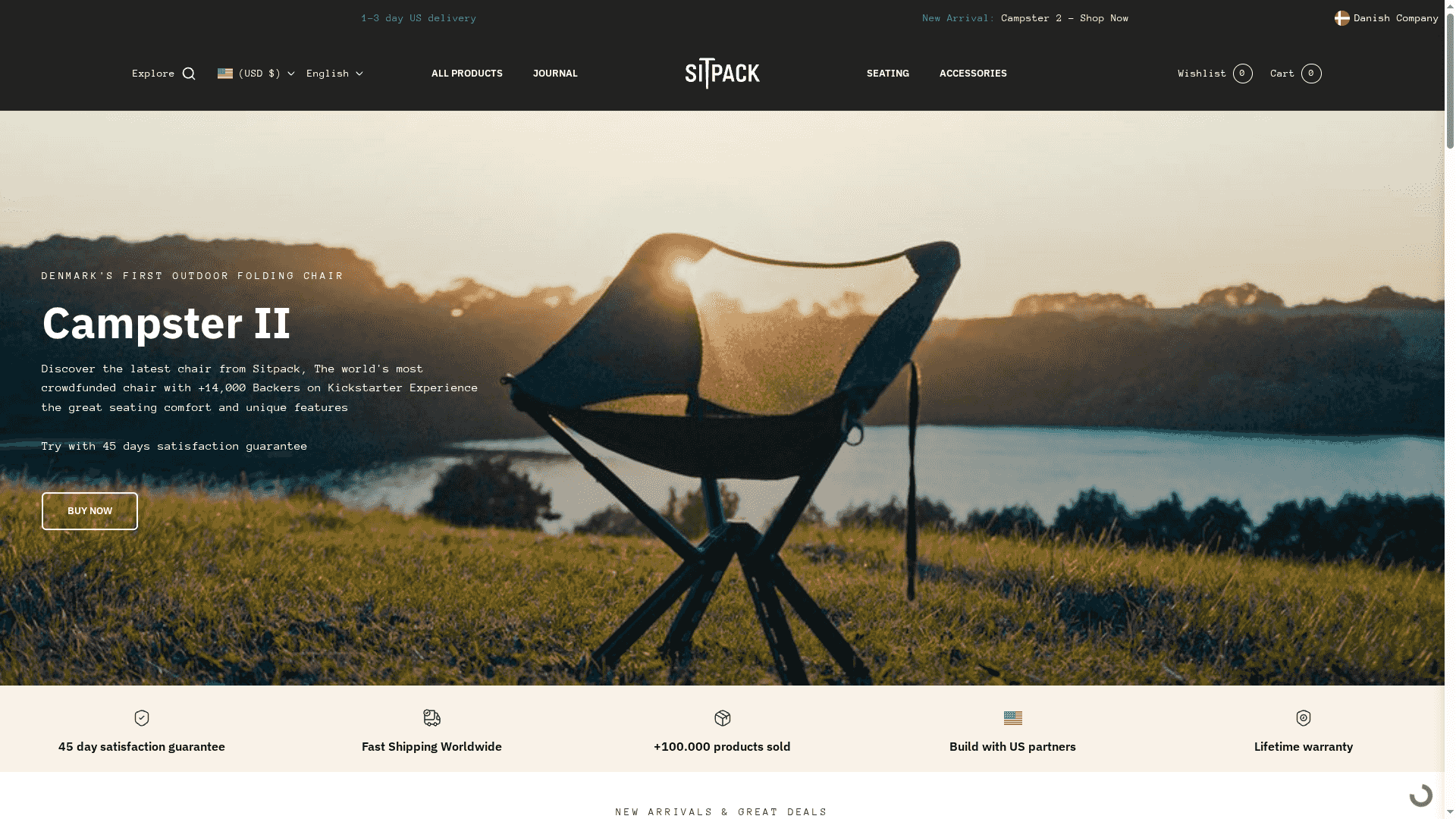
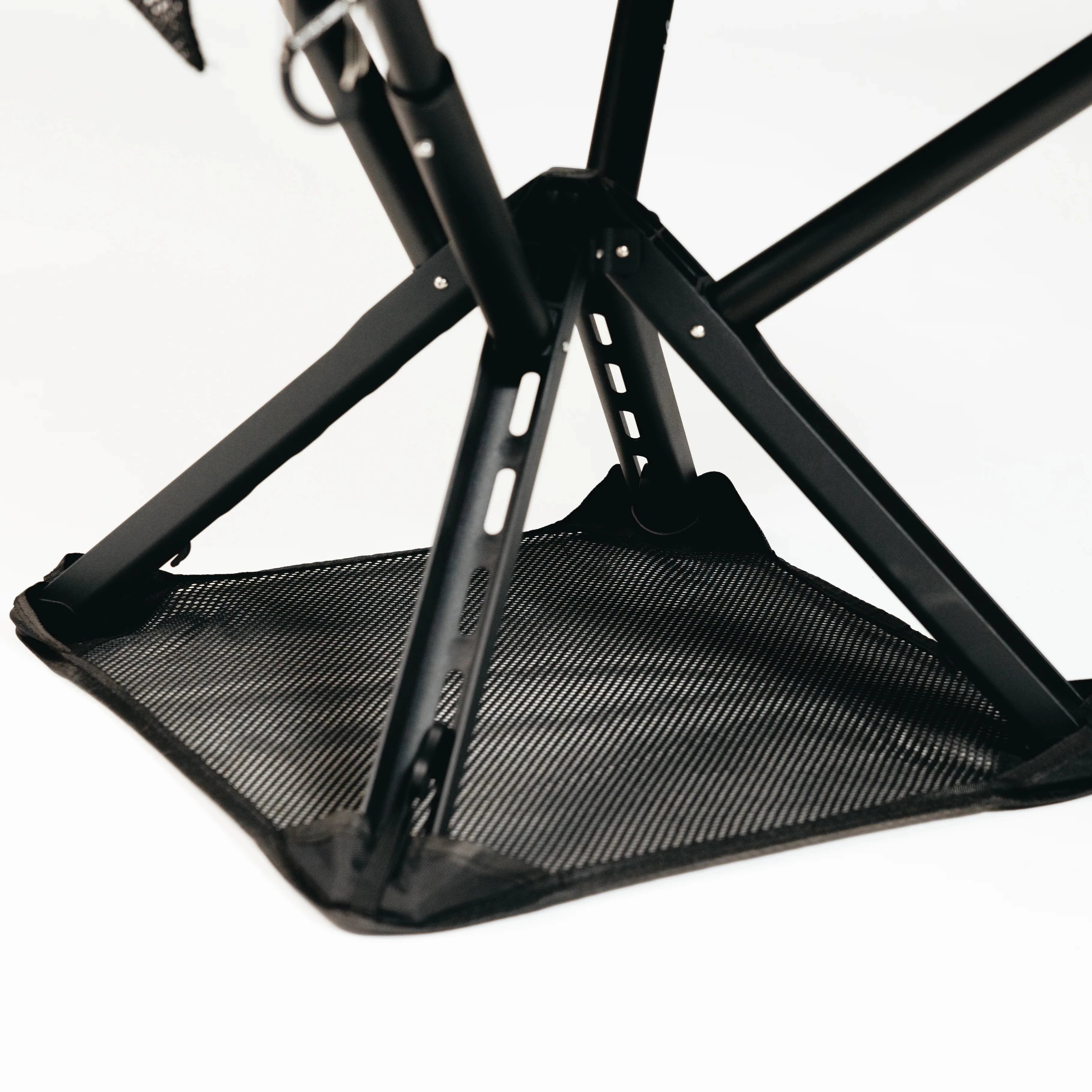
The Sitpack Zen and Campster II are built around the same principle that drives every good comfort investment: solve multiple problems with one compact tool. Lightweight, durable, and genuinely space-efficient, they are the kind of gear that earns its place in your carry-on every single trip. Whether you are dealing with a packed gate, a long outdoor layover, or a festival with nowhere to sit, Sitpack has you covered. Explore the full range of portable comfort gear at Sitpack.com and find the right fit for how you travel.
Cabin pressure on flights reduces blood oxygen by 6–25%, causing fatigue and mental fog. Comfort tools like ergonomic pillows and compression socks directly reduce physical strain and speed up recovery after long-haul travel.
The highest-impact items are a supportive travel pillow, compression socks, an eye mask, noise-canceling headphones, and a dedicated in-flight pouch for quick access to essentials. Compression packing cubes also double your usable carry-on space.
Physical discomfort reduces cognitive bandwidth, leaving you less present and engaged when you arrive. Travelers who manage comfort well explore more, connect more deeply with their destinations, and report higher overall trip satisfaction.
Compression packing cube sets start at around $28 and multifunctional items like a leather jacket or foldable seat serve multiple roles across many trips. The cost per use drops quickly, making quality comfort gear one of the most cost-effective travel investments you can make.
A 2026 Barclays survey found that 58% of travelers now rank convenience and flexibility as their top travel factors. Reducing friction and stress during the journey has proven to deliver more consistent satisfaction than upgrading accommodation or destination prestige alone.