Cart
0
Sign up and get 10$ off your order
Expected delivery
1-3 days
You may also like
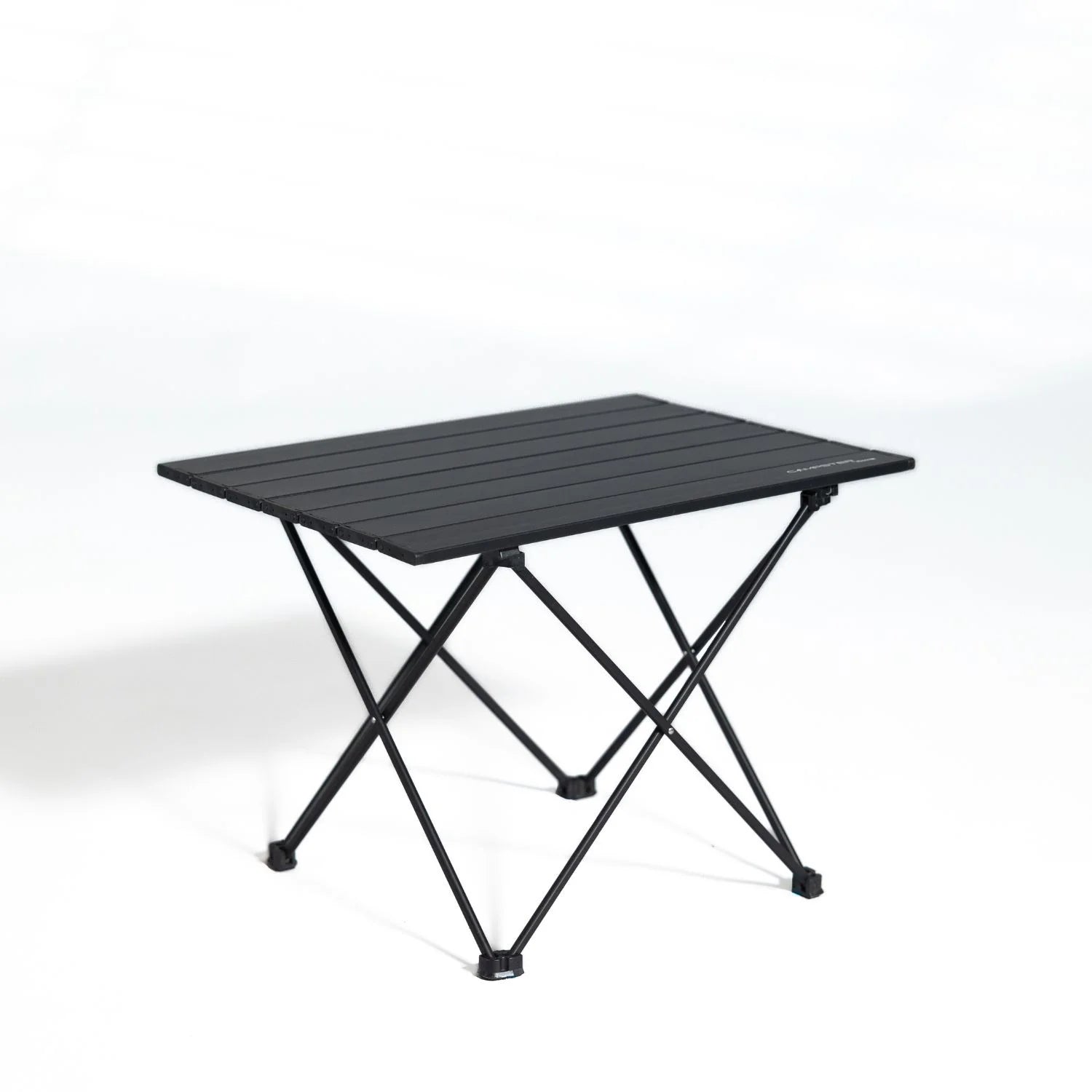


Danish Company

TL;DR:
- Hybrid outdoor furniture combines multiple materials to enhance durability, weather resistance, and repairability for outdoor use. It generally outlasts single-material options by canceling out individual failure modes and offering low-maintenance design features. Focusing on repairability and service life ensures more sustainable choices that last for years rather than short seasons.
Most people shopping for outdoor furniture fixate on one question: “Is it made from recycled materials?” It’s a fair starting point, but here’s the thing, eco-conscious buyers increasingly recognize that longevity beats recycled content claims every single time. The most sustainable piece of furniture is the one that’s still in great shape ten years from now, not the one you replaced twice because it fell apart after two rainy seasons. That’s exactly where hybrid outdoor furniture enters the picture, and once you understand what it actually offers, you’ll never look at a single-material chair or table the same way again.
| Point | Details |
|---|---|
| Durability over marketing | Choosing outdoor furniture that lasts longer is more sustainable than focusing only on recycled materials. |
| Hybrid means low maintenance | Hybrid combinations like aluminum and resin make furniture weather-resistant and easier to care for. |
| Better for busy lifestyles | Hybrid outdoor furniture is great for campers, travelers, and urbanites thanks to improved portability and resilience. |
| Ask the right questions | Look for repairability and service life when buying, not just eco-labels. |
Let’s start with the basics. Hybrid outdoor furniture is any furniture that deliberately combines two or more distinct materials, such as aluminum frames paired with resin weave, stainless steel legs with reclaimed wood tops, or powder-coated steel with weatherproof fabric. The goal isn’t just to look good (though it often does). It’s to pull the best functional properties from each material so that the final piece handles real-world outdoor conditions better than any single material could on its own.
Think about it this way: wood alone looks stunning, but it swells, cracks, and splinters when exposed to heavy rain cycles. Pure plastic is weather-resistant, sure, but it can feel flimsy and cheap underfoot. Combine them cleverly, and you get something that looks warm and natural while actually shrugging off a Pacific Northwest downpour without complaint.
“True sustainability in outdoor furniture design means prioritizing service life, weather resistance, structural soundness, and repairability over recycled-input marketing claims alone.”
That framing matters. It’s also what makes learning about sustainable outdoor furniture explained so eye-opening for most shoppers, because the conversation shifts from “what is it made of” to “how long will it actually last.”
Here are the most common hybrid material combinations you’ll encounter while shopping:
What you’ll notice across all of these combinations is that weather-resistant materials and protective upholstery systems are doing a lot of the heavy lifting, and that’s precisely the point of going hybrid.
| Material Combination | Primary Benefit | Weakness Addressed |
|---|---|---|
| Aluminum + resin wicker | Rust-free, UV stable | Single-material weight and brittleness |
| Steel + teak | Strong joints, natural look | Wood warping, pure steel rust |
| HDPE lumber + stainless steel | Zero maintenance, durable | Plastic flexing, metal corrosion |
| Aluminum + performance fabric | Lightweight, fade-resistant | Heavy frames, fabric degradation |
With a clear picture of what hybrid furniture means, let’s look deeper at how these material pairings specifically deliver a durability boost.
Single-material furniture makes compromises. A solid wood bench is gorgeous in June, but it needs annual oiling, sanding after winter, and complete replacement within a decade if left outdoors year-round. A cheap all-plastic chair might survive rain, but UV degradation makes it brittle within a few years, and no amount of cleaning will fix that faded, chalky surface. Rust-resistant aluminum and weather-resistant resin repeatedly come up in retail guidance precisely because experts know single materials have ceiling limits.
Hybrid construction smashes those ceilings. When you pair an aluminum frame (which handles structural loads without rusting) with high-performance resin or fabric (which provides comfort and aesthetics while resisting UV and moisture), you’re not just adding features. You’re canceling out each material’s individual failure modes. That’s engineering-smart furniture.
Here are the four most practical hybrid combinations and what each one specifically does better:
Aluminum + resin wicker: The aluminum interior frame carries the structural load and never corrodes, while the resin wicker outer layer resists UV fading and extreme temperatures. Result: furniture that looks handwoven but laughs at coastal salt air.
Powder-coated steel + HDPE lumber: Steel provides rigid, weld-strong joints. HDPE lumber looks and feels like real wood but never cracks, splinters, or needs sealing. Perfect for tables that take real abuse in high-traffic spaces.
Stainless steel + teak: Marine-grade stainless hardware eliminates the joint-failure problem that plagues all-wood outdoor furniture, while teak’s natural oils resist moisture from the inside out. A classic pairing used on luxury sailboats for good reason.
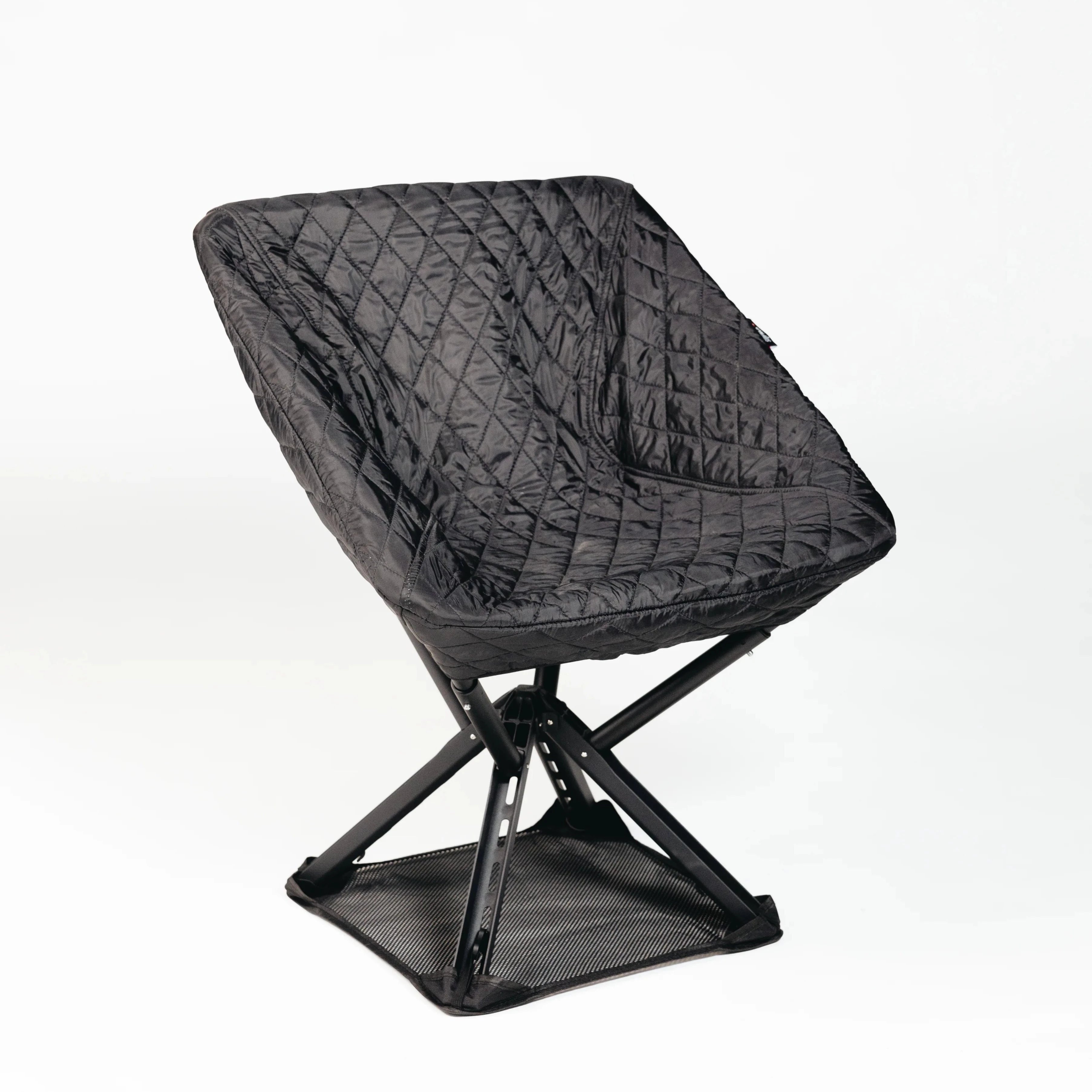
Aluminum + performance fabric: Used widely in modern outdoor furniture like portable and camp-style chairs. Ultra-light aluminum tubing keeps the whole piece carry-friendly, while Batyline or similar engineered fabrics resist mold, mildew, and the gradual stretching that ruins standard nylon seats.
Here’s a rough breakdown of expected lifespans to put things in perspective:
| Material | Typical Outdoor Lifespan | Weather Resistance |
|---|---|---|
| Untreated wood | 3-7 years | Low without maintenance |
| Standard plastic/resin | 5-10 years | Medium (UV degradation) |
| Painted steel | 5-12 years | Medium (rust at chips) |
| Aluminum | 15-25 years | High |
| Quality hybrid | 15-30+ years | Very High |
Pro Tip: Always look for pieces that include replaceable parts, like swappable fabric slings, replacement feet, or separately purchasable frame components. A chair that you can repair rather than discard is worth paying more for upfront, and it dramatically extends your true cost-per-use.
With durability and longevity covered, it’s time to get practical. How does hybrid furniture actually perform for today’s outdoor enthusiast who’s bouncing between a camping trip, a rooftop gathering, and a weekend at the farmers market?
The short answer: really, really well. Hybrid furniture’s biggest lifestyle advantage is that it’s genuinely low-effort to care for. You’re not oiling teak every spring, touching up paint chips to prevent rust, or hauling heavyweight items inside before every storm. That’s a big deal when your time is better spent outside.
The low maintenance expectations that hybrid furniture delivers come from specific design choices. Here’s what to look for when evaluating a piece:
Think about real-world scenarios. A camper setting up for a long weekend at a state park wants furniture that’s light enough to carry from the car, won’t get wrecked in a surprise rain shower, and wipes clean when someone spills coffee at 7 AM. Hybrid portable seating, like the kind designed for multi-use outdoor situations, nails all three.
For multi use outdoor furniture, these benefits are even more relevant. A piece that transitions from a rooftop apartment terrace to a camping trip to a friend’s backyard barbecue needs to be versatile, forgiving, and genuinely easy to move. Single-material furniture rarely checks all those boxes.
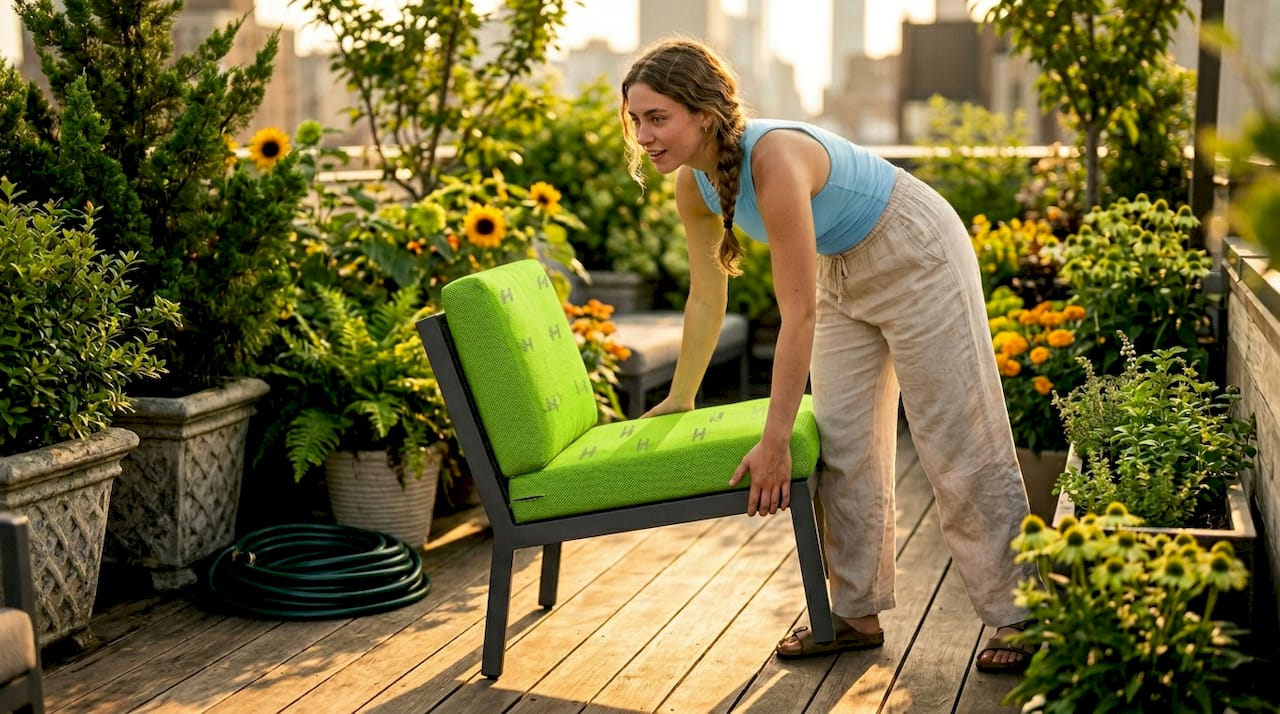
Pro Tip: Seek out models with quick-dry fabrics (look for terms like “solution-dyed” or “Batyline mesh”) and modular frames that can be partially disassembled for transport. These features make your furniture dramatically more travel-friendly without sacrificing comfort.
After seeing the practical upsides, let’s confront the ultimate eco-conscious question head-on: does choosing hybrid actually help the planet, or is it just clever marketing?
The honest answer is nuanced, but the core argument is solid. The single most impactful thing any consumer can do for the environment is extend the lifespan of the products they already own. Furniture manufacturing, regardless of material type, carries a real environmental cost in energy, water, and transport. Every time a piece ends up in a landfill, all of that embedded energy is wasted and a new production cycle begins.
“Hybrid material combinations increase durability and reduce replacement frequency. Longevity is more meaningful for the environment than recycled-content claims alone.”
That said, recycled content isn’t meaningless. It genuinely reduces demand for virgin raw materials, and brands that use recycled aluminum or ocean-bound plastic in their hybrid builds are taking a real step in the right direction. The mistake is treating recycled content as the only sustainability metric. A chair made from 100% recycled plastic that falls apart after three seasons is objectively worse for the environment than a hybrid aluminum-and-fabric chair that lasts twenty years.
When you’re shopping, use this checklist to evaluate whether a piece is genuinely sustainable:
Balancing longevity and recycled content when shopping isn’t difficult once you reframe your priorities. Start with “will this last?” and then use recycled content as a tiebreaker between otherwise equally durable options. Prioritize sustainable outdoor furniture by asking hard questions about design quality before you ask about material composition.
Here’s a perspective that most buying guides won’t tell you: the word “hybrid” on a product listing doesn’t automatically mean you’re getting the good stuff. I’ve seen plenty of pieces marketed as hybrid construction that use a thin aluminum shell over low-quality plastic joinery, or pair “weatherproof fabric” that’s really just standard polyester with a water-repellent spray coating that washes off after a season.
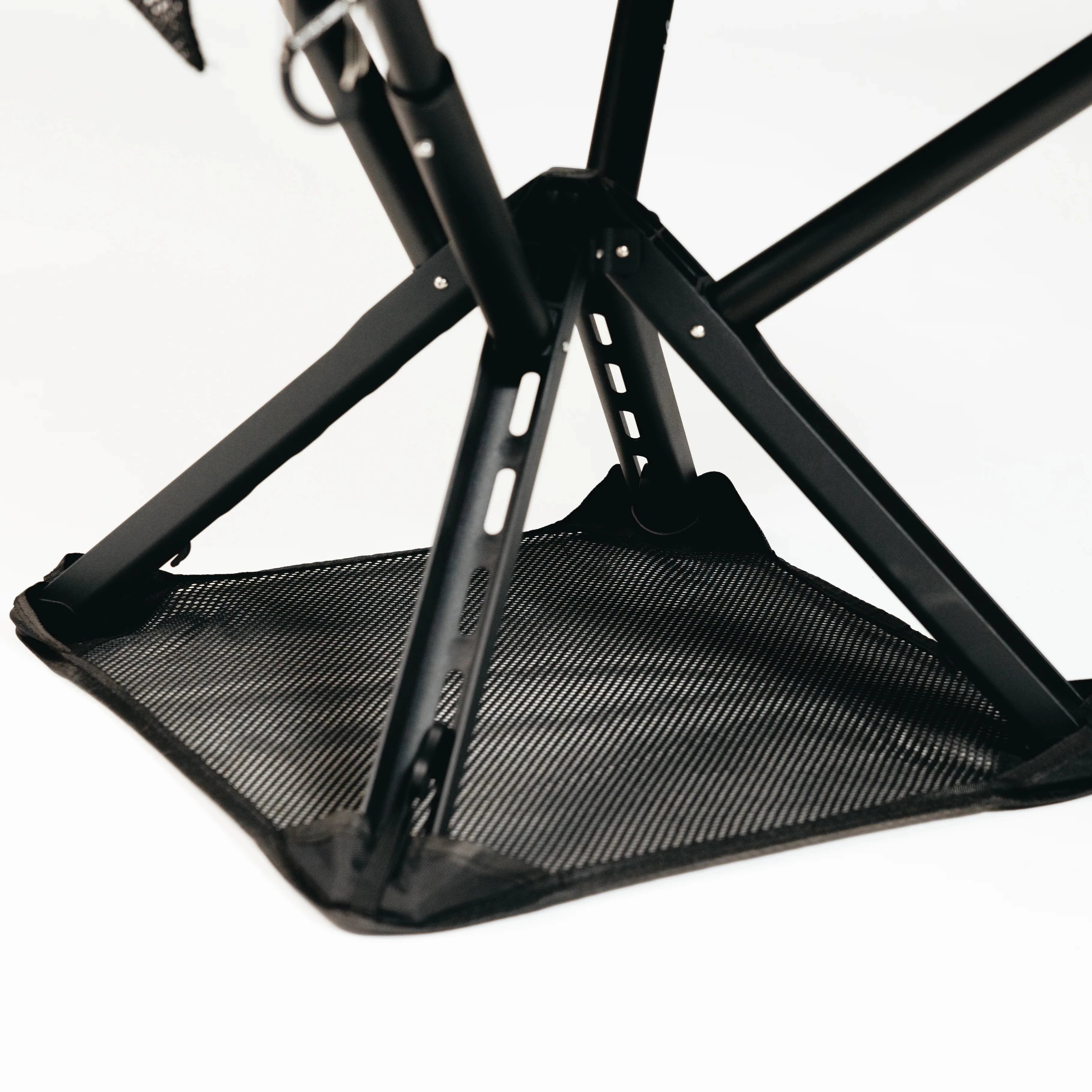
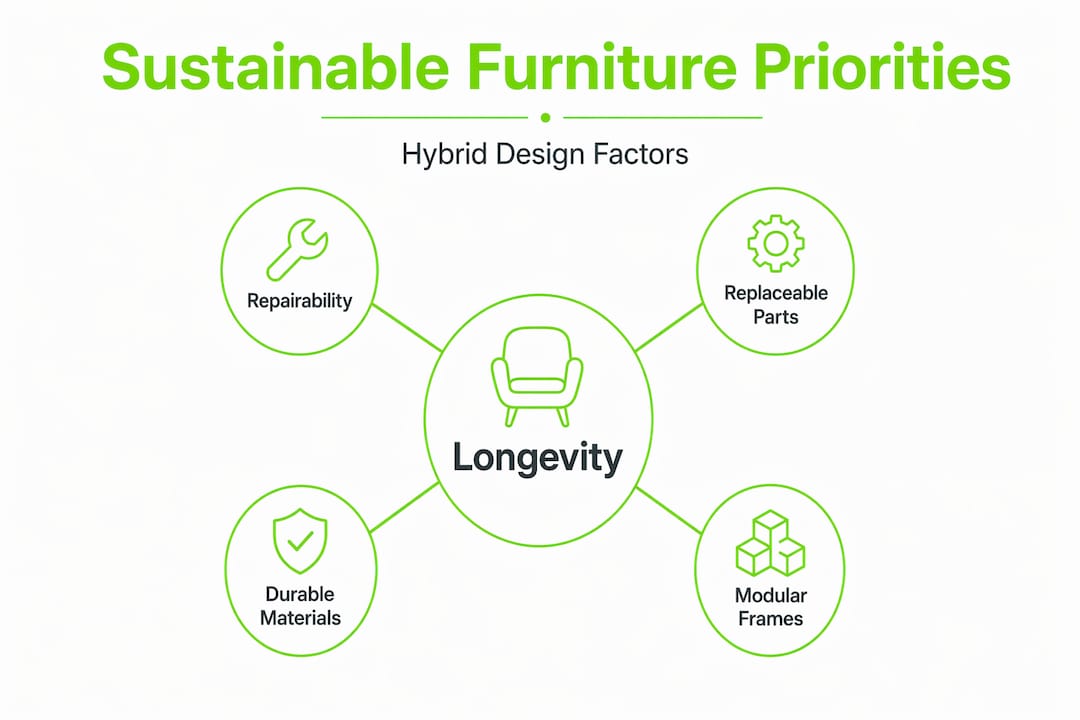
The real story isn’t about material categories at all. It’s about design intent. The best hybrid outdoor furniture is designed from the ground up with repairability and modularity in mind. That means standardized hardware you can source from any hardware store, fabric components that attach via clips or sliders rather than being permanently sewn to the frame, and structural joints built to handle repeated disassembly without stress fatigue.
I learned this the hard way watching a beautifully designed piece get thrown out after one of its proprietary rivets failed. The chair itself was structurally sound. But the brand had used a custom fastener that wasn’t available as a replacement part, and the repair cost came out higher than a new chair. That’s not sustainability, that’s a trap.
Prioritizing service life and repairability over recycled-input marketing is advice that sounds obvious once you hear it but gets ignored constantly in the actual shopping experience. Brands know that “made with 40% recycled materials” is an easier sell than “we stock replacement parts for 15 years.” One makes for better packaging copy. The other makes for better furniture.
Pro Tip: Before buying any hybrid outdoor furniture, search the brand’s website for a “spare parts” or “replacement parts” section. If it doesn’t exist, that’s a real red flag. Brands that build for longevity make it easy to repair. That commitment to sustainable outdoor furniture design shows up in the details, not just the product description.
The most overlooked factor shoppers ignore is modularity. A chair with a modular frame that can be reconfigured, extended, or partially replaced is not just more sustainable. It’s a better investment full stop. As your life changes, whether you move from a house with a big deck to an apartment with a small balcony, or start camping more seriously, modular furniture adapts with you rather than forcing a new purchase.
After understanding what makes hybrid outdoor furniture so valuable, you might be wondering where to find options that genuinely tick every box: lightweight, durable, low-maintenance, repairable, and actually worth taking on your next adventure.
At Sitpack, we’ve built our entire range around exactly these principles. From the Campster II to the Sitpack Zen, every piece is designed with portability, structural durability, and real-world usability at the forefront. We offer accessories, spare parts, and a 45-day satisfaction guarantee because we believe furniture should serve you for years, not seasons. Explore our full collection and find your next outdoor companion, whether you’re heading to a festival, a trailhead, or just your own back garden.
Hybrid outdoor furniture blends two or more materials, such as aluminum, resin, and fabric, to enhance durability, comfort, and style. Weather-resistant materials and protective upholstery systems are core to what makes hybrid designs function better in outdoor environments.
Yes, hybrid designs combine the strongest features of multiple materials, often lasting significantly longer than single-material furniture. Rust-resistant aluminum and weather-resistant resin are specifically highlighted by retail experts as the most outdoor-appropriate choices for this reason.
No, most hybrid outdoor furniture is engineered for genuinely low maintenance, with weather-resistant materials and easy-clean surfaces built in. Weather-resistant materials and protective upholstery systems are the design features that eliminate most traditional outdoor furniture upkeep tasks.
Prioritize service life, weather resistance, repairability, and structural soundness over recycled content claims alone. Service life and repairability are the factors that expert sustainability frameworks consistently flag as most important for real environmental and financial value.