Cart
0
Sign up and get 10$ off your order
Expected delivery
1-3 days
You may also like


Danish Company

TL;DR:
- Modern packable furniture offers lightweight, durable, and highly portable outdoor comfort solutions.
- Selecting the right gear depends on trip type, user size, and desired stability versus weight.
- Proper maintenance extends furniture lifespan, ensuring continued comfort on outdoor adventures.
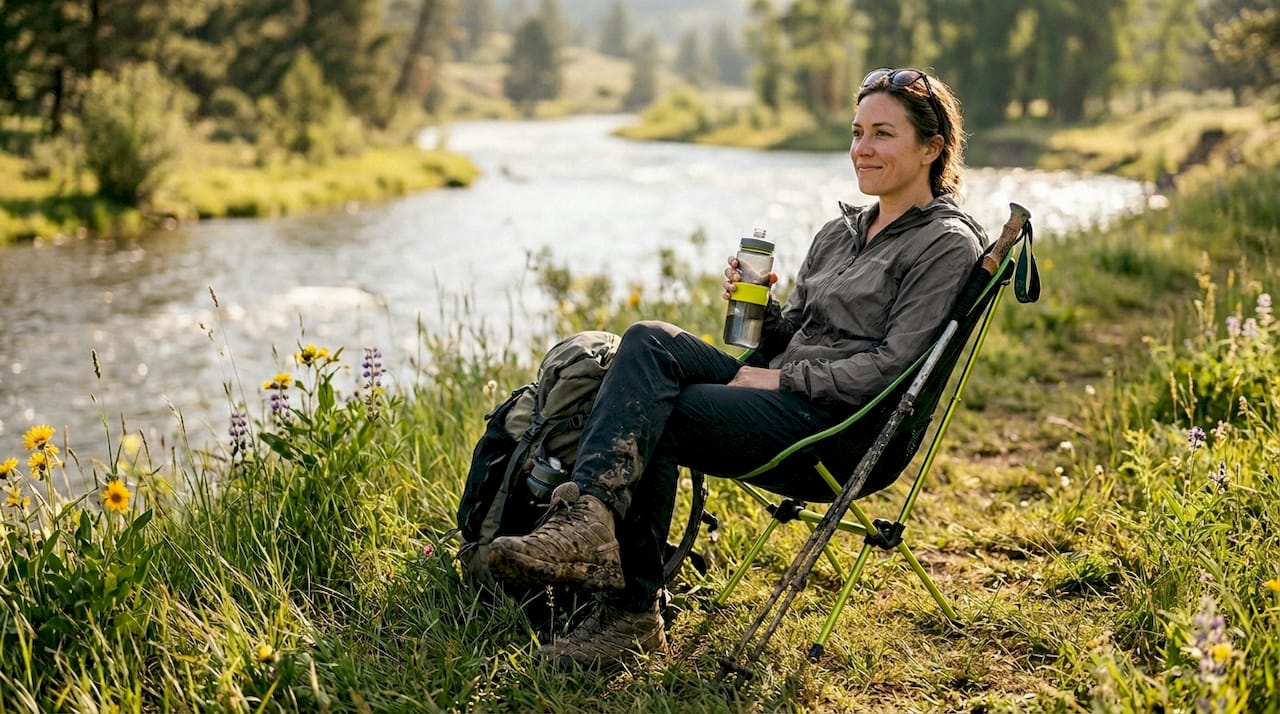
You’ve been there. You’re three miles into a trail, your back is aching, and the only place to sit is a jagged rock that’s actively trying to rearrange your spine. For years, outdoor enthusiasts faced a brutal tradeoff: haul bulky, comfortable furniture or suffer through your adventures sitting on whatever nature offered. But that old assumption is officially outdated. Modern packable furniture has quietly revolutionized the outdoor experience, delivering genuine comfort without turning your pack into a rolling suitcase. This guide walks you through everything you need to know, from chair comparisons to table options, packing tips, and how to match gear to your specific adventure style.
| Point | Details |
|---|---|
| Innovative designs | Modern outdoor furniture now offers true comfort and portability for travelers and campers. |
| Tailored options | Select ultra-light chairs for backpacking or larger tables for group camps to match your adventure. |
| Proper care matters | Following correct assembly and cleaning routines extends the life of your gear. |
| Smart trade-offs | Balancing pack weight with needs ensures you get both comfort and easy transport outdoors. |
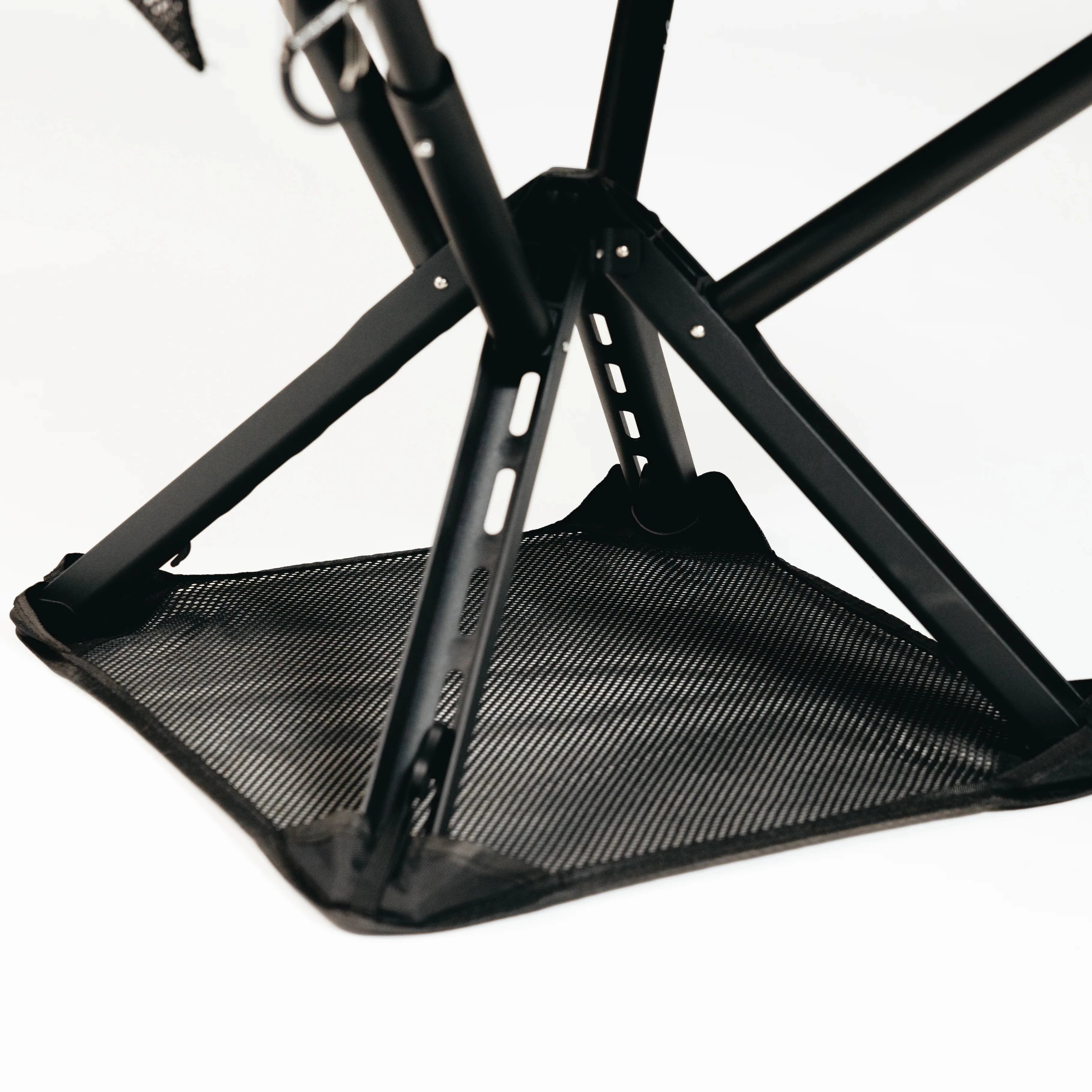
Packable furniture isn’t just regular furniture made smaller. It’s a category built from the ground up around portability, and the engineering behind it is genuinely impressive. The goal is simple: maximize comfort and usability while minimizing weight and packed volume. But hitting that target requires clever material choices and smart mechanical design.
The most important materials in modern packable furniture are DAC aluminum alloy poles and shock-corded systems. DAC alloy is preferred for its exceptional strength-to-weight ratio, and shock-corded poles snap together quickly without fuss. Roll-up slat systems are common in portable tables, letting you pack a rigid surface into something roughly the size of a yoga mat tube.
Here’s what separates packable furniture from the cheap folding chairs you find at dollar stores:
The benefits of compact furniture go beyond just saving space in your pack. When your chair weighs one pound instead of ten, you actually bring it. You use it. You enjoy your adventure instead of powering through discomfort.
Packable furniture shines brightest in situations where every ounce counts: multi-day backpacking trips, international travel, festivals, beach days, or any situation where you’re covering serious distance on foot. The trade-off is usually cost and sometimes stability on very uneven terrain, but the newer designs have largely closed that gap.
Pro Tip: If you’re new to packable furniture, start by weighing your current camp chair. That number alone is usually enough motivation to make the switch.
Chairs are where most people start their packable furniture journey, and the market has some genuinely excellent options. Knowing which one fits your needs saves you money and frustration.
The Helinox Chair Zero sets the gold standard for ultralight seating, tipping the scales at just 1 lb 1 oz with a 265-pound capacity and packing down to roughly the size of a Nalgene bottle. It uses DAC aluminum poles and a suspended seat design that distributes weight evenly. It’s the chair serious backpackers reach for first.
The Nemo Moonlite is a strong contender for those who want a bit more comfort. At 2 lb 2 oz with a 300-pound capacity, it’s heavier but offers a more relaxed, loungy sitting position that works beautifully for longer rest breaks or base camp relaxing.
| Chair | Weight | Capacity | Best For |
|---|---|---|---|
| Helinox Chair Zero | 1 lb 1 oz | 265 lb | Ultralight backpacking |
| Helinox Chair One | 1 lb 15 oz | 320 lb | All-around camping |
| Nemo Moonlite | 2 lb 2 oz | 300 lb | Base camp comfort |
| REI Flexlite Air | 1 lb 3 oz | 250 lb | Budget-friendly backpacking |
For car camping or overlanding where weight is less critical, the Helinox Chair One offers a roomier seat and a higher weight limit without asking you to compromise on build quality. The REI Flexlite Air punches above its price point and is a solid entry-level pick if you’re not ready to spend on a Helinox.
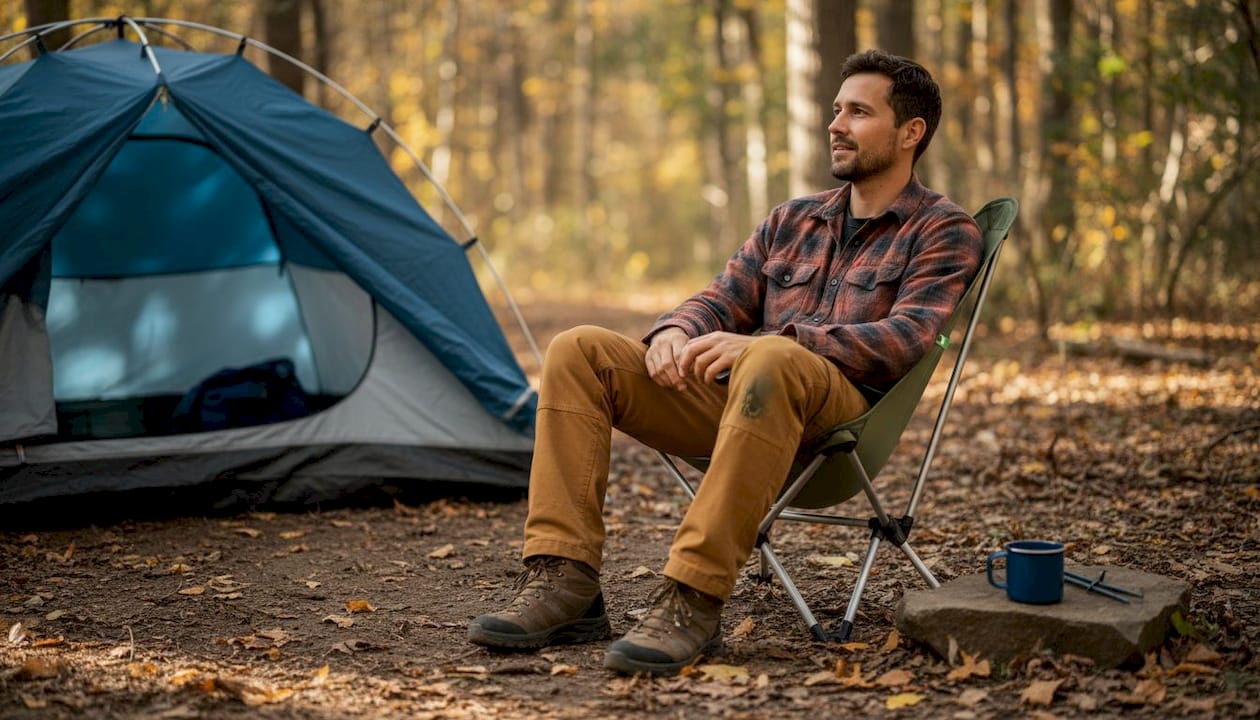
Exploring the types of portable chairs available helps you understand that there’s no single “best” chair. The right pick depends on your body, your trip, and how much weight you’re willing to carry. Knowing why packable chairs matter for trail comfort often changes how people gear up entirely.
Pro Tip: If you’re tall (over 6 feet), prioritize seat height. Several ultralight chairs sit quite low, which can make standing back up feel like a workout of its own.
Once you’ve sorted out your seating, a packable table transforms your campsite from survival mode to something closer to civilized living. Whether you’re prepping meals, eating with a group, or working remotely from a trailhead, having a surface makes a real difference.
The Helinox Table Zero LT is the featherweight champion here, weighing just 8.5 ounces and packing down to 14 x 3 x 3 inches, with a 22-pound capacity. It’s absurdly light and perfect for solo backpackers who need a surface for cooking or gear organization.
At the other end of the spectrum, the Portal Quick Adjust Roll-Up Table brings an aluminum and steel top with telescopic adjustable legs, weighing 13 lb 3 oz and supporting up to 132 pounds. That’s a serious surface for group cooking, gear staging, or a proper camp kitchen setup.
| Table | Weight | Packed Size | Capacity | Best For |
|---|---|---|---|---|
| Helinox Table Zero LT | 8.5 oz | 14x3x3 in | 22 lb | Solo ultralight trips |
| Helinox Table One | 3 lb 5 oz | 18x5x5 in | 110 lb | All-around camping |
| Portal Roll-Up Table | 13 lb 3 oz | Compact roll | 132 lb | Group car camping |
Key considerations when choosing a packable table:
For compact tables for travel, the Helinox Table Zero LT is hard to beat for solo adventurers. Groups doing car camping will get far more value from the Portal’s generous surface area despite the extra weight.
Even the fanciest packable gear becomes useless fast if you don’t treat it right. Good habits here extend the life of your furniture significantly and prevent those frustrating mid-trip failures.
Assembly and disassembly done correctly makes a huge difference. Proper folding technique means releasing all locks and levers first, collapsing the frame segment by segment, and securing everything before stowing. Watch your fingers near pinch points. Seriously, shock-corded poles have a way of snapping shut when you least expect it.
Here’s a simple routine to follow every trip:
“A pack of sand in a joint is basically sandpaper on your frame. A 30-second brush-down after every use is the simplest maintenance habit that pays off the most.”
Common mistakes people make with packable furniture: stuffing a wet chair into its bag (hello, mold and mildew), forcing poles together when sand is trapped in the connectors, and not replacing worn shock cords before they snap. Replacement shock cord is cheap. A broken chair in the backcountry is not a fun problem.
Pro Tip: Keep a small soft brush in your cook kit. A few swipes across the joints before packing takes ten seconds and adds years to your gear’s life. The maintenance tips for compact gear make the difference between furniture that lasts one season and gear that goes the distance.
All the gear knowledge in the world doesn’t help if you pick the wrong tool for the job. Matching your furniture to your trip type is where smart packing really comes together.
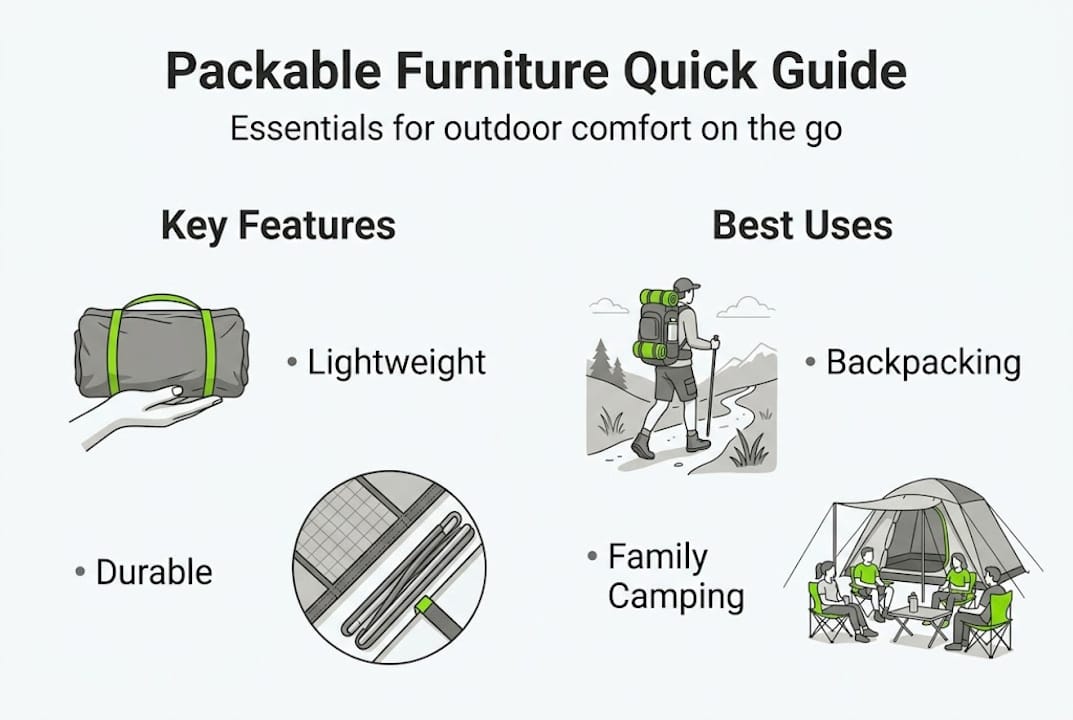
Here’s a quick framework:
Tall users (over 6’2") should specifically look for chairs with seat heights above 12 inches. Families with kids under 10 should prioritize chairs with simple, forgiving assembly so curious hands don’t cause accidents. Knowing which chair fits your adventure saves you from buying twice.
Pro Tip: Pack a setup at home before your trip. Assemble your chair and table, sit in them, adjust heights, and make sure everything works. There’s no worse time to discover a broken pole than when you’re already at camp.
Here’s the uncomfortable truth most gear review sites won’t tell you: the “lightest option” is not always the smartest option.
The outdoor industry loves a weight-savings narrative. Shave grams, go faster, pack less. And for serious ultralight backpackers? Absolutely, every gram counts. But for the majority of outdoor enthusiasts who are car camping, doing weekend trips, or heading out with friends, obsessing over half an ounce is a distraction from what actually matters: enjoying your time outside.
A heavier, more stable table that comfortably holds a camp stove and feeds four people is objectively worth more than an ultralight solo table that wobbles when you breathe on it. Comfort and practicality have real value, and that value compounds when you’re tired, hungry, and just want to sit down.
What we’ve learned is that the best packable furniture is the gear that matches your actual habits, not your aspirational ultralight identity. Read real portable chair experiences from people who use this stuff regularly, and you’ll notice the pattern: the gear people love is the gear that fits how they actually adventure, not just what scored highest on a spec sheet.
If this guide has you rethinking your camp setup, you’re going to want to see what Sitpack has put together for outdoor comfort lovers.
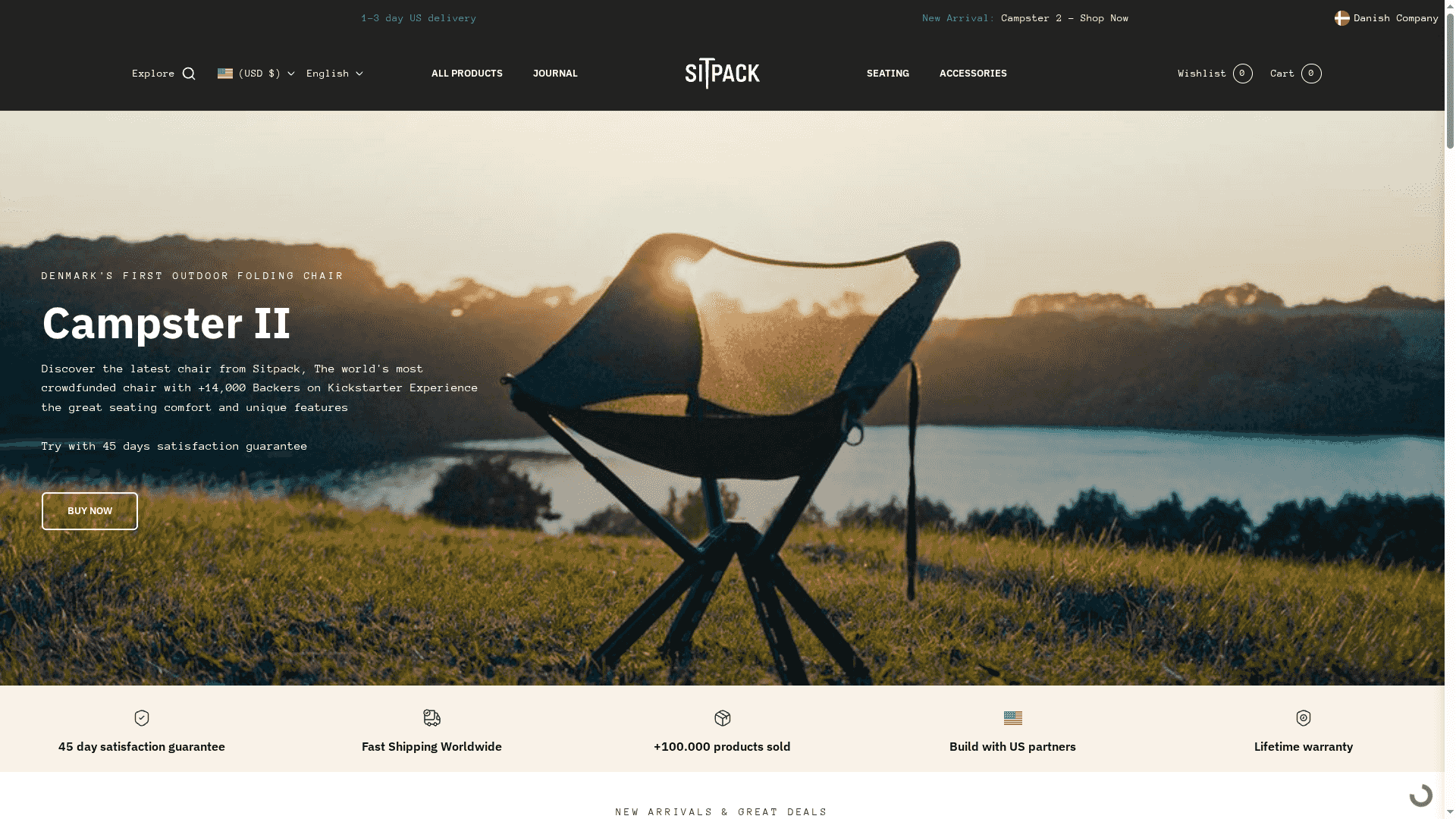
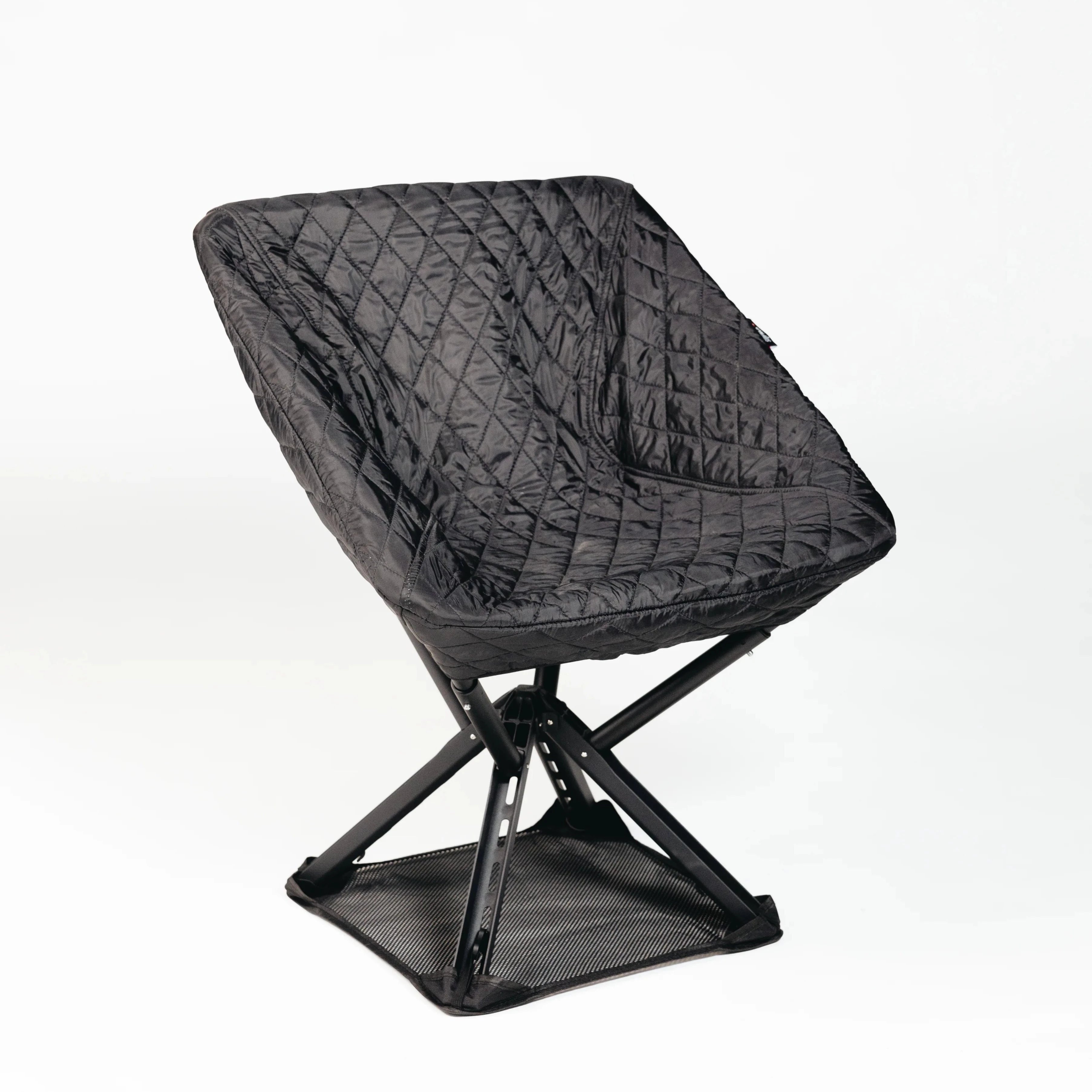
Sitpack designs portable furniture with a philosophy that comfort and packability don’t have to fight each other. From featherweight foldable chairs to smart accessories designed for real-world adventures, the lineup is built for people who actually use their gear hard. Whether you’re a solo backpacker, a weekend warrior, or a group camper who refuses to eat dinner standing up, there’s a Sitpack solution that fits. Fast worldwide delivery, a 45-day satisfaction guarantee, and lifetime warranty options mean you can shop with confidence and get out there sooner.
Packable furniture for outdoors is designed to fold or collapse into a compact size while staying lightweight and easy to carry. The key markers are low weight, small packed dimensions, and quick setup.
The Helinox Chair Zero is widely regarded as the top pick for balancing comfort, portability, and durability at just over 1 pound. It’s the benchmark most other chairs are measured against.
The Helinox Table Zero LT weighs only 8.5 ounces and packs down to 14x3x3 inches, making it one of the lightest packable table options available anywhere.
Ultralight packable gear can be less stable on sand or uneven terrain, and low seat heights can challenge taller users. Premium models also tend to carry a higher price tag than standard folding furniture.
Regularly clean joints and fabric, inspect shock cords for wear, and always store your chair completely dry to prevent mold and corrosion from shortening its lifespan.