Cart
0
Sign up and get 10$ off your order
Expected delivery
1-3 days
You may also like


Danish Company


Compact design matters because the best seat is the one you actually bring. A chair that folds down to the size of a water bottle gets thrown in the daypack. A bulky one stays in the trunk, the closet or the garage. Compact design is what turns “I’d love to sit down” into “I’m already sitting down”, whether you’re at a festival, on a trailhead, on a commuter platform or at a campsite.
This guide explains what compact design really means for seating, what it gets you, where it can go wrong, and how to tell a smart compact seat from a merely small one. If you want to go deeper on the topic, our pieces on the advantages of compact seating and why compact seating beats bulk pick up where this one stops.
The dictionary keeps it simple: compact means small or taking up very little space, and design is the process of planning how something is made. Put together, compact design is the practice of planning a product so it uses as little space as possible, while still doing its job.
That last part is the catch. Anyone can make a small thing. Making a small thing that holds an adult, sits at a sensible height and survives a few hundred uses is design work. In seating, it comes down to three questions:
A compact chair that fails the third question is just a small disappointment. The rest of this article is about getting all three.
Numbers help here. A 2025 WIRED review of a leading ultralight camp chair reported a packed size of 14.6 by 4.7 by 4.3 inches and a weight of 2 pounds, 7.5 ounces, with support for up to 320 pounds. That is roughly a rolled-up sleeping bag in size and a bag of flour in weight, carrying an adult comfortably.
That ratio is the point of compact design: a lot of seat for very little burden. When a chair weighs about as much as a liter of water and fits in a side pocket, you stop debating whether it’s worth bringing.
Urban dwellers know this one. A standard folding chair needs a closet, a corner of the garage or a spot behind the door. A compact seat slides into a drawer, a bag or the gap beside a sofa. Smaller packed size means you can own seating for the balcony, the car, the office bag and the weekend trip without turning the apartment into gear storage.
This is the underrated one. The easier a thing is to bring, the more often it comes. Think about everyday moments: waiting for a delayed train, a long queue, a sideline at your kid’s game, a lunch stop on a hike, an outdoor concert on a hard lawn. A compact seat turns each of those from standing or squatting into sitting. If you commute, our comparison of foldable chairs for commuters shows how that plays out day to day.
Airlines, trains and trunks all have limits. A seat that packs down tiny doesn’t compete with luggage for space, and a light one doesn’t push you toward an overweight bag fee. We go into the travel side in our guide to compact design in travel.
Smaller and lighter usually means fewer raw materials in the product. Done well, that is good for your back and for the planet. We come back to this below, with real numbers and an honest look at the tradeoffs.
Here’s where we put on the friendly-but-candid hat. Small packed size is a means, not a goal. If you pack a seat down to nothing and then regret every minute sitting on it, you’ve saved space and wasted money.
Independent testers know this. In a 2020 test of 11 compact camping chairs, the German magazine Promobil scored chairs on comfort, weight, packed size, setup and folding effort, and materials, with comfort making up half of the total score. The same test turned up two cautionary tales. One 3.2 kg folding chair handled well and packed conveniently, yet poor comfort dragged its overall rating down. Another simple, light chair was easy to handle, but testers criticized a very low seat and unconvincing stability.
The lesson for you: judge a compact seat by how it sits, not just how it packs. Here are the things worth checking.
Wirecutter’s 2026 guide to the best camping chairs says its picks generally support at least 300 pounds, children’s chairs excepted. Treat that as a useful yardstick. If a very small seat lists a far lower limit, ask what you’re giving up for the size.
A seat that sits too low makes standing up a chore, particularly for taller people or anyone with stiff knees. In WIRED’s 2025 test, the redesigned chair sits about 2.5 inches higher at the front than the original, which the reviewer found a more comfortable height for people with long legs. A couple of inches changes the whole experience.
Stability comes from how the frame distributes weight. The same WIRED review notes that a second tension line spreads load evenly across the frame, so the chair feels sturdier. Structure, not bulk, is what keeps a compact seat steady.
Wirecutter’s evaluation includes how easy it is to open, fold, pack and carry each chair, and Promobil scores setup and folding effort too. If a chair takes a wrestling match to put away, you’ll stop using it. A good compact seat opens and closes in seconds.
A 2015 master’s thesis on a collapsible chair for a Swedish furniture maker lays out principles that read like a checklist for anyone shopping for portable seating:
That last point is a favorite of ours. Compact design isn’t one-size-fits-all. A pocketable stool for a quick rest and a reclining camp chair for a whole evening solve different problems, and both can be compact in their own category.
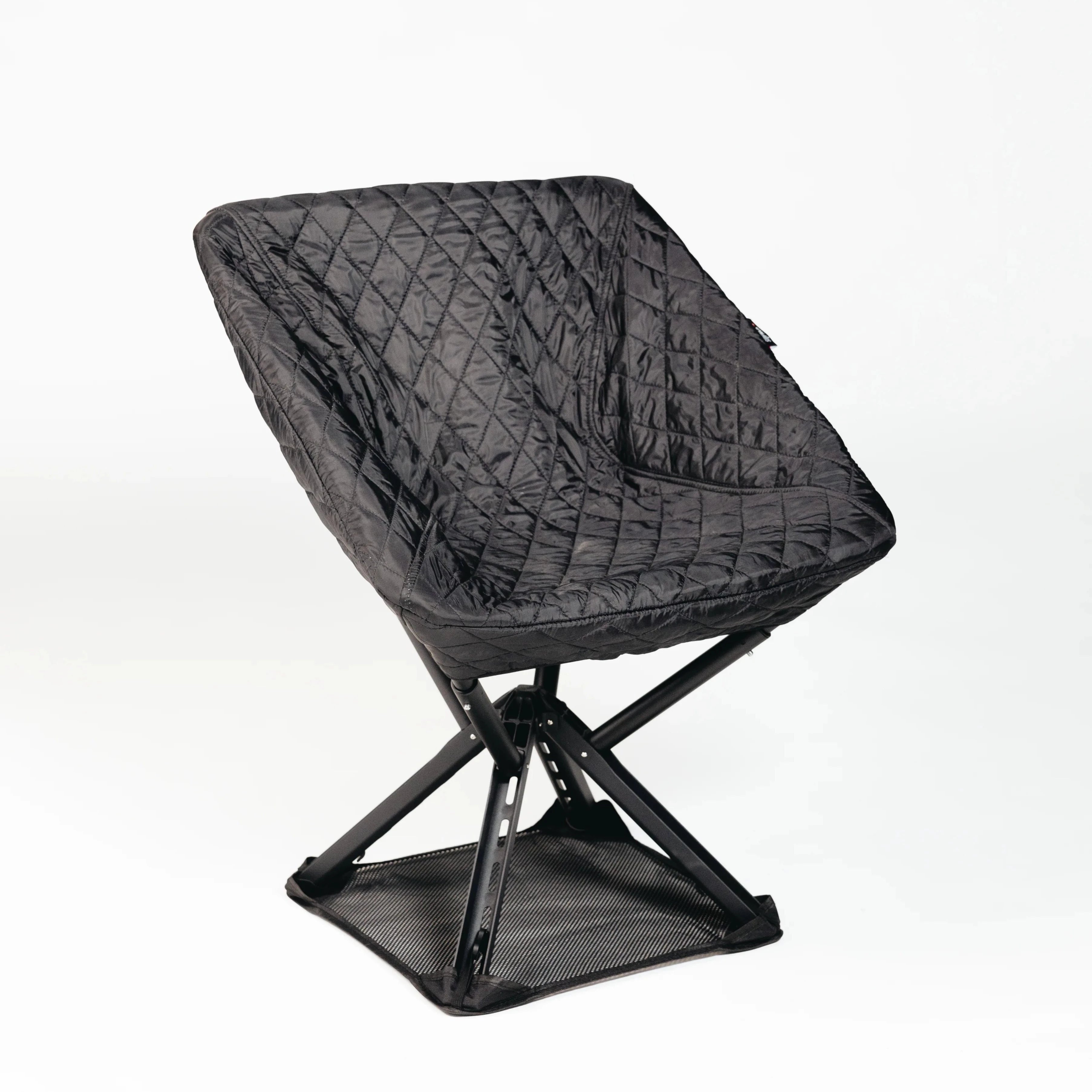
If you want to see how this thinking shows up in practice, the Campster II collection is our take on a minimalistic seat built to pack small and carry light.
Eco-conscious buyers often ask whether compact really means greener. The honest answer: it can, when material savings come from smart engineering and not from cutting corners.
A 2024 study on sustainable lightweight design of airport waiting chairs optimized frame dimensions and structure. The result was a frame that used 2.842 kg less steel, a 34.8% reduction, while keeping the seat stable. The authors also point to better material use and a lighter, thinner-looking frame. The setting is airport seating, not camping gear, but the principle carries over: you can remove material where it isn’t doing any work and keep it where it is.
Materials matter as well. A 2025 Gear Patrol piece on a popular lightweight camp chair describes reclaimed aluminum shavings blended with virgin aluminum and recycled polyester fabric, a good example of reuse paired with a small packed format.
Sustainable choices can shift other numbers. WIRED’s review observed that the redesigned chair weighs 8.5 ounces more than the original, even though its recycled fabric is 50% lighter than the old fabric. Changes to height, structure and materials all move the weight. That’s why a smart buyer reads the whole spec, not just one headline number.
The same review notes that optional ground-sheet and rubber-foot accessories help keep chair legs from sinking into soft ground, but add weight, bulk and cost. Sinking legs are a real nuisance on sand or soft turf, so it’s worth deciding where you’ll sit before you pick a seat. Seats with broad feet or a larger footprint handle soft ground without extra parts.

Weight is the currency of hiking. Every ounce you carry, you carry uphill. A compact seat gives you a real rest at the lunch stop and a dry, warm place to sit by the fire without eating into your pack volume. Accessories help too: a thermal blanket or a seat warmer packs small and extends the evening.
Urban sitting is a quiet use case. Platforms, parks, long queues, farmers’ markets and outdoor events rarely have enough benches. A compact seat in your bag is a small piece of independence. It also needs to look unobtrusive and survive daily bag life, which is where minimalistic design and durable materials pay off.
Compact seats suit small outdoor spaces, because they come out when you want them and vanish when you don’t. If you’ll set them on a finished floor, think about the legs. Point loads can mark a coated surface, and a guide on protecting epoxy floors from jack marks with pads, plywood and stands explains the same logic of spreading weight under small contact points.
Travelers use compact seating for gate areas, sightseeing days and long waits, then pack it back down to nothing. Smaller and lighter means it earns its spot even when your bag is already full.
Use this list when comparing any portable seat:
| What to check | Why it matters | What to look for |
|---|---|---|
| Packed size | Decides whether it fits your bag | Compare against the bag you actually use |
| Weight | You carry it all day | Light enough that you never leave it behind |
| Load capacity | Safety and long-term durability | Comfortably above your own weight |
| Seat height | Comfort and getting up | Not so low that standing is a struggle |
| Stability | Confidence on uneven ground | A frame that feels planted |
| Setup effort | Determines real-world use | Opens and closes quickly, no pinch points |
| Materials | Durability and footprint | Sturdy fabrics, recycled content where possible |
| Warranty and returns | Protection if it doesn’t suit you | A clear guarantee and warranty terms |
If you want to browse several designs side by side, the full Sitpack range covers seats, stools and accessories in one place.
We started from a simple annoyance: good outdoor seating tends to be the thing you leave behind, because it’s too big, too heavy or too fiddly. So we flipped the question. Instead of asking how to make a chair, we asked how to make a seat you never think twice about bringing.
That’s why we lean into minimalistic, lightweight design with durable materials, and often eco-friendly ones. A seat that packs small and carries light gets used on the bus, at the festival, on the trail and in the park, which is exactly where cheapo chairs end up in a landfill after one season.
We also think compact shouldn’t mean compromise. A chair has to hold you, sit at a sensible height and feel steady, or it’s not doing its job. That’s what our designs are built around, and it’s why we stand behind select items with a lifetime warranty and give you 45 days to decide you’re happy with your purchase.
Small footprint, big comfort. Voila.
Jonas
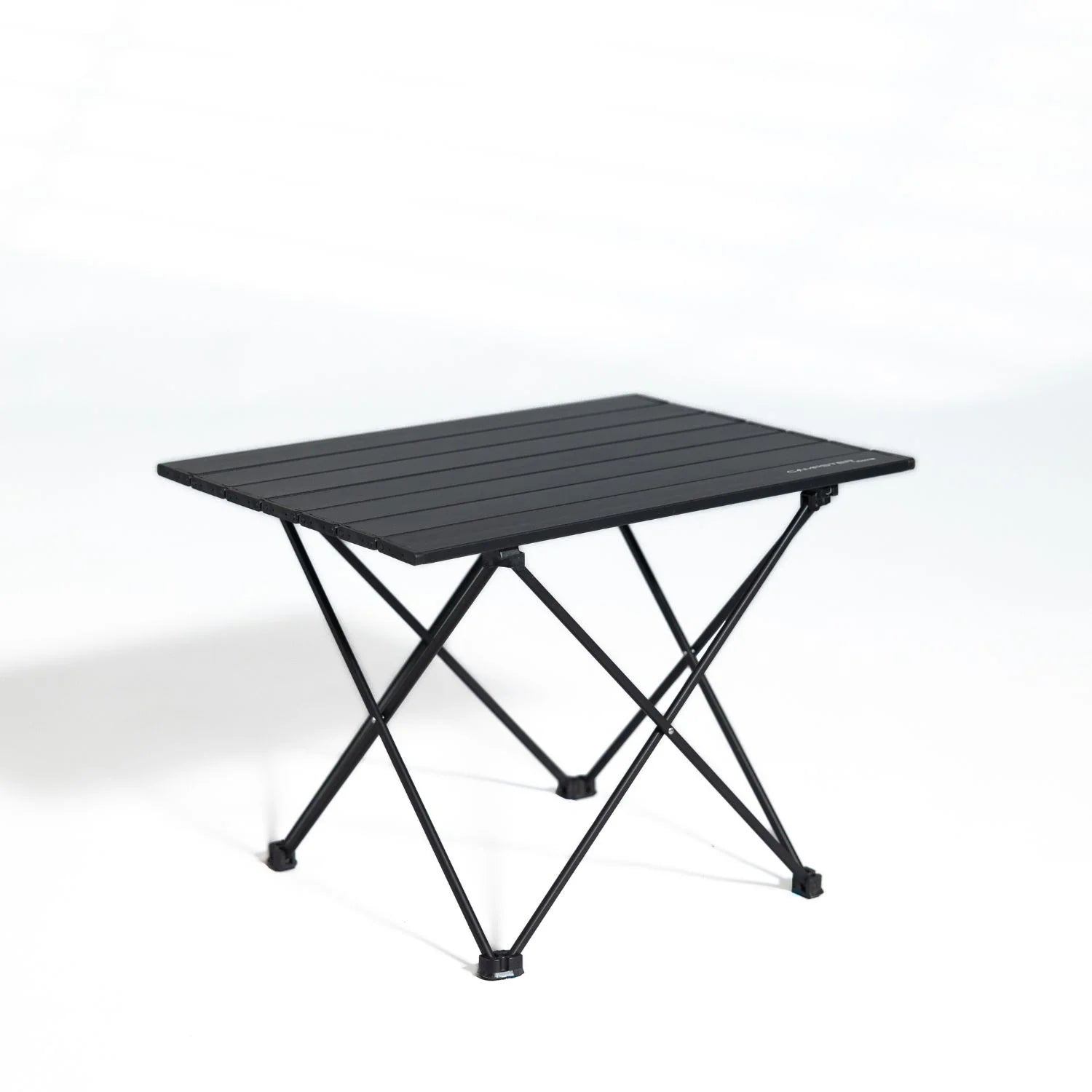
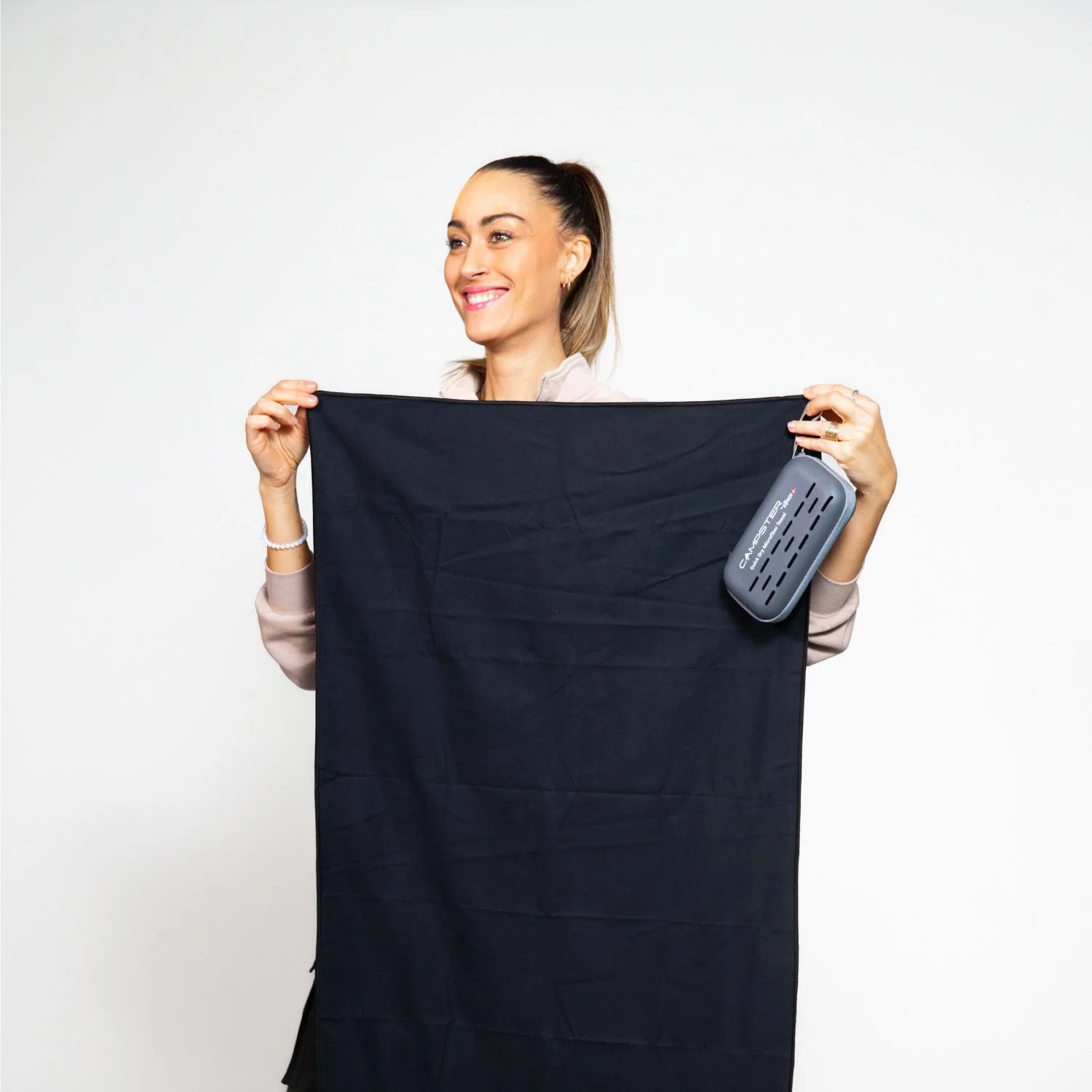
Sitpack makes portable, foldable chairs, stools and accessories such as blankets, seat warmers, tables and travel towels, designed around a lightweight and minimalistic idea of outdoor seating. Orders ship worldwide, come with a 45-day satisfaction guarantee, and select items carry a lifetime warranty. A good place to start is the Campster II, or take a look at the Sitpack 2.0 value bundle if you want a seat plus extras in one go.

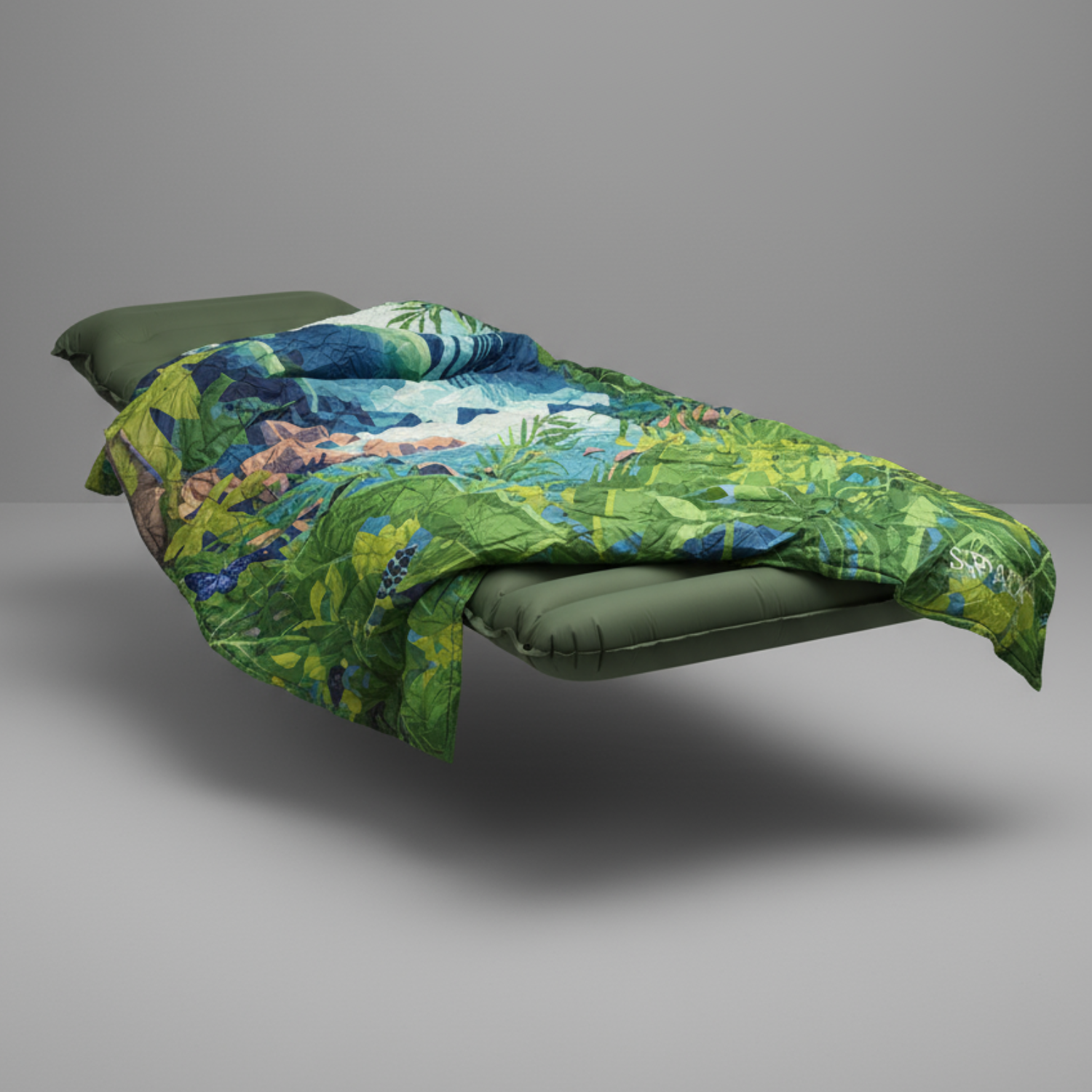
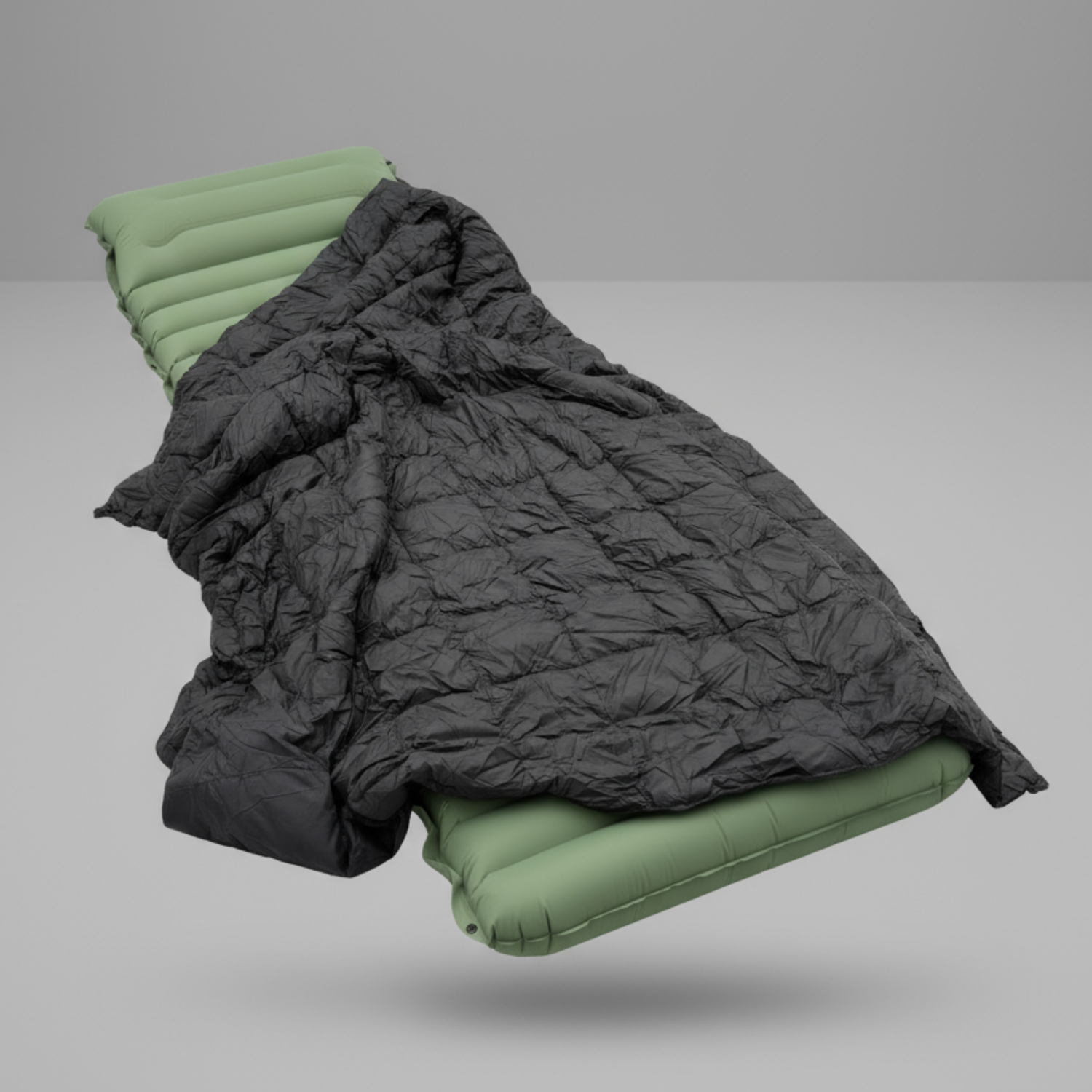
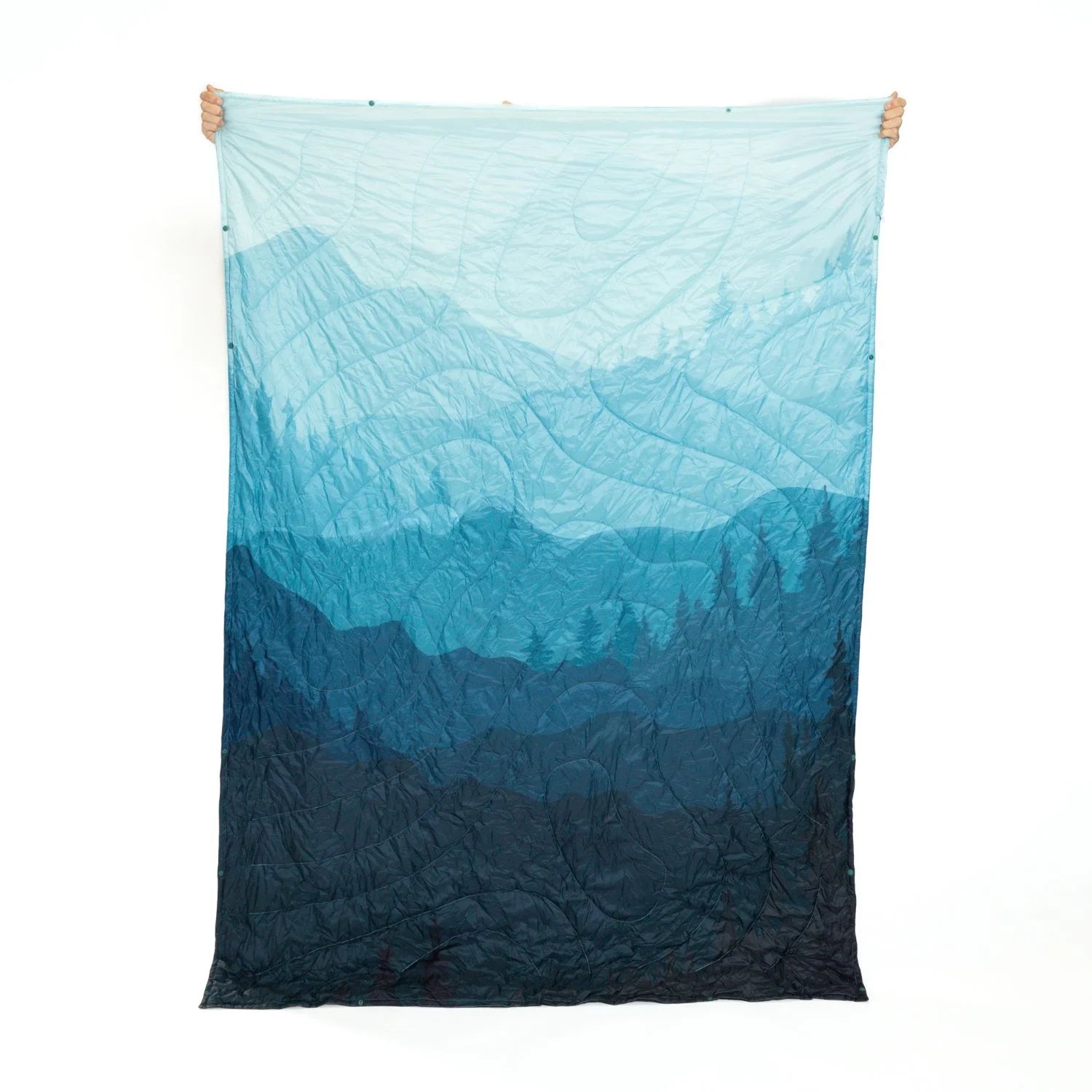
For warmer evenings and chillier mornings, the Airwrap puffy adventure blanket packs down small to sit alongside your seat in the same bag.
Compact design means planning a product so it takes up very little space, particularly when packed or stored, while still working properly. In seating, that means a small packed size, low weight and a seat that stays comfortable and steady when unfolded.
Not necessarily, but size alone never guarantees comfort. Testers such as Promobil give comfort half of the overall score, and they penalize seats that are too low or wobbly. Check seat height, stability and load capacity along with packed size.
Look at the listed load capacity and compare it with your weight, leaving a healthy margin. Wirecutter’s 2026 guide says its tested picks generally support at least 300 pounds, which is a handy benchmark for adult seating. Frame structure matters too, because well-designed tension and support spread the load.
It can be. Smart engineering can cut material use, as one 2024 study did with a 34.8% reduction in steel for a seat frame. Recycled fabrics and reclaimed metals help as well. Because materials and weight interact, it’s best to look at the full spec, not a single figure.
Anyone who carries their seat: hikers, campers, travelers, commuters and city dwellers short on storage. If you’ve ever stood in a queue or squatted at a trailhead wishing you had somewhere to sit, a compact seat is for you.