Cart
0
Sign up and get 10$ off your order
Expected delivery
1-3 days
You may also like


Danish Company


You’ve layered up, pulled on your thickest socks, and wrapped yourself in a blanket that could double as a sleeping bag. And yet, somehow, your backside is still freezing against that cold metal bleacher or damp camping chair. Sound familiar? The truth is, seat warmers provide localized heat that blankets and layers simply can’t replicate, especially when wind and moisture are working against you. This guide breaks down exactly what seat warmers are, why they outperform traditional solutions, and how to pick the right one for your next cold-weather adventure.
| Point | Details |
|---|---|
| Targeted heat is superior | Seat warmers provide focused warmth even in windy or wet outdoor environments for superior comfort. |
| Health and endurance boost | Using a seat warmer helps prevent cold-related fatigue and allows you to enjoy outdoor activities longer. |
| Safety and smart usage | Certified seat warmers with auto shut-off and multi-level heat ensure safe, reliable cold-weather comfort. |
| Portable and practical | Modern seat warmers are light, rechargeable, and offer hours of warmth, making them ideal for any outdoor event. |
Before we get into the good stuff, let’s nail down what seat warmers are and what’s actually happening inside them when you flip that switch.
Portable seat warmers are compact, cushioned pads designed to generate heat directly beneath you. They come in a few main varieties: battery-powered pads, USB-connected cushions, and integrated heated chair accessories. The magic happens through one of two heating technologies:
Portable seat warmers use electrical resistance or carbon fiber heating elements powered by batteries or USB banks, making them genuinely portable for outdoor use. The result is consistent, targeted warmth right where your body loses heat fastest: your core and lower body.
Pro Tip: If you’re using a USB power bank, choose one rated at 10W output or higher. Anything lower and your seat warmer may struggle to reach its top heat setting in cold air.
Okay, so the technology is clever. But what does it actually do for you when you’re parked in a stadium seat at 28°F or sitting around a campfire in October?
The benefits of seat warmers for outdoor comfort go well beyond just feeling cozy. Here’s what you’re actually getting:
“Seat warmers help prevent hypothermia, reduce muscle stiffness, improve circulation, and extend outdoor activity comfort” — a combination that no amount of extra socks can fully replicate.
The health and comfort advantages are especially noticeable during activities lasting more than 90 minutes in temperatures below 40°F. That’s when passive insulation starts losing the battle and active heat becomes a genuine game-changer.
Pro Tip: Pair your seat warmer with an insulated seat pad underneath it. The pad blocks cold from the surface below while the warmer heats you from above. Double the defense, double the comfort.
This is the question most people don’t think to ask until they’re already shivering under a fleece blanket wondering why it’s not working. Let’s settle it.
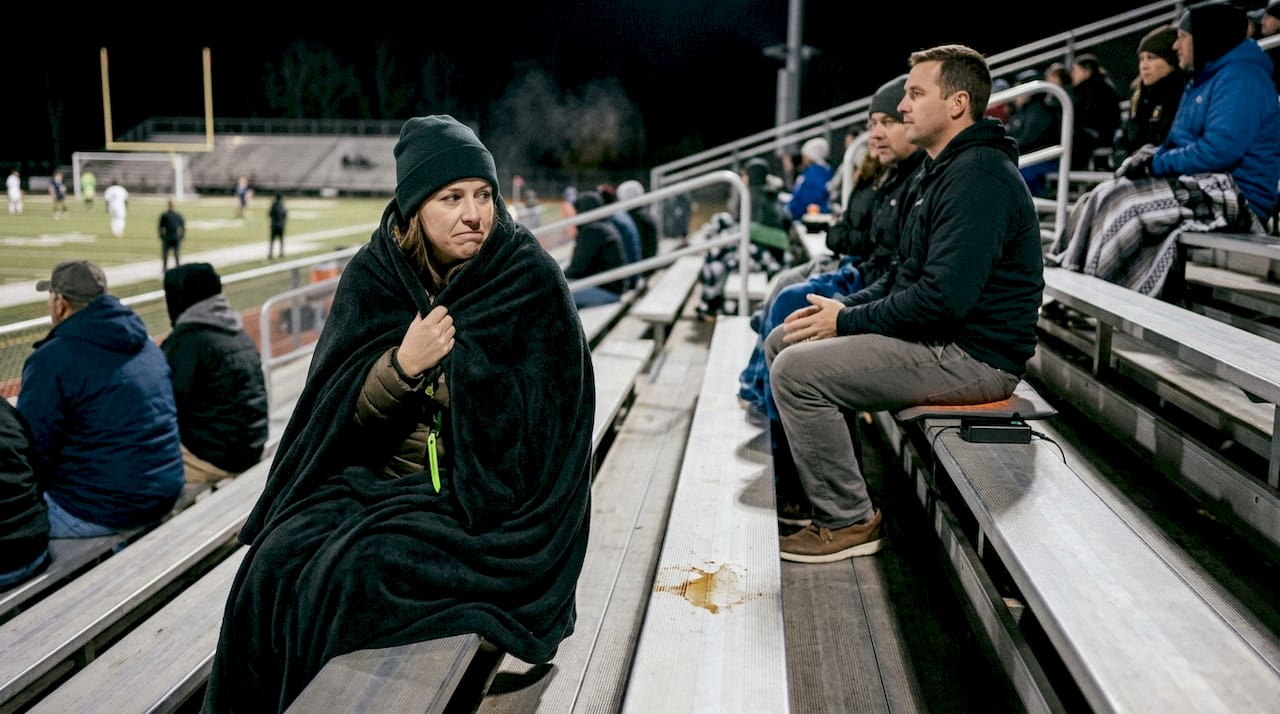
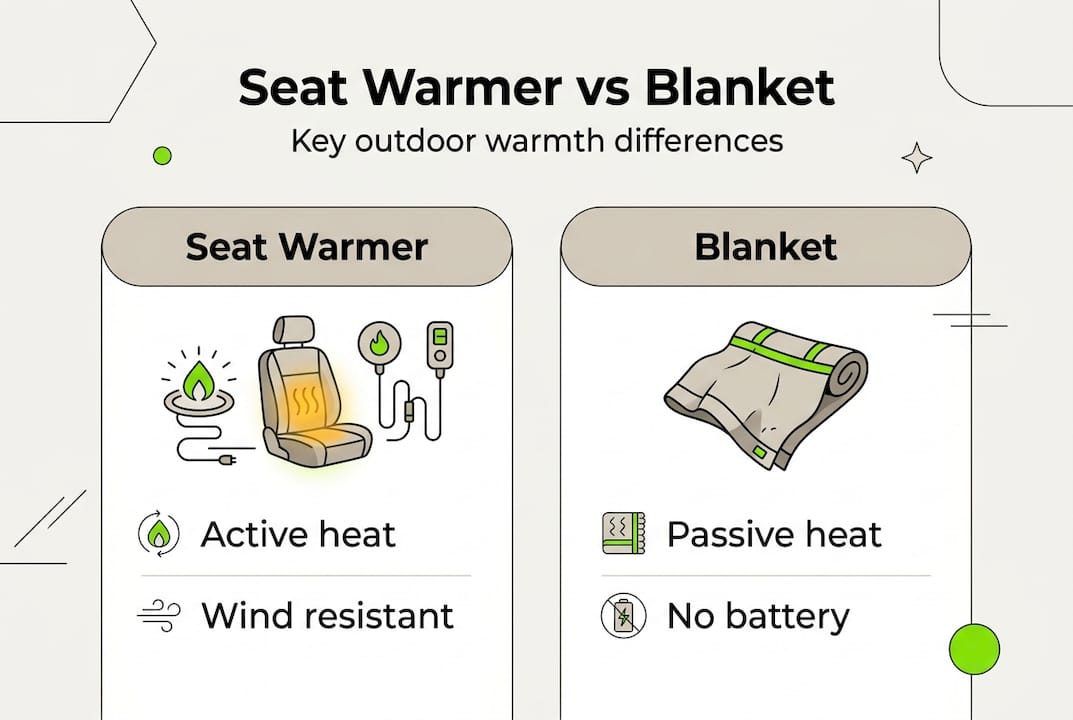
Blankets work by trapping your body heat in a layer of air around you. That’s great in still, dry conditions. But the moment wind picks up or moisture gets involved, that trapped air escapes and your warmth goes with it. Active heat solutions like seat warmers perform significantly better than blankets in wind and damp conditions because they generate heat continuously rather than relying on what your body already produces.
Here’s a side-by-side look at how seat warmers compare to blankets in real outdoor scenarios:
| Feature | Seat warmer | Blanket |
|---|---|---|
| Heat source | Active (electric) | Passive (body heat) |
| Wind resistance | High | Low |
| Wet conditions | Good (water-resistant models) | Poor |
| Portability | Compact, lightweight | Bulky when wet |
| Duration of warmth | Consistent (battery-dependent) | Fades as conditions worsen |
| Hands-free use | Yes | Often requires holding |
The blanket wins on simplicity and zero battery anxiety. But for serious cold-weather sitting, the seat warmer wins on almost every practical metric. Think of the blanket as your backup and the seat warmer as your frontline defense.
Now let’s talk numbers, because knowing what’s under the hood helps you avoid buying a dud.
Battery pack size and power draw determine how long your seat warmer runs. Here’s a practical breakdown:
| Battery capacity | Low setting runtime | High setting runtime |
|---|---|---|
| 10,000mAh | Up to 11 hours | 4 to 5 hours |
| 15,000mAh | Up to 16 hours | 6 to 7 hours |
| 20,000mAh | Up to 22 hours | 8 to 11 hours |
Those numbers assume moderate temperatures. In extreme cold or wind, expect roughly 20 to 30% shorter runtimes as the battery works harder.
Safety features to look for in any quality model:
Risks like burns or battery drain are rare but real if you buy uncertified gear or ignore usage guidelines. Stick to certified models and you’ll be fine. You can explore portable seating options that pair well with seat warmers for a complete cold-weather setup.
Pro Tip: To estimate your runtime needs, multiply your desired hours by the wattage of your seat warmer, then add 25% buffer for cold weather drain. A 15W warmer for 6 hours needs roughly 112Wh, which is about 30,000mAh. Plan accordingly.
With so many options on the market, picking the right seat warmer comes down to matching specs to your actual outdoor habits. Here’s how to do it without overthinking it.
Ideal seat warmers should be certified, water-resistant, and offer multiple heat settings with enough battery for your activity duration. Use these steps to guide your decision:
For vulnerable users, including seniors, diabetics, or anyone with poor circulation, always start on the lowest setting and check your skin every 20 to 30 minutes. The warmth can feel deceptively mild while still causing irritation over time.
For everyone else, the best seat warmer selection tips point to one consistent truth: combining a quality seat warmer with insulated layers gives you the most efficient, longest-lasting warmth system for any cold-weather outing.
Pro Tip: On low settings, most seat warmers use 5 to 8 watts. That’s incredibly efficient. Running on low for most of your outing and bumping to high only when you really need it can nearly double your battery life.
You now know the science, the comparisons, the specs, and the smart buying strategies. The next step is putting that knowledge to work before your next cold-weather adventure leaves you wishing you’d planned better.
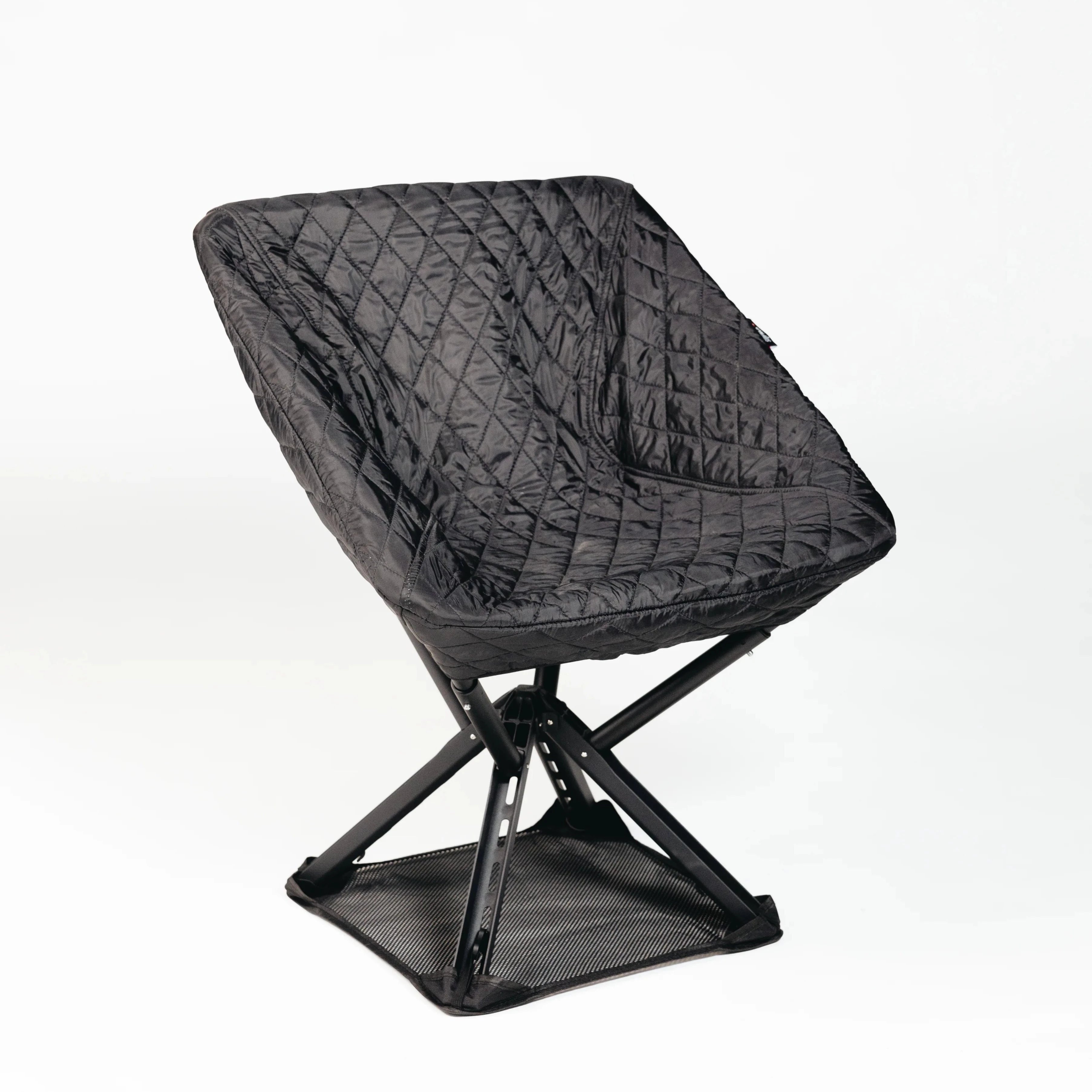
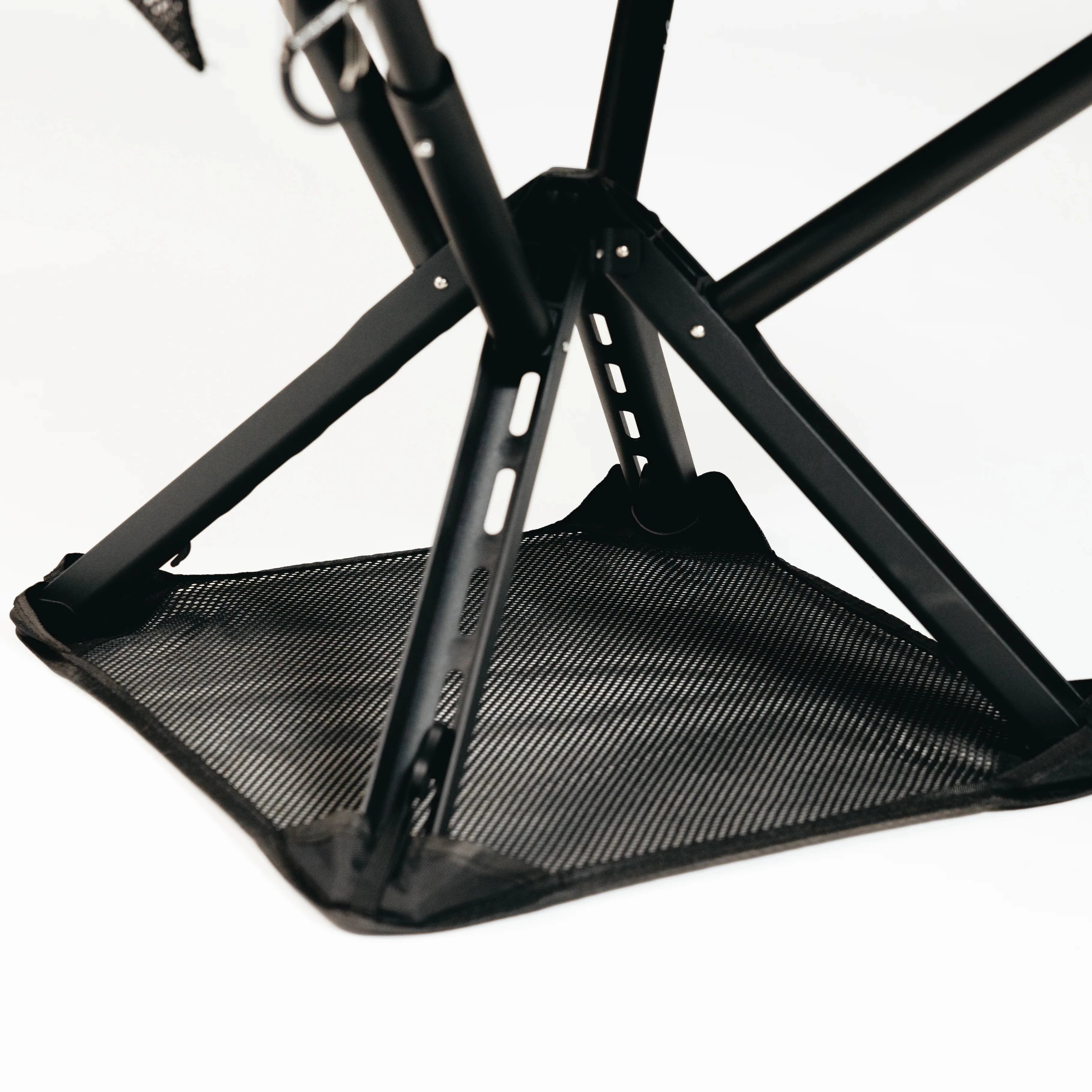
At Sitpack, we’ve built our entire lineup around the idea that outdoor comfort shouldn’t require a truck full of gear. Our portable outdoor comfort solutions include seat warmers, thermal blankets, and innovative foldable chairs like the Campster II and Sitpack Zen, all designed to be lightweight, durable, and genuinely useful in the field. Whether you’re tailgating, camping, or cheering from the bleachers, we’ve got the gear to keep your posterior warm and your spirits high. Browse our collection and find the setup that fits your adventure style.
Most seat warmers offer 4 to 11 hours of heat per charge, depending on battery capacity and the heat setting you choose. Higher settings drain the battery significantly faster than low or medium.
Certified seat warmers with automatic shut-off and multi-level heat are generally safe, but users with circulation issues or sensitive skin should monitor usage closely and stick to the lowest effective setting.
Look for water-resistant certified models with at least an IPX4 rating for outdoor use in damp conditions. Always keep the battery pack itself dry and sheltered from direct rain.
Battery management and quality variance are the primary downsides, along with possible reduced performance in extreme wind or cold. Buying certified gear from reputable brands eliminates most of these concerns upfront.