Cart
0
Sign up and get 10$ off your order
Expected delivery
1-3 days
You may also like
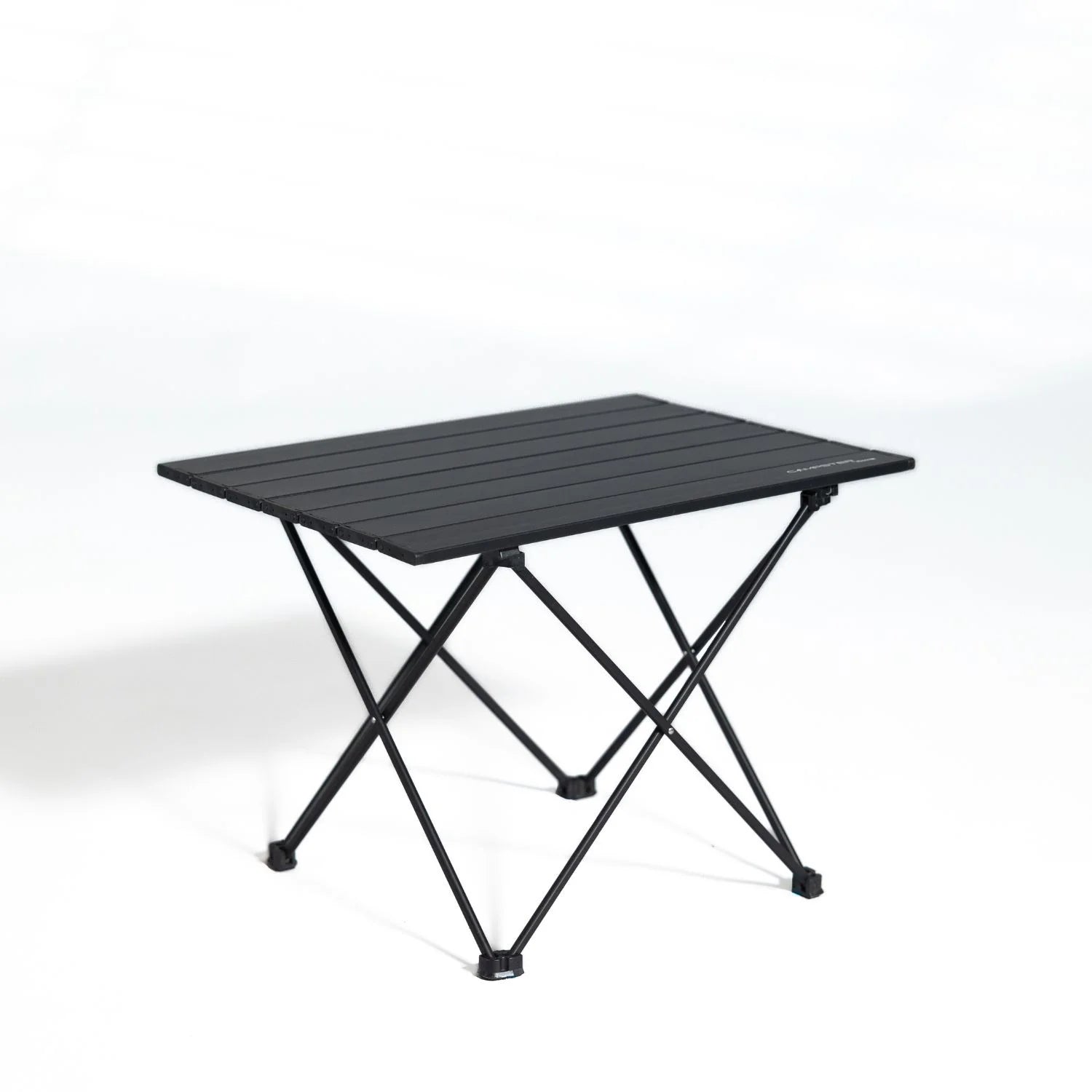
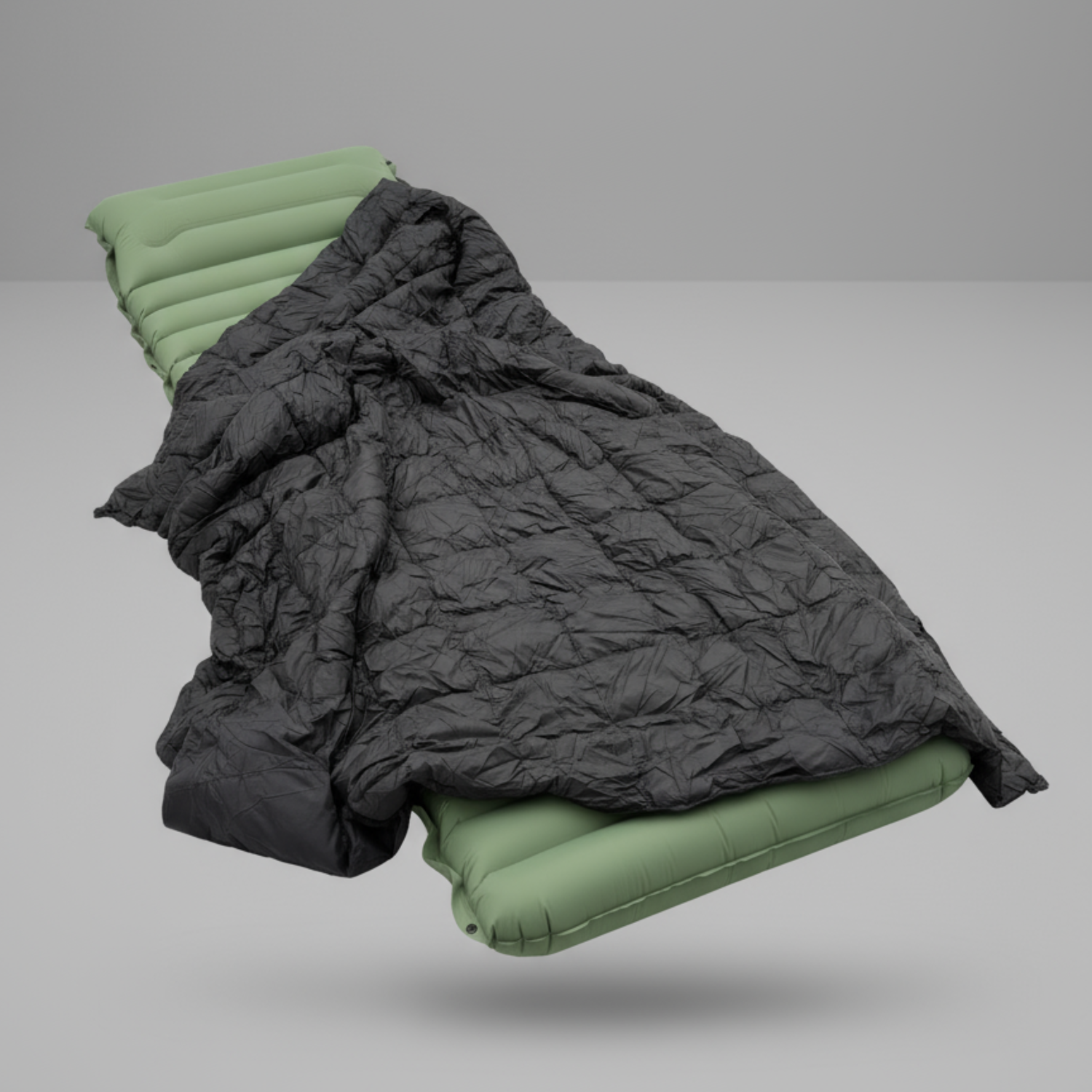


Danish Company


Most people assume that heading into the great outdoors means choosing between a car trunk stuffed with bulky gear or sleeping on a thin foam pad that leaves your back screaming by morning. Neither option sounds particularly appealing, right? Convertible furniture flips that script entirely. These multi-functional pieces are redefining what it means to travel light without sacrificing comfort, and whether you’re a weekend camper, a festival-hopper, or someone who just needs a smarter setup for a tiny apartment, this guide breaks down exactly what convertible furniture is, how it works, and how to pick the right piece for your adventures.
| Point | Details |
|---|---|
| Space-saving multipurpose use | Convertible furniture transforms from one function to another, making it perfect for camping and travel. |
| Choosing the right mechanism | Match the mechanism style to how often you’ll use and transport the furniture. |
| Durability is crucial | Prioritize rust-resistant materials and rugged fabrics for outdoor reliability. |
| Know the trade-offs | Convertible furniture may cost more and offer less comfort than single-use pieces, but the space savings and flexibility are unmatched. |
So what exactly is convertible furniture? At its core, convertible furniture transforms between multiple uses, like sofa to bed, table to bench, or cot to bench, using mechanisms like folding, sliding, pulling out, lever-locking, or jackknife unfolding to save space. It’s not a new concept. Convertible furniture started indoors, solving the age-old problem of small apartments and studio living. But over the past two decades, designers and outdoor brands have taken those same principles and applied them to camping, travel, and urban outdoor spaces.
The benefits of compact furniture for travelers and campers are enormous. You get more function from fewer items, which means less to carry, less to lose, and less to spend overall. Here’s what makes a piece truly “convertible”:
“The best convertible furniture doesn’t feel like a compromise. It feels like a clever upgrade.”
Understanding multi-functional furniture basics helps you spot quality designs versus gimmicky ones that fall apart after three uses.
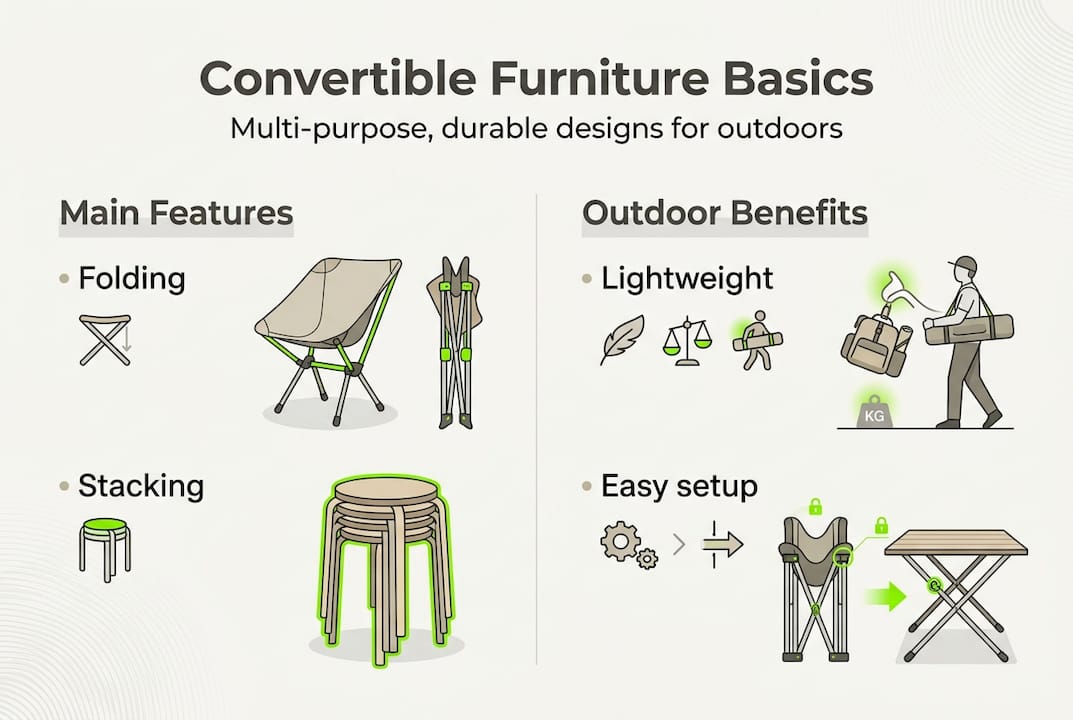
Knowing what convertible furniture is helps, but understanding how it works empowers you to make genuinely smart choices. The main mechanical systems include click-clack (back folds down), pull-out (bed slides from under), rapido (seat lifts, cushions underneath), lever-locking or pivot arm (prevents sagging), jackknife (lay-flat unfold), and X-frame folding (sit or sleep). Each has its strengths.
For outdoor use, simplicity wins. Complex mechanisms with lots of moving parts are fine in a living room, but expose them to dirt, moisture, and rough handling and they’ll wear out fast. Here’s how the main systems stack up for outdoor adventurers:
| Mechanism | Ease of use | Durability outdoors | Best for |
|---|---|---|---|
| Folding/X-frame | Very easy | High | Chairs, tables, cots |
| Jackknife | Easy | Medium-high | RV sofas, benches |
| Lever-locking | Moderate | Very high | Camping cots |
| Pull-out | Moderate | Medium | RV beds, indoor use |
| Click-clack | Easy | Medium | Indoor/occasional use |
Pro Tip: When selecting camp chairs or cots for frequent outdoor use, prioritize lever-locking or simple folding mechanisms. They handle rough terrain and repeated setup far better than pull-out or click-clack systems.
A pivot arm camping cot is a great real-world example of lever-locking done right. The pivot arm prevents the frame from sagging under weight, which is a common failure point in cheaper designs.
Now that you know how the mechanics work, let’s talk about which products actually deliver for campers, travelers, and outdoor event-goers. The Disc-O-Bed convertible system is one of the most impressive examples out there. It converts between a bunk bed, two single cots, or a bench, making it genuinely useful for families or groups where space is tight.
The Helinox Cot One uses a lever-locking system and weighs in at an ultralight spec that backpackers actually appreciate. Jackknife sofas are a staple in RV culture, folding flat for travel and opening into a sleeping surface in seconds. And folding picnic tables with attached benches? They’re the unsung heroes of outdoor events, setting up in under two minutes and seating a whole crew.
| Product type | Weight | Capacity | Setup time | Configurations |
|---|---|---|---|---|
| Disc-O-Bed | ~26 lbs | 500 lbs | 3-5 min | Bunk, single, bench |
| Helinox Cot One | ~2.9 lbs | 320 lbs | 2-3 min | Flat cot |
| Jackknife sofa | ~40-60 lbs | 400 lbs | Under 1 min | Sofa, bed |
| Folding picnic table | ~15-25 lbs | 300 lbs | 1-2 min | Table + bench |
The compact furniture advantages really shine when you’re comparing these to traditional single-use camping gear. And if you want to go even lighter, the advantages of foldable chairs for outdoor use are worth exploring. For a solid mid-range option, the Gonex ultra comfort camping cot hits a sweet spot between weight and support.
Choosing the right type is just the start. To get real value from your investment, you need to match the specs to your actual use case. Weight capacities range from 120 to 600 lbs across top outdoor models, with packed sizes as compact as 21 by 6.5 inches for ultralight options like the Helinox. Setup times run from one to five minutes, all tool-free.
“The best outdoor convertible furniture sets up faster than you can argue about where to pitch the tent.”
Here’s a practical checklist for evaluating any outdoor convertible piece:
The importance of pack size can’t be overstated, especially if you’re backpacking or using public transit to reach your destination. And for long-term durability, camping cot construction details like reinforced joints and weather-treated fabrics make a measurable difference over seasons of use.

Even the best convertible furniture comes with trade-offs. Let’s be honest about both sides so you can make a realistic call.
Pros:
Cons:
The comfort gap is real but manageable. A convertible cot won’t feel like your bed at home, but it beats a sleeping pad on cold ground by a wide margin. The key is matching the product to your actual frequency of use.
Pro Tip: If you’re using convertible furniture more than ten times a year, invest in a model with a robust lever-locking or reinforced folding frame. Cheaper mechanisms fail under repeated stress. Also, always measure the fully converted dimensions before buying. A sofa-bed that’s too wide for your tent door is just a very expensive doorstop.
For a candid look at how sofa-bed comfort compares across different mechanism types, real-world reviews are your best resource. And the benefits of foldable outdoor furniture go well beyond just saving space.
With a full picture of the pros and cons, you’re ready to make a smart pick. Here’s a step-by-step approach that cuts through the noise:
For campers and travelers, prioritize rust-resistant frames in steel or aluminum, fabrics rated 300D to 600D, and a weight capacity of 300 lbs or more for real-world safety. Pack weight should ideally stay under 20 lbs for portability.
A quick feature checklist for your shopping shortlist:
For tips on camp chair selection that complement your convertible setup, it’s worth reading up before you buy. And if you’re eyeing a multi-use table for picnics, folding transformer tables are worth a look for their clever design.
If all this talk of convertible furniture has you itching to upgrade your outdoor kit, you’re in the right place. At Sitpack, we’ve built our entire lineup around the idea that great outdoor gear should be light, smart, and genuinely fun to use. No compromises, no hauling a furniture store’s worth of gear to the trailhead.
From ultra-portable foldable chairs to clever accessories that make any outdoor setup feel like home, our portable convertible furniture collection is designed for people who actually go outside and use their gear hard. Whether you’re planning a weekend camping trip, a city picnic, or a cross-country road adventure, we’ve got space-saving solutions that punch well above their weight. Explore the full range and find your perfect outdoor companion.
Convertible furniture transforms between at least two distinct uses, like sofa to bed or cot to bench, using built-in mechanisms such as folding, sliding, or jackknife unfolding. The key is that no extra parts are needed; the transformation is built into the design itself.
Absolutely, when you choose the right model. Top outdoor options feature rust-resistant steel or aluminum frames and rugged fabrics, with weight capacities from 120 to 600 lbs and tool-free setups that hold up across seasons.
Bunkable cots like the Disc-O-Bed, ultralight lever-locking cots, jackknife sofas for RVs, and folding picnic tables with attached benches are the top picks for versatile, compact camping setups.
Yes, and it’s worth knowing upfront. Higher cost, mechanism wear, and occasional comfort trade-offs compared to single-use pieces are the main downsides, especially for daily or very heavy use.
Keep mechanisms clean and dry after each trip, store the piece indoors or in a weather-resistant bag, and run through the conversion cycle a few times each season to catch any wear early. Matching mechanism complexity to your actual use frequency is the single best way to extend product life.