カート
0
サインアップすると注文から 10 ドル割引になります
配達予定
1〜3日
こちらもおススメ


デンマークの会社

TL;DR:
- Airport seating alternatives include lounges, sleep stations, workspace pods, modular terminal seats, and portable seats. These options improve comfort and convenience for travelers during long layovers or delays. Access can often be obtained through pay-per-use, advance booking, or carry-on portable solutions.
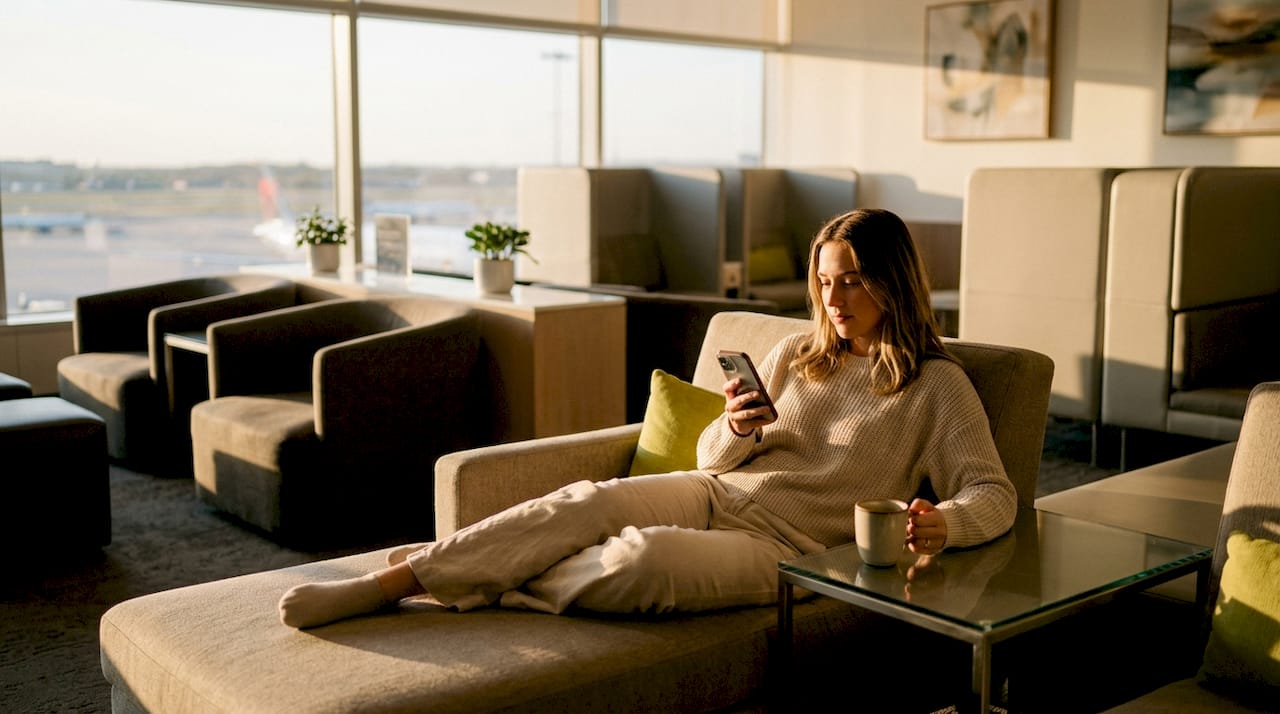
Airport seating alternatives are defined as non-traditional rest and work options beyond standard terminal gate chairs, including lounges, sleep stations, workspace pods, and portable seats. If you’ve ever spent three hours on a hard plastic chair at a gate, watching your back slowly stage a protest, you already know why airport seating alternatives explained properly can genuinely change how you experience a layover. Airports worldwide are rethinking passenger comfort, with modular seating systems, private rest cabins, and pay-per-use lounges reshaping what it means to wait. This guide breaks down every major option, how to access them, and what actually works when you’re stuck between flights.
Airport seating alternatives fall into five clear categories, each solving a different comfort problem.
Independent airport lounges are the most recognized option. Networks like The Club and Plaza Premium operate across major hubs and offer food, drinks, quiet seating, and showers. You don’t need a business class ticket or elite status to get in. Day passes range from $40 to $70 per visit, which beats three hours on a rigid gate chair by a wide margin.
Private sleep stations and rest cabins are bookable by the hour and give you a private pod or cabin to actually lie down. These are not cots in a corner. Sleep stations offer single-person nap pods and multi-person cabins, designed specifically to relieve pressure in crowded gate areas.
Workspace pods serve travelers who need to work, not just rest. These enclosed units come in single-user, multi-user, and ADA-compliant configurations. They include power outlets, soundproofing, and enough privacy to actually focus.
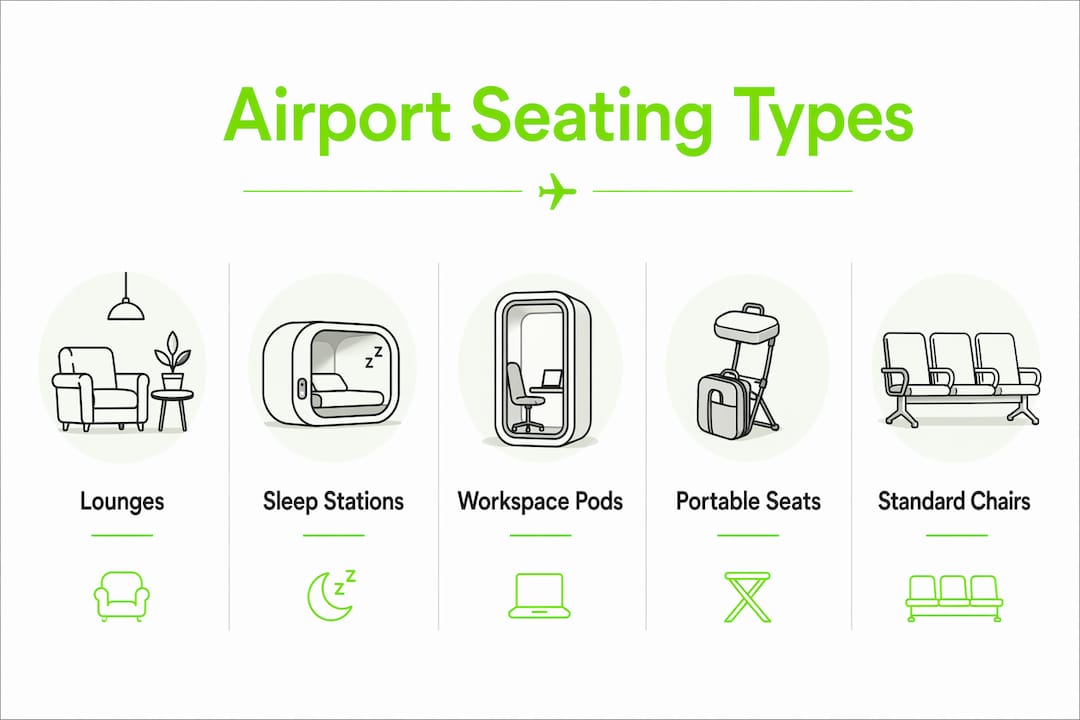
Modular seating systems are the airport’s own answer to comfort. Designs like the Bay System by Poltrona Frau include integrated power outlets, ambient lighting, and configurable layouts that balance traffic flow with individual comfort. These are built into the terminal itself, not something you book separately.
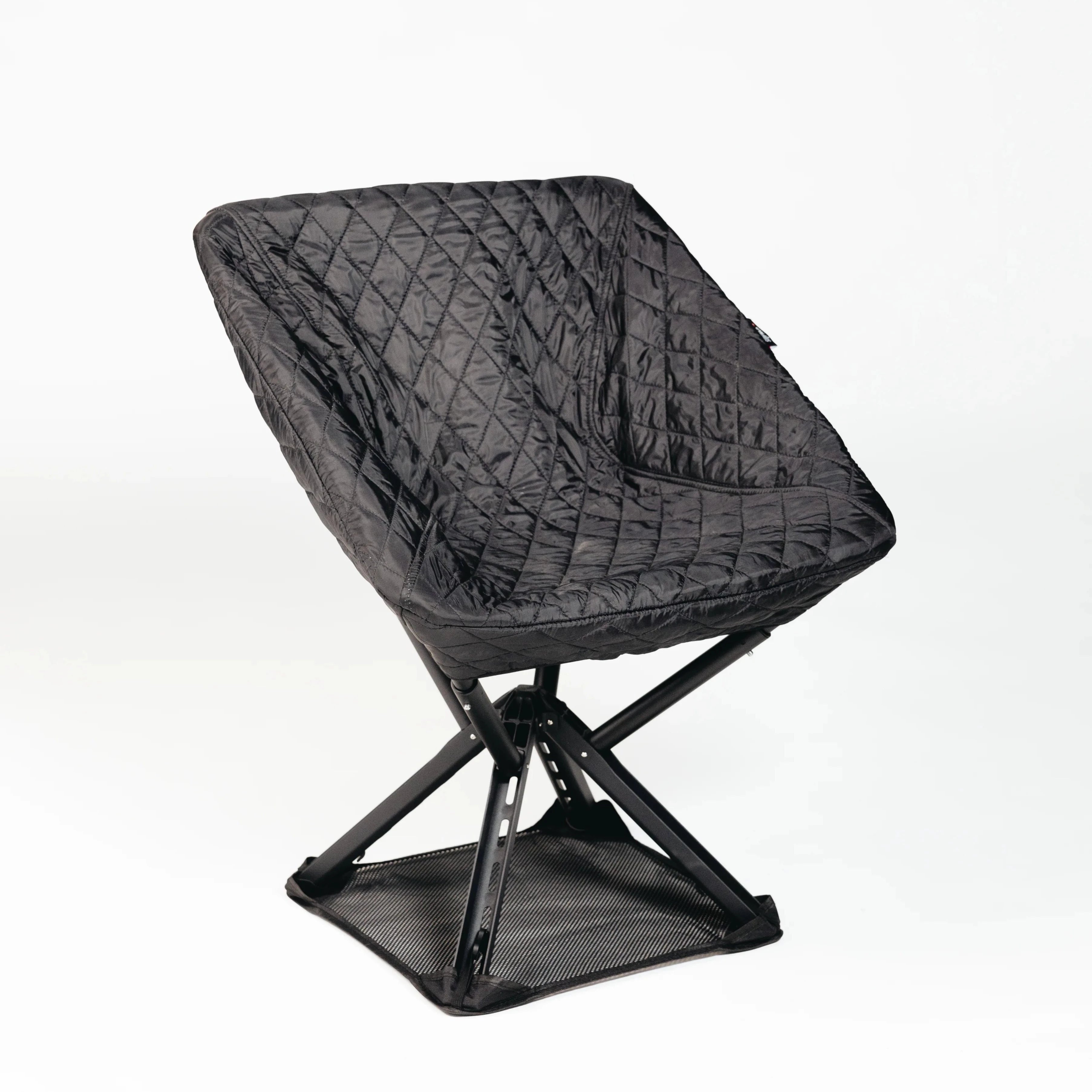
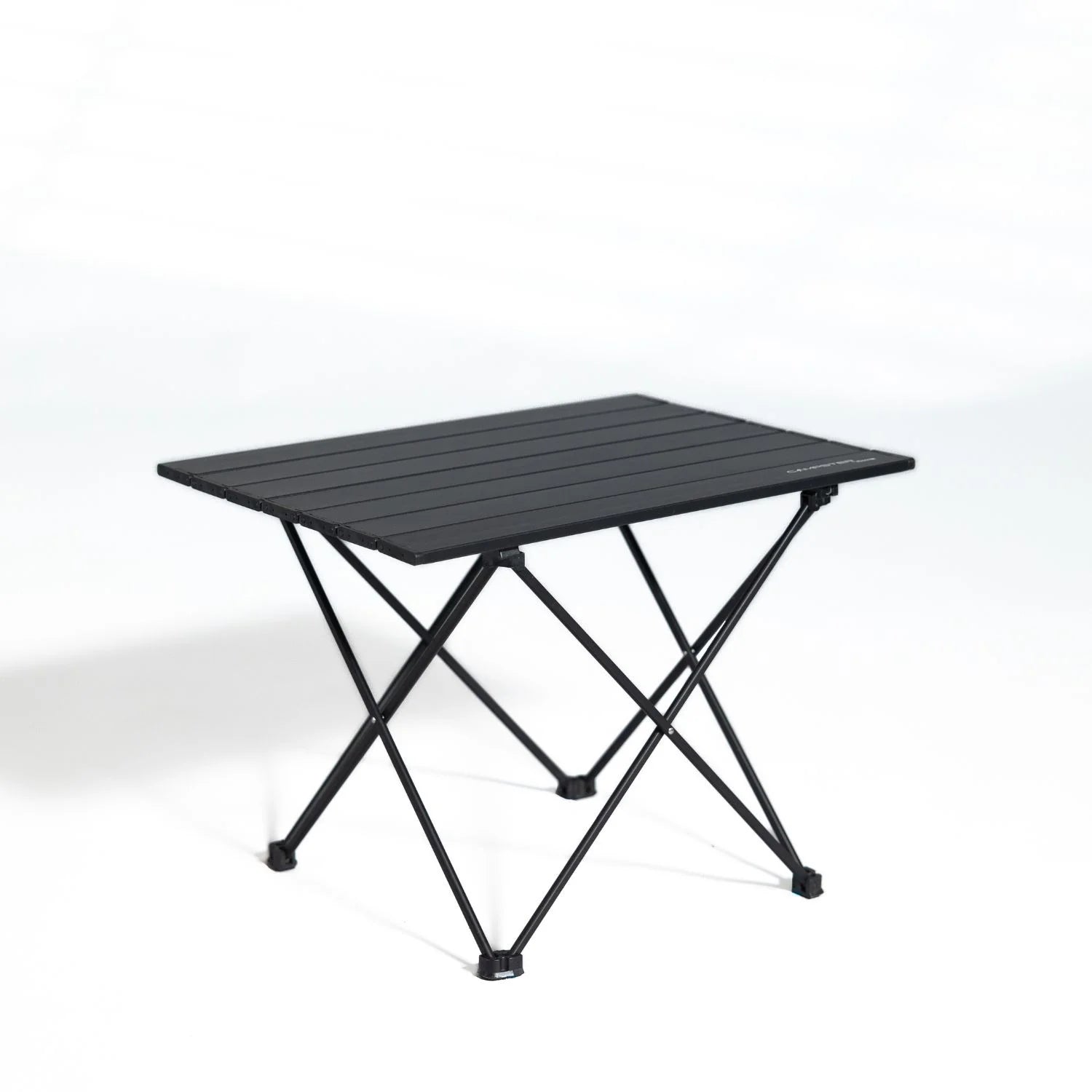
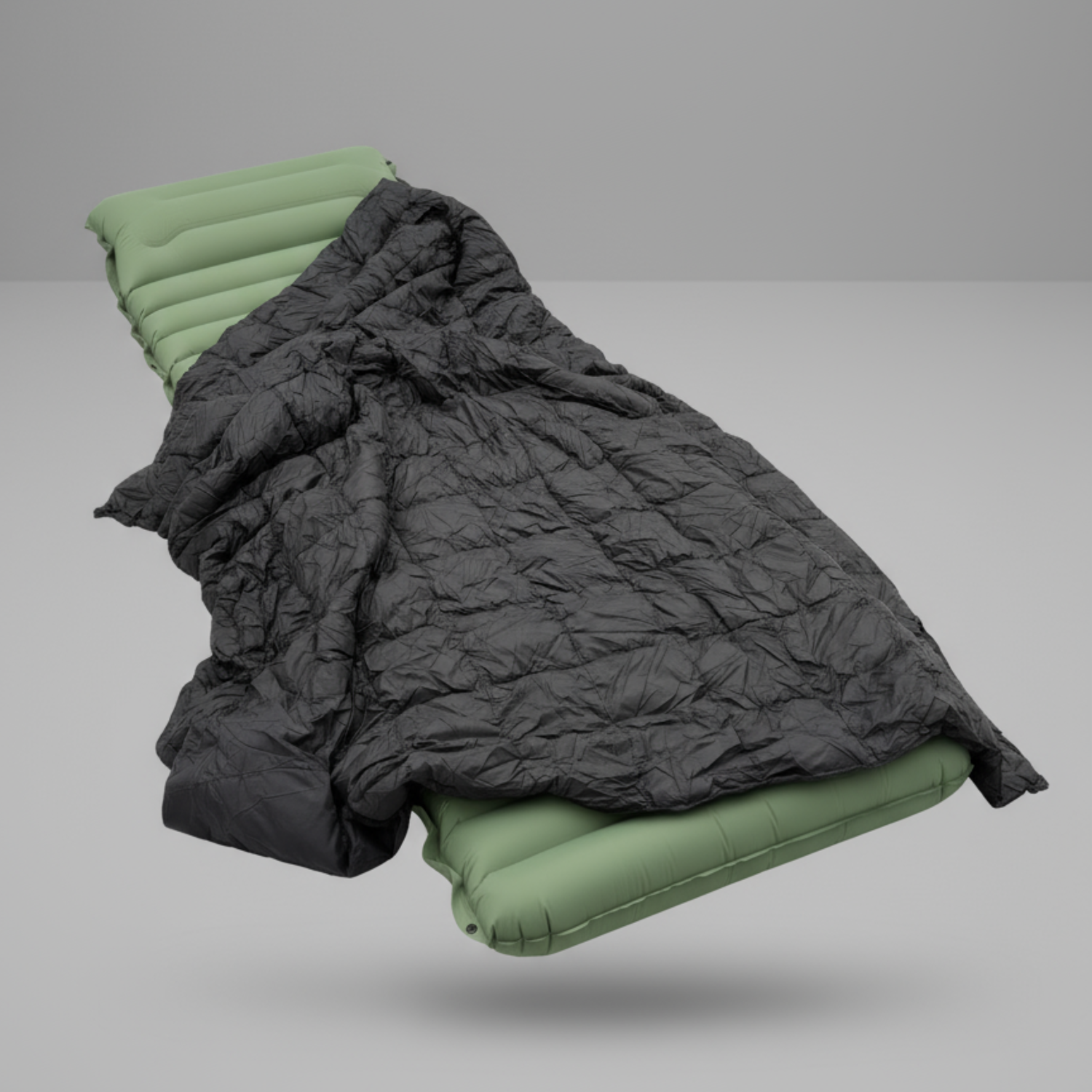
Portable personal seating is the traveler-controlled option. Lightweight foldable stools, inflatable cushions, and compact seat pads slip into a carry-on and work anywhere, including gates, floors, and outdoor transit areas.
Pro Tip: Check the airport’s official website or a lounge app like LoungePair before you fly. Some terminals have more alternative seating options than you’d expect, and knowing in advance saves you from wandering the terminal like a lost carry-on.
Travelers often overestimate how much it costs to get into a lounge. Many airports partner with third-party lounge networks that offer pay-per-use access, no elite status required. The assumption that lounges are only for business class passengers is simply outdated.
Here are the most practical ways to get in:
One thing travelers miss: high-traffic lounges stop selling day passes when at capacity, even if you’re willing to pay. Members and elite status holders get priority. This is not a policy you can negotiate at the door.
Pro Tip: If a lounge turns you away, ask the staff when capacity typically opens up again. Lounges often free up seats after a wave of departures, and a 20-minute wait in a nearby cafe can get you in.
Sleep stations are one of the most genuinely useful airport seating solutions for long layovers, and also one of the most misunderstood. They are not budget accommodations. They are purpose-built rest spaces, bookable by the hour, designed for travelers who need real sleep between flights.
Benefits worth knowing:
Limitations that catch travelers off guard:
Airports see sleep stations as both a passenger service and a revenue source. Airports view sleep stations as important revenue generators that also reduce gate congestion. That dual purpose explains why more hubs are adding them, but also why availability stays limited by design.
Pro Tip: Book your sleep station slot the moment your layover is confirmed, not when you land. Digital booking through the provider’s app is the only reliable way to guarantee a spot during peak hours.
Workspace pods are the fastest-growing category of alternative airport seating, driven by the rise of hybrid work and the reality that business travelers often need to work between flights, not just rest. A pod gives you a private, quiet space with power and connectivity, which a gate chair simply cannot offer.
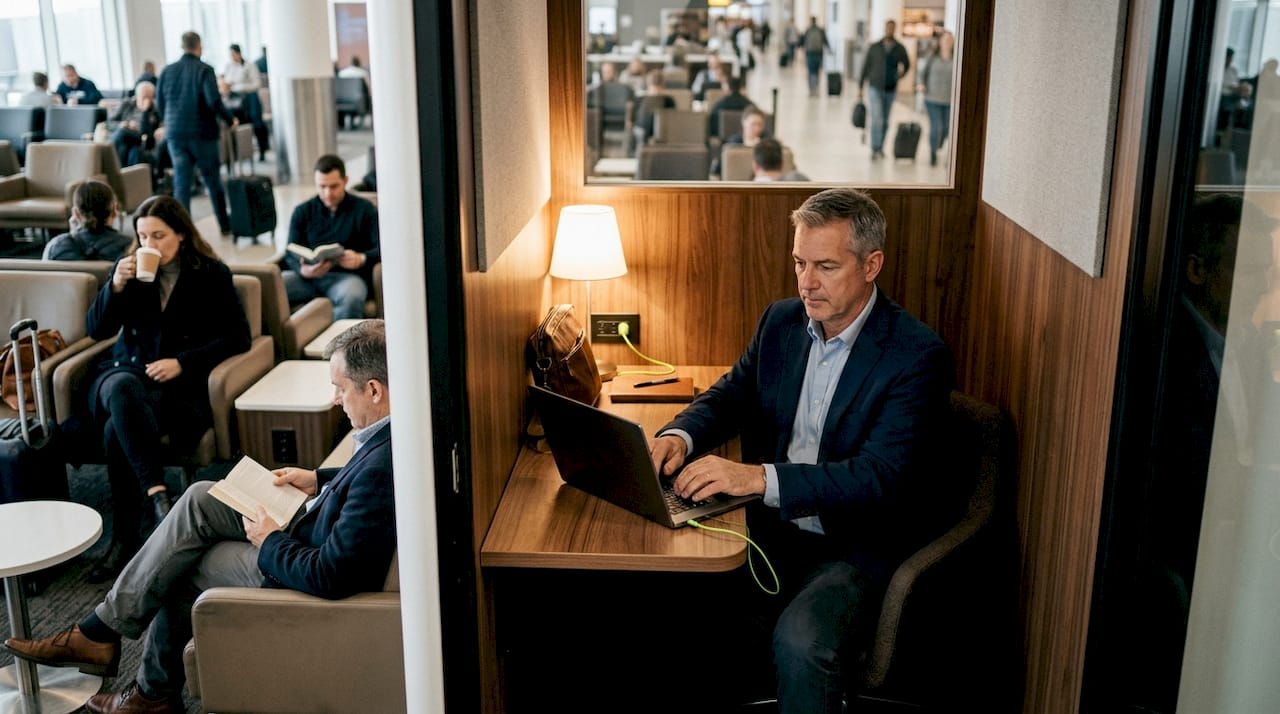
Pods like WeWork Go come in three configurations: single-user, multi-user for up to four people, and ADA-compliant units. That range means pods serve solo travelers, small teams, and travelers with accessibility needs.
| Pod type | Best for | Key feature |
|---|---|---|
| Single-user | Solo work or calls | Maximum privacy |
| Multi-user (up to 4) | Small team meetings | Shared power and screen |
| ADA-compliant | Accessibility needs | Wider entry, adjusted height |
Soundproofing is the feature travelers notice most. Gate areas are loud by design, and even partial noise isolation changes how well you can focus or take a call. Most pods also include USB and standard power outlets, which removes the scramble for the one working outlet near gate C14.
Pro Tip: If you need a pod for a video call, book it at least a day ahead. Single-user pods at major hubs fill up fast during morning and early afternoon business hours.
Portable seating is the one airport seating solution entirely under your control. No booking required, no availability issues, no capacity limits. You carry it, you use it, end of story.
Experienced travelers recommend portable sleep pads and foldable personal seats for guaranteed comfort, because many airport gate areas still use fixed hard seats with no padding and no lumbar support. Carrying your own seating is not eccentric. It is practical.
What works best for airport use:
The key selection criteria for airport portable seating are weight, pack size, and security compatibility. Your seat needs to fit in your carry-on or attach to your bag without triggering security concerns. Inflatable cushions and foldable pads clear security without issue. Compact foldable stools also pass without problems in most airports.
Experts recommend carrying lightweight personal seating for unpredictable airport conditions, particularly at smaller regional airports where lounge access and workspace pods simply do not exist. Portable seating covers you in every terminal, every gate, every situation.
Pro Tip: Pair a compact foldable stool with a good travel sock for long layovers. Circulation matters when you’re sitting for hours, and both items weigh almost nothing in a bag.
Airport seating alternatives give travelers real control over comfort, from pay-per-use lounges and bookable sleep stations to portable seats you carry yourself.
| Point | Details |
|---|---|
| Lounge access is affordable | Day passes at networks like The Club or Plaza Premium cost $40 to $70, no membership needed. |
| Book sleep stations early | Peak-hour pods fill hours in advance; digital booking is the only reliable method. |
| Workspace pods serve hybrid workers | Single, multi-user, and ADA-compliant pods offer soundproofing and power at major hubs. |
| Portable seating covers every gap | Foldable stools and inflatable cushions work anywhere, require no booking, and clear security easily. |
| Modular terminal design is improving | Systems like the Bay System by Poltrona Frau show airports investing in built-in ergonomic comfort. |
I’ve parked my posterior in a lot of airport chairs across a lot of terminals, and here’s what I’ve learned: the travelers who wait comfortably are the ones who plan for seating the same way they plan for flights.
Lounges are genuinely worth it for layovers over two hours. The $40 to $70 day pass pays for itself in food, quiet, and the ability to sit in a chair that doesn’t feel like it was designed to discourage lingering. But the booking window matters. I’ve been turned away from a lounge at 7 a.m. because it was already at capacity. That experience cured me of showing up and hoping.
Sleep stations surprised me the most. I was skeptical the first time I used one, expecting something between a broom closet and a camping cot. What I got was genuine rest. The privacy alone is worth the hourly rate for an overnight connection. The catch is that advanced digital booking is non-negotiable at busy hubs.
The thing I keep coming back to, though, is portable seating. Lounges and pods are great when they’re available. But a compact foldable stool in your bag is available everywhere, every time. Airports are getting better at ergonomic seating design, but the pace is slow and the coverage is uneven. Carrying your own comfort is the one strategy that never gets sold out.
— Jonas
Lounges and sleep pods are great when you can get them. But what about the gate with no lounge nearby, the regional airport with zero pods, or the connection that’s too short to book anything? That’s exactly where a Sitpack portable seat earns its place in your bag.
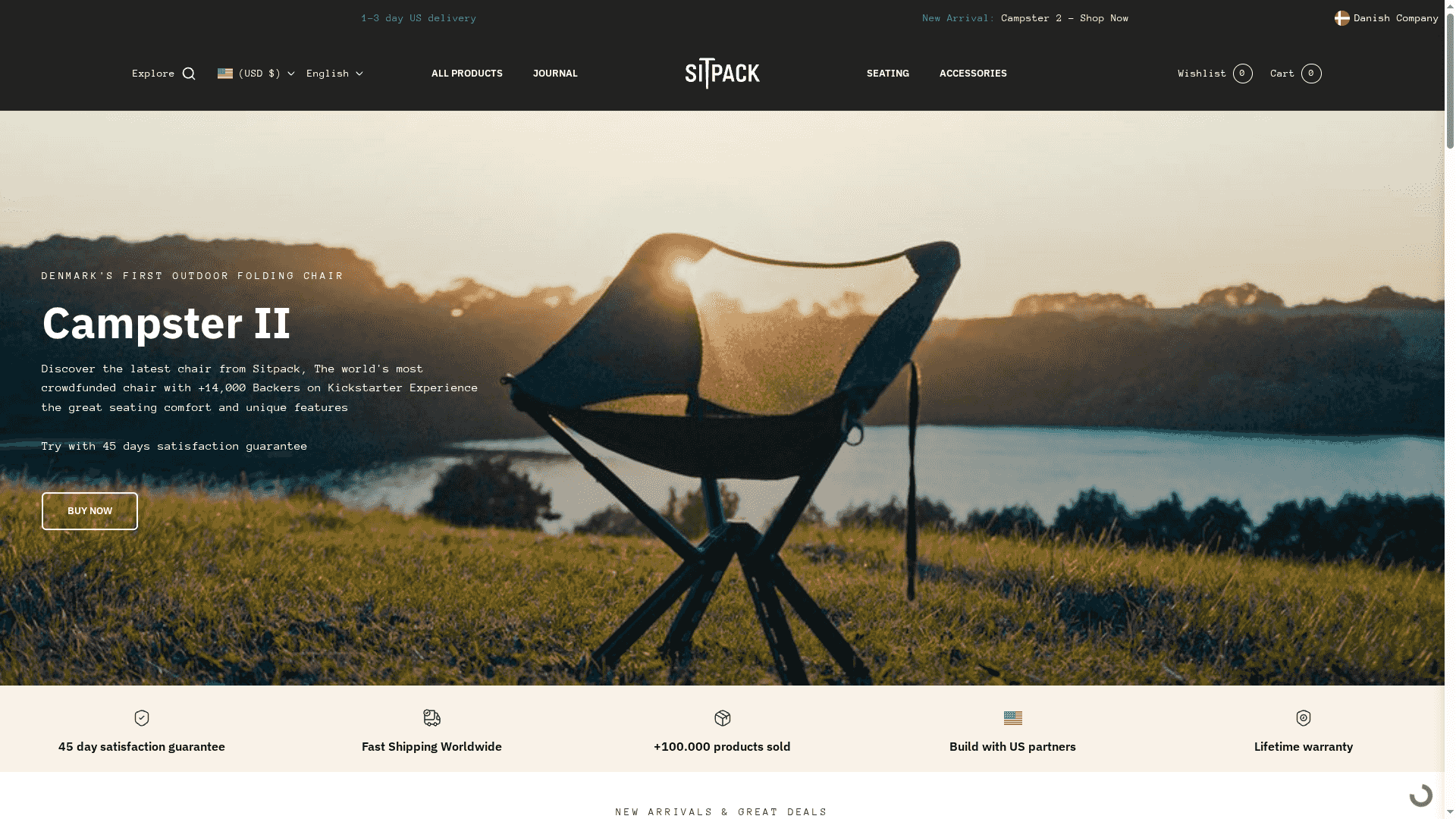
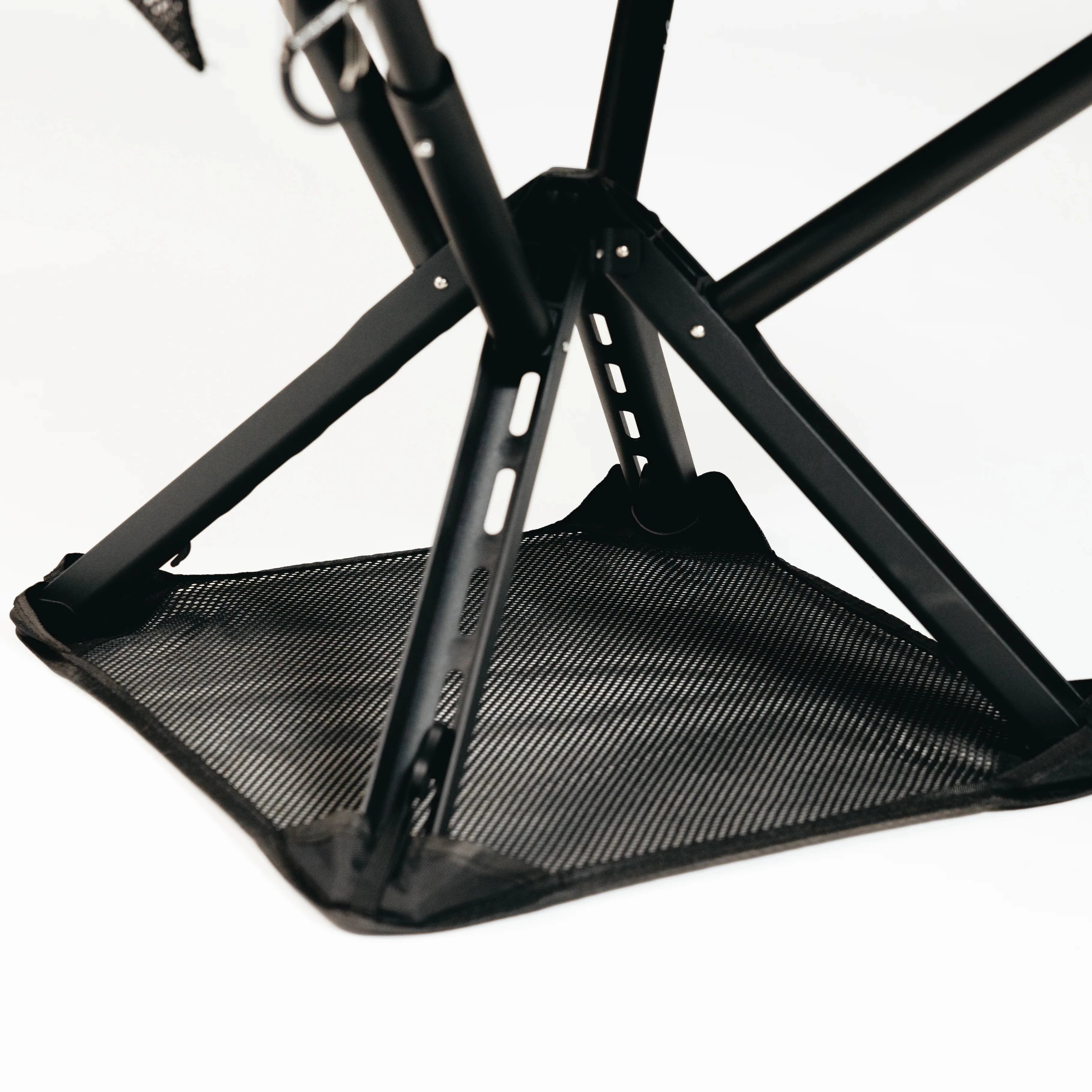
Sitpack designs lightweight, foldable seats built for travelers who refuse to be at the mercy of whatever chair the airport decided to bolt to the floor. The Sitpack Zen and Campster II pack small, weigh almost nothing, and set up in seconds. They’re made from durable, eco-friendly materials and backed by a lifetime warranty. Whether you’re at a crowded gate or waiting on a curb outside arrivals, you’ve got a seat. Check out Sitpack’s full range of adaptable travel seating and find the one that fits your travel style.
Airport seating alternatives are non-traditional comfort options beyond standard gate chairs, including lounges, sleep stations, workspace pods, modular seating systems, and portable personal seats.
Day passes at independent lounge networks like The Club and Plaza Premium typically range from $40 to $70 per visit, with no membership or elite status required.
Yes. Most airport sleep stations are bookable by the hour through the provider’s app or website, with no membership needed. Booking in advance is strongly recommended at busy hubs.
Workspace pods are currently concentrated at major transit hubs. Availability varies by airport and terminal, so checking the airport’s website before your trip is the most reliable way to confirm.
Foldable compact stools, inflatable seat cushions, and lightweight portable seat options all work well. The best choice packs flat, fits in a carry-on, and clears airport security without issues.