カート
0
サインアップすると注文から 10 ドル割引になります
配達予定
1〜3日
こちらもおススメ


デンマークの会社

TL;DR:
- A travel seating essentials checklist should include neck pillows, compression socks, eye masks, a travel blanket, and a portable seat for terminals. Organizing these items in your personal carry-on allows quick access, enhancing comfort throughout the journey. Using layered, modular gear tailored to your seat type and travel needs creates an effective comfort system.
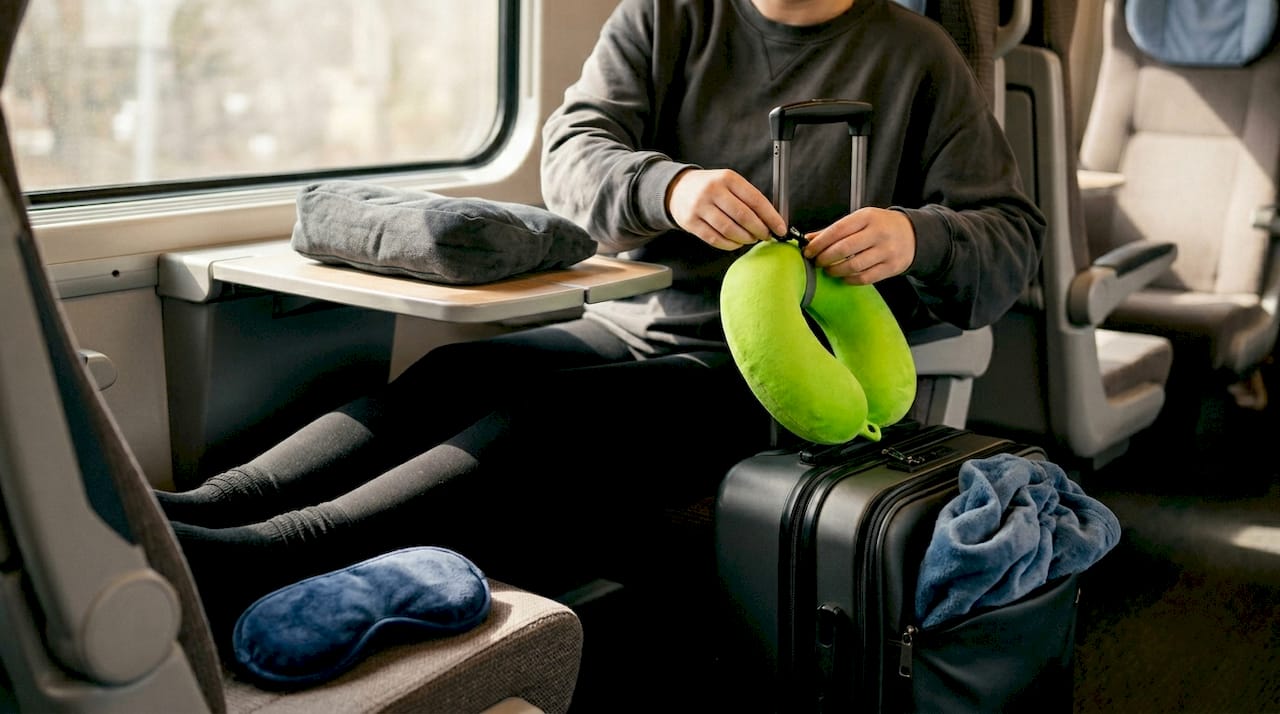
A travel seating essentials checklist is the curated set of portable comfort and seating items designed to protect your body during extended seated periods, whether you’re on a 14-hour red-eye or a six-hour road trip. The modular comfort kit approach recommended by Travel & Leisure combines neck support, circulation aids, and sleep accessories into one layered system that beats any single bulky solution. This list covers every category you need, from the Travelrest Nest Ultimate Travel Pillow to aircraft-approved child car seats, so you can stop guessing and start packing with purpose.
Neck pillows are the anchor of any solid portable seating gear setup, and the type you choose matters more than most travelers realize. Wirecutter’s 2026 top pick is the Travelrest Nest Ultimate Travel Pillow, chosen after testing multiple designs for long-haul and red-eye flights. It earns that spot because it wraps around the front of the neck rather than just propping the head sideways, which is the design flaw that makes most budget pillows useless after hour three.
The four main pillow types each suit different travelers:
Seat context shapes your choice more than any single feature. A window seat traveler and a middle seat traveler have completely different support needs, so packing one adjustable or multi-position pillow is smarter than defaulting to whatever was cheapest at the airport shop.
Pro Tip: Clip your neck pillow to the outside of your bag before boarding. Digging through a stuffed carry-on while 200 people queue behind you is nobody’s idea of a good time.
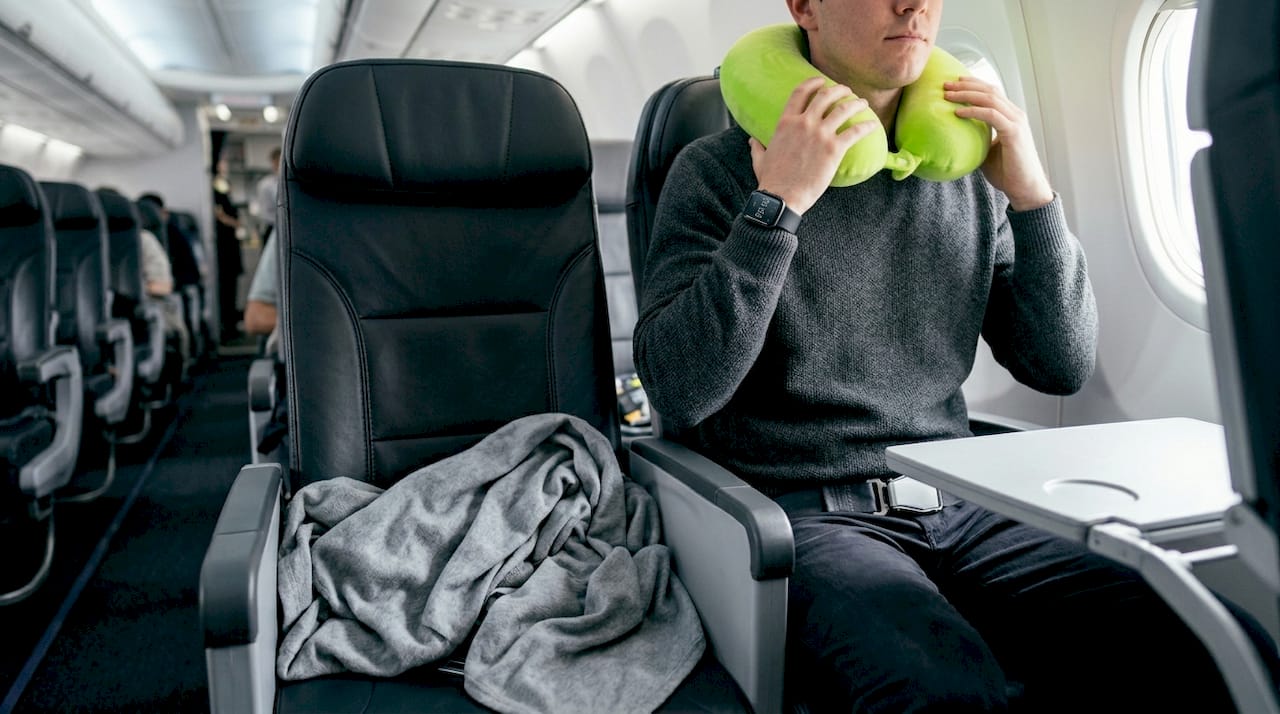
Compression socks are non-negotiable on any flight over four hours, and yet they remain the most skipped item on most packing lists. Flights limit mobility significantly, and compression socks reduce leg swelling by improving blood flow in the lower limbs during long periods of sitting. That is not a minor comfort upgrade. Deep vein thrombosis is a real risk on long-haul flights, and graduated compression socks directly address it.
Pair compression socks with a portable footrest for the full circulation setup. Footrests hang from the tray table latch and let you raise your legs slightly, which reduces pressure behind the knees. Travel slippers or lightweight cabin shoes round out the lower-body comfort kit, since removing tight shoes during a long flight makes a measurable difference in how your feet feel on arrival.
The layering logic here is simple: compression handles blood flow, the footrest handles posture, and the slippers handle swelling-related tightness. All three items together weigh under 400 grams and pack flat.
Pairing a neck pillow with an eye mask and earplugs or noise-cancelling headphones is the standard recommendation from Travel & Leisure for optimizing sleep on long flights. The reason this combination works is that it addresses all three primary sleep disruptors at once: physical discomfort, light, and noise. Tackle one without the others and you still wake up every 40 minutes.
For eye masks, contoured designs that do not press against your eyelids are worth the small price premium. Flat masks create pressure that most people find uncomfortable after an hour. For sound blocking, Sony WH-1000XM5 and Bose QuietComfort 45 headphones are the two most consistently recommended noise-cancelling options for travel. If you prefer something lighter, wax earplugs like Mack’s Pillow Soft outperform foam plugs for blocking ambient cabin noise.
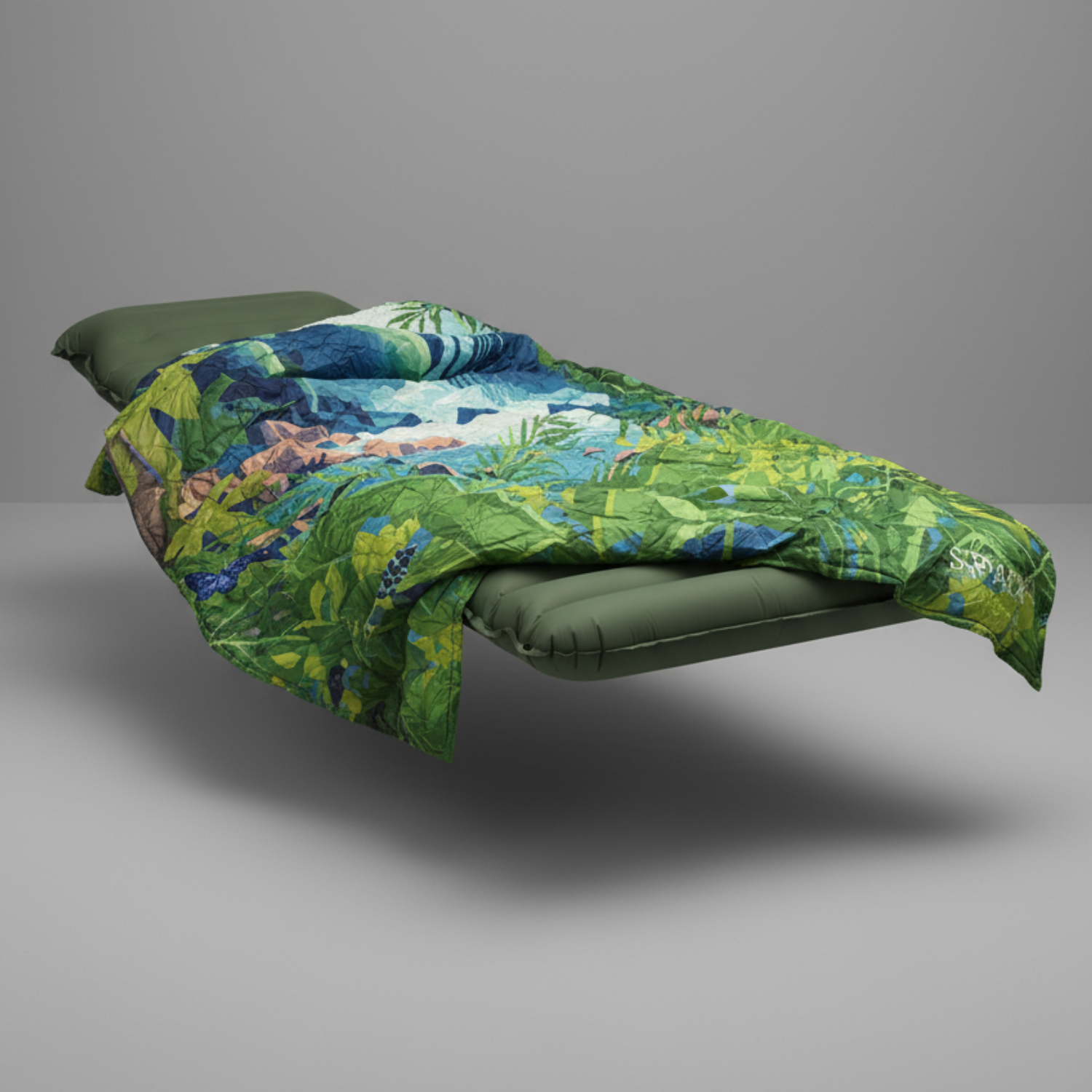
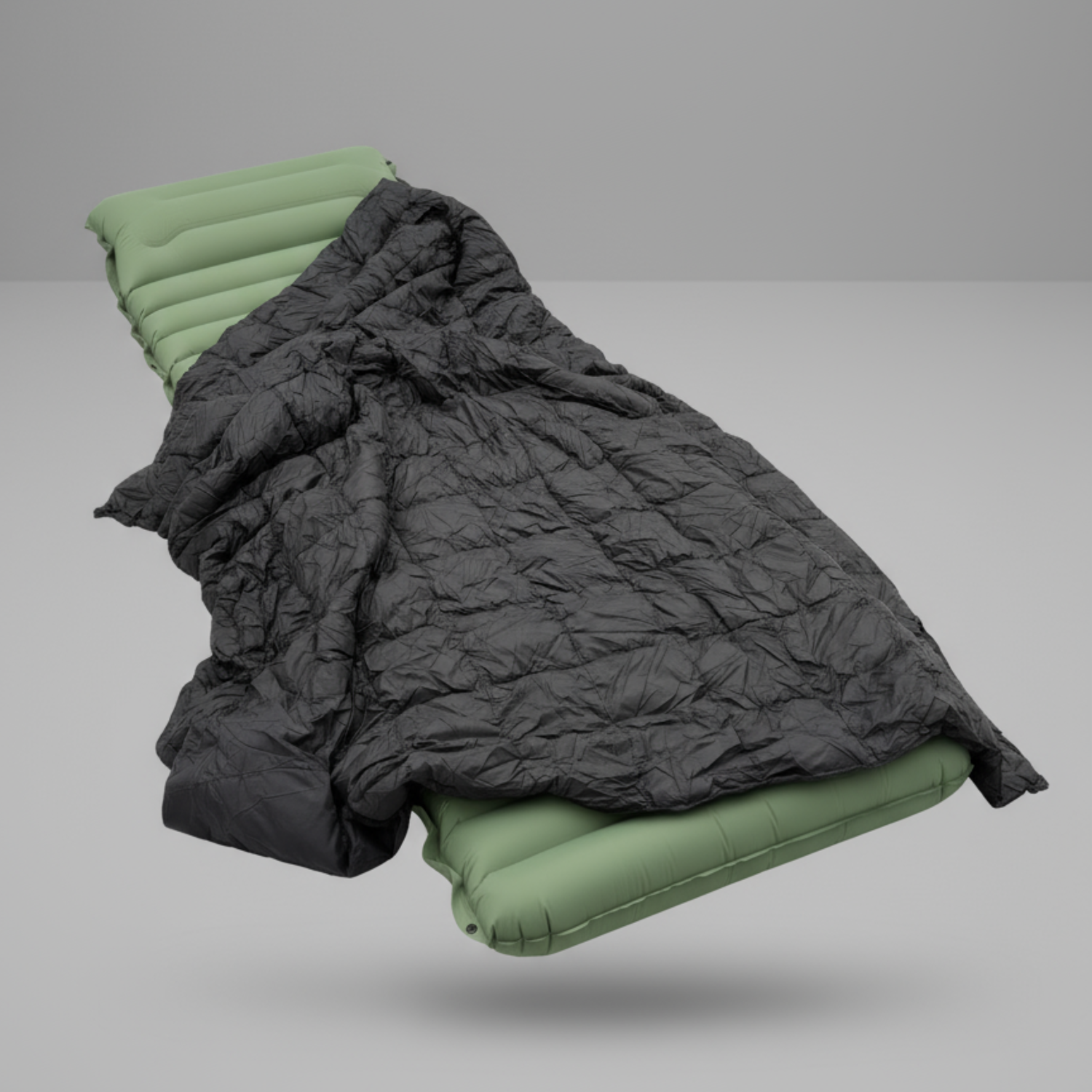
A compact travel blanket completes the sleep kit. Airline blankets are thin, often cold, and not always available on shorter international routes. A lightweight packable blanket from brands like Rumpl or Cocoon compresses to the size of a water bottle and adds genuine warmth without bulk.
Pro Tip: Pack your sleep kit, neck pillow, eye mask, earplugs, and blanket, in a single small pouch inside your personal item. Quick access during boarding means you are set up and comfortable before the plane even pushes back.
Traveling with kids under five requires a completely different seating strategy, and the stakes are higher because this is a safety issue, not just a comfort one. Safe in the Seat advises bringing your own aircraft-approved car seat rather than renting one at the destination. Rental seats often lack proper documentation, may not meet FAA approval standards, and frequently show wear that makes their safety history impossible to verify.
Key items for child travel seating:
The mindset shift here is important: child seating is not a place to cut weight or pack light. Bring the right gear, verify it meets the airline’s requirements, and treat the locking clip as mandatory, not optional.
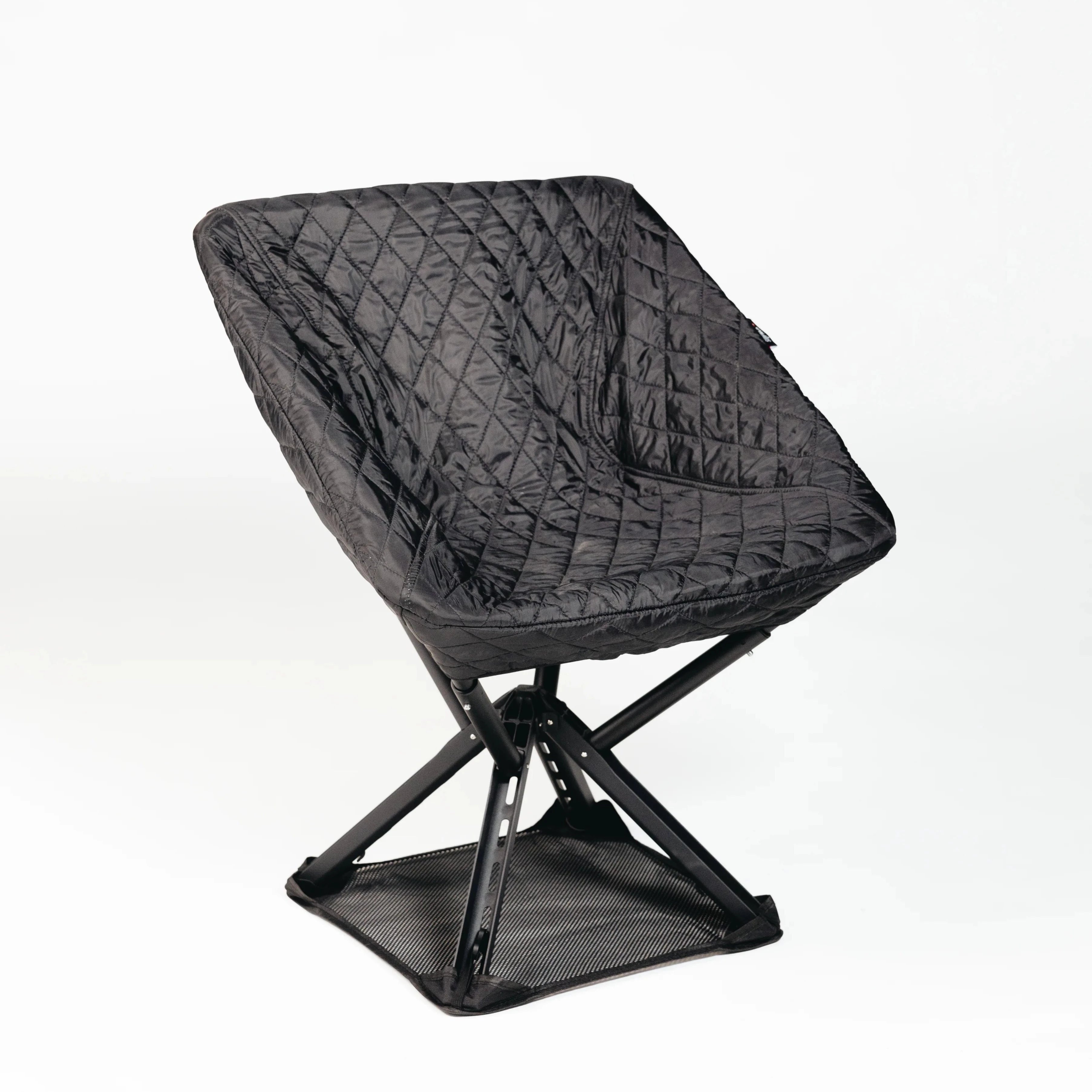
Neck pillows and compression socks handle in-seat comfort, but what about the hours you spend waiting at gates, sitting on hard terminal floors, or standing in lines that never seem to move? Compact portable seating solutions fill that gap, and the category has improved dramatically in the past few years.
The main types worth considering:
| Seat Type | Best For | Weight | Packability |
|---|---|---|---|
| Foldable stool (e.g., Sitpack Zen) | Urban travelers, airport waits | Under 400g | Fits in a jacket pocket |
| Campster II (Sitpack) | Outdoor layovers, camping, festivals | Under 600g | Clips to backpack |
| Inflatable seat cushion | Budget travelers, added padding | Under 200g | Deflates flat |
| Lightweight camp stool | Longer outdoor waits | 500g to 1kg | Folds to 30cm |
The Sitpack Zen is worth calling out specifically because it collapses to the size of a large pen and supports up to 120kg. That is not a gimmick. It genuinely fits in a jacket pocket and deploys in seconds, which makes it one of the few portable seating items that actually gets used rather than left at home because it was too bulky to bother with.
Weight and packability are the two filters that matter most when choosing portable travel seats. A seat you leave behind because it is too heavy or awkward solves nothing.
Organization is what separates a comfort kit that works from a bag full of good intentions you never deploy. Travel & Leisure recommends keeping your core comfort items in your personal item, not your overhead bin bag, so you can access them immediately after boarding without disrupting other passengers.
A practical modular structure for your travel packing checklist:
Keep the sleep set and circulation set in one small packing cube or zip pouch. This way, you pull out one item and everything you need is right there. Multi-functional gear earns its place here too. A travel blanket that doubles as a lumbar support, or a neck pillow that converts to a lumbar roll, reduces the total item count without sacrificing coverage.
True travel seating comfort is a system built from layered, modular items rather than any single product, and organizing that system for quick access is what makes it work in practice.
| Point | Details |
|---|---|
| Neck pillow selection matters | Match pillow type to your seat position and sleep style, not just price or brand. |
| Circulation support is non-negotiable | Compression socks and footrests reduce swelling and health risk on flights over four hours. |
| Child seating is a safety issue | Bring your own FAA-approved car seat and verify locking clip requirements before departure. |
| Compact portable seats fill the gaps | Lightweight stools like the Sitpack Zen handle airport waits that in-seat gear cannot address. |
| Organization unlocks the system | Pack your comfort kit in your personal item so it deploys in seconds, not minutes. |
I spent a solid two years defaulting to whatever neck pillow was on sale at the airport, and I paid for it with stiff necks and groggy arrivals. The shift that changed everything was treating my comfort kit as a system rather than a collection of random items. Once I started thinking in modules, sleep set, circulation set, portable seating, the whole thing clicked.
The pillow choice took the most trial and error. I went through a memory foam U-shape, two inflatables, and a microbead version before landing on a wraparound design similar to the Travelrest Nest. The difference on a 12-hour flight was not subtle. My head actually stayed put instead of snapping forward every 20 minutes.
What most travelers get wrong is focusing entirely on in-seat comfort and ignoring the hours spent in terminals. A compact travel seat for airport waits sounds like overkill until you are sitting on a hard floor at 5am in Frankfurt with a two-hour delay. The Sitpack Zen changed my opinion on this completely. It weighs almost nothing, fits in a pocket, and I have used it more times than I can count.
The honest advice: start with the sleep set and compression socks, get those right, then add portable seating once you know your travel patterns. Do not try to solve everything at once.
— Jonas
If you are ready to move beyond the basics and add a genuinely portable seat to your setup, Sitpack builds exactly what you need.
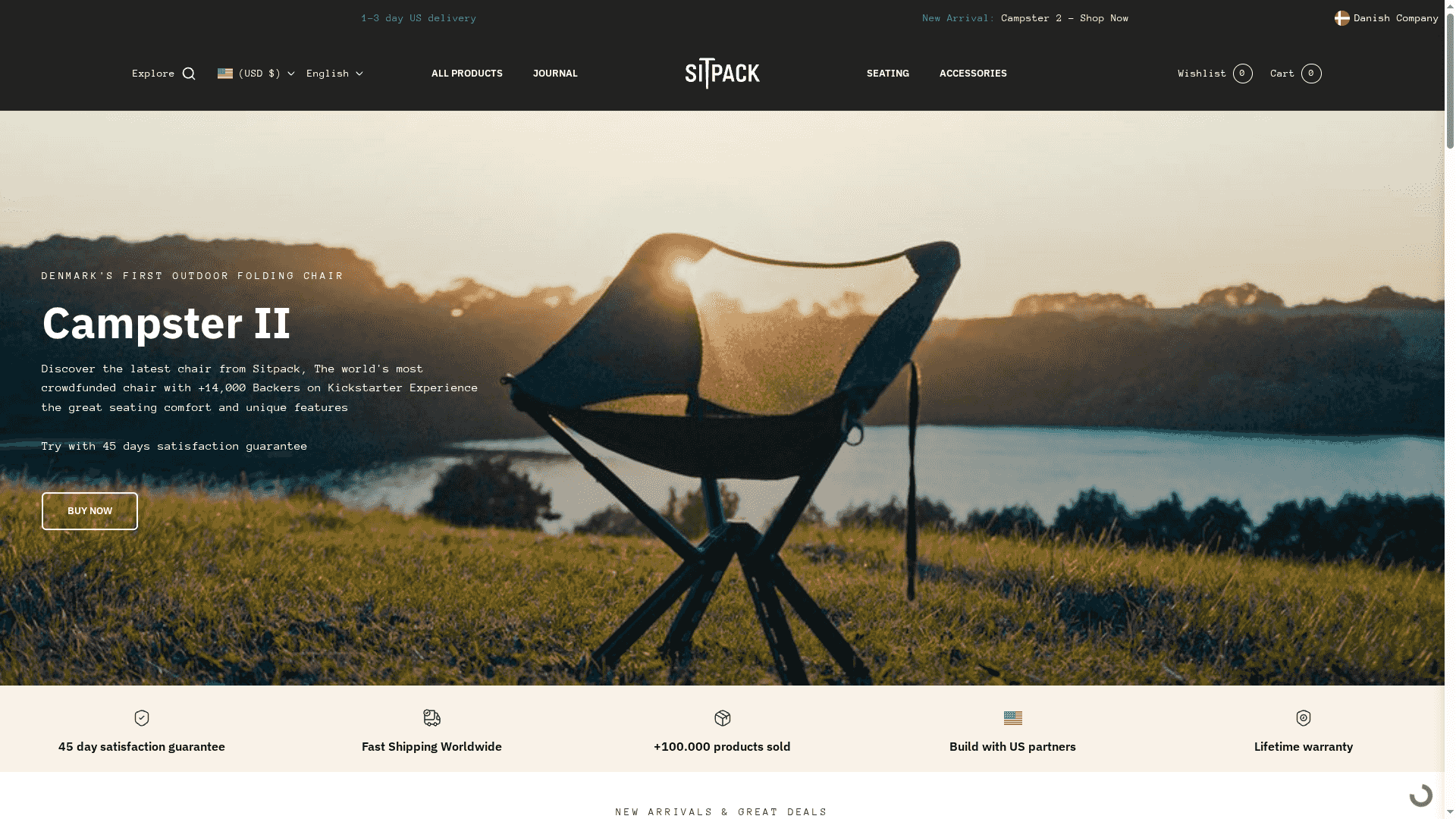
The Sitpack Zen and Campster II are designed for travelers who refuse to sit on airport floors or stand through long layovers. Both fold down to pocket size, support serious weight, and are built from durable, eco-friendly materials with a lifetime warranty backing them up. Sitpack ships worldwide with a 45-day satisfaction guarantee, so there is no risk in trying one. Add a compact seat to your checklist and you will wonder how you traveled without it.
A travel seating essentials checklist covers neck pillows, compression socks, eye masks, a travel blanket, and a compact portable seat for terminal use. For families, add an FAA-approved child car seat and a locking clip for international travel.
Wirecutter’s 2026 top pick is the Travelrest Nest Ultimate Travel Pillow for its wraparound support design. Your seat position, window, middle, or aisle, should also influence which pillow type you choose.
Yes. Compression socks reduce leg swelling and improve circulation during long periods of sitting when walking is limited. They are recommended on any flight over four hours.
Always bring your own aircraft-approved car seat rather than renting one. Safe in the Seat recommends verifying locking clip requirements for international flights, since not all seats have built-in lock-off features.
Keep your sleep set and circulation items in a single pouch inside your personal item, not your overhead bag. This lets you deploy your full comfort setup immediately after boarding without unpacking everything.