カート
0
サインアップすると注文から 10 ドル割引になります
配達予定
1〜3日
こちらもおススメ


デンマークの会社

TL;DR:
- Proper ventilation in camp chairs prevents heat and moisture buildup, ensuring lasting comfort during outdoor activities. Mesh panels and open-frame designs promote airflow, quick drying, and reduced skin irritation, outperforming padded chairs in hot or humid conditions. Prioritizing breathability over excessive padding creates lightweight, versatile seats ideal for all weather environments.
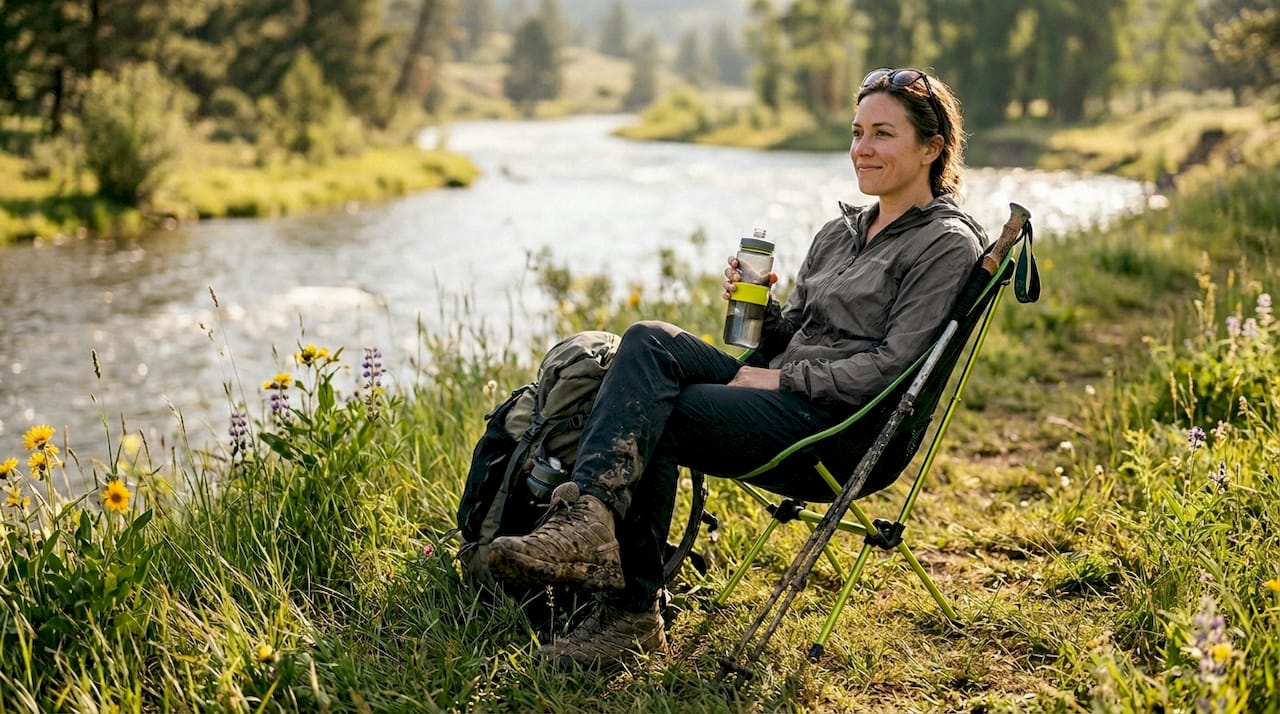
Most campers assume the thicker the padding, the better the seat. It’s a reasonable thought — more cushion sounds like more comfort. But here’s the thing: when you’re parked next to a dancing campfire on a muggy summer evening or fishing streamside in July heat, that plump foam padding quickly becomes a sweaty trap. Airflow via mesh is crucial in hot or humid conditions to avoid discomfort from trapped heat and moisture. This guide unpacks exactly why ventilation deserves the top spot on your camp chair checklist and how to use that knowledge to find your perfect seat outdoors.
| Point | Details |
|---|---|
| Airflow boosts comfort | Ventilated camp chairs help keep you cool and dry, reducing sweat and overheating outdoors. |
| Mesh dries quickly | Mesh or ventilated materials in camp chairs support rapid drying for better performance in damp or wet environments. |
| Balance matters | Finding the right mix of padding and ventilation depends on the weather and your style of adventure. |
| Choose for your climate | Consider local weather and trip length when prioritizing airflow features over padding. |
With comfort in mind, let’s dive deeper into why airflow — not just padding — deserves your attention when choosing a camp chair.
Picture this: you’ve set up camp after a long hike, you drop into your chair, and within twenty minutes your back is soaked in sweat. The culprit isn’t the heat alone. It’s the solid fabric or heavy foam pressed against your body, blocking every natural breeze and trapping humidity right where you’re sitting. Ventilation isn’t a luxury feature — it’s the foundation of real outdoor comfort.
Good airflow in a camp chair does several important things at once. It pulls heat away from your body, lets sweat evaporate naturally, and keeps your skin dry even when the temperature climbs. When you understand seating comfort for outdoor adventures, you realize how dramatically breathability affects the overall experience. A well-ventilated chair doesn’t just feel cooler; it actually reduces fatigue during long sits because your body isn’t working overtime to regulate its own temperature.
Here’s a quick breakdown of the key benefits airflow provides:
“Expert reviews emphasize back ventilation and seat vents as key comfort factors, especially for prolonged sitting near campfires or in direct sun, balancing portability with breathability.”
Pro Tip: If you’ll be sitting for more than an hour at a time outdoors, prioritize mesh back panels over foam padding every single time. Your lower back will thank you.
The portability angle matters here too. Heavy chairs with thick padding are usually bulky and slow to pack. Chairs designed with airflow in mind tend to use lightweight frames and minimal materials, which naturally makes them easier to carry to your favorite trailhead or beach.
Understanding the “why,” it’s key to see exactly how airflow is engineered into different camp chairs.
Not all ventilation is created equal. Some chairs slap on a thin strip of mesh near the headrest and call it a day. Others build their entire seat and back from breathable mesh panels stretched across a tensioned frame, creating a taut surface that keeps you slightly elevated and continuously exposed to moving air. The difference in real-world comfort between those two approaches is enormous.
Breathable materials in camp chairs fall into a few main categories, each with its own strengths depending on your camping style and typical weather conditions.
Mesh panels are the gold standard for airflow. Stretched across aluminum or steel frames, they create tension-supported seating that lifts you slightly off any solid surface while air moves freely through the fabric from every direction. The open weave allows convective cooling, meaning the natural movement of air around your body carries heat away continuously.
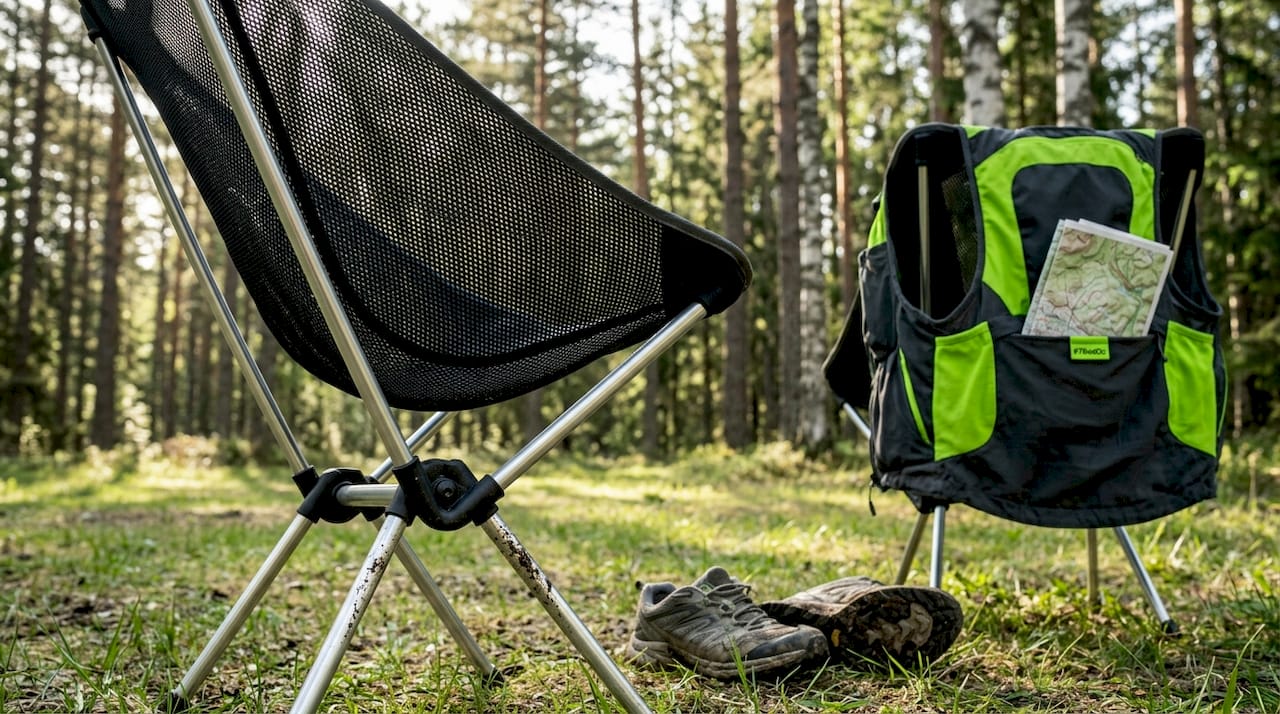
Seat vents and perforations are a step down but still meaningful. Some chairs use solid quick-dry fabric with strategically placed ventilation channels or perforated zones at the seat base and backrest. These work well in moderate climates, though they’re less effective in still, humid air where there’s no breeze to push through the perforations.
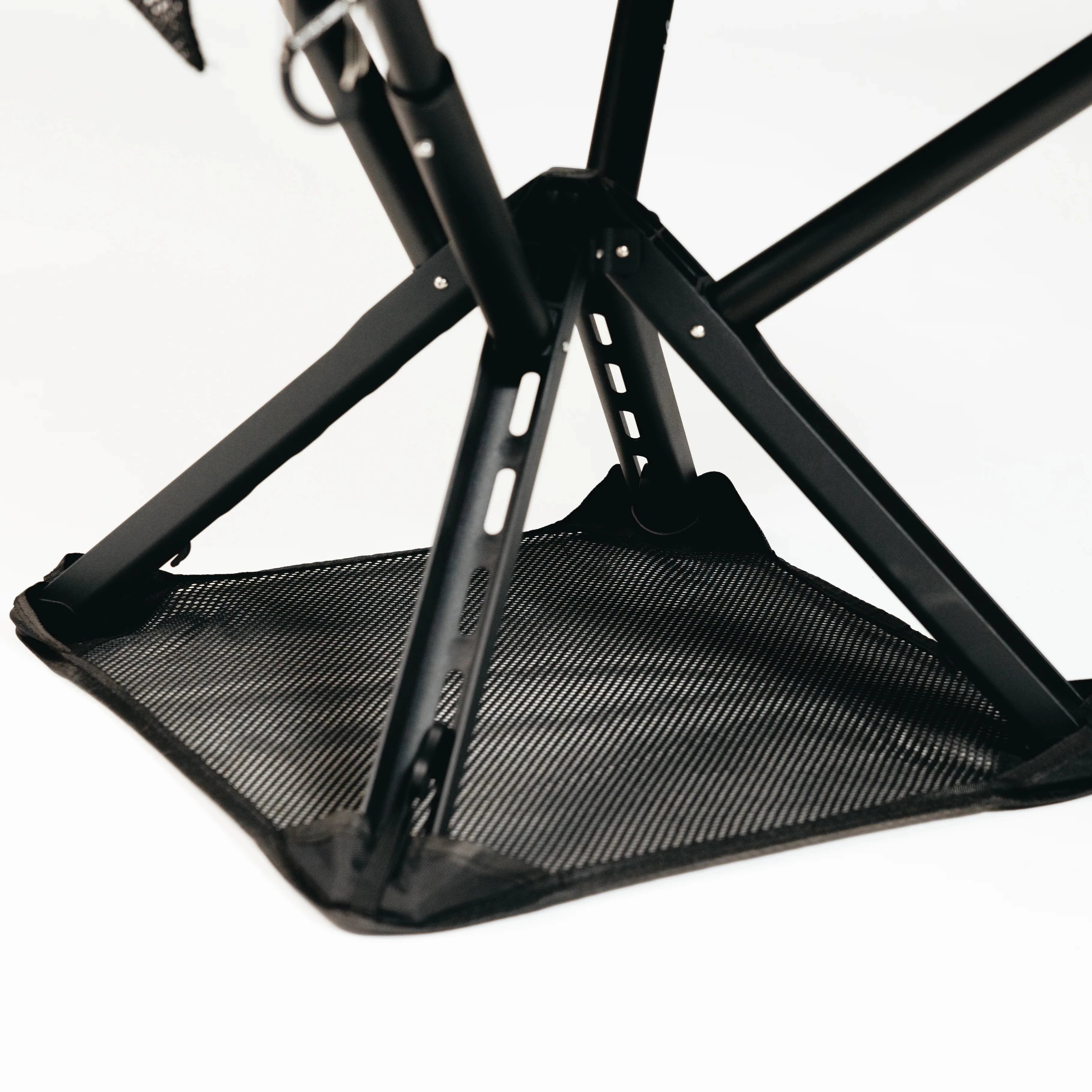
Frame design plays a supporting role. An open frame with minimal solid crossbars beneath the seat allows air to move upward from below, which matters more than most people realize. A chair with solid armrests and a wraparound design blocks side airflow significantly.
Mesh designs also facilitate quick drying after exposure to water or moisture, which is a big deal if you’re camping near water or caught in a surprise rain shower. A mesh chair that gets dunked or rained on is ready to use again within minutes. A padded chair? You might be sitting on a damp sponge for the rest of your trip.
Here’s a comparison of the most common airflow features you’ll find in modern camp chairs:
| Feature | Airflow effectiveness | Pros | Cons |
|---|---|---|---|
| Full mesh back and seat | Excellent | Maximum breathability, quick drying | Less cushioning |
| Partial mesh back only | Good | Some ventilation, more padding on seat | Seat can still trap heat |
| Perforated quick-dry fabric | Moderate | Better than solid fabric, durable | Less effective in still air |
| Solid fabric with vents | Low to moderate | Some padding comfort, decent in breeze | Poor in humid or still conditions |
| Wraparound solid design | Poor | Maximum padding and warmth | Traps heat and moisture badly |
Pro Tip: When choosing camp chairs, physically press your hand flat against the seat material in the store. If you feel heat building against your palm within ten seconds, that fabric will do the same to your body on a warm day.
Quick-dry fabric is a particularly underrated feature. Polyester and nylon mesh materials used in modern chairs dry remarkably fast compared to cotton canvas or foam-padded seats. If morning dew settles on your chair overnight or a brief afternoon shower catches you at camp, you want to sit down again without delay.
The engineering of airflow presents tradeoffs with padding. Let’s compare how to strike the best balance for your camping style.
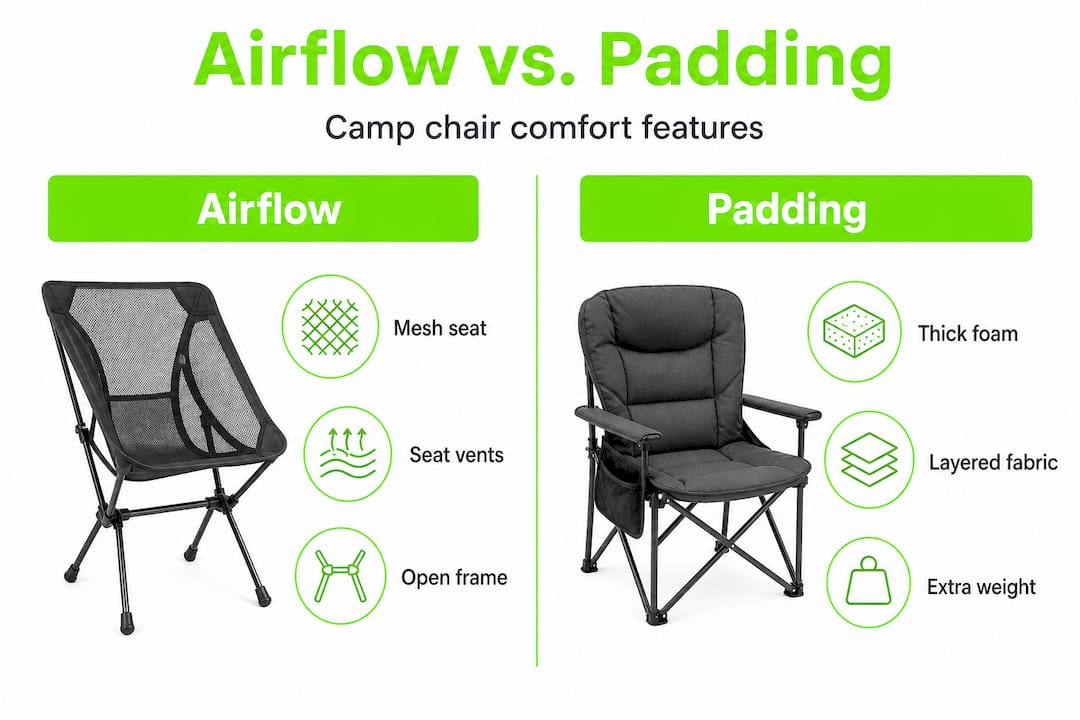
This is where a lot of campers get it genuinely wrong. The assumption is that padding equals comfort, full stop. But outdoor sitting and indoor sitting are completely different scenarios. On your couch, airflow doesn’t matter much because your home is climate controlled and you’re rarely sitting for hours without moving. Outside, your environment is unpredictable, and the same chair that feels plush in October might feel like a steam bath in June.
“In hot or humid conditions, airflow via mesh is crucial for lightweight camp chairs to avoid discomfort from trapped heat and moisture, prioritizing ventilation over heavy padding.”
Here’s a quick real-world scenario breakdown to help you decide what to prioritize:
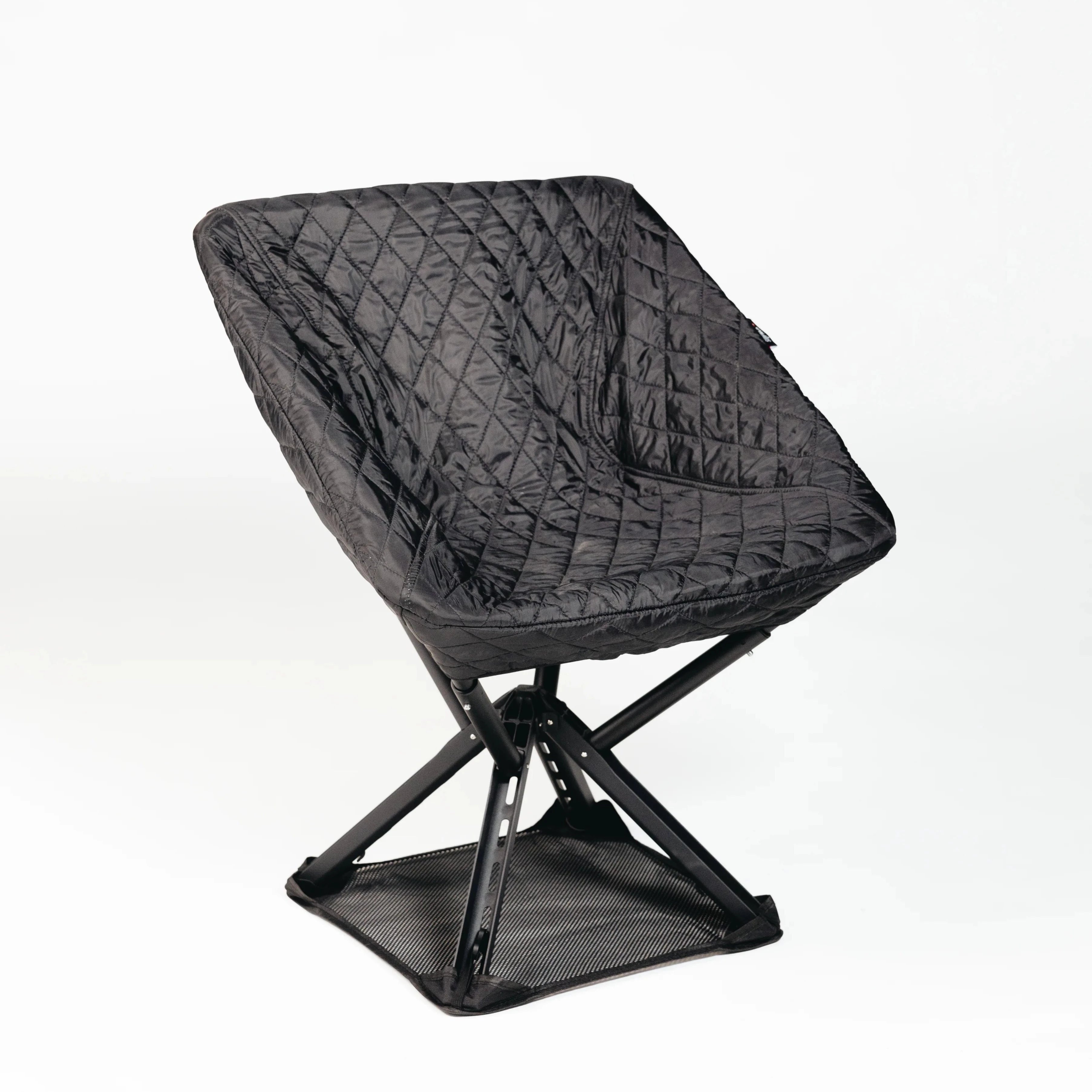
The Campster II chair is a great example of a design that thinks seriously about this balance. Lightweight, packable, and built for real outdoor conditions rather than showroom comfort.
The most common mistake? Buying one chair and expecting it to be perfect in every season and climate. Some campers solve this with a lightweight mesh chair for warm months and a slightly more insulated option for cold nights. Others find a versatile middle ground with partial mesh and smart material choices.
Now that you know what matters, here’s how to put this knowledge to work choosing the right chair for your needs.
Shopping for a breathable camp chair isn’t complicated once you know what to look for. The problem is that marketing language around “comfort” is often vague and doesn’t help you understand actual ventilation performance. So let’s build a simple, practical ventilation checklist you can use before any purchase.
Your ventilation checklist:
Expert reviews emphasize back ventilation and seat vents as key comfort factors, especially for prolonged sitting in direct sun, which lines up exactly with everything on this checklist.
One factor people often skip is actually testing the chair’s climate fit before a trip. If you’re heading to a known humid environment, like coastal camping or a swampy forest, pay extra attention to quick-dry ratings. A chair that advertises airflow but uses slow-drying materials will still feel damp and uncomfortable after a dewy morning.
You should also consider tips for choosing camp chairs based on trip length. A day trip to a lakeside spot has different demands than a week-long backcountry base camp. For longer trips, the chair’s packability and how it holds up after repeated setup and breakdown cycles matter just as much as breathability.
Synthesizing the practical advice above, let’s take a step back and share what designing outdoor seating for real adventurers has revealed.
Here’s the honest truth: padding is overrated for outdoor use, and the outdoor industry knows it. Thick foam padding is partly a holdover from the assumption that more material equals more value. In a retail showroom, sitting in a plush padded chair for thirty seconds feels luxurious. On a real campsite two hours into an evening, that same chair has turned into a warm, damp, heavy annoyance.
Poor airflow causes more actual discomfort over time than any lack of cushioning. We’ve heard this from campers consistently. The complaints aren’t “I wish this chair had more padding.” They’re “my back was sweating the whole trip” and “I couldn’t sit still after an hour.” Those are ventilation problems, not padding problems.
The modern campsite also demands different things from gear. People are traveling lighter, hiking further to reach their camp spots, and staying in more varied climates than past generations. A heavy padded chair that’s also slow to dry and awkward to pack is a genuine liability on any trip where you move more than once.
Our real-world advice is this: always, whenever possible, test a chair in the climate you plan to use it. If that’s not feasible, read reviews from campers who’ve used it in conditions similar to yours, not just backyard patio tests. A portable camp chair experience in actual field conditions tells you far more than any spec sheet.
Breathability and packability are the features that separate genuinely useful outdoor chairs from the ones that end up forgotten in a garage after two trips.
Ready to upgrade your outdoor seating? Here’s where to find ventilated, lightweight options built for adventurers.
We designed Sitpack chairs around exactly the principles this article covers — lightweight construction, breathable materials, and smart portability that doesn’t sacrifice real comfort. The Campster II and Sitpack Zen are built for people who actually use their chairs outdoors, in real weather, on real terrain. No gimmicks, just honest outdoor seating that works when it matters.
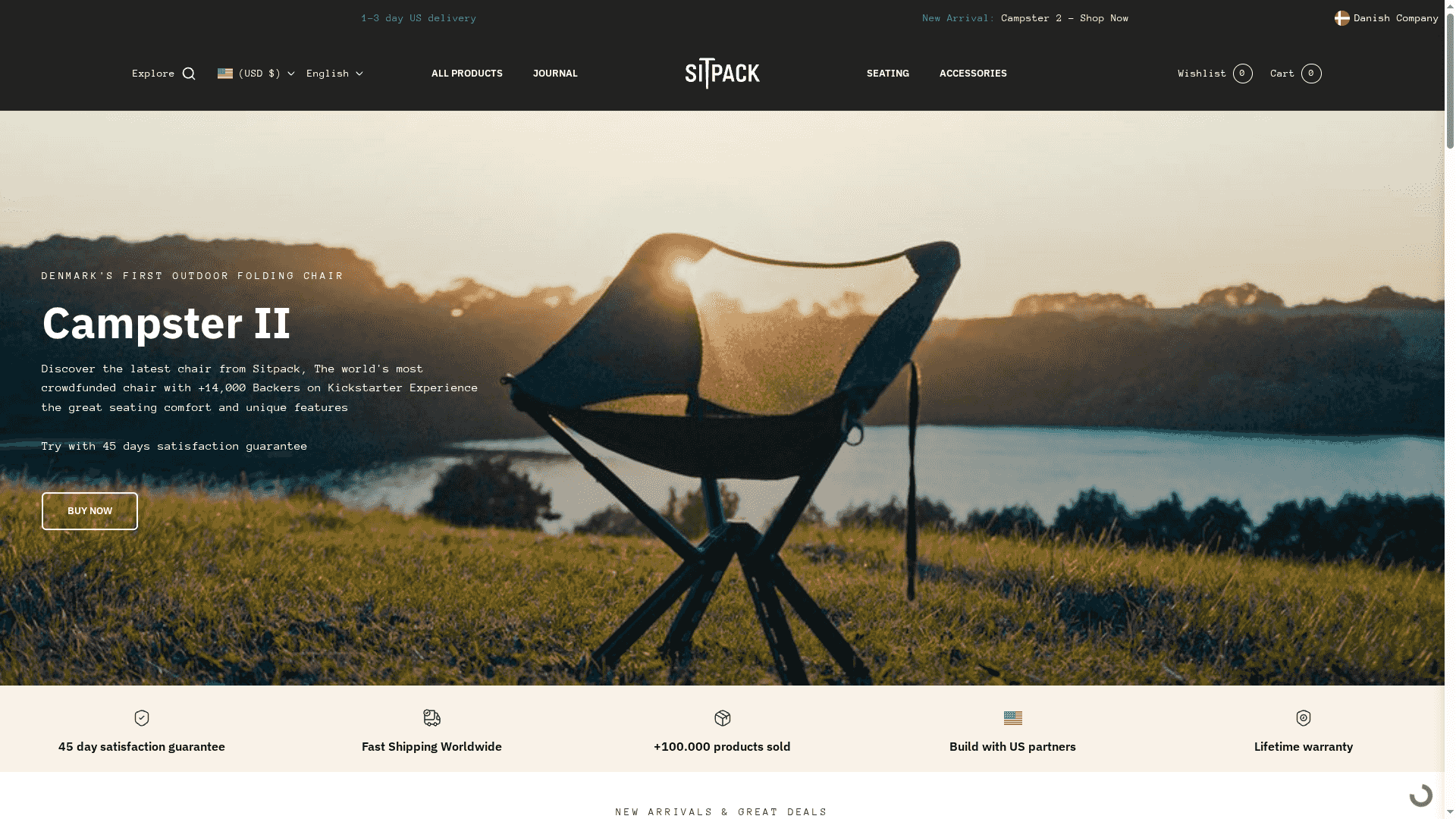
Explore the full Sitpack camp chair range to find the breathable, portable option that fits your adventures best. Whether you’re heading into a humid forest, a sunny festival ground, or a windy mountain camp, there’s a Sitpack solution built for it. Browse our buying guides and product reviews while you’re there — smarter gear choices start with knowing exactly what you need before you buy.
Mesh paneling, back and seat vents, and lightweight open-frame designs are the top features that boost airflow and keep you comfortable during long outdoor sits.
Some airflow is always beneficial for moisture management, but in cold conditions partial padding and wind-resistant side panels become more important for warmth and comfort.
Mesh designs dry quickly after rain or moisture exposure, making mesh chairs far more practical than padded alternatives in wet or damp camping environments.
Ventilation generally matters more than padding for long, warm-weather outdoor sits because airflow via mesh prevents the heat and moisture buildup that causes real discomfort over time.