カート
0
サインアップすると注文から 10 ドル割引になります
配達予定
1〜3日
こちらもおススメ


デンマークの会社


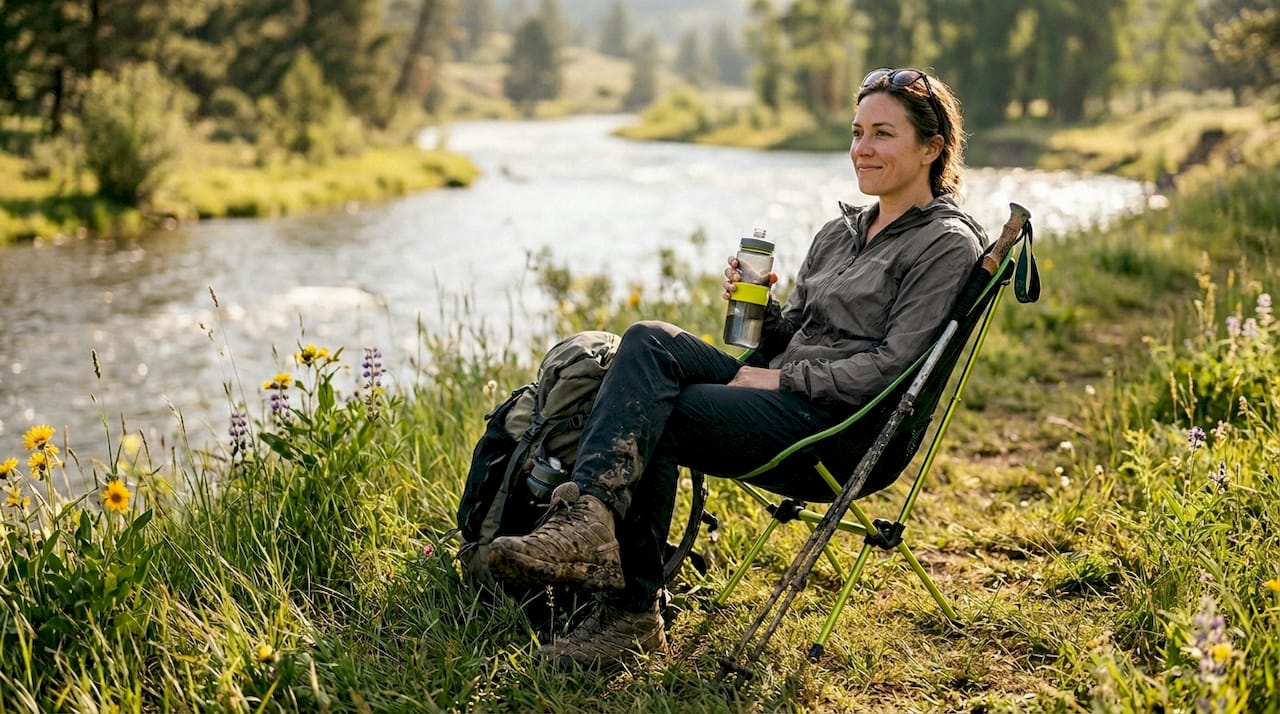
Most outdoor enthusiasts assume heavier chairs deliver superior comfort, but modern lightweight designs prove otherwise. In 2026, portable seating has evolved to balance minimal weight with ergonomic support and eco-conscious materials. Whether you’re backpacking remote trails, camping at established sites, or seeking urban adventure seating, choosing the right lightweight chair enhances your experience without burdening your pack. This guide clarifies how to select portable seating that meets your comfort needs, sustainability values, and adventure requirements.
| Point | Details |
|---|---|
| Weight versus stability | Ultralight chairs reduce pack load but may flex on uneven terrain, while slightly heavier options offer better stability |
| Sustainability matters | Eco-friendly chairs use recycled materials and certifications like Bluesign, with ratings varying from 2.6 to 5 out of 5 |
| Comfort impacts recovery | Supportive seating reduces muscle fatigue during extended outdoor breaks compared to stools or ground pads |
| Terrain considerations | Chair design affects performance on sand, rock, or soft ground, requiring careful selection based on typical use |
| Packed size efficiency | Modern designs compress to fit backpacks and travel bags while maintaining structural integrity when deployed |
Carrying heavy gear exhausts even experienced hikers. Lightweight seating cuts pack weight significantly, allowing you to cover more ground with less strain. Every ounce matters when you’re trekking miles into backcountry or navigating urban environments with limited storage.
Chairs provide superior back support compared to stools or pads during multi-hour rests. This ergonomic advantage reduces fatigue accumulation, helping you recover faster between activities. Your spine maintains proper alignment, preventing the slouching that occurs when sitting directly on ground surfaces or using minimal support options.
Comfort directly influences how well you recuperate during breaks. When your body rests properly, you maintain energy for longer adventures. Poor seating forces compensatory postures that create muscle tension and reduce circulation. Quality lightweight chairs eliminate these issues while adding minimal burden to your gear setup.
Sustainability has become a priority for outdoor brands in 2026. Manufacturers now incorporate recycled aluminum, certified fabrics, and PFAS-free coatings into chair construction. These materials reduce environmental impact without compromising durability or performance. Choosing eco-conscious seating aligns your gear with conservation values that protect the landscapes you explore.
Portability requirements vary by activity type. Backpackers need chairs that compress to fist-sized packages and weigh under three pounds. Car campers can accommodate slightly larger options. Urban adventurers want discrete carriers that don’t announce outdoor gear in city settings. Understanding the advantages of compact chairs helps match design to purpose.
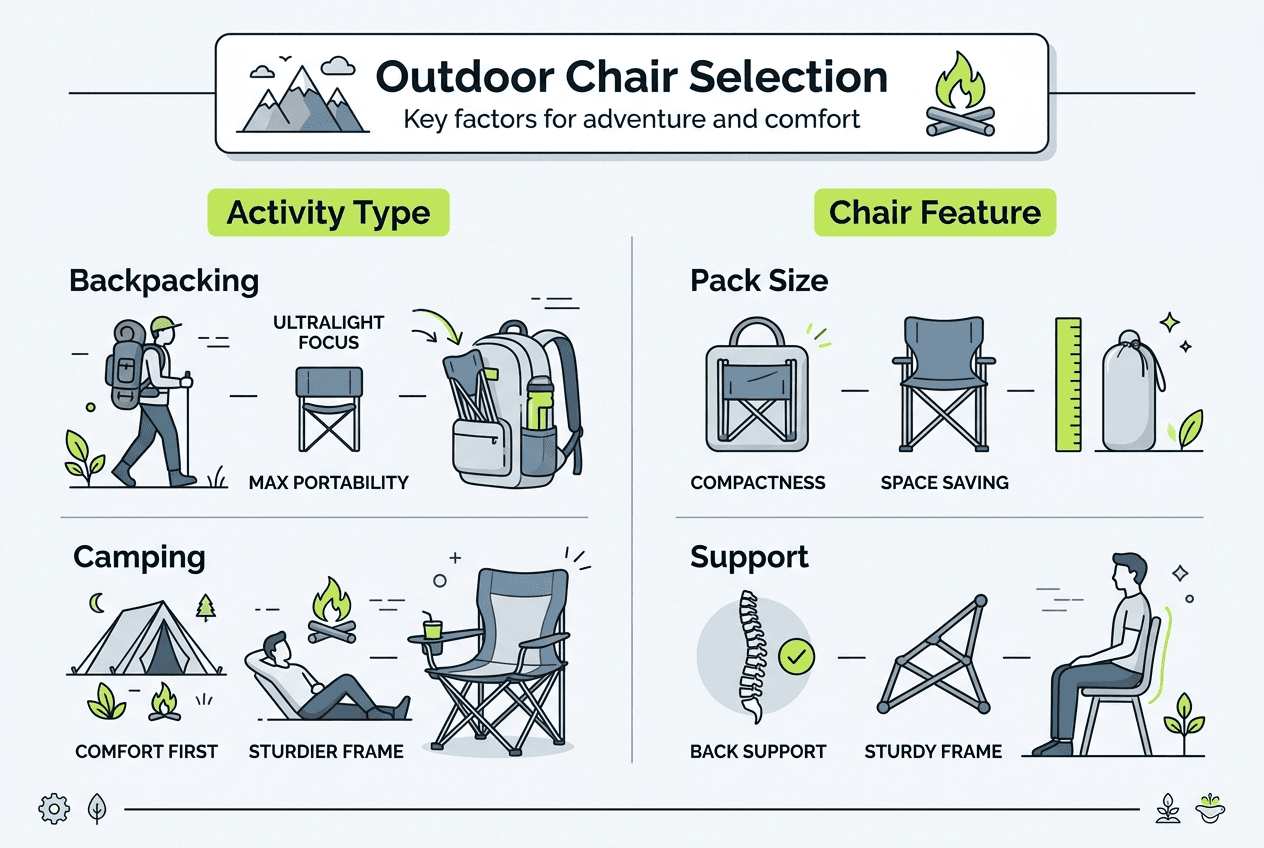
Pro Tip: Inspect frame tension and leg spread before purchasing ultralight chairs, as minimal designs can flex or tip more easily on soft or uneven surfaces.
Key factors when evaluating lightweight seating include:
Two leaders in sustainable outdoor seating demonstrate different approaches to balancing weight, comfort, and environmental responsibility. The Helinox Chair One (re) weighs 2 pounds 8 ounces with a 320-pound capacity, using recycled DAC aluminum poles and Bluesign-approved polyester fabric. Its sustainability score reaches 2.6 out of 5, reflecting moderate eco-credentials with room for improvement.
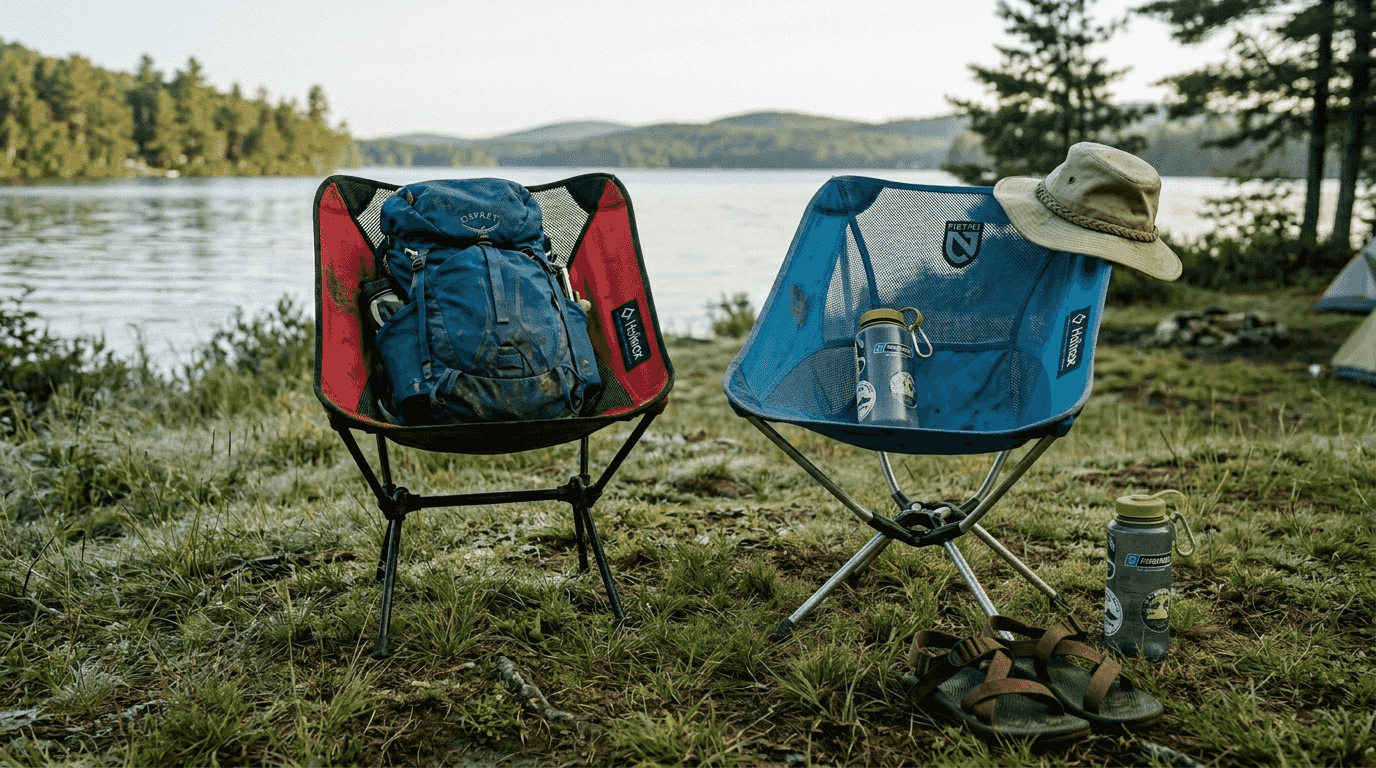
The Nemo Moonlite Elite weighs just 1 pound 6 ounces while supporting 250 pounds. It achieves a perfect 5 out of 5 sustainability rating through 100% recycled mesh construction and complete elimination of PFAS chemicals. This represents the current pinnacle of eco-friendly lightweight seating design.
| Feature | Helinox Chair One (re) | Nemo Moonlite Elite |
|---|---|---|
| Weight | 2 lbs 8 oz | 1 lb 6 oz |
| Capacity | 320 lbs | 250 lbs |
| Packed size | 5 x 5 x 14 inches | 4 x 4 x 13 inches |
| Sustainability score | 2.6 out of 5 | 5 out of 5 |
| Primary materials | Recycled aluminum, certified polyester | 100% recycled mesh, PFAS-free |
| Stability rating | High | Moderate |
Helinox offers greater stability on varied terrain thanks to its slightly heavier frame and wider leg stance. Users report confident seating on rocky ground and moderate slopes. The additional weight translates to reduced flex during movement, making it preferable for extended sitting sessions where you shift positions frequently.
Nemo prioritizes ultimate weight savings for gram-counting backpackers. Its ultra-minimal frame sacrifices some stability, particularly on soft surfaces like sand or loose soil. The chair performs best on firm, level ground where its lightweight construction doesn’t compromise functionality. Consider your typical terrain when weighing this trade-off.
Both chairs pack remarkably small for their deployed size. Helinox compresses to roughly the volume of a one-liter water bottle. Nemo achieves even tighter packing, fitting easily into backpack side pockets or lashing to external loops. This compactness makes either option viable for activities where space constraints matter as much as weight.
Pro Tip: Test chairs on terrain similar to your planned adventures, as performance varies significantly between hard-packed trails, sandy beaches, and soft forest floors.
Material sustainability extends beyond recycled content. Manufacturing processes, chemical treatments, and end-of-life recyclability all contribute to environmental impact. Nemo’s PFAS-free approach eliminates persistent chemicals that accumulate in ecosystems. Helinox’s Bluesign certification ensures responsible chemical management during fabric production. Both represent meaningful steps toward reducing outdoor gear’s ecological footprint.
Comfort perception varies by individual body type and sitting preferences. Helinox provides more substantial back support through its higher seat back and tighter fabric tension. Nemo’s recline feature allows position adjustment but offers less lumbar support in upright mode. Evaluate the lightweight outdoor chair comparison to understand how different designs accommodate various comfort priorities.
Matching chair specifications to activity requirements prevents disappointment and wasted investment. Start by honestly assessing your primary use case. Backpackers prioritize weight above all else, accepting trade-offs in stability and comfort for pack load reduction. Car campers can choose heavier options with superior comfort since portability matters less. Urban adventurers need discrete packing and quick deployment for spontaneous rest stops.
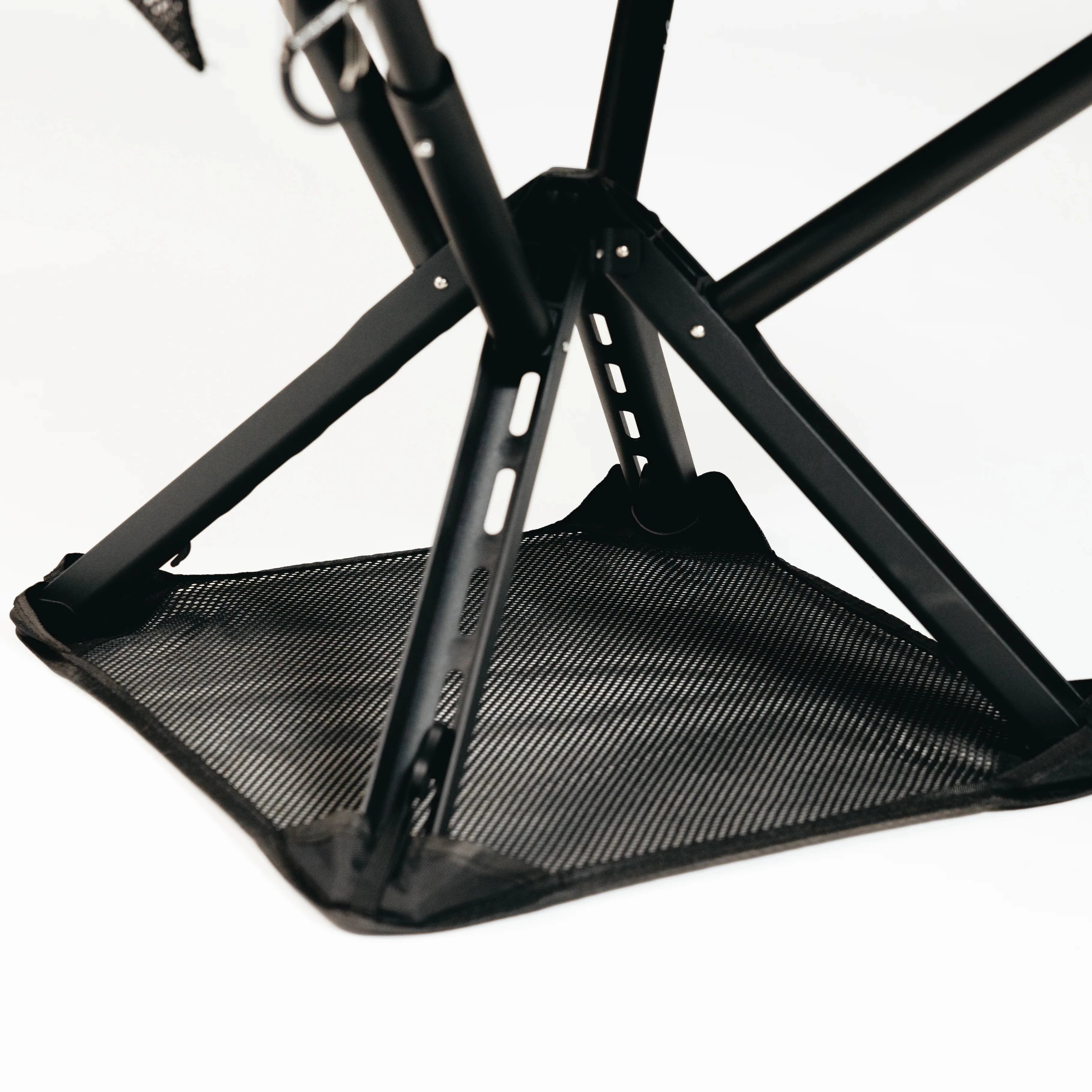
Terrain significantly influences chair performance. Rocky ground demands sturdy leg tips that won’t slip between stones. Sandy beaches require wider foot pads or platforms to prevent sinking. Soft forest floors benefit from chairs with lower centers of gravity that resist tipping. Evaluate where you’ll actually use the chair, not idealized scenarios that rarely occur.
Sustainability certifications provide objective evidence of environmental claims. Bluesign approval indicates responsible chemical use throughout manufacturing. Recycled material percentages show commitment to circular economy principles. PFAS-free designations confirm absence of harmful forever chemicals. Prioritize these factors if eco-consciousness influences your purchasing decisions.
Packed size dimensions matter as much as weight for real-world usability. A chair that weighs 2 pounds but packs to 6 x 6 x 16 inches consumes valuable backpack space. Compare volume specifications alongside weight to understand total portability impact. Measure your available storage before committing to ensure compatibility with existing gear.
Follow this seven-step decision process:
Chair features extend beyond basic seating. Reclining mechanisms add versatility for reading or stargazing. Tensioning systems allow adjustment for different body weights. Maximum capacity ratings prevent structural failure during use. Seat comfort depends on fabric type, padding presence, and overall ergonomic design. Evaluate which features genuinely enhance your experience versus marketing additions.
Pro Tip: Visit outdoor retailers to test actual chairs before purchasing, as online specifications can’t convey real comfort and ease of setup.
Common mistakes reduce satisfaction with lightweight seating choices. Ignoring terrain leads to frustration when chairs sink or tip on surfaces you frequent. Overlooking packed size creates storage headaches that discourage bringing the chair on trips. Focusing solely on weight produces uncomfortable seating that you avoid using. Neglecting sustainability means missing opportunities to align gear with conservation values.
Recovery science supports chairs for reducing fatigue during backpacking by maintaining proper posture and circulation. This physiological benefit justifies the weight addition for many outdoor enthusiasts. Consider how improved rest quality might enhance your overall adventure experience when evaluating whether to carry dedicated seating.
The minimalist travel seating guide offers additional perspectives on integrating portable chairs into streamlined gear systems. Minimalism doesn’t mean sacrificing comfort, but rather choosing versatile items that serve multiple purposes efficiently.
Integrating lightweight seating with complementary gear creates synergistic benefits. Pair your chair with breathable, quick-dry clothing made from recycled fibers. Choose weather-appropriate accessories like insulated seat pads for cold conditions or ventilated backs for hot climates. This holistic approach optimizes comfort while maintaining consistent sustainability standards across your entire setup.
Total pack load determines hiking enjoyment more than any single item. Reducing weight in multiple categories allows you to carry comfort items without exceeding reasonable limits. A lightweight chair combined with a minimal sleeping system and efficient cooking setup creates room for other quality-of-life gear. Balance competing priorities rather than optimizing single categories in isolation.
Maintenance extends chair lifespan and maximizes sustainability benefits. Clean fabric regularly with mild soap and water to prevent degradation from dirt and oils. Inspect frame connections before each trip to catch wear before failure occurs. Store chairs loosely rather than compressed long-term to maintain fabric tension. These simple practices keep gear functional for years, reducing replacement frequency and associated environmental impact.
Eco-friendly outdoor practices complement sustainable gear choices. Follow Leave No Trace principles to minimize site impact. Choose established campsites rather than creating new ones. Pack out all waste including micro-trash that others might miss. Your gear’s low environmental footprint means little if your behavior damages the landscapes you visit.
Pro Tip: Bring a small foam pad or lightweight platform for soft or sandy terrain to prevent chair legs from sinking and compromising stability.
Multi-function gear reduces total item count while maintaining capability. Some chairs integrate storage pockets for small items. Others attach to backpack frames for dual-purpose use. Urban-focused designs fold into discrete bags that double as everyday carriers. Evaluate whether specialized features genuinely add value or simply increase complexity and potential failure points.
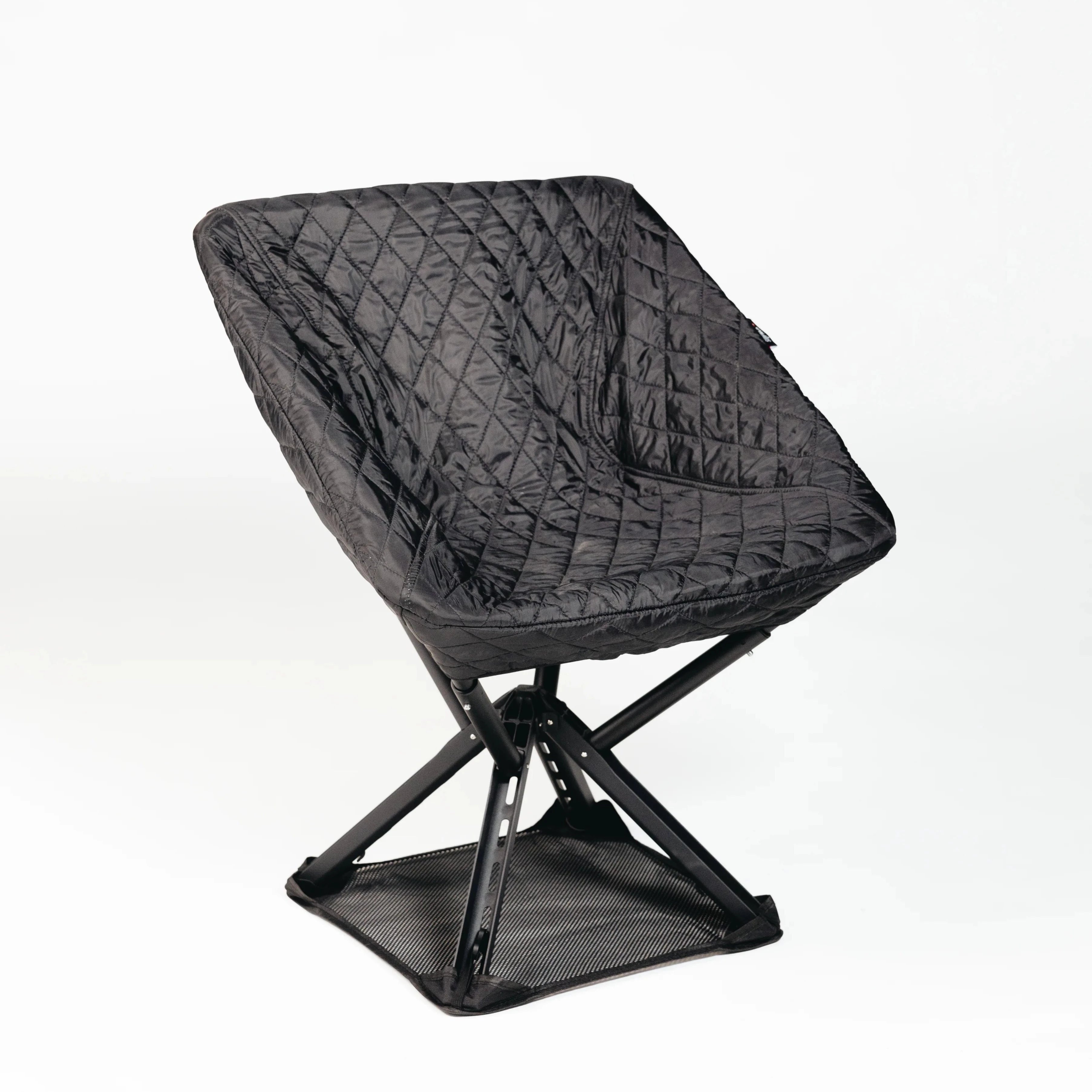
Accessory integration enhances chair utility without adding significant weight. Clip-on cup holders prevent spills on uneven ground. Attachable sunshades provide relief during exposed rest stops. Insulated seat covers add warmth for cold-weather use. Choose accessories that address actual needs from your experience rather than theoretical problems you might encounter.
Understanding the advantages of compact chairs helps appreciate how thoughtful design improves outdoor experiences. Compact doesn’t mean compromised when engineering prioritizes essential features and eliminates unnecessary bulk. Modern materials and construction techniques deliver remarkable performance from minimal packages.
Seasonal considerations affect chair selection and use. Summer adventures benefit from breathable mesh that promotes airflow. Winter trips require solid fabrics that block wind and retain body heat. Shoulder seasons demand versatility to handle variable conditions. Consider whether you need multiple chairs for different seasons or one adaptable option that handles most situations adequately.
Finding the perfect balance between portability, comfort, and sustainability becomes easier when you explore purpose-built solutions. Sitpack creates innovative seating designed specifically for modern outdoor enthusiasts who refuse to compromise on any dimension. Their products integrate ergonomic support with minimal pack volume, using eco-conscious materials that align with conservation values.
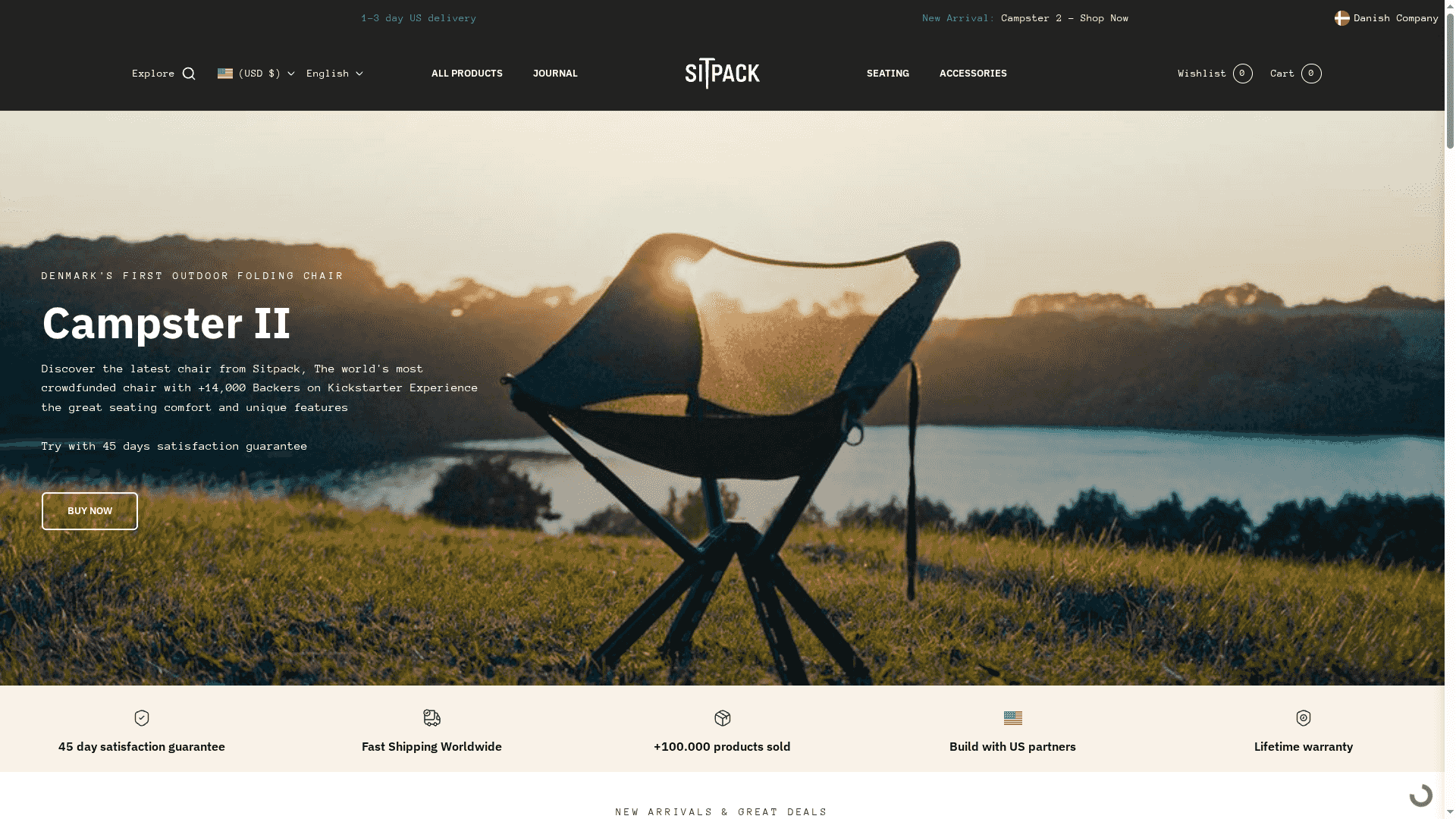
Sitpack’s range addresses diverse adventure styles, from ultralight backpacking to urban exploration. Each design prioritizes packability without sacrificing the support your body needs during extended breaks. Lifetime warranties demonstrate confidence in durability, reducing the replacement cycle that drives environmental impact. Fast worldwide delivery and satisfaction guarantees remove purchase risk, letting you test products in real conditions.
Explore how compact chairs advantages translate into practical benefits for your specific activities. Whether you’re planning multi-day treks or seeking comfortable urban seating, Sitpack’s innovative approach delivers solutions that enhance your outdoor experience while respecting the environments you explore.
Prioritize recycled or certified materials like Bluesign-approved fabrics that ensure responsible chemical management during manufacturing. PFAS-free coatings eliminate persistent chemicals that accumulate in ecosystems and pose long-term environmental risks. Durable construction using recyclable components extends product lifespan, reducing replacement frequency and associated resource consumption. Check sustainability ratings from trusted outdoor gear reviewers to verify manufacturer claims with objective assessments.
Ultralight chairs simplify packing and reduce fatigue during long approaches to remote locations. However, minimal designs tend to flex and tip more easily on uneven ground compared to slightly heavier alternatives. Heavier chairs provide superior stability through wider leg stances and more substantial frame construction, making them preferable for extended sitting sessions or challenging terrain. Evaluate your typical use conditions to determine which trade-off better serves your needs.
Yes, supportive seating significantly reduces muscle fatigue by maintaining proper spinal alignment during rest breaks. Recovery science supports chairs for improving rest quality compared to sitting on ground surfaces or minimal pads. Better circulation and reduced compensatory muscle tension help you recover faster between hiking segments. This physiological benefit often justifies the added pack weight for multi-day adventures where cumulative fatigue affects performance.
Aim for chairs that compress to roughly one-liter bottle volume or smaller, typically 4 to 5 inches in diameter and 13 to 15 inches long. This size fits standard backpack side pockets or lashes to external loops without consuming main compartment space. Measure your available storage before purchasing to ensure compatibility with your existing pack configuration. Remember that packed size matters as much as weight for real-world portability and convenience during travel.
Clean fabric regularly with mild soap and water to remove dirt, oils, and salt that accelerate material degradation. Inspect frame connection points before each trip to identify wear or stress cracks before they cause failure. Store chairs loosely rather than compressed long-term to maintain fabric tension and prevent permanent creasing. Apply these simple maintenance practices to extend gear lifespan by years, maximizing your investment and reducing environmental impact from premature replacement.