カート
0
サインアップすると注文から 10 ドル割引になります
配達予定
1〜3日
こちらもおススメ


デンマークの会社


Choosing the right outdoor seating can make or break your camping trip, beach day, or backpacking adventure. You need a chair that won’t weigh you down, but also won’t collapse under pressure or sink into soft ground. The market offers everything from ultralight backpacking stools to heavy-duty car camping thrones, each with distinct trade-offs in portability, stability, and comfort. This guide walks you through proven evaluation criteria, showcases top-performing chairs from leading brands, and helps you match seating to your specific outdoor activities and terrain challenges.
| Point | Details |
|---|---|
| Ultralight portability | Chairs like Helinox Chair One weigh under 3 lbs, ideal for backpackers willing to trade some stability for easy carrying. |
| Heavy-duty support | Options like YETI Trailhead handle up to 500 lbs with reinforced frames, perfect for car campers prioritizing durability. |
| Terrain-specific design | Low-profile chairs with wide bases prevent sinking in sand or soft soil, outperforming standard height models. |
| Foldable frame trade-offs | X-frame designs offer compact packing but typically have weaker hinges and lower capacity than standard frames. |
| Activity-driven selection | Match chair weight, capacity, and base design to your specific outdoor scenario for optimal performance. |
Selecting outdoor seating requires balancing multiple factors that directly impact your comfort and convenience in the field. Weight and packability determine how easily you can transport your chair, especially critical for activities requiring long carries or limited vehicle space. A chair that adds five pounds to your backpack feels manageable on flat trails but becomes burdensome during steep ascents or multi-day treks.
Weight capacity ensures your seating safely supports your body size and any additional gear you might place on it. Most outdoor chairs list maximum weight ratings, but real-world performance often depends on terrain stability and frame design. Ultralight chairs sacrifice capacity and stability compared to heavier models, creating a fundamental trade-off you must evaluate based on your priorities.
Terrain compatibility matters more than many buyers initially realize. Standard chair legs sink into sand, mud, or loose soil, while wide-base or low-profile designs distribute weight more effectively. Seat height affects ease of entry and exit, with taller designs favoring users with mobility concerns and lower profiles excelling on slopes or uneven ground.
Durability and weather resistance extend your investment’s lifespan. Quality outdoor chairs use reinforced stitching, corrosion-resistant hardware, and UV-protected fabrics that withstand repeated exposure to sun, moisture, and temperature extremes. Consider these factors systematically:
For a comprehensive breakdown of these factors across different chair types, explore our outdoor seating buying guide that maps features to specific use cases.
The outdoor seating market has evolved significantly, with manufacturers refining designs to address specific user needs and environmental challenges. Understanding how leading products perform helps you identify which features matter most for your adventures.
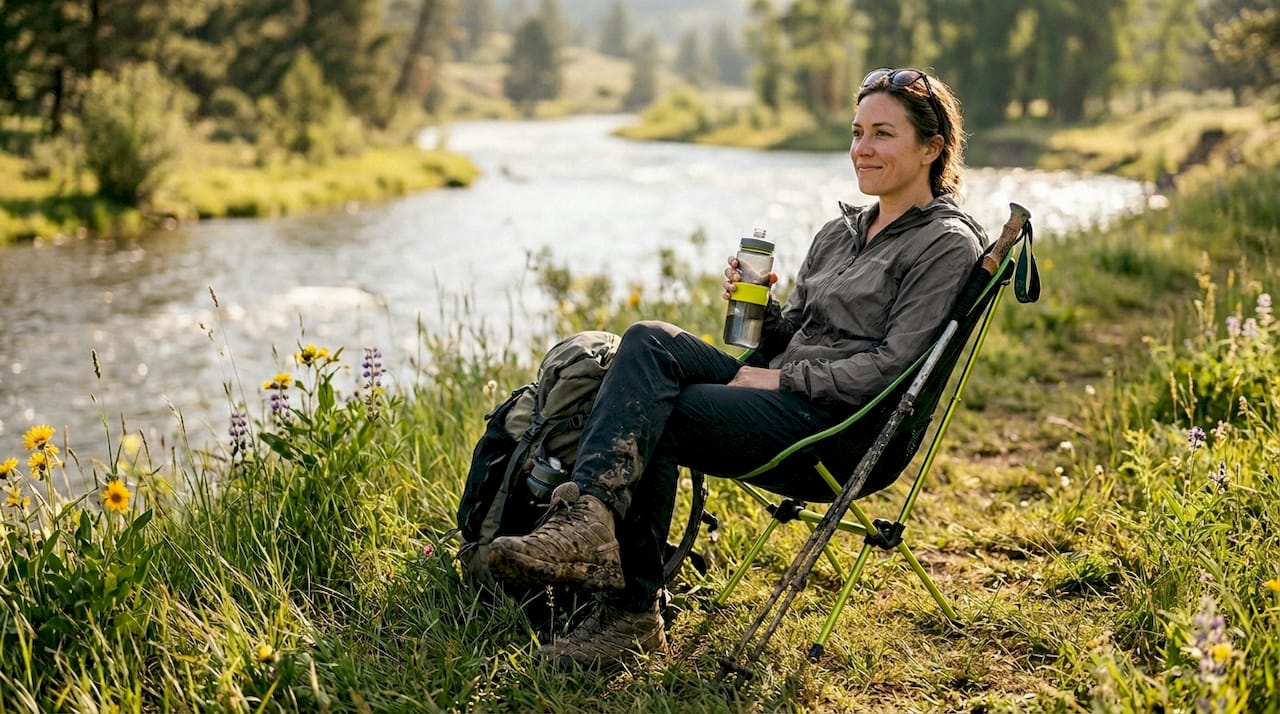
The Helinox Chair One uses shock-corded DAC aluminum poles and recycled polyester fabric, achieving a remarkably light 2 lbs 7.5 oz while supporting up to 320 lbs. This ultralight champion packs down to roughly the size of a water bottle, making it the gold standard for backpackers who refuse to sacrifice comfort entirely. The tensioned seat design cradles your body without pressure points, though the elevated height can feel unstable on very soft or sloped terrain.
For car campers and base camp setups, the YETI Trailhead supports up to 500 lbs with UV-resistant fabric and a crossover frame that balances packability with robust construction. This heavy-duty option weighs around 13 lbs, far too much for backpacking but ideal when vehicle access allows prioritizing comfort and durability. The wide armrests and deep seat provide lounge-quality relaxation after long hiking days.
The Helinox Ground Chair addresses a specific niche with its low-profile design featuring square plastic hubs and wide-spread legs. This configuration prevents sinking into sand, snow, or soft soil while maintaining stability on slopes where taller chairs tip easily. The trade-off comes in ground clearance, requiring more effort to stand up, but beach campers and festival-goers find this design invaluable.
Foldable X-frame chairs occupy the middle ground, offering decent portability and capacity but with notable limitations. These designs typically support 250 to 400 lbs and pack relatively flat, but the hinge points represent structural weak spots that can fail under stress or repeated use on rocky, uneven terrain. Budget-conscious buyers often start here, though serious outdoor enthusiasts eventually upgrade to specialized designs.
Key features distinguishing these options include:
Compare multiple lightweight outdoor chair options to see how these specifications translate to real-world performance across different activities.
Direct comparison reveals how different design philosophies create distinct performance profiles. Understanding these trade-offs helps you avoid purchasing a chair that excels in scenarios you rarely encounter while underperforming in your typical environments.
| Chair Type | Weight Capacity | Packed Weight | Best Terrain | Key Limitation |
|---|---|---|---|---|
| Ultralight backpacking | 250-320 lbs | 1-3 lbs | Firm, level ground | Reduced stability on slopes |
| Heavy-duty car camping | 400-600 lbs | 10-15 lbs | Any with vehicle access | Too heavy for hiking |
| Low-profile ground | 250-350 lbs | 2-4 lbs | Sand, snow, soft soil | Difficult entry and exit |
| Foldable X-frame | 250-400 lbs | 5-8 lbs | Moderate terrain | Hinge durability concerns |
Weight capacity numbers deserve careful interpretation. Foldable X-frame chairs support 250 to 400 lbs but have weaker hinges compared to standard chairs rated for 300 to 600 lbs. The difference becomes critical on uneven terrain where lateral forces stress connection points beyond simple vertical load ratings.
Ultralight chairs sacrifice stability for portability, a worthwhile trade when every ounce matters during long approaches. These designs work best on firm, relatively level surfaces where their narrow footprints and elevated centers of gravity don’t create tipping hazards. Soft ground or significant slopes expose their limitations quickly.
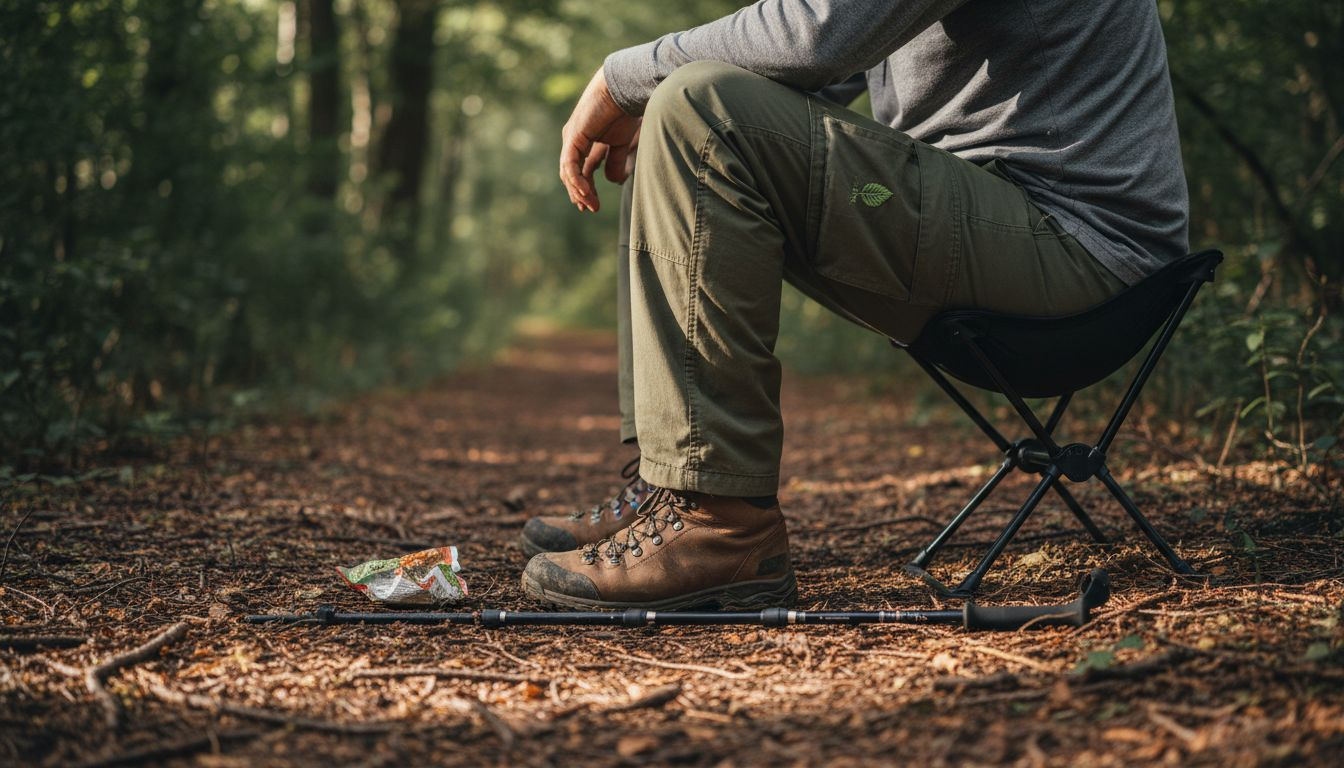
Low ground seating solves specific problems brilliantly while creating others. The wide base and low center of gravity make these chairs nearly impossible to tip on sand or snow, and the reduced height actually helps on slopes by keeping your center of mass closer to the hillside. The Helinox Ground Chair excels in these conditions but requires strong legs and good mobility to use comfortably.
Pro Tip: Test your chair’s stability by sitting down and leaning to each side before fully committing your weight. Quality designs resist tipping even with significant lateral movement, while cheaper models feel precarious immediately.
Fabric tensioning affects long-term comfort more than initial impressions suggest. Well-designed chairs maintain support over hours of use, while cheaper options develop saggy spots that create pressure points. Wide bases improve stability but increase packed size, a critical consideration for gear-limited adventures.
For practical guidance on matching chairs to specific events and settings, review our outdoor event seating tips covering everything from concerts to camping.
Matching seating to your specific activities and environments ensures you get maximum value from your investment. Different outdoor scenarios create distinct priorities that favor certain chair characteristics over others.
Car campers benefit most from prioritizing comfort and durability over weight savings. When you can drive directly to your campsite, heavy-duty chairs with high weight capacities, thick padding, and weather-resistant fabrics make sense. These models often include cup holders, side pockets, and other conveniences that backpackers must forgo. The extra weight becomes irrelevant when you only carry the chair 50 feet from your vehicle.
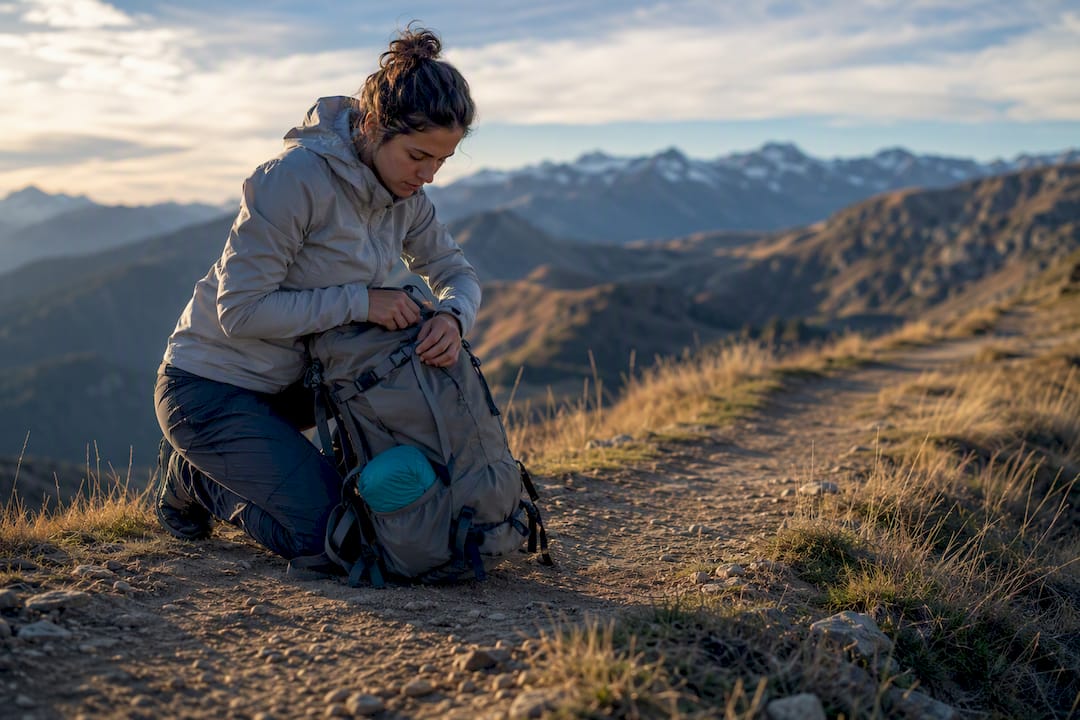
Backpackers face the opposite calculation. Chairs under 3 lbs provide biomechanical benefits by reducing pack weight despite some compromises in capacity and stability. Every pound you eliminate from your load reduces joint stress and fatigue over long distances. Ultralight chairs let you enjoy comfortable sitting without the penalty of hauling heavy gear through challenging terrain.
Beachgoers and soft-ground campers should prioritize low-profile designs with wide bases. Standard chairs sink frustratingly into sand, requiring constant repositioning and creating instability. Ground-level chairs with broad footprints distribute weight effectively, staying stable even as you shift position. The lower seat height also reduces wind exposure, a significant advantage on breezy beaches.
Urban adventurers need portable yet comfortable options for varied surfaces. Park concerts, outdoor festivals, and street events often occur on pavement, grass, or gravel, requiring chairs that pack small enough for public transit but provide adequate comfort for extended sitting. Mid-weight foldable designs often hit the sweet spot, offering reasonable portability without ultralight compromises.
Consider these decision factors systematically:
Pro Tip: Bring your chair on a short trial outing before committing to a major trip. Discovering compatibility issues during a weekend camping trip beats learning about them on day three of a week-long backpacking expedition.
Terrain slope deserves special attention. Chairs that feel stable on level ground can become dangerously tippy on hillsides, especially when you lean back or shift your weight. Low-profile designs and wide bases mitigate this risk significantly. Weather exposure also matters, as prolonged sun degrades fabrics and wind can destabilize lightweight chairs.
For more detailed guidance on selecting chairs for specific outdoor scenarios, visit our outdoor event seating tips with real-world examples and user experiences.
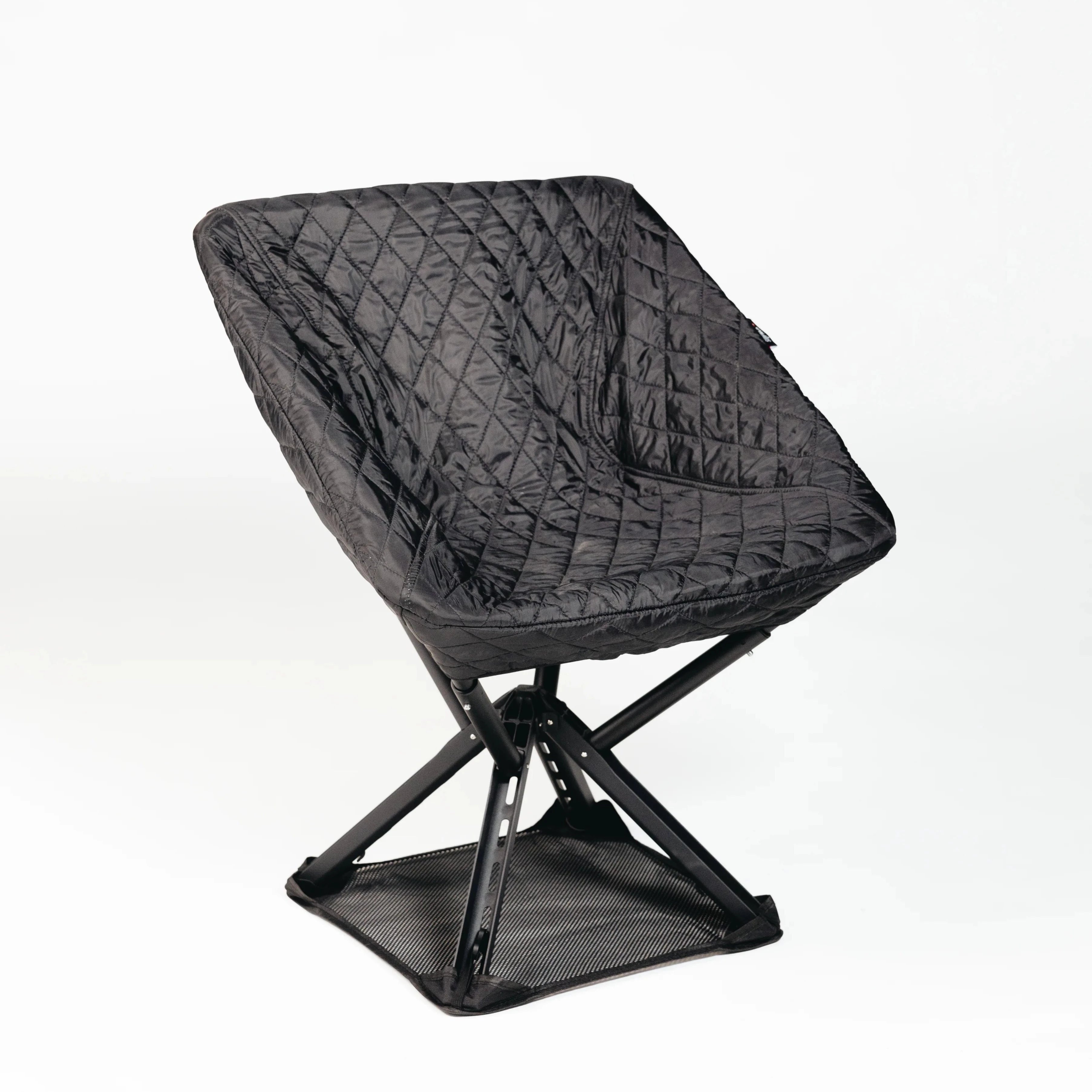
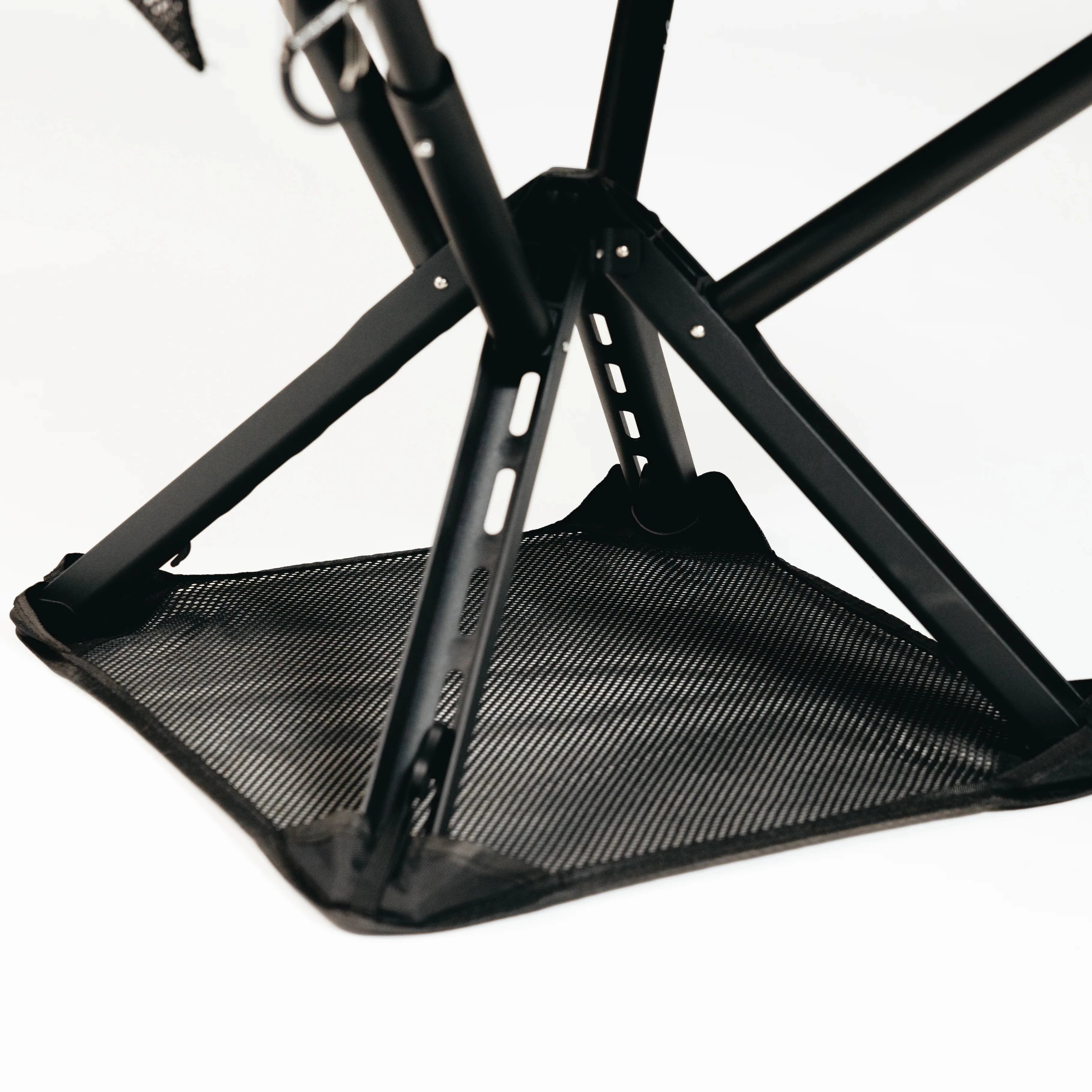
Finding the perfect outdoor chair requires balancing portability, comfort, and durability for your specific adventures. Sitpack specializes in innovative, space-saving seating solutions designed for travelers and outdoor enthusiasts who refuse to compromise on quality. Our compact designs enhance portability without sacrificing the comfort you need for extended outdoor sessions.
Whether you’re planning a multi-day backpacking trip, setting up base camp for a weekend, or heading to an outdoor festival, the right seating transforms your experience. Browse our collection of portable seating solutions engineered for modern adventurers who demand performance and convenience. Explore expert comparisons and detailed tips in our lightweight outdoor chair guide to find your ideal match.
The Helinox Chair One ranks among the lightest full-size camping chairs, weighing just 2 lbs 7.5 oz while supporting up to 320 lbs. This ultralight design uses shock-corded aluminum poles and recycled polyester fabric, packing down to roughly water bottle size. For backpackers prioritizing portability, this represents an excellent balance between weight savings and functional comfort. Compare multiple lightweight outdoor chair options to see how different models stack up.
Low-profile chairs like the Helinox Ground Chair excel on sand and soft soil thanks to square plastic hubs and wide-spread legs that distribute weight effectively. This design prevents sinking while maintaining stability on slopes and uneven surfaces where taller chairs tip easily. The trade-off comes in reduced ground clearance, requiring more effort to stand up, but the stability benefits make this worthwhile for beach camping and similar environments. Read the detailed Helinox Ground Chair review for real-world performance insights.
Foldable X-frame chairs typically support 250 to 400 lbs but have weaker hinge points that can fail under stress or on uneven terrain. Standard camping chairs offer superior stability and higher weight capacities, often supporting 300 to 600 lbs with more robust frame construction. X-frame designs pack flatter and cost less, making them popular entry-level options, but serious outdoor enthusiasts usually upgrade to more durable designs. The hinge weak points become especially problematic on rocky or sloped terrain where lateral forces stress connection points.
Choose a chair rated for at least 50 to 100 lbs above your body weight to ensure safety and longevity. This buffer accounts for dynamic forces when sitting down, shifting position, or leaning back, which can momentarily exceed static body weight. Heavier users should prioritize chairs with reinforced frames and higher ratings, while lighter individuals can focus more on portability features. Remember that weight capacity ratings assume level, firm ground, so reduce your expectations on soft or uneven terrain where stability decreases.
Chair height significantly affects usability and comfort depending on your mobility and terrain. Standard height chairs (16 to 18 inches) provide easier entry and exit for most users, while low-profile options (6 to 10 inches) excel on slopes and soft ground but require strong legs to use comfortably. Taller individuals often prefer higher seats to reduce knee strain, while compact users may find lower chairs more stable. Consider your typical terrain and any mobility limitations when selecting seat height, as this feature directly impacts your practical experience.