カート
0
サインアップすると注文から 10 ドル割引になります
配達予定
1〜3日
こちらもおススメ


デンマークの会社

TL;DR:
- Portable seating enhances urban mobility by providing lightweight, foldable options for waits and outdoor breaks. Choosing verified specs and proper fit for your routine ensures comfort, safety, and social signals in city environments. Sitpack’s models, the Campster II and Zen, meet these criteria with transparency and durable design.
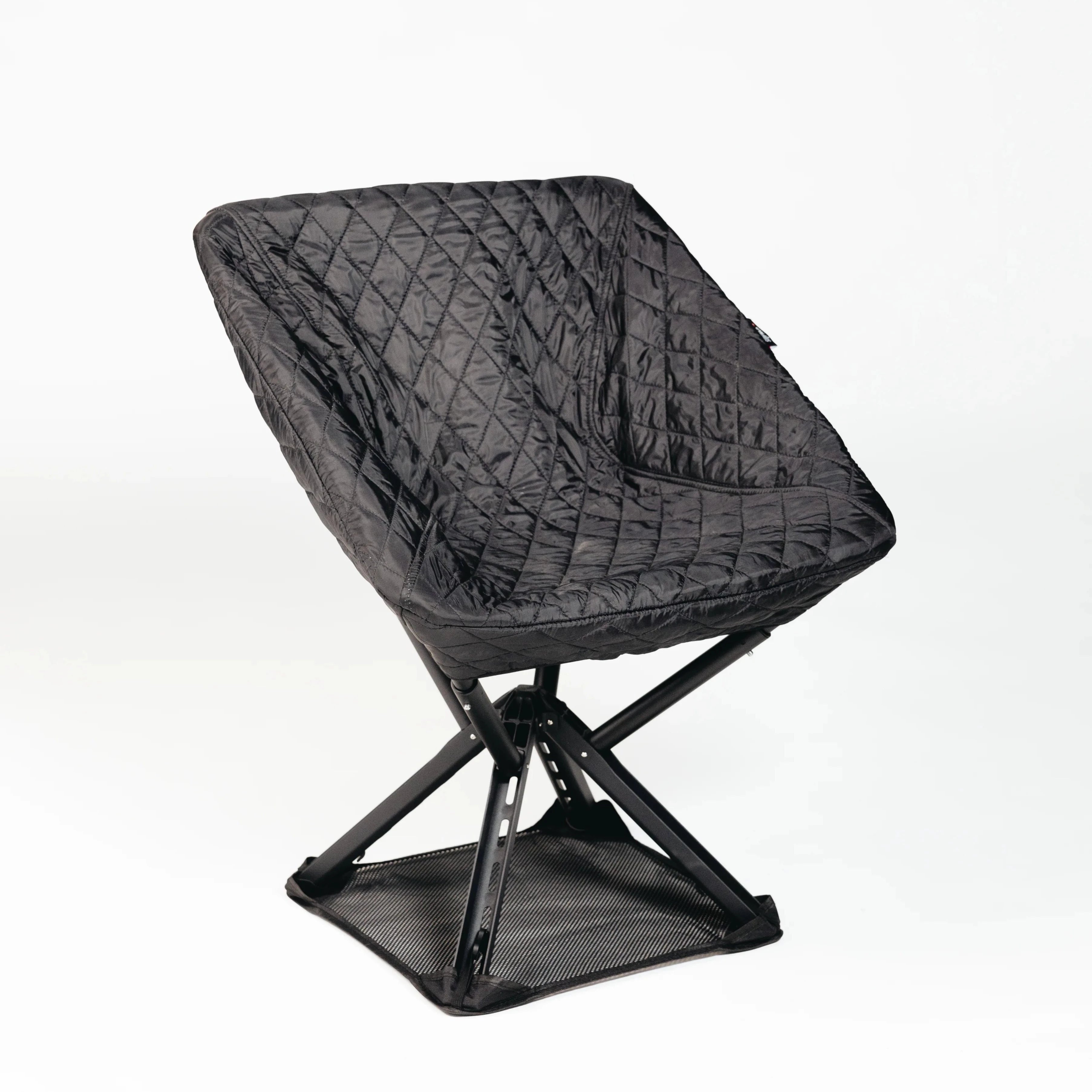
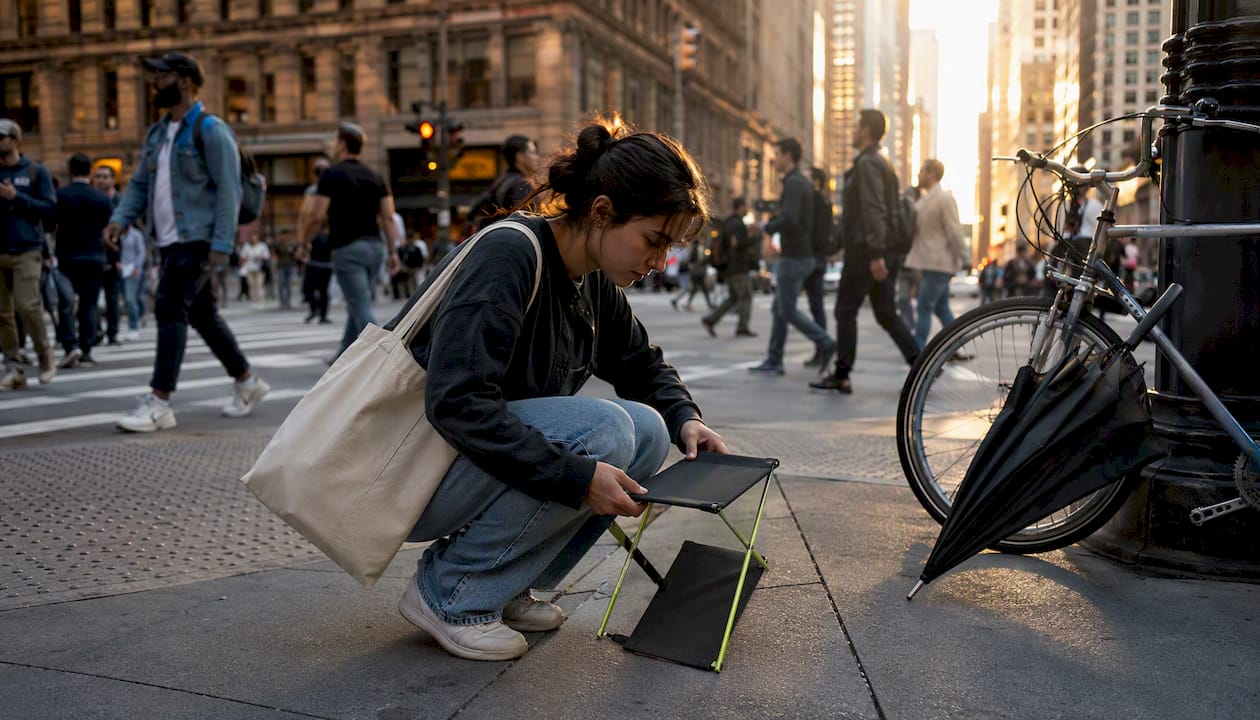
In this guide, “urban mobility” means one thing: compact, foldable seating and accessories that help you move through the city without sacrificing comfort. If you spend time waiting on platforms, standing in lines, or grabbing outdoor breaks between meetings, a portable seat is the practical upgrade your routine is missing. The two models worth knowing right away are the Sitpack Campster II and the Sitpack Zen — both built around the idea that you should never have to hunt for a bench.
Forget transit planning and bus schedules. Here, urban mobility describes the category of compact, packable seating and accessories designed for walking, last-mile waits, crowded transit stops, and outdoor urban pauses. The product attributes that define whether something belongs in this category:
The category in one line: A portable urban seat is any compact, foldable perch you can carry on your commute and deploy wherever a bench isn’t available.
The portable seating trends shaping 2026 point consistently toward lighter materials, faster setup, and multi-use designs that serve both the morning commute and a weekend hike.
The case for carrying one isn’t just comfort — it’s backed by research. According to the interACT project, 64% of surveyed commuters identified insufficient seating as a major issue, and over 45% named inadequate transit facilities as their primary frustration.

| Commuter pain point | Share of respondents |
|---|---|
| Insufficient seating | 64% |
| Inadequate transit facilities overall | Over 45% |
Source: interACT commuter survey
The ergonomic payoff is real. Standing for extended periods on hard platforms compresses the lower spine and tires the legs faster than most people realize. A perching seat keeps your hips slightly elevated and your spine in a more neutral position, which reduces fatigue across a long commute day.
There’s a social dimension too, and it’s one most people overlook. Designers working on the interACT project observed that:
That’s not a soft benefit. In dense urban environments where everyone stares at their phone, a perching posture physically signals availability for interaction, which can shift the whole feel of a crowded platform. Pair that with the comfort advantages of compact seating and you’ve got a product that earns its place in your bag.
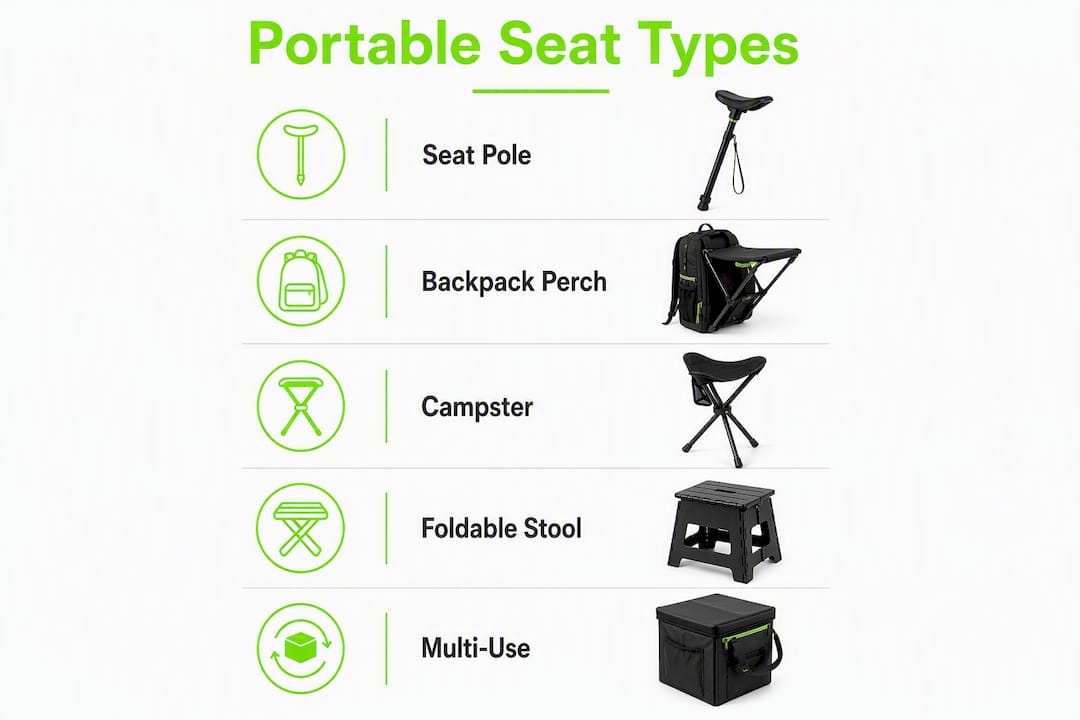
The interACT research usefully breaks the commuting journey into three phases: doorstep to station, waiting and travel, and last mile. Different seat types serve each phase better than others.
| Type | Packability | Setup speed | Typical weight | Seating height | Best for |
|---|---|---|---|---|---|
| Seat pole / perch | Excellent | Very fast | Very light | Low–medium | Platform waits, standing lines |
| Foldable tripod stool | Good | Moderate speed | Light–medium | Medium | Outdoor stops, short rests |
| Backpack-mounted perch | Excellent | Fast | Very light | Low | Multi-phase commutes |
| Compact foldable chair | Moderate | Slower | Medium | Medium–high | Longer outdoor breaks |
Seat poles and backpack-mounted perches win on packability and speed — you’re not unpacking a bag, you’re just unfolding a clip. Foldable tripod stools offer more stability and a higher seat, which suits outdoor events or longer waits. If your commute involves all three phases, a backpack-attachable perch that unfolds quickly is the most versatile pick.
Shopping for a portable seat is easier when you work through the specs in order of importance rather than grabbing whatever looks lightest on the shelf.
Price ranges to expect:
Trust signals that matter when buying:
The interACT design team’s approach is a useful model here: they started from survey evidence rather than assumptions. Do the same — prefer products whose specs are published and verifiable over ones that only describe themselves as “lightweight” without numbers.
Packing and carrying:
Quick deploy checklist:
Pro Tip: Wipe down the seat surface with a damp cloth after every few uses. Urban grime, especially on platform edges, builds up faster than you’d expect and can degrade both the material finish and hygiene.
Aluminum and stainless steel frames need almost no maintenance beyond occasional joint lubrication if they start to stiffen. Fabric seat surfaces should be spot-cleaned with mild soap; avoid soaking them, which can weaken stitching over time.
Sitpack designs specifically around the constraints of city and outdoor use: minimal weight, fast setup, and specs you can actually verify. That focus shows up in both flagship models.
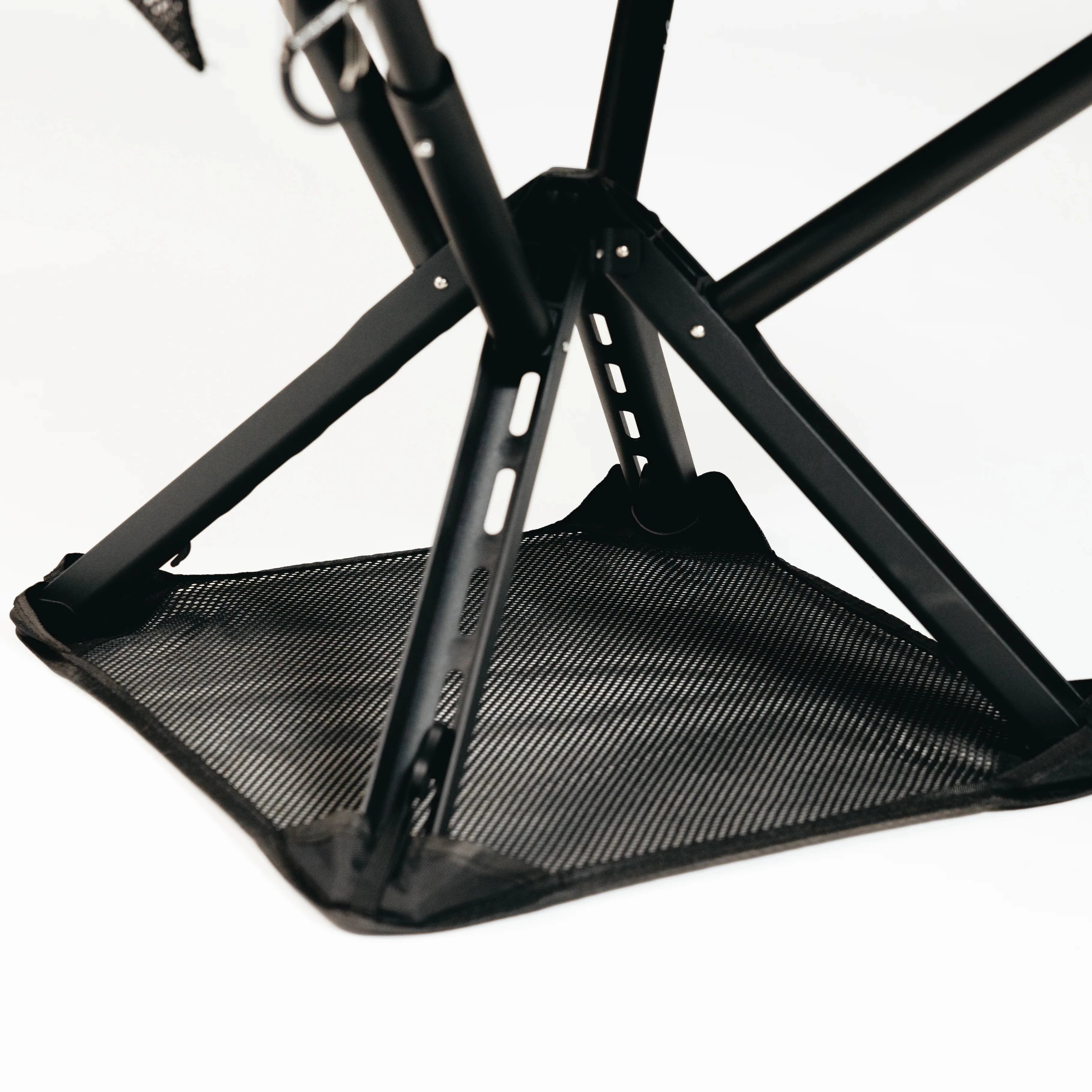
Sitpack Campster II suits the commuter who also camps or hikes on weekends. It folds compact, handles varied terrain, and is built for repeated daily use. Check the published weight and load capacity on the product page before buying.
Sitpack Zen is the leaner option, aimed at travelers and urban users who want the smallest possible footprint. Its folded size is designed to slip into a daypack side pocket without bulk.
Sitpack trust signals to verify:
Sitpack’s design approach aligns with what the interACT research recommends: evidence-backed decisions over marketing assumptions. The specs are published, guarantees are provided, and the urban seating solutions guide on their blog gives you deeper context on which model fits which use case.
Buying channels:
Before you check out:
Portable seating is the most practical urban mobility upgrade most commuters haven’t tried yet — and choosing the right seat comes down to verified specs, not marketing claims.
| Point | Details |
|---|---|
| Category definition | Portable urban seating = compact, foldable seats for commutes, waits, and city stops. |
| Seating shortage is real | 64% of commuters report insufficient seating in transit environments. |
| Transit facility frustration | Over 45% of commuters cite inadequate transit facilities as their primary frustration. |
| Selection priorities | Match weight, folded size, load capacity, and seating height to your actual bag and body. |
| Use and care | Deploy on stable surfaces, lock joints before sitting, and wipe down after urban use. |
| Sitpack recommendation | Campster II suits active commuters; Sitpack Zen suits travelers wanting minimal bulk. |
There’s a detail from the interACT research that stuck with me: perching posture doesn’t just reduce fatigue, it changes how other people read you in a crowded space. A semi-upright perch signals that you’re present and open rather than hunched and closed off. In a city where most transit interactions are studiously avoided, that’s a genuinely interesting design insight.
Most people shopping for a portable seat are thinking about their back. That’s fair. But the social dimension — the way a good perch can shift your posture and, by extension, your presence in a space — is worth considering too. The best portable seats aren’t just ergonomic tools; they’re small pieces of infrastructure you carry with you.
My honest recommendation: match the seat type to your actual daily routine, not the most impressive spec sheet. If you’re mostly on platforms and in lines, a lightweight perch or seat pole is all you need. If your day involves longer outdoor breaks or weekend use, a foldable stool with a wider base earns its extra grams. Either way, verify the specs before buying, check the warranty, and don’t settle for a product that won’t tell you how much it weighs.
Sitpack builds portable seating for exactly the kind of urban routine this article describes: fast setup, verified specs, and products that fit in your bag without a second thought. The Campster II and Sitpack Zen are both available with full spec transparency, a 45-day satisfaction guarantee, and lifetime warranty coverage.
Check the Sitpack product range for current U.S. availability, shipping details, and the full spec breakdown on both models. If you want to understand the ergonomic case for compact seating comfort before you buy, that’s a good next read. The guarantee means you can order with confidence and return it within 45 days if it doesn’t fit your commute.