Cart
0
Sign up and get 10$ off your order
Expected delivery
1-3 days
You may also like


Danish Company


TL;DR:
- Multipurpose travel seating has evolved to balance portability, durability, and terrain adaptability across various outdoor and urban environments. Experts evaluate these seats based on stability, weight, weather resistance, and ease of setup, emphasizing real-world testing over superficial specs. Choosing the right seat depends on specific trip needs, physical considerations, and the tradeoff between comfort and portability.
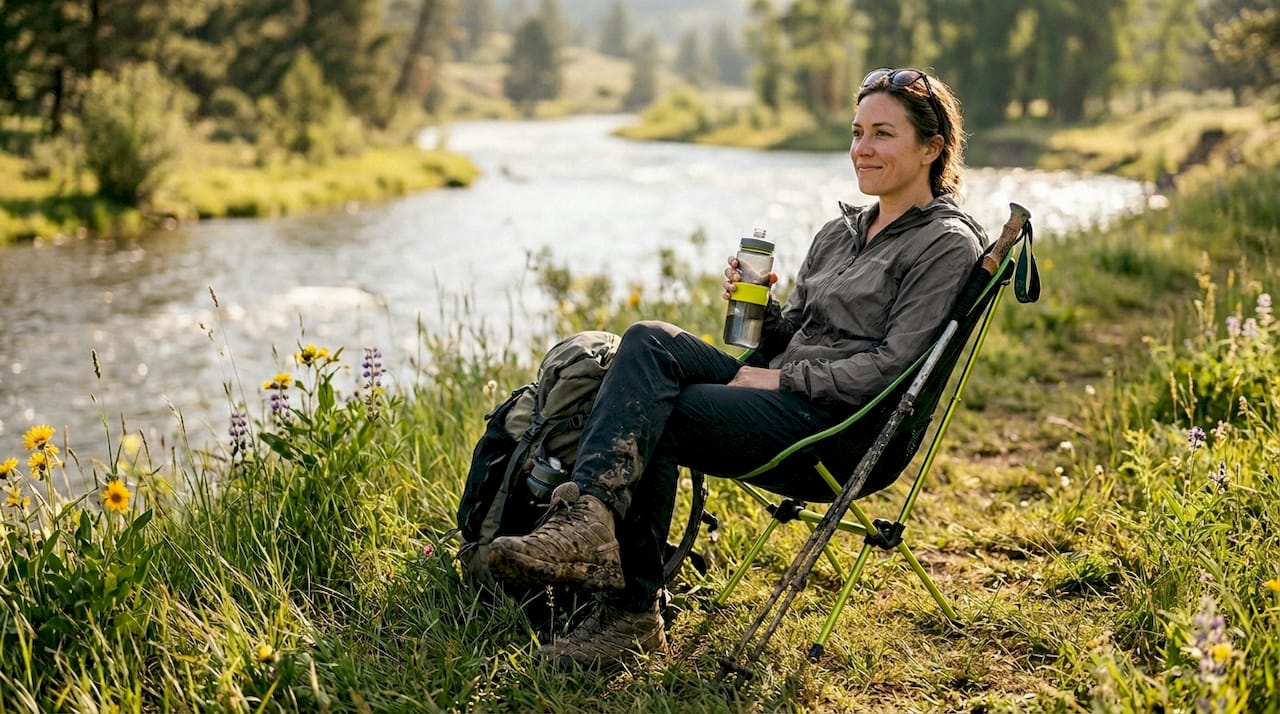
Think a travel chair is just a folding chair? That assumption has left plenty of outdoor enthusiasts disappointed, stuck on wobbly legs at a muddy festival or wrestling a bulky seat onto a packed trail. Multipurpose travel seating has quietly evolved into something far more nuanced, balancing portability, durability, comfort, and terrain adaptability in ways that genuinely change how you experience the outdoors. Whether you’re chasing sunsets from a campsite, front-row at an open-air concert, or grabbing a breather in a busy city park, the right seat makes a measurable difference. Let’s clear up the confusion and help you find your perfect match.
| Point | Details |
|---|---|
| Portability vs. comfort | Multipurpose travel seating balances easy transport with the comfort required for extended adventures. |
| Check stability benchmarks | Stability and capacity ratings are essential for safe, dependable seating outdoors. |
| Consider accessibility | Low seat heights or ultralight designs may not suit all users, especially those with mobility limits. |
| Match seating to your trip | Choose seating types based on weather, terrain, and activity for best results. |
| Avoid common buying mistakes | Don’t overlook field-tested reviews and real-world edge cases before investing. |
Multipurpose travel seating refers to any portable seating solution designed to perform well across more than one environment or activity type. We’re talking about chairs, stools, and hybrid seats that can handle a muddy campsite on Saturday and a train platform on Monday without complaint. It’s a category that has evolved dramatically over the past two decades, driven by the growing overlap between outdoor adventure culture, urban mobility, and festival life.
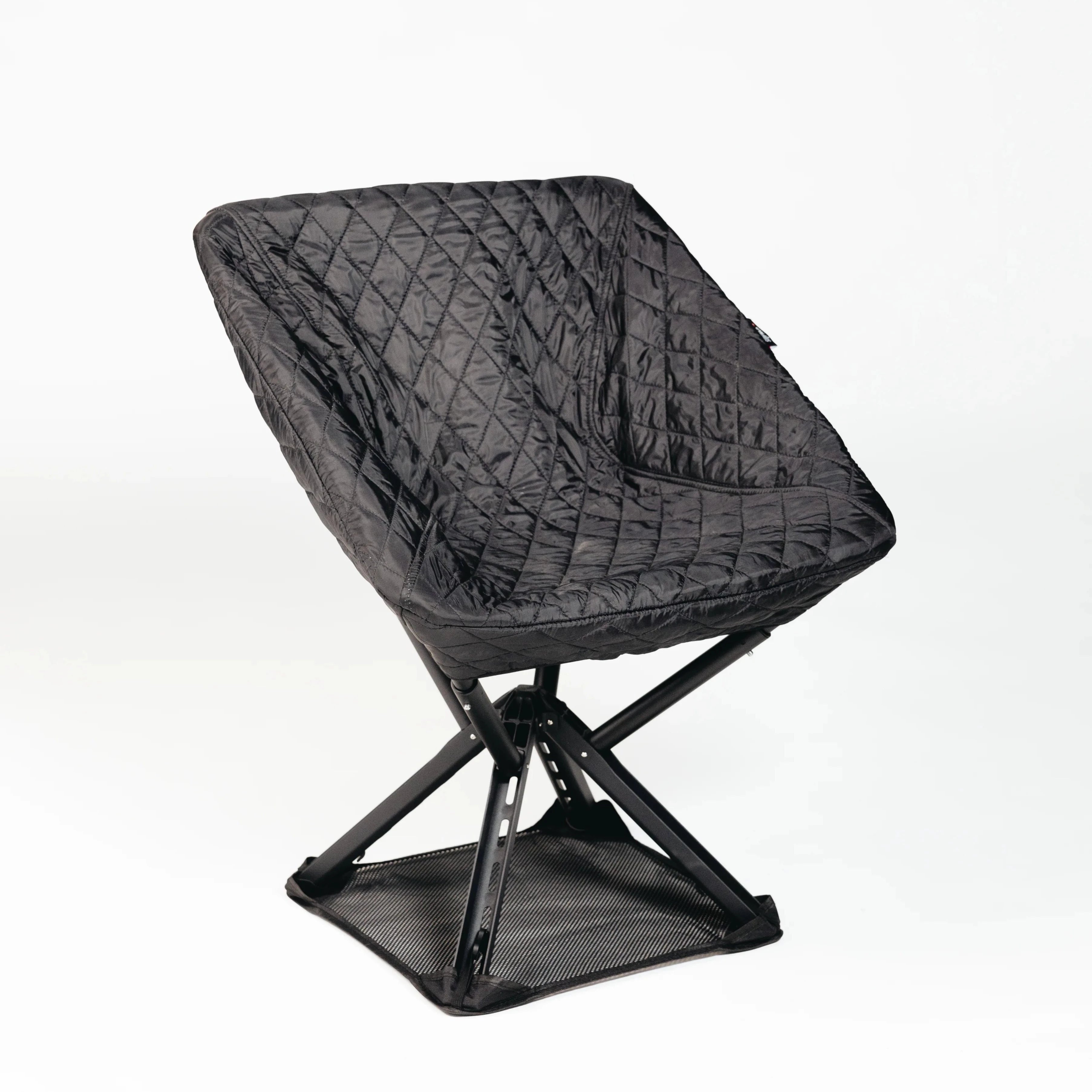
Early versions were pretty basic: folding aluminum lawn chairs and canvas camp stools that weighed a ton and packed down to roughly the size of a small dog. Today’s options include ultralight backpacking chairs, compact tripod stools, foldable saddle seats, and innovative designs like pocket-sized sit sticks that weigh almost nothing. The types of portable chairs available now would genuinely surprise anyone who hasn’t checked in on the market recently.
Why does versatility matter so much? Because most of us don’t just do one type of outdoor activity. Campers also hit music festivals. Urban commuters also take weekend hikes. Festival goers also travel internationally. A seat that only works brilliantly on flat, dry ground has limited real-world value for people whose adventures change shape every weekend.
Core features common across multipurpose seating options:
“Lower-cost or highly compact chairs may compromise stability, and some designs may sit low enough to affect accessibility for different users.” — CleverHiker’s Helinox Ground Chair review
That quote cuts right to the heart of it. Portability and comfort exist on opposite ends of a spectrum, and most designs park themselves somewhere in the middle. The best multipurpose options acknowledge that tradeoff honestly and design around specific real-world priorities.
Now that we’ve defined the concept, let’s look at what qualities make some options stand out.
Serious field testers don’t just sit in a chair once and call it a day. They stress-test it across multiple trip types, surfaces, weather conditions, and user scenarios before forming an opinion. According to TreelineReview’s best camping chairs, the benchmarks that matter most when evaluating multipurpose travel seating are stability, weight, weather resistance, and ease of transport and setup, often validated through multi-environment field testing.
Here’s how those benchmarks break down in practice:
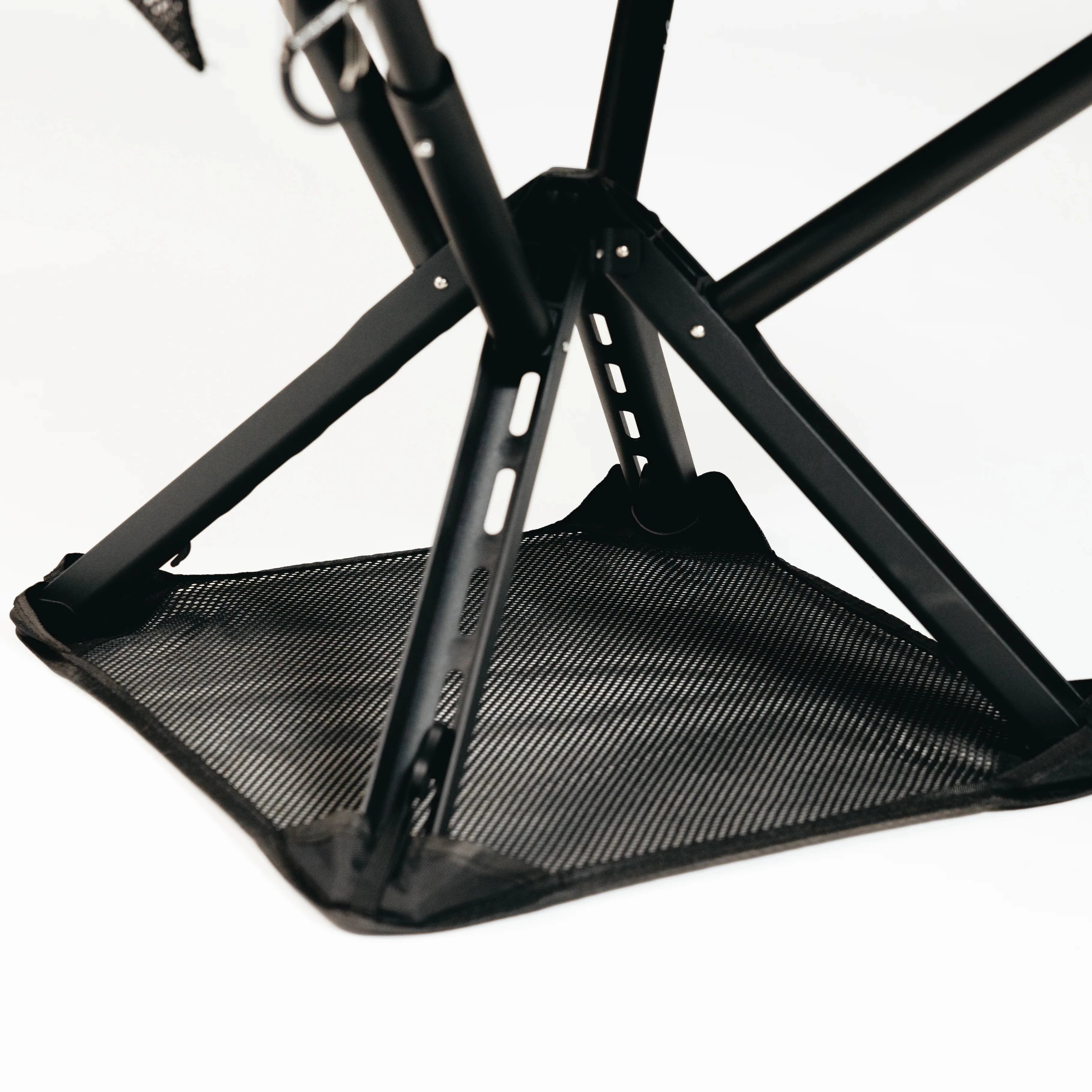
Stability measures how well the chair holds its shape and position on uneven, soft, or slippery ground. A chair that’s rock-solid on packed dirt may sink into sand or tilt on a gravel slope. Testing this properly means taking the chair somewhere imperfect.
Weight and packed size together determine whether you’ll actually bring the chair or leave it at home. A seat that weighs 4 lbs and packs to the size of a rolled yoga mat is technically portable, but it won’t make the cut for a three-day backpacking trip.
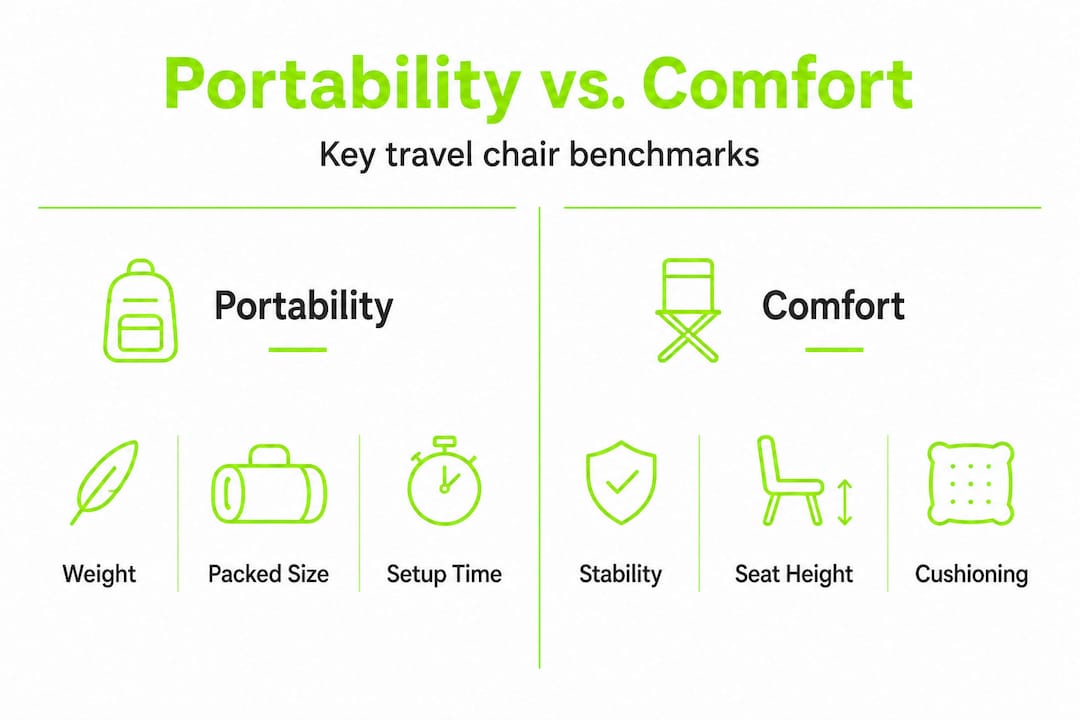
Weather resistance covers everything from rain-repellent fabric to rust-resistant frame joints. Seating comfort outdoors is directly affected by how the materials perform when wet or cold.
Ease of setup matters more than most buyers expect. If you’re fiddling with poles and clips for ten minutes while everyone else is already relaxing, that’s a problem. The best options set up in seconds, with no instructions required after the first time.
| Benchmark | What to look for | Typical range |
|---|---|---|
| Weight | Under 2 lbs for ultralight; 2-4 lbs for standard | 0.5 to 4+ lbs |
| Weight capacity | Minimum 220 lbs; 265-330 lbs for most users | 200 to 400 lbs |
| Packed size | Fits inside a daypack side pocket or attached externally | 12 to 20 inches packed |
| Setup time | Under 60 seconds is ideal | 15 seconds to 5 minutes |
| Weather resistance | Water-resistant fabric; coated or stainless frame hardware | Varies by material |
One angle that’s worth flagging: the durability of frame materials matters enormously for long-term value. Just as cork backpack durability depends on material quality and construction method, a chair’s longevity hinges on how the joints, feet, and fabric are built, not just what they’re made of.
With benchmarks in mind, let’s explore what tradeoffs you need to watch for depending on your adventure.
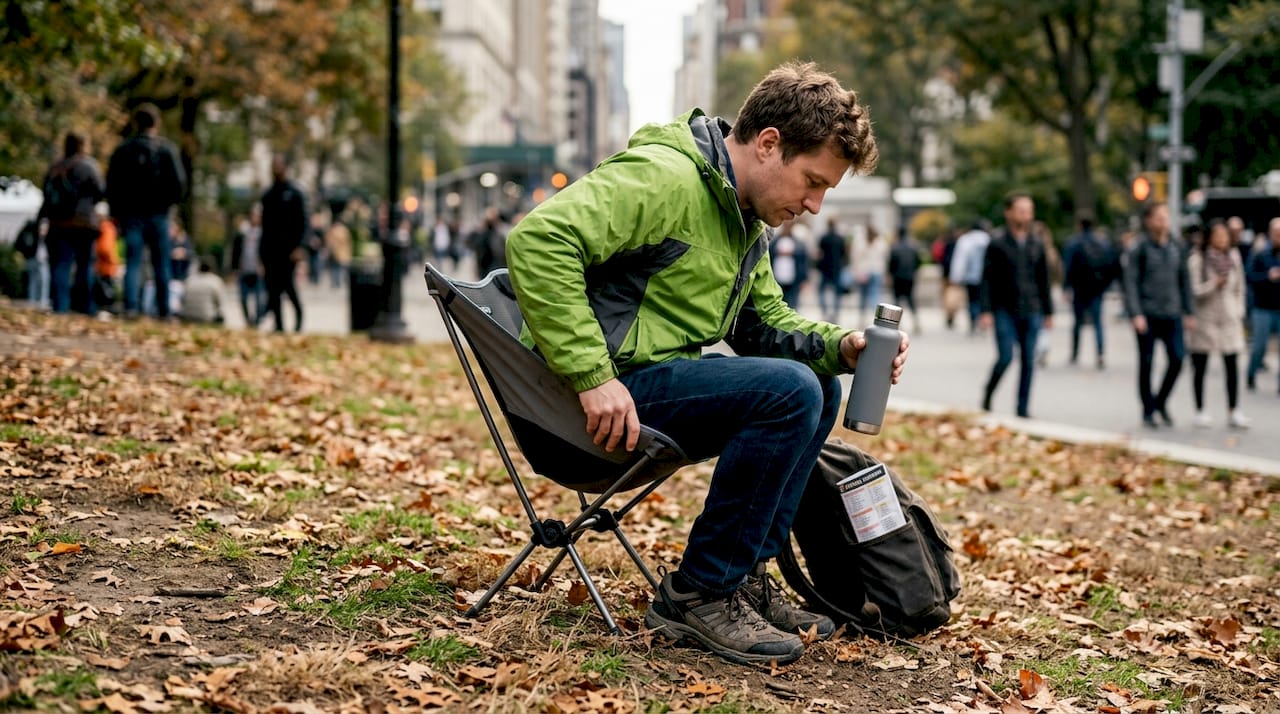
Here’s where things get real. The portability-versus-comfort tradeoff is the single most important tension in the multipurpose seating world, and it’s the one most buyers ignore until they’ve already made a purchase they regret.
Consider the ultralight backpacking chair. Weighing in at under a pound, it’s a miracle of engineering. But sit in one for three hours at a festival, and your posterior will have some strong opinions. Conversely, a padded camp chair with armrests and a cup holder is genuinely comfortable for a weekend car-camping trip, but you’re not hauling that thing up a trail.
Moon Lence’s portable camping chair is a useful example here. CleverHiker’s field testers reported bending legs during stability testing and noticeable wobble on slightly uneven terrain, a reminder that compact designs sometimes sacrifice structural integrity to hit an aggressive weight target. It looks great in photos and packs small, but real-world conditions expose the compromise.
Tradeoff comparison by chair type:
| Chair type | Portability rating | Comfort rating | Best for |
|---|---|---|---|
| Ultralight backpacking chair | 5/5 | 2/5 | Solo trail use, summit breaks |
| Compact tripod stool | 5/5 | 3/5 | Festivals, urban use, short sits |
| Mid-weight camp chair | 3/5 | 4/5 | Car camping, picnics |
| Full-size padded chair | 1/5 | 5/5 | Base camp, front porch camping |
| Sit-stick / pocket seat | 5/5 | 2.5/5 | Urban, queuing, light outdoor use |
The edge cases most buyers miss are almost always accessibility-related. If you’ve ever tried getting up from a chair that puts your knees at chin level after a long day on the trail, you know exactly what I mean. Very compact designs can also be problematic for users with mobility considerations, where a seat that’s six inches off the ground feels like a trap rather than a resting spot. Taking that into account matters before you click “add to cart,” especially for group travel where not everyone shares the same physical needs.
Pro Tip: Before buying any ultralight or highly compact chair, physically mimic getting in and out of it while tired. If you struggle in a store setting, uneven outdoor terrain will be significantly harder.
Practical questions to ask before buying:
For guidance on transporting portable chairs without damaging them or your gear, it’s worth reading up on packing strategies before your first trip. And for those wanting to reduce their footprint, pairing lightweight seating choices with eco-friendly travel tips makes the whole adventure more intentional.
Armed with a clearer sense of what to look for and what to avoid, let’s see how multipurpose seating fits specific adventure styles.
Different adventures demand different things from a seat. That sounds obvious, but the number of people who grab the first compact chair they see online and wonder why it fails them at a rainy festival is surprisingly high. Let’s break it down by trip type.
For camping trips: You generally have more pack space and less distance to carry gear, so prioritizing comfort over extreme packability makes sense. Look for chairs with back support, reasonable seat height, and a frame that handles soft or uneven ground without sinking. Field tests like CleverHiker’s Moon Lence review confirm that even chairs marketed as “camping-ready” can wobble on uneven terrain, so always check stability reviews specifically.
For music festivals and outdoor events: You’re on your feet a lot, then suddenly desperate to sit. Compact, lightweight options that pack into a shoulder bag are ideal here. Tripod stools and sit-sticks win this category because they set up instantly and don’t require flat ground. Weight capacity and seat material comfort matter more than back support for shorter sits.
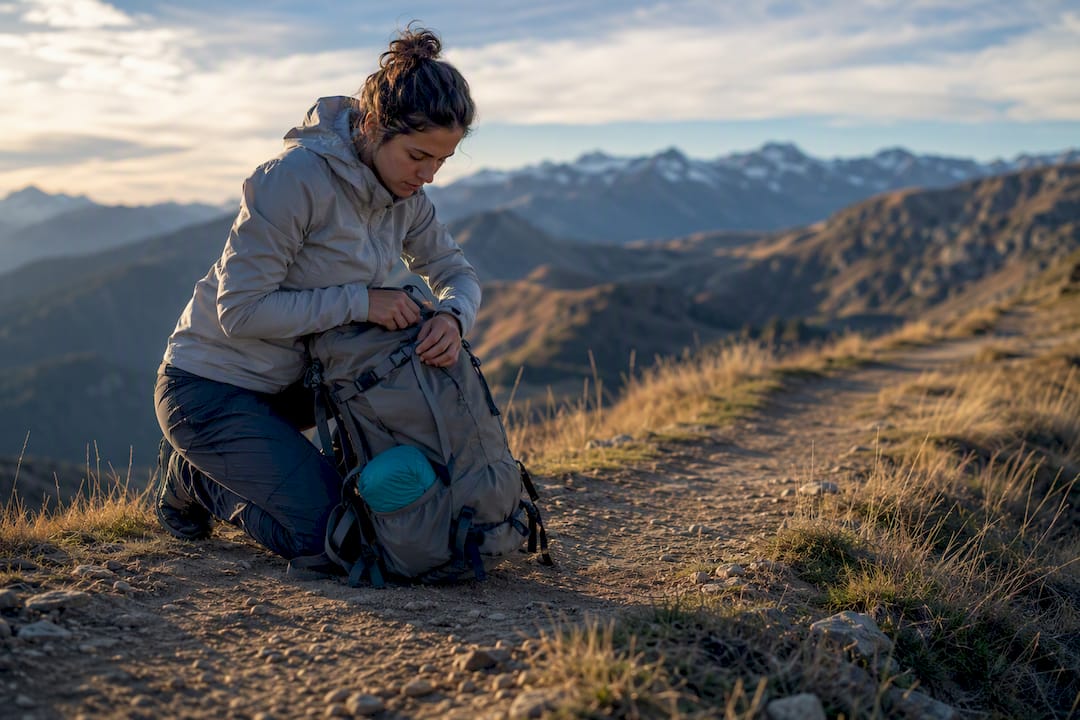
For urban exploration and travel: The lightest and most packable options shine here. A seat that fits in a jacket pocket or clips to a backpack lets you rest wherever you want, from crowded train platforms to outdoor sculpture gardens. Durability against daily use and varied surfaces is key, since city environments are harder on materials than you might expect.
Quick match guide:
Matching your seat to your adventure style saves you money, frustration, and the embarrassment of showing up with the wrong tool for the job. Explore the full range of best chair types to find which category fits your lifestyle best.
Bringing all these threads together, let’s share what most guides miss and what expert travelers really know.
Most gear reviews focus relentlessly on two metrics: weight and packed size. Those matter, obviously. But I’d argue they’re the least interesting part of the story, and focusing on them too narrowly has sent a lot of enthusiastic buyers home with gear they eventually donate or leave in the garage.
Here’s the truth from real outdoor use: stability and accessibility matter more than Instagram aesthetics. A chair that looks sleek in a product photo but wobbles on actual ground is not a versatile tool. It’s a liability. The prettiest ultralight chair in the world loses its appeal fast when you’re white-knuckling the armrest just to stand up after dinner.
There’s also a tendency in reviews to write for a very specific user, usually a solo male backpacker in his 30s, in peak physical condition, on a well-maintained trail. That profile misses the enormous variety of people who use multipurpose travel seating: older adventurers, people with joint issues, families with young children, international travelers navigating city streets. The “best” chair for one person can be genuinely uncomfortable or even inaccessible for another.
My honest take: prioritize outdoor seating comfort advice that accounts for your specific physical needs and trip context before you get dazzled by weight specs. A seat that’s 0.3 lbs lighter but impossible to get out of gracefully is not a win.
The other thing guides rarely discuss is longevity under varied conditions. A chair that survives three camping trips beautifully might develop joint fatigue after a festival season of folding and unfolding on hard surfaces. Think about how many times per year you’ll actually use it, and in what conditions, before deciding how much to invest.
If this breakdown has your wheels turning about which seat actually fits your adventures, you’re in exactly the right headspace to explore what’s out there. Good multipurpose seating doesn’t require compromise on the things that matter most to you.
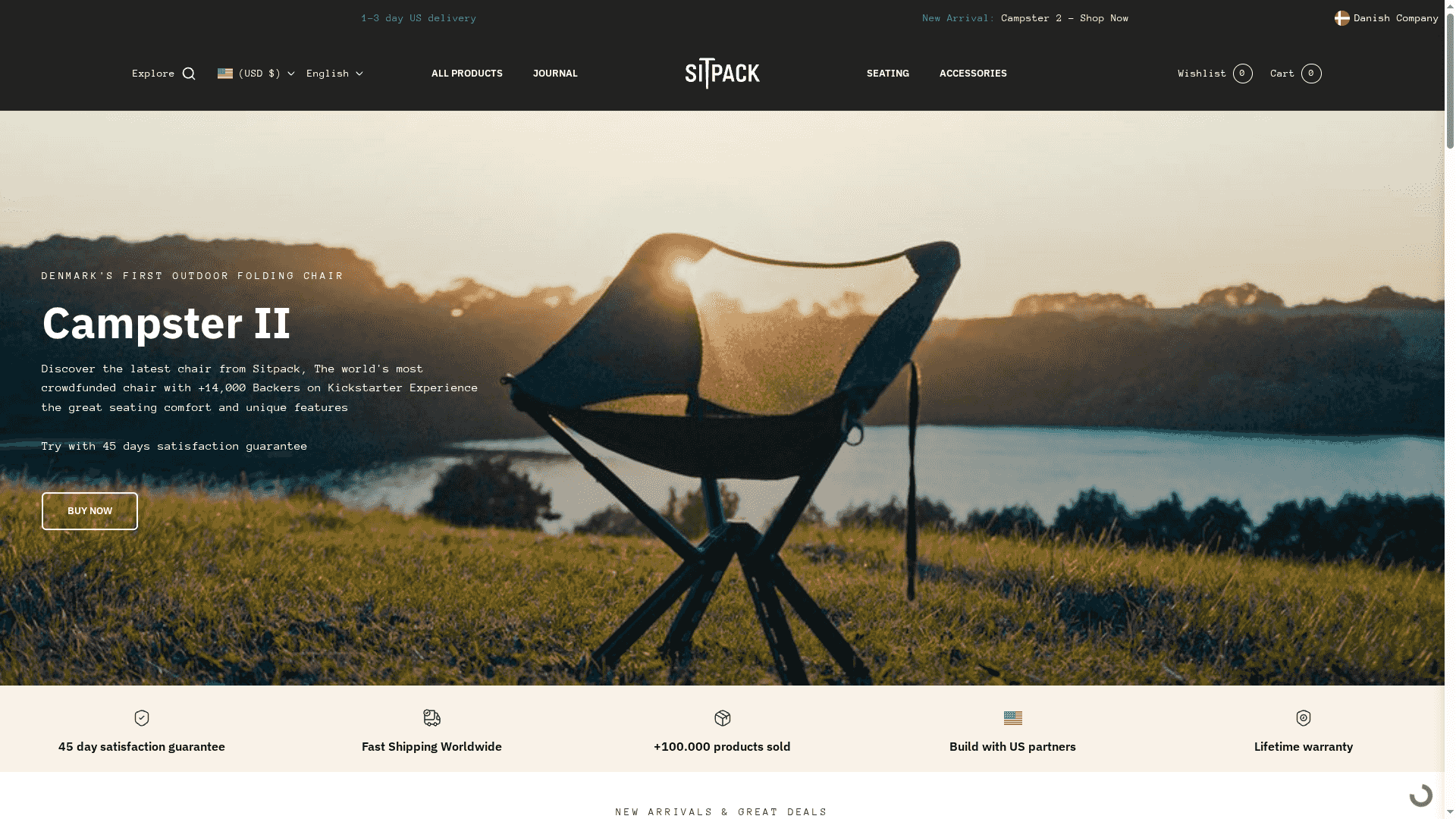
At Sitpack, we’ve built our lineup around the real-world needs of campers, festival goers, urban explorers, and everyone in between. From the ultra-portable Sitpack Zen to the more robust Campster II, every product is designed with portability, durability, and genuine comfort in mind. We back everything with a 45-day satisfaction guarantee and fast worldwide shipping, because good adventures shouldn’t wait. Browse the collection, find your fit, and stop settling for the wrong seat.
Multipurpose travel seats combine portability, comfort, and adaptability for diverse environments, such as camping, festivals, and urban exploration, rather than optimizing for just one scenario.
Check real-world reviews that specifically test stability on uneven terrain, and verify the chair’s rated weight capacity against actual use conditions. Field tests have shown that even chairs with good portability ratings can wobble or deform under practical conditions.
Ultralight chairs often prioritize packability over comfort and tend to sit low to the ground, which can make getting up and down difficult, especially after long outdoor days. As CleverHiker notes, low ground-sitting designs may not suit users who have trouble with mobility.
Stability, weight capacity, weather resistance, and ease of transport and setup are the main factors, as outlined in expert field testing across multiple trip environments.
Absolutely. Compact, lightweight designs like tripod stools and pocket seats handle both festival crowds and city environments extremely well, delivering the right balance of convenience and comfort for shorter, high-movement use scenarios.