Cart
0
Sign up and get 10$ off your order
Expected delivery
1-3 days
You may also like


Danish Company

TL;DR:
- Essential outdoor gear centers on the Ten Essentials, which keep you safe, comfortable, and oriented during trips. Priority items include first-aid kits, headlamps, sunscreen, navigation tools, multi-tools, emergency shelters, and water purifiers. Choosing durable, multi-functional gear with redundancy and testing it before trips ensures safety and a better outdoor experience.
Must-have outdoor accessories are the tools and gear that solve real problems outdoors, from staying found in the dark to keeping your back happy after six hours on a trail. The classic framework for packing comes from the Ten Essentials, a list developed by outdoor educators that covers navigation, sun protection, first aid, illumination, and more. Each item in that system typically costs between $15 and $100, depending on quality. That range means you can build a solid kit without spending a fortune. Whether you’re car camping with the family or grinding out miles on a backcountry trail, the right essential outdoor gear separates a great trip from a miserable one.
The Ten Essentials form the backbone of any camping essentials list worth trusting. These are not optional extras. They are the items that keep you safe, comfortable, and oriented when things go sideways.
The core list breaks down like this:
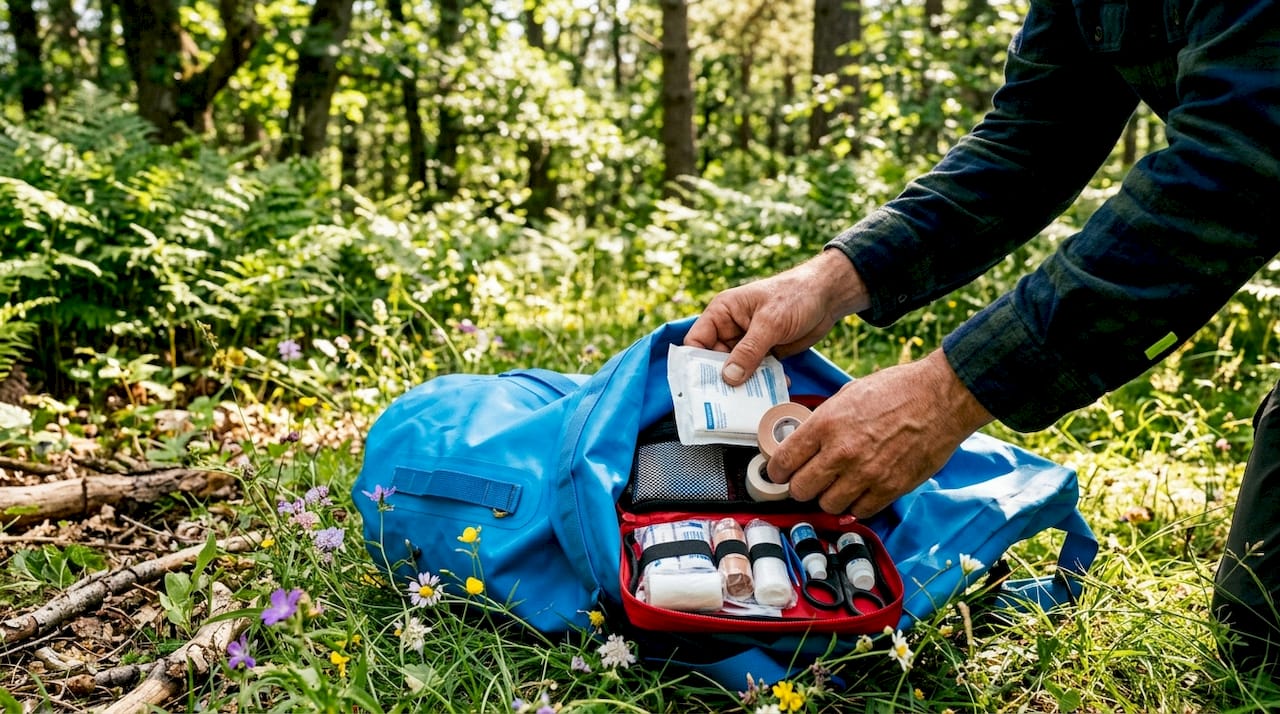
Pro Tip: Pack your first-aid kit in a bright-colored dry bag so you can find it fast when it actually matters.
Quality matters more than price on safety items. A $15 compass beats a dead smartphone every time.
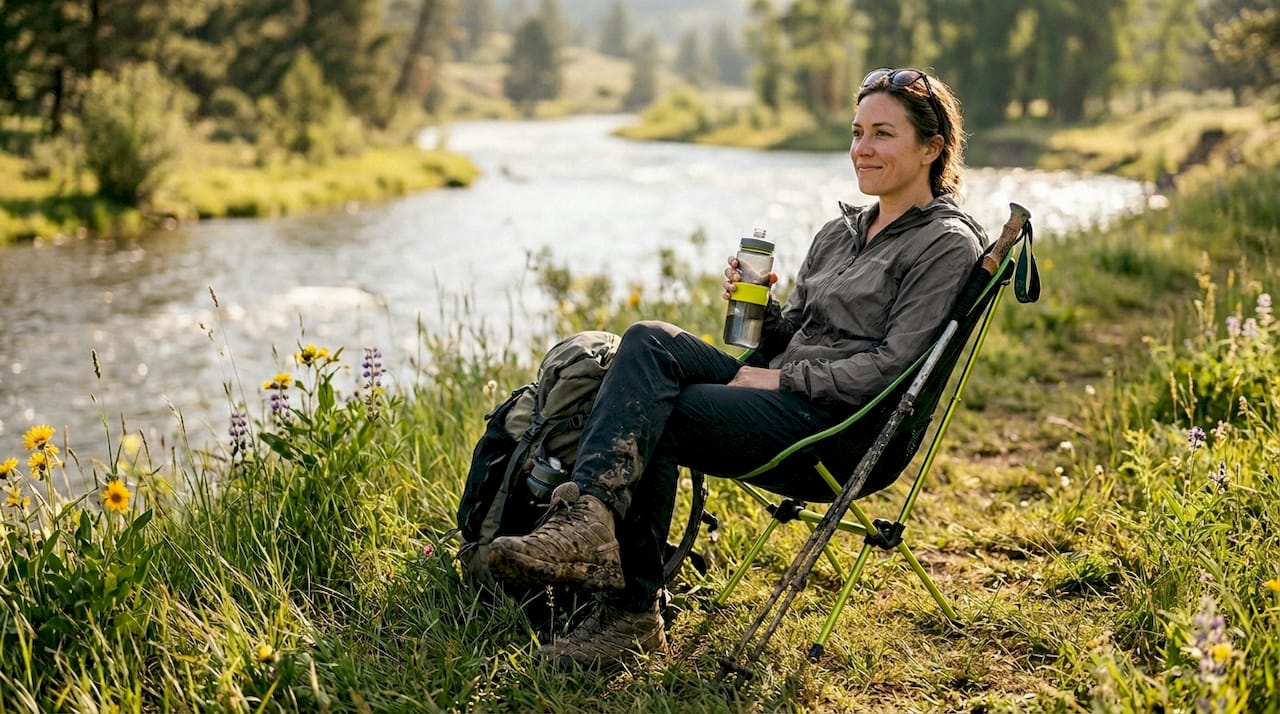
Seating is the most underrated item on any camping essentials list. You can have the best tent and the best stove, but if you’re perching on a log for three days, your back will remind you of that choice for a week. Portable camp chairs in the $100–$210 range deliver genuine ergonomic support, not just a place to park yourself.
The right seating choice depends on your activity style. Here’s how the main types break down:
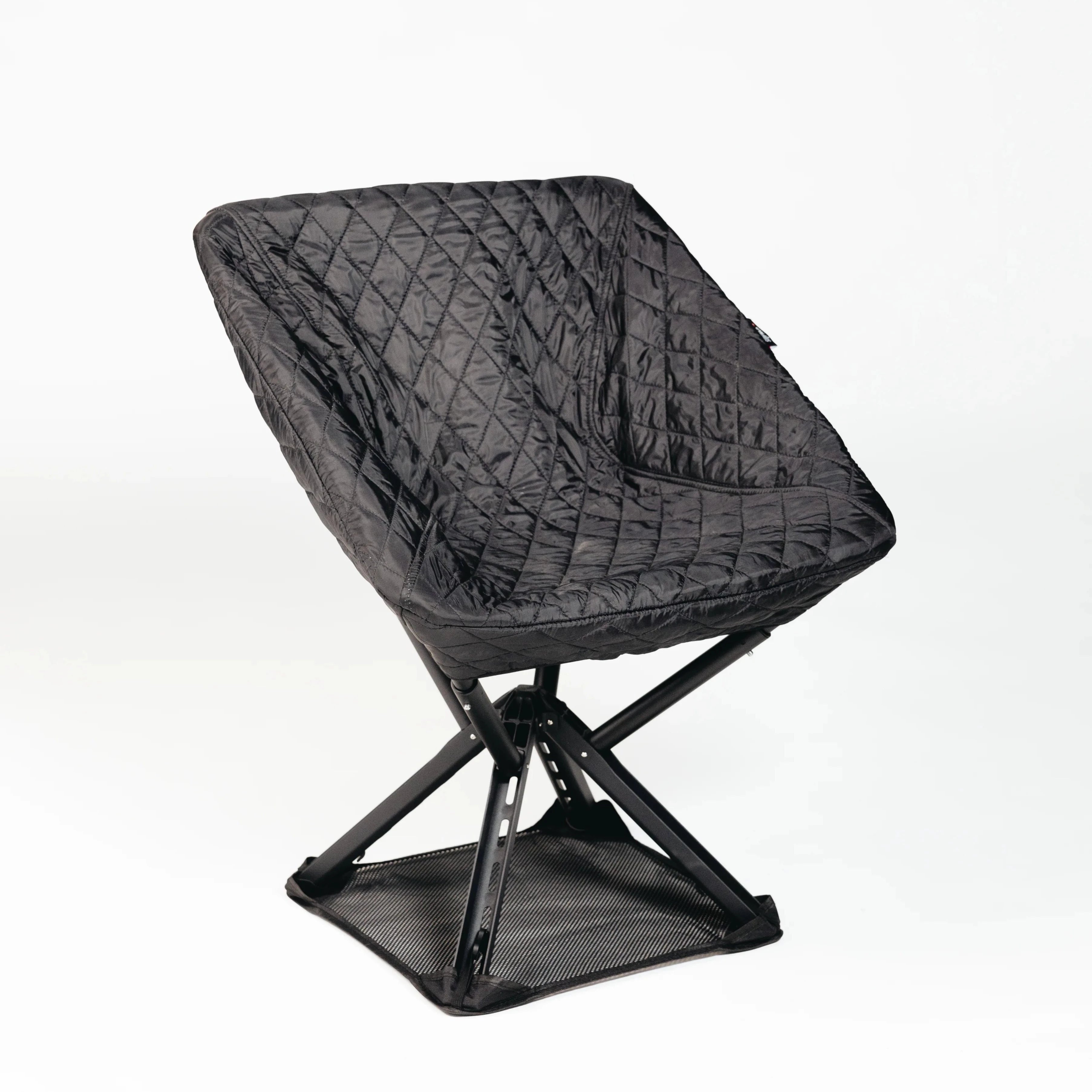
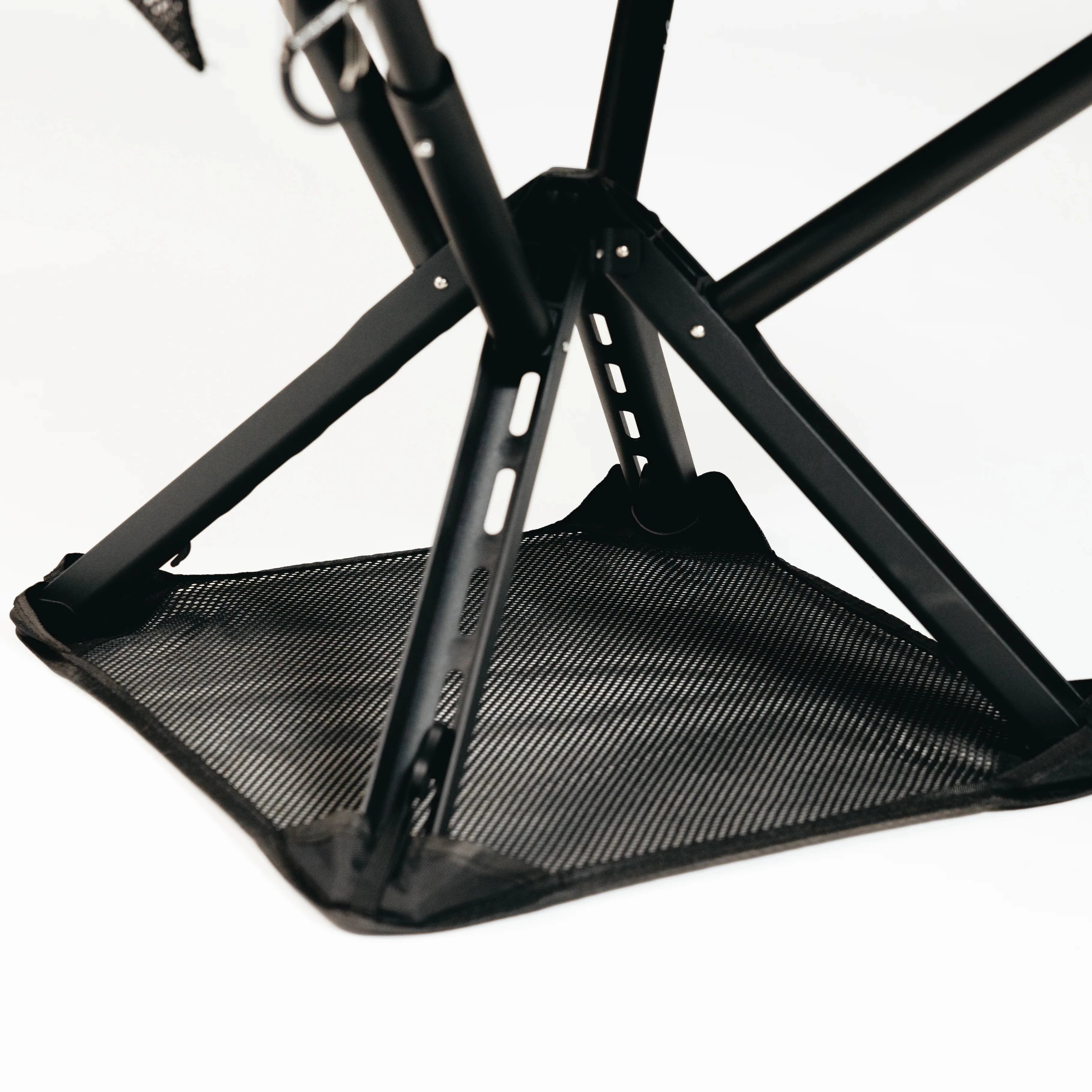
Ergonomic support matters more on longer trips. A chair that keeps your hips level and your spine neutral prevents the kind of fatigue that cuts a trip short. Sitpack’s Campster II and Sitpack Zen are built around exactly this principle: lightweight materials, a minimal footprint, and enough support to make a three-hour fireside session genuinely comfortable. Understanding why seating comfort matters is the first step toward choosing gear you’ll actually use.
Lighting is one area where redundancy pays off. Experienced hikers carry two light sources so that a dead headlamp doesn’t turn a night hike into a genuine emergency. That second source can be as simple as a small keychain flashlight or a backup lantern.
Quality lanterns and headlamps range from $50 to $100+. That price reflects real differences in brightness, battery life, and weather resistance. A cheap headlamp that dies in the rain is worse than no headlamp at all.
Key features to prioritize when choosing outdoor lighting:
Multi-functional lanterns with built-in Bluetooth speakers or 360-degree area lighting turn a basic campsite into a genuinely comfortable social space. They do double duty without adding much weight.
Pro Tip: Test and replace batteries at home before every trip. Beginners skip this step constantly, and it’s the most common reason headlamps fail on the first night out.
Food quality on a camping trip tracks almost directly with your kitchen gear. A warm, well-cooked meal after a long day on the trail does more for morale than almost anything else in your pack. The right outdoor kitchen accessories make that possible without turning meal prep into a chore.
Premium portable coolers priced between $225 and $425 keep food safe for multiple days, which matters most on trips longer than a weekend. Cheaper coolers lose their chill within 24 hours. The price difference is real, but so is the food safety benefit.
| Accessory | Best for | Price range |
|---|---|---|
| Premium hard cooler | Multi-day trips, car camping | $225–$425 |
| Soft-sided cooler | Day hikes, short trips | $40–$120 |
| Lightweight cookware set | Backpacking, ultralight travel | $30–$90 |
| Weather-proof utensil set | All trip types | $15–$40 |
Compact cooking utensils and lightweight cookware round out the kitchen kit. Titanium and hard-anodized aluminum sets pack small and handle high heat without warping. For shorter trips, a single pot, a spork, and a compact stove cover most cooking needs without adding bulk.
Simple gadgets that solve daily outdoor challenges deliver more value than complex tech. A portable power bank that keeps your phone charged matters more on most trips than any specialized device. The same logic applies across your whole kit.
Here are the small items that consistently make the biggest difference:
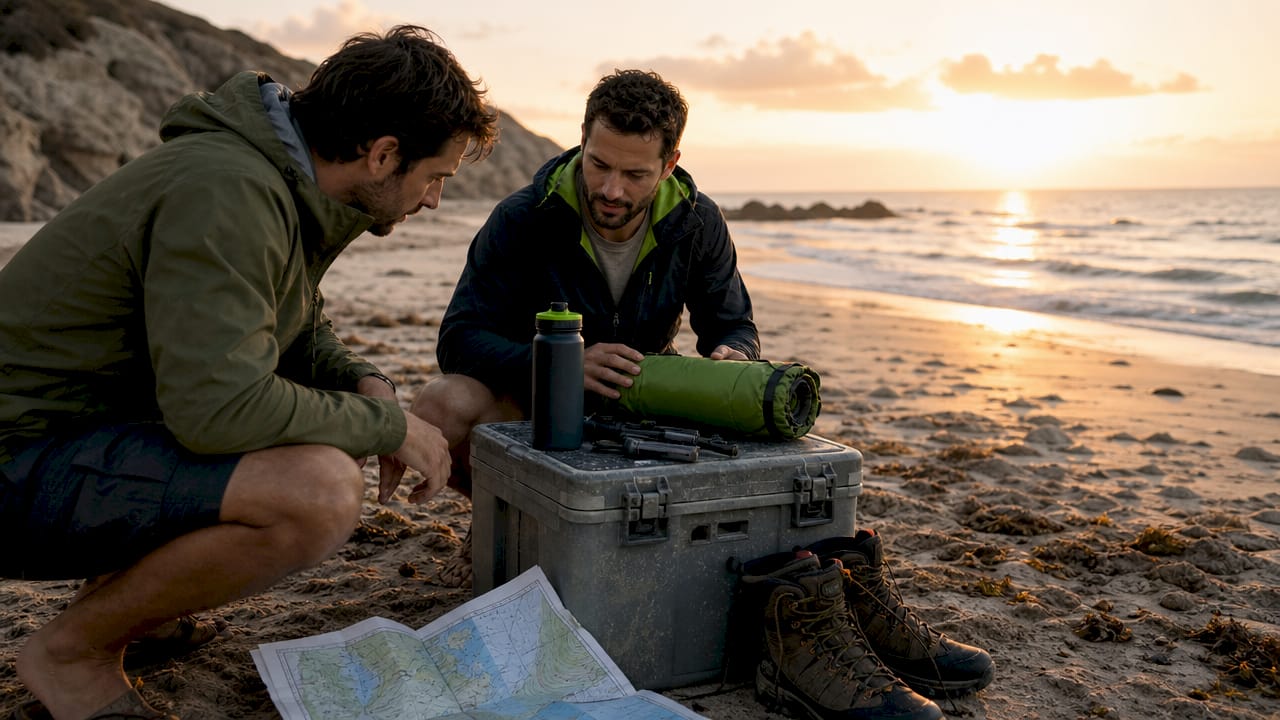
For navigation, download offline maps before you leave cell range and carry a paper backup. Smartphone apps fail when signal drops or batteries die. A physical map never needs charging.
Pro Tip: Check out this list of creative outdoor gadgets for 2026 if you want practical picks that solve real problems without overcomplicating your pack.
The best outdoor activity equipment shares one trait: it solves a specific problem reliably, every time. Redundancy in lighting, navigation, and power is not paranoia. It’s the difference between a story you tell around the fire and one you’d rather forget.
The most effective outdoor kit prioritizes durable, multi-functional basics with built-in redundancy over flashy gear that looks good but fails when conditions get real.
| Point | Details |
|---|---|
| Start with the Ten Essentials | Build your kit around navigation, first aid, lighting, sun protection, and shelter first. |
| Invest in seating comfort | A quality portable chair in the $100–$210 range prevents fatigue on longer trips. |
| Always carry two light sources | Redundant lighting prevents a dead headlamp from becoming a safety emergency. |
| Choose simple, problem-solving gadgets | Power banks, water filters, and stuff sacks outperform complex tech in the field. |
| Test gear before you leave home | Check batteries, filters, and all devices at home so failures happen in your living room, not on the trail. |
Here’s an uncomfortable truth: most outdoor enthusiasts, myself included, spend too much time chasing the newest gadget and not enough time mastering the basics. I’ve watched people show up to a campsite with a solar-powered Bluetooth speaker and a drone, and then borrow someone else’s headlamp because they forgot theirs.
The gear that has never let me down is boring. A good headlamp. A well-stocked first-aid kit. A water filter. And, honestly, a chair I actually want to sit in. That last one took me longer to figure out than I’d like to admit. I spent years plonking my posterior down on whatever cheapo folding chair was on sale, wondering why my lower back staged a protest by day two. Switching to a properly designed portable chair changed my camping experience more than any gadget ever did.
My other hard-won lesson: redundancy is not overkill. Carry two light sources. Download your maps offline AND bring a paper backup. Offline maps and physical backups aren’t old-fashioned. They’re what keeps you oriented when your phone dies at mile eight. The adventurers who have the best trips are not the ones with the most gear. They’re the ones who know exactly what each piece of gear does and why it’s there.
Tailor your kit to your actual adventure style. A weekend car camper and a five-day backpacker have genuinely different needs. But both of them need light, water, first aid, and somewhere comfortable to sit.
— Jonas
Comfortable seating is one of those things you don’t think about until you desperately need it. After a long day on the trail or a full afternoon at a festival, having a chair that actually supports you makes the whole experience better.
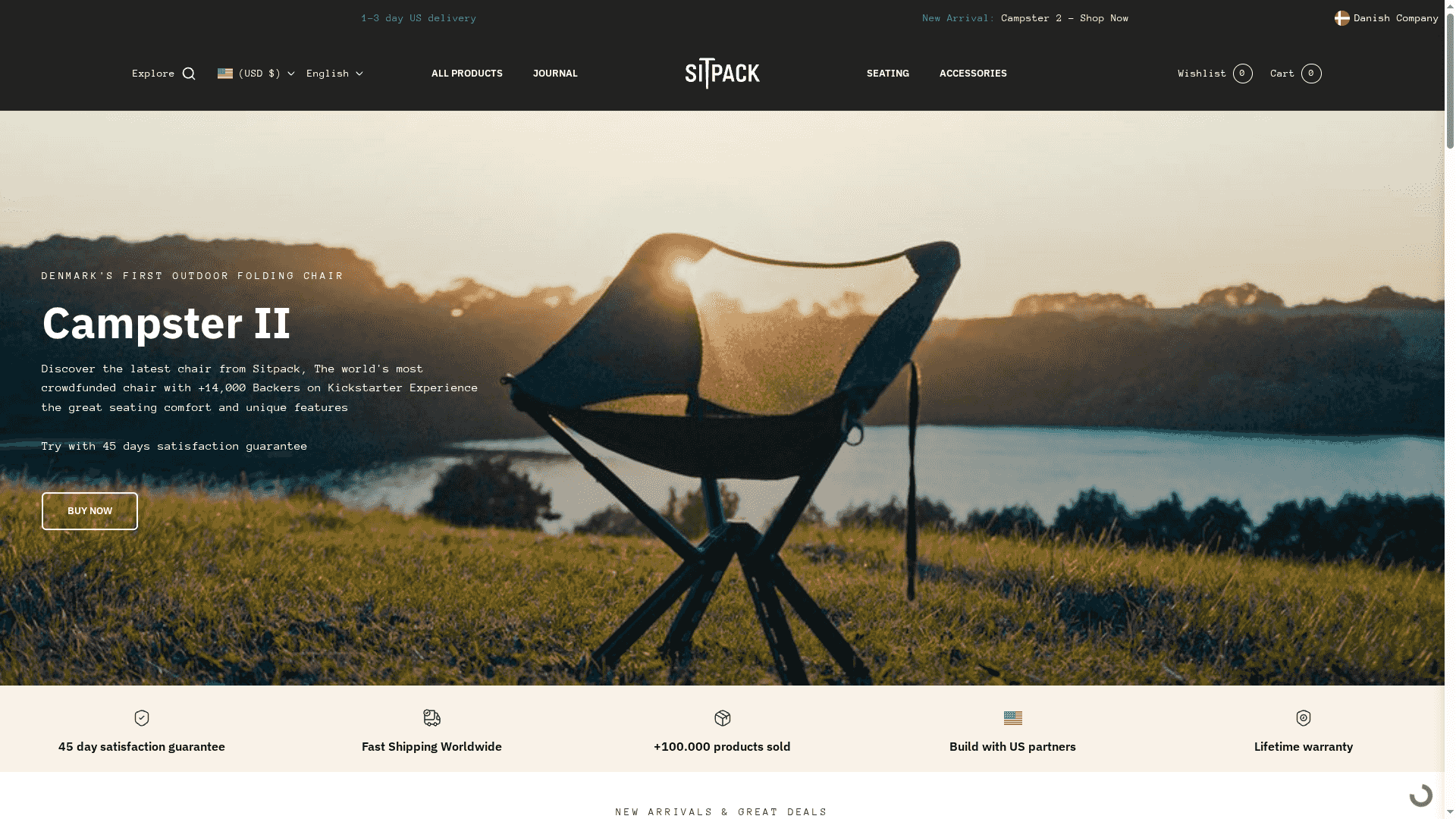
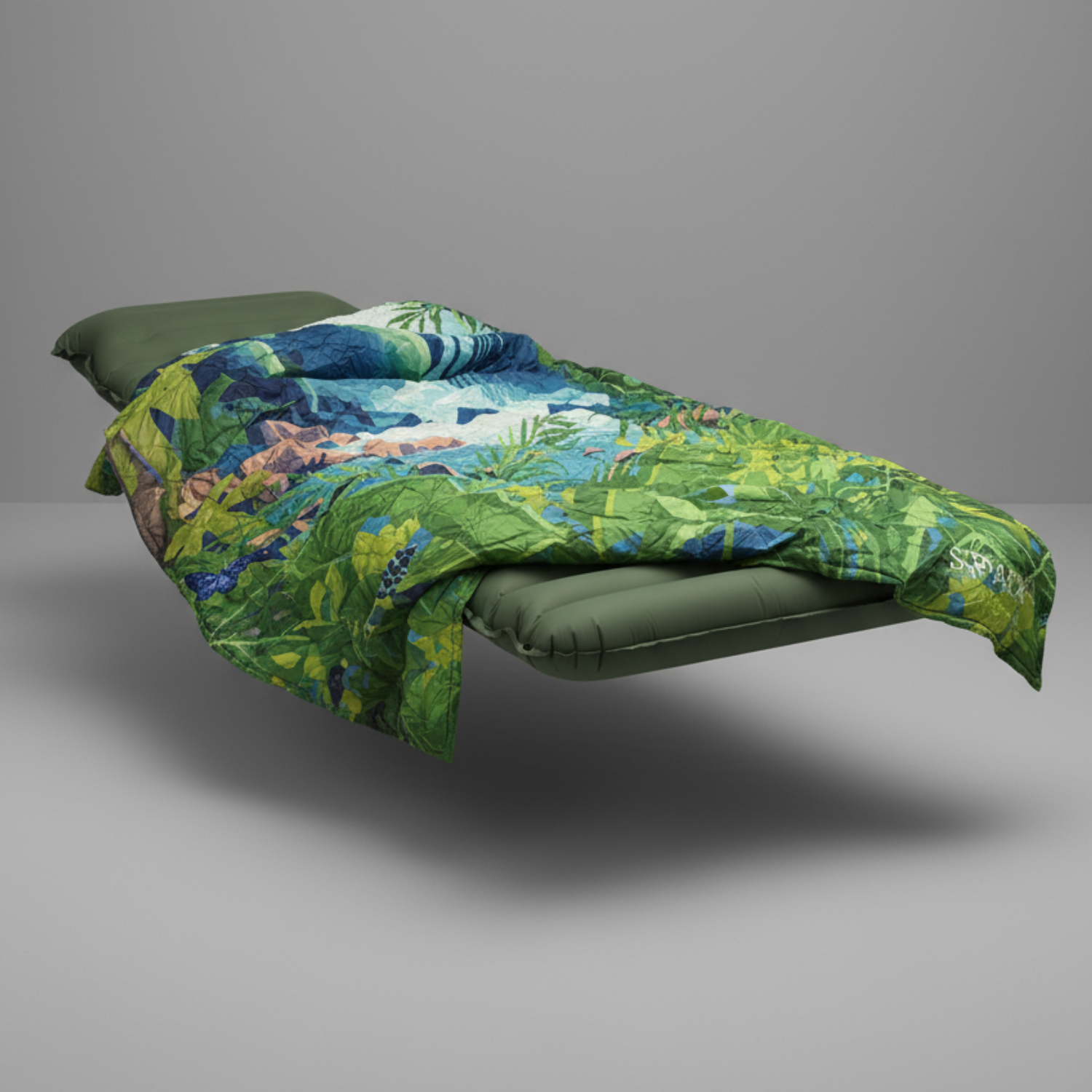
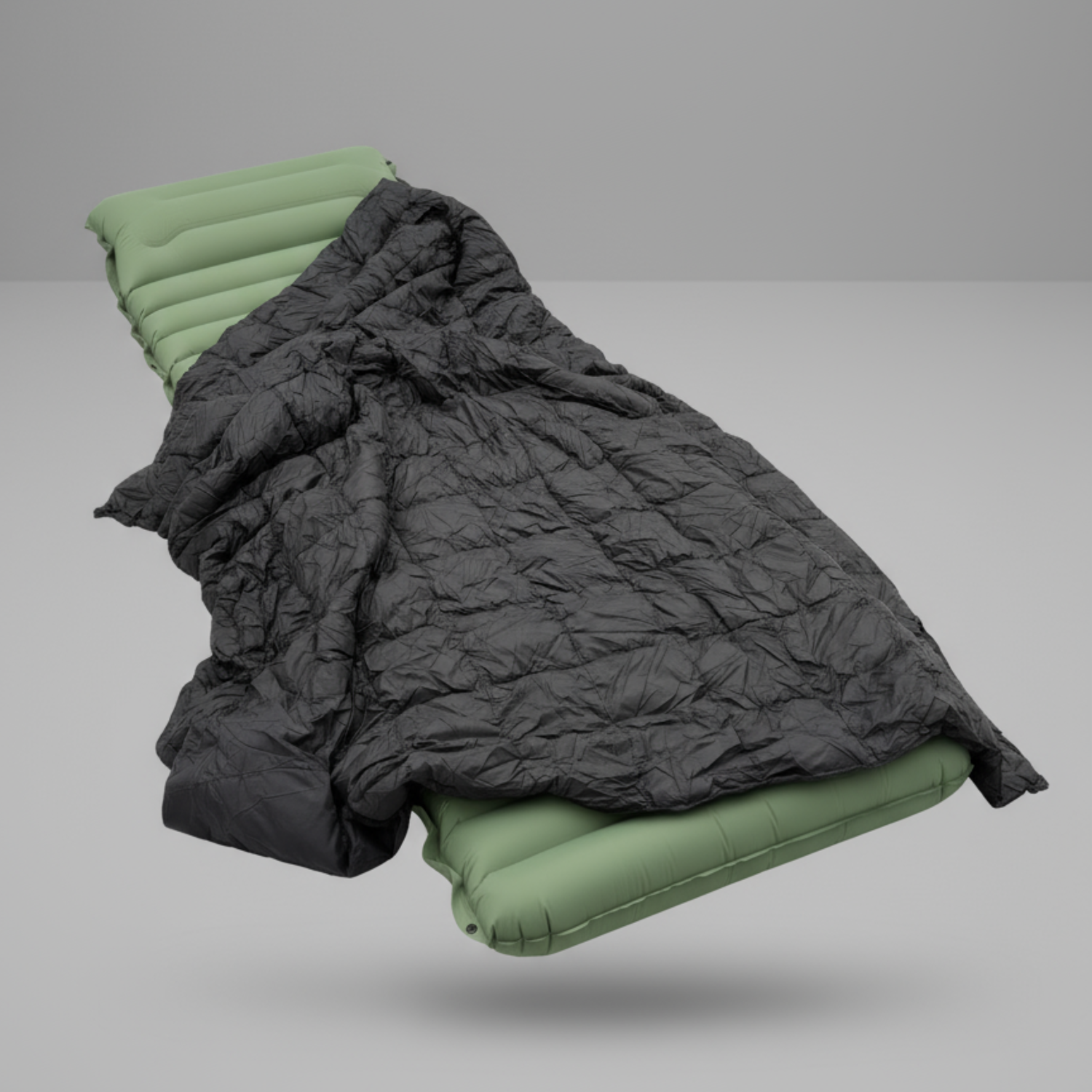
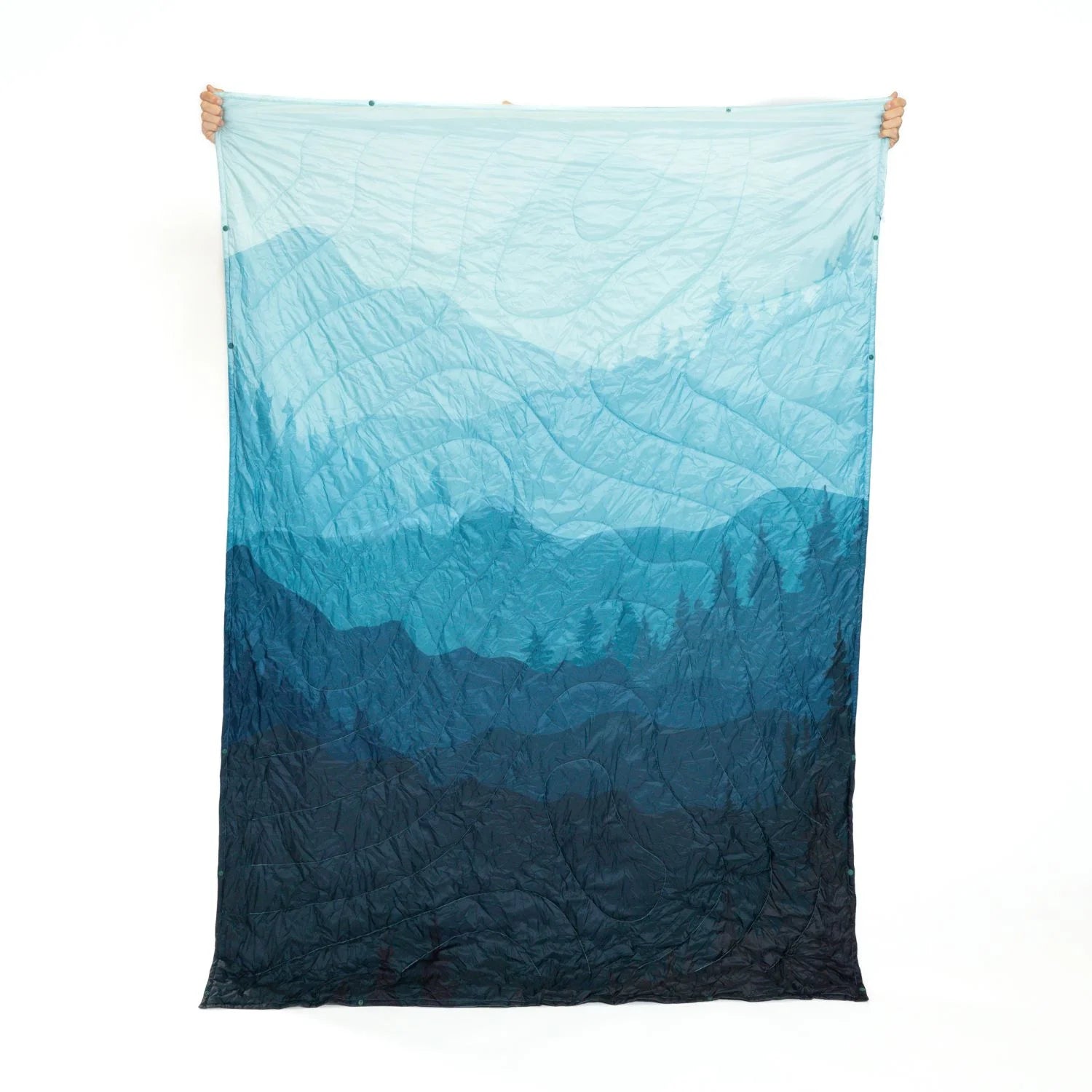
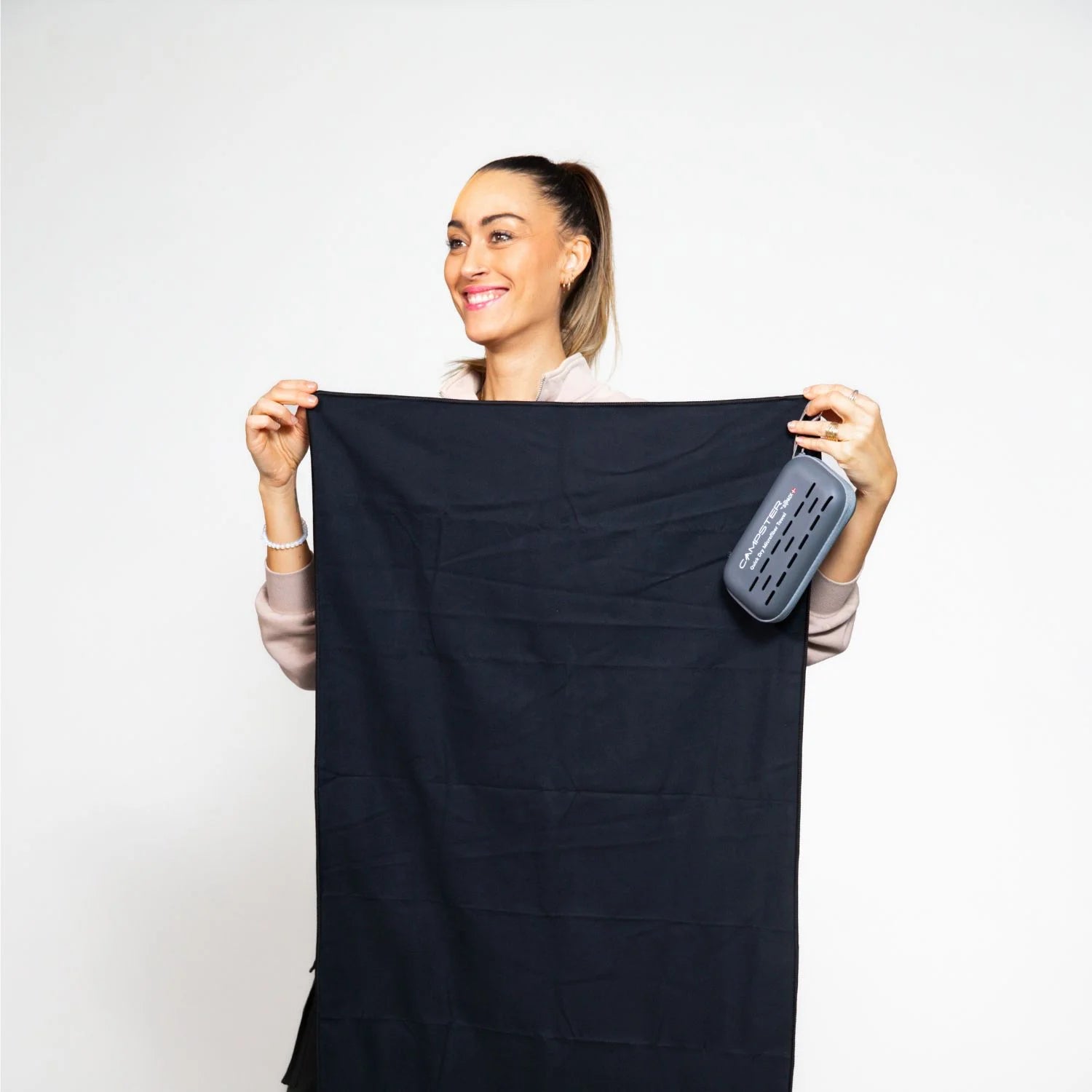
Sitpack designs portable seating with exactly that in mind. The Campster II and Sitpack Zen are built for adventurers who want real comfort without hauling a full-size chair across a field or up a mountain. Both chairs are lightweight, packable, and backed by a lifetime warranty. Sitpack also carries accessories like seat warmers, thermal blankets, and travel towels that round out your outdoor kit. Browse the full outdoor seating collection and find the setup that fits your next adventure.
The Ten Essentials cover the critical bases: a first-aid kit, headlamp with spare batteries, SPF 50+ sunscreen, navigation tools, and a multi-tool. Each item addresses a specific risk or comfort need that comes up on nearly every outdoor trip.
Quality portable camp chairs fall in the $100–$210 range and offer genuine ergonomic support for extended use. Cheaper options tend to fail at the joints or offer no back support, which becomes a real problem on trips longer than a day.
Experienced hikers carry two light sources because a single failed headlamp in the dark creates a genuine safety risk. A backup can be as simple as a small keychain flashlight or a compact lantern.
Download offline maps before leaving cell range and carry a physical paper map as a backup. Smartphone apps fail when signal drops or batteries die, and a paper map works in any condition.
Premium coolers in the $225–$425 range keep food safe for multiple days, which matters on any trip longer than a weekend. Budget coolers typically lose their chill within 24 hours, creating real food safety concerns on longer trips.