カート
0
サインアップすると注文から 10 ドル割引になります
配達予定
1〜3日
こちらもおススメ


デンマークの会社

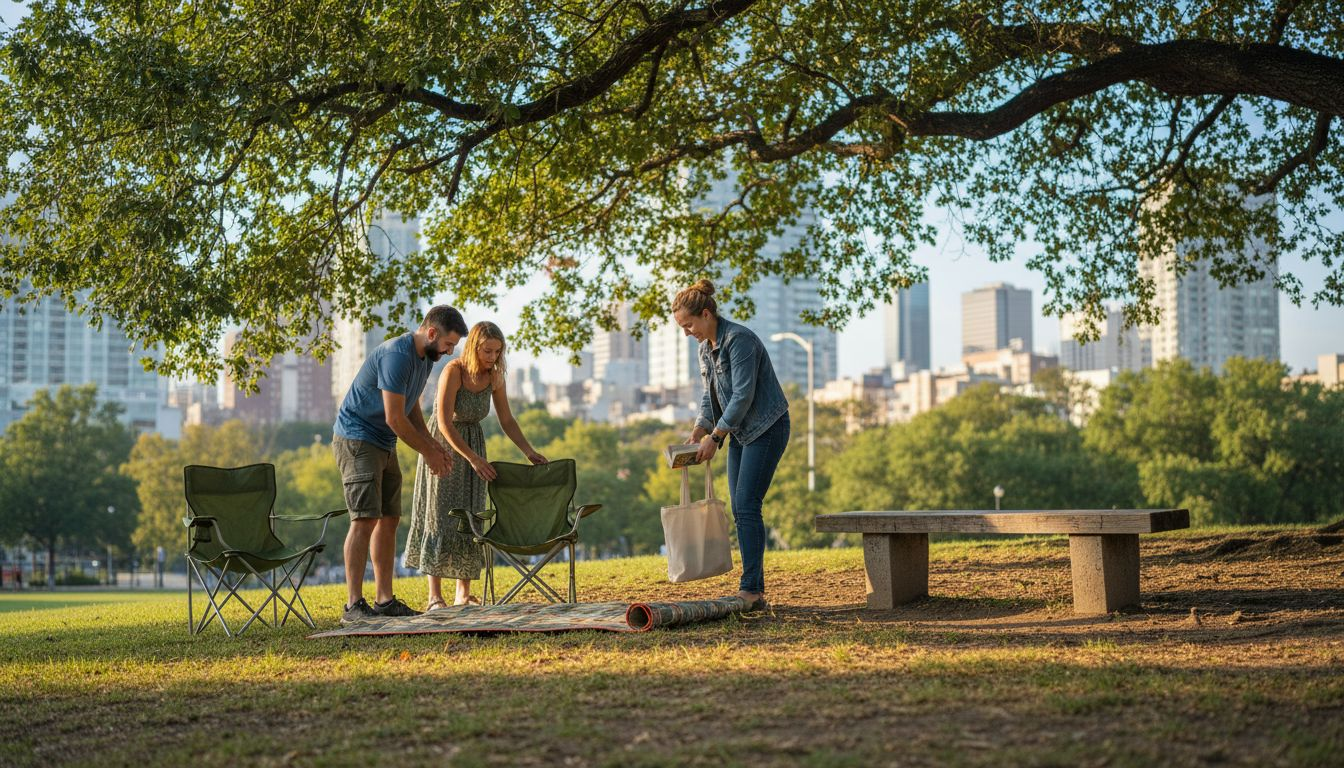
Finding the perfect seating for urban parks is never as simple as grabbing any chair and heading outside. Heavy or awkward furniture makes public outings more stressful than relaxing. Choosing the right outdoor seating can change your whole experience, offering greater comfort and less hassle every time you visit your favorite green space.
With so many options available, it’s easy to get lost between style, practicality, and sustainability. The good news is that smart furniture design—using eco-friendly materials and clever engineering—means you no longer have to settle for one benefit at the expense of another.
Get ready to discover practical strategies and features that will help you select outdoor seating for urban parks that fits your lifestyle, supports the environment, and keeps you comfortable in any season. These key insights are designed to make your next park visit smoother, smarter, and more enjoyable.
| Takeaway | Explanation |
|---|---|
| 1. Choose Lightweight Chairs | Select chairs under 2 kilograms for easy transport and accessibility in urban settings. |
| 2. Opt for Eco-Friendly Materials | Ensure your chair utilizes sustainable materials, supporting the environment while enhancing durability and comfort. |
| 3. Embrace Minimalistic Designs | Choose chairs with simple designs for better integration with urban spaces and improved user satisfaction. |
| 4. Look for Durable Construction | Select chairs made with high-quality materials and reinforced joints to withstand weather and frequent use over time. |
| 5. Consider Foldable Models | Opt for foldable chairs to maximize storage space and convenience in urban living situations. |
When you’re heading to an urban park for an afternoon outing, the last thing you want is hauling around a heavy chair that leaves your arms exhausted before you’ve even found your spot. Lightweight portable chairs transform your park experience by making transportation effortless and enjoyable.
Weight matters more than you might think. A chair that weighs under 2 kilograms can be carried like a small backpack or tucked under one arm while you navigate crowded pathways. Heavy seating forces compromises, like choosing closer parking spots or abandoning your outdoor plans altogether.
Reducing weight through smart design and bio-based materials doesn’t mean sacrificing comfort or durability—it’s about working smarter, not harder.
Research into parametric plant pattern designs shows that outdoor furniture can achieve impressive strength while using significantly less material. This approach keeps your chair light without cutting corners on performance.
Here’s what makes lightweight chairs practical for urban dwellers:
The modern materials used in quality lightweight chairs—think durable synthetic fabrics paired with aluminum or carbon fiber frames—provide the support you need without the bulk. These aren’t flimsy chairs that collapse after a season; they’re engineered for longevity.
When comparing options, check the weight specification carefully. Anything between 1.2 and 2.5 kilograms offers the sweet spot between portability and stability. Heavier chairs, even if comfortable, defeat the purpose of outdoor flexibility.
Pro tip: Weigh your chair before buying by checking the manufacturer’s specifications—don’t rely on how it feels in a showroom, as the actual carrying experience over distance reveals whether a chair truly fits your lifestyle.
Choosing outdoor seating made from eco-friendly materials is about more than just feeling good about your purchase—it’s an investment in both your comfort and the planet’s future. When you select sustainable seating, you’re supporting responsible manufacturing practices that reduce environmental impact.
Eco-friendly materials perform differently than conventional options. They’re designed to last longer, resist weathering better, and often provide superior comfort compared to cheap synthetic alternatives. The best part? They break down naturally at end-of-life rather than lingering in landfills for decades.
Sustainable materials in public seating create measurable improvements in environmental quality while enhancing the overall leisure experience for urban park users.
Research into sustainable design methods shows that eco-friendly material selection addresses three critical factors: environmental protection, user experience, and cultural heritage. This means your chair isn’t just comfortable—it’s actually helping preserve green spaces.
Look for these eco-friendly material options:
When evaluating materials, consider durability alongside sustainability. A poorly made eco-friendly chair that falls apart after one season creates more waste, not less. Quality matters as much as the material source.
European manufacturers increasingly prioritize eco-certifications like FSC (Forest Stewardship Council) or GOTS (Global Organic Textile Standard). These third-party validations prove that materials were sourced responsibly. Check product labels for these trusted badges before purchasing.
The connection between material choice and park ecology is real. Using seating made from low-impact materials means manufacturers emit fewer greenhouse gases, use less water, and generate minimal chemical waste. Your choice multiplies across thousands of urban park visitors making the same decision.
Pro tip: Before buying, ask manufacturers about their material sourcing and certifications—brands transparent about their supply chain typically stand behind product longevity with generous warranties, saving you money long-term.
Minimalistic design isn’t just a trend—it’s a practical approach to outdoor seating that works beautifully in modern cities. When you choose a minimalist chair, you’re selecting something that blends seamlessly into urban parks while delivering everything you actually need.
Simplicity in design serves a real purpose. A chair with clean lines, minimal ornamentation, and functional geometry takes up less visual space in crowded parks and complements contemporary urban landscapes. This restraint doesn’t mean boring—it means intentional and refined.
Minimalistic seating designs enhance user satisfaction by providing visual pleasure while supporting both resting and social interaction in urban green spaces.
Research on minimalistic park seating aesthetics reveals that simplicity in shape and color significantly improves how people perceive and use outdoor spaces. Users find minimalist designs more inviting and feel more comfortable lingering in these environments.
Here’s what makes minimalistic designs practical for urban dwellers:
Minimalism also addresses post-pandemic urban needs by creating spaces that feel open and uncluttered. When your seating choice doesn’t compete for attention, parks feel more spacious and welcoming to everyone.
The color palette matters too. Neutral tones like white, gray, black, or natural wood finishes are hallmarks of minimalist design. These colors reflect rather than absorb heat, keep your chair cooler on sunny days, and maintain their appearance longer without showing dirt as readily as brighter colors.
Don’t confuse minimalism with lack of comfort. Modern minimalist chairs employ sophisticated engineering and ergonomic principles to provide excellent support in a simple package. The design philosophy focuses on removing unnecessary elements while preserving—or enhancing—functionality.
Pro tip: When evaluating minimalist designs, look for chairs with subtle details like refined joinery or premium material finishes that demonstrate thoughtful craftsmanship rather than relying on ornamental embellishments.
Durability is where casual park chairs separate from chairs built to last. When you invest in seating with solid construction, you’re choosing a piece that withstands seasons of weather, heavy use, and the unpredictable wear that comes with urban park life.
Outdoor seating faces relentless stressors that indoor furniture never encounters. Rain, intense sun, temperature swings, salt air in coastal cities, and frequent use all degrade poor construction quickly. A durable chair maintains its integrity through all these challenges without deteriorating.
Durability ensures long-term usability in urban spaces, directly addressing the need for materials and construction methods that withstand weather, frequent use, and the demands of diverse park visitors.
Research on urban park seating design strategies emphasizes that durability combines functionality with materials that ensure extended service life. This means your chair won’t just look good—it will perform reliably year after year.
Key construction elements that signal durability include:
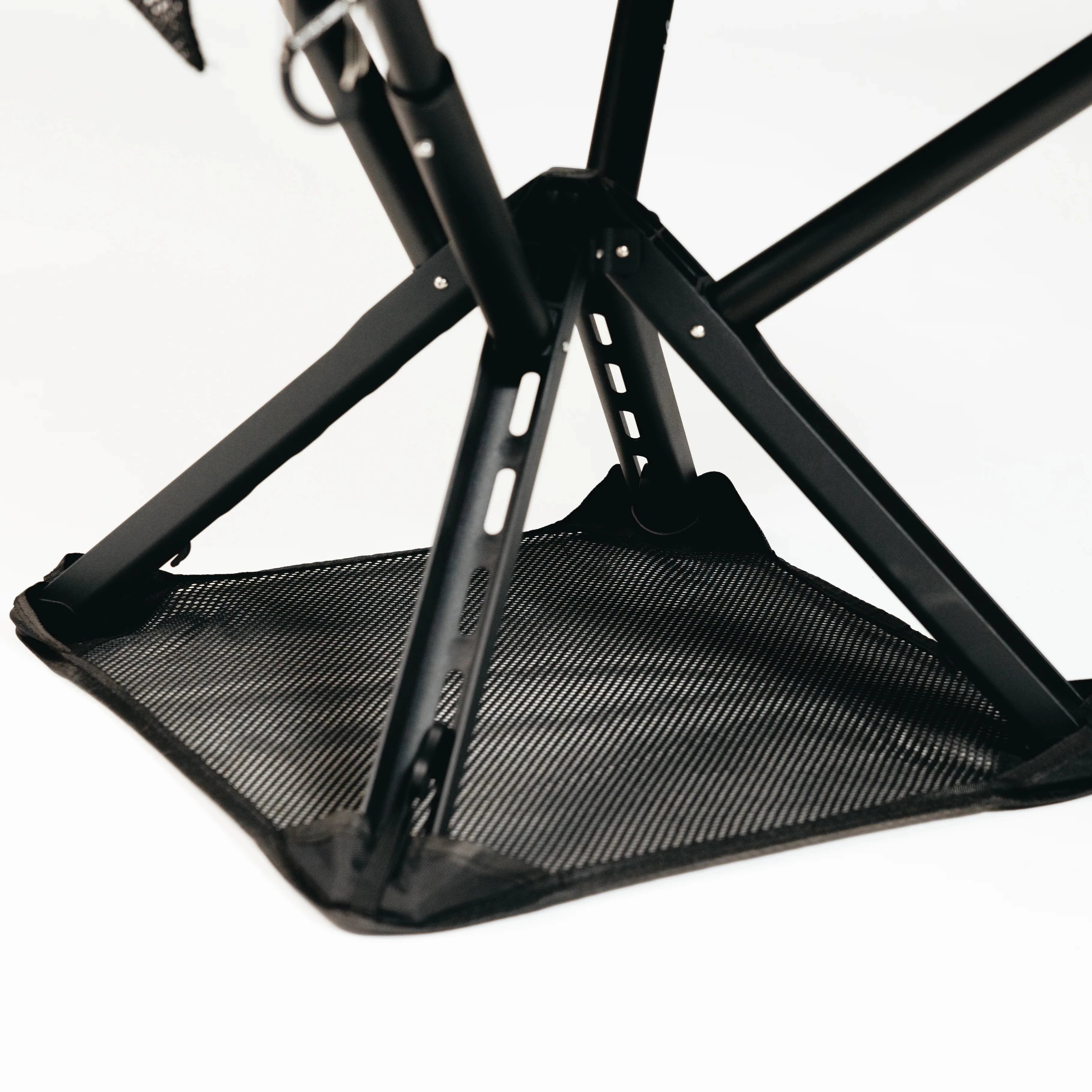
When examining a chair, look for clean welds without gaps, smooth joinery without visible movement, and consistent manufacturing quality. Run your hands along seams and connection points—any roughness or misalignment suggests corner-cutting.
Durable construction directly affects maintenance too. A well-built chair requires minimal upkeep beyond occasional cleaning. Poor construction forces you into constant repairs, replacements, and frustration.
The relationship between durability and sustainability matters for urban dwellers. Buying a chair that lasts ten years creates less waste than replacing a cheaper chair every two years. Your choice influences both your wallet and environmental impact.
Pro tip: Check manufacturer warranty length as a durability indicator—brands confident in construction typically offer five-year or lifetime warranties, showing they stand behind their products.
Foldable seating transforms how urban dwellers use their living spaces and transport gear. When your outdoor chair collapses into a compact bundle, you unlock flexibility that fixed seating can never offer.
Space constraints define city living. Most European apartments lack storage closets, and vehicle trunks fill quickly with essentials. A foldable chair that compresses to backpack size solves both problems instantly.
Foldable seating devices provide practical solutions for mobile lifestyles, featuring ease of transport and compact storage while maintaining ergonomic comfort and durability.
Research on foldable seating design shows that modern designs combine portability with ergonomic support, addressing the needs of urban dwellers who value flexibility. These aren’t compromised chairs—they’re engineering solutions that deliver full functionality in minimal footprint.
Why foldable models matter for park outings:
The mechanics of folding matter tremendously. Quality foldable chairs use intuitive mechanisms—simple hinges or sliding joints that lock securely when deployed. Cheap versions feature flimsy mechanisms that jam or collapse unexpectedly.
When folded, check the footprint size carefully. A chair claiming “compact” might still occupy a 50-centimeter package. Truly space-saving models compress to 30-35 centimeters, fitting easily into closets, car trunks, or under sofas.
Foldability doesn’t sacrifice durability. Premium materials like aluminum frames and reinforced fabric withstand repeated folding cycles across hundreds of uses. The mechanism becomes stronger with use as components settle into their designed positions.
Consider your transport method when evaluating foldable models. If you frequently cycle to parks, ultra-lightweight matters. If you mostly drive, slightly heavier is acceptable as long as the chair stores compactly.
Pro tip: Test the folding mechanism several times in-store or imagine doing it one-handed while holding a backpack—genuine space-saving designs feel intuitive and require minimal effort to collapse and deploy.
The right accessories transform adequate seating into exceptional comfort. Smart add-ons extend your chair’s functionality, adapt it to different conditions, and personalize your outdoor experience in ways the base chair alone cannot achieve.
Accessories address real comfort gaps that basic chairs leave unfilled. Your back needs support after 30 minutes of sitting, the sun beats down relentlessly, or cold metal frames chill your legs. Well-designed accessories solve these problems elegantly.
Smart accessories integrated into seating solutions enhance comfort and usability by meeting diverse user needs, improving overall experience while maintaining portability and minimalist design principles.
Research on ergonomically designed accessories for seating shows that backrests, armrests, and weather-resistant cushions significantly improve usability. These aren’t luxury add-ons—they’re functional upgrades that multiply the value of your chair.
Essential accessories for urban park comfort:
The beauty of accessory-focused design is modularity. You purchase what you need, when you need it. A summer park visit might require only a sun canopy, while autumn outings benefit from an insulated cushion.
Quality matters significantly with accessories. Cheap cushions absorb water and develop mold, while premium cushions use quick-drying materials and antimicrobial treatments. Flimsy backrests collapse under weight, whereas engineered versions provide genuine support.
Accessories also address inclusivity. People with specific mobility needs benefit from armrests, while cushions help those with pressure-sensitive backs. Smart design ensures everyone finds comfort regardless of physical requirements.
Portability remains key even with accessories. Look for options that compress flat or fold compactly, adding minimal weight to your gear. An accessory that weighs more than your chair defeats the purpose.
Pro tip: Start with one high-quality accessory matching your most frequent discomfort—whether that’s back support, cushioning, or sun protection—then expand your collection gradually based on real-world needs rather than buying everything at once.
Below is a comprehensive table summarizing the strategies and considerations discussed throughout the article regarding selecting outdoor chairs for urban parks.
| Aspect | Details | Benefits |
|---|---|---|
| Lightweight Design | Chairs under 2 kilograms using innovative materials. | Easy to transport, reduced fatigue, flexibility in location. |
| Eco-Friendly Materials | Usage of recycled fabrics, natural fibers, and sustainably harvested wood. | Reduces environmental impact, promotes sustainability. |
| Minimalistic Design | Simple, clean designs with neutral colors and ergonomic principles. | Enhances urban style, fits various environments, reduces visual clutter. |
| Durable Construction | Reinforced joints, quality materials resistant to corrosion and wear. | Longevity, minimal repair needs, maintains integrity in harsh conditions. |
| Foldable Functionality | Compact designs that allow easy storage and portability. | Perfect for limited-space living, enhances mobility and spontaneous use. |
| Accessories for Comfort | Cushions, backrests, armrests, weather covers, and carrying straps. | Customizes seating for enhanced user comfort in different conditions. |
Finding the perfect outdoor chair that balances lightweight portability, eco-friendly materials, durable construction, and minimalist style can be a real challenge, especially for urban park outings. You want a seat that is easy to carry, folds compactly for storage, withstands weather and frequent use, and supports your comfort with smart accessories. These key pain points from the article highlight the need for innovative seating options that keep you energized and ready to enjoy every moment outside.
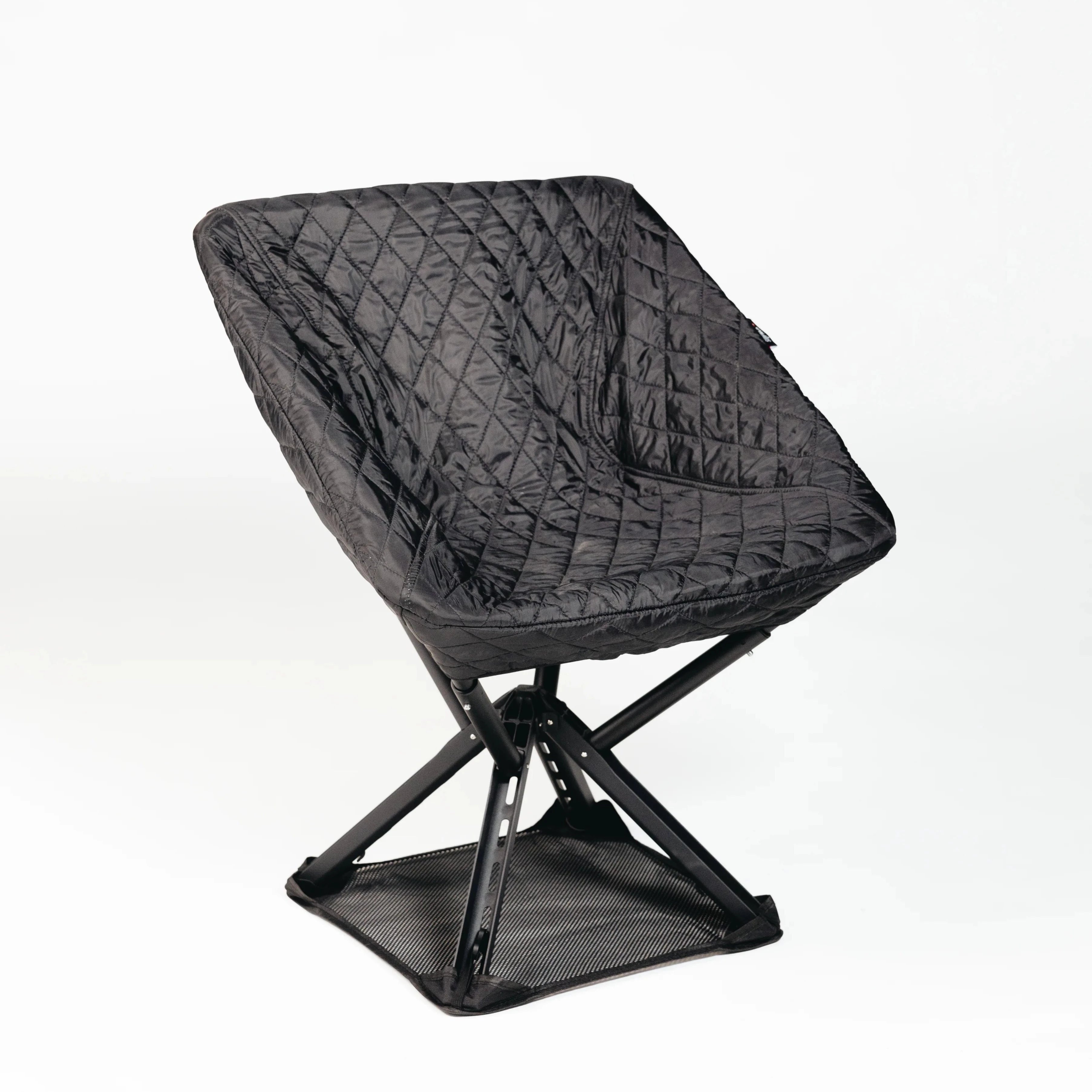
At Sitpack, we understand these needs deeply. Our range of portable and foldable chairs like the Campster II and Sitpack Zen are crafted to meet those exact challenges. They combine ultra-lightweight frames with sustainable materials and refined minimalist designs built for durability. Exploring our collection means you get seating solutions engineered for effortless carrying, quick folding mechanisms for space saving, and add-ons that enhance comfort during extended park visits.
Take action today and transform your urban park experiences by choosing seating solutions that support your flexible lifestyle without compromise. Visit Sitpack now to find your perfect companion for outdoor comfort, backed by international shipping, a 45-day satisfaction guarantee, and lifetime warranties. Dont wait to upgrade your seating comfort and convenience for all your outdoor adventures.
Lightweight portable chairs make it easier to carry your seating, enhancing flexibility and reducing fatigue. Opt for chairs that weigh under 2 kilograms to effortlessly transport them while exploring different park areas.
Choosing eco-friendly materials means selecting outdoor chairs made from recycled fabrics, natural fibers, or sustainably harvested wood. Look for certifications like FSC or GOTS to ensure responsible sourcing.
Minimalist designs integrate well with urban landscapes while providing user satisfaction and comfort. Select chairs with clean lines and neutral colors to create a calm and inviting atmosphere in crowded park settings.
Prioritize outdoor chairs with reinforced joints, corrosion-resistant fasteners, and high-quality frame materials. Inspect the construction details to ensure the chair can withstand various weather conditions and heavy use over time.
Foldable chairs can collapse into a compact size, making them ideal for small living spaces and efficient transportation. Choose models that compress to a size that fits easily in storage areas, like closets or car trunks.
Consider adding cushions, backrests, and weather covers to your outdoor seating for increased comfort and usability. Start with one essential accessory, such as a cushioning pad, to address your primary comfort needs during your outings.