カート
0
サインアップすると注文から 10 ドル割引になります
配達予定
1〜3日
こちらもおススメ


デンマークの会社

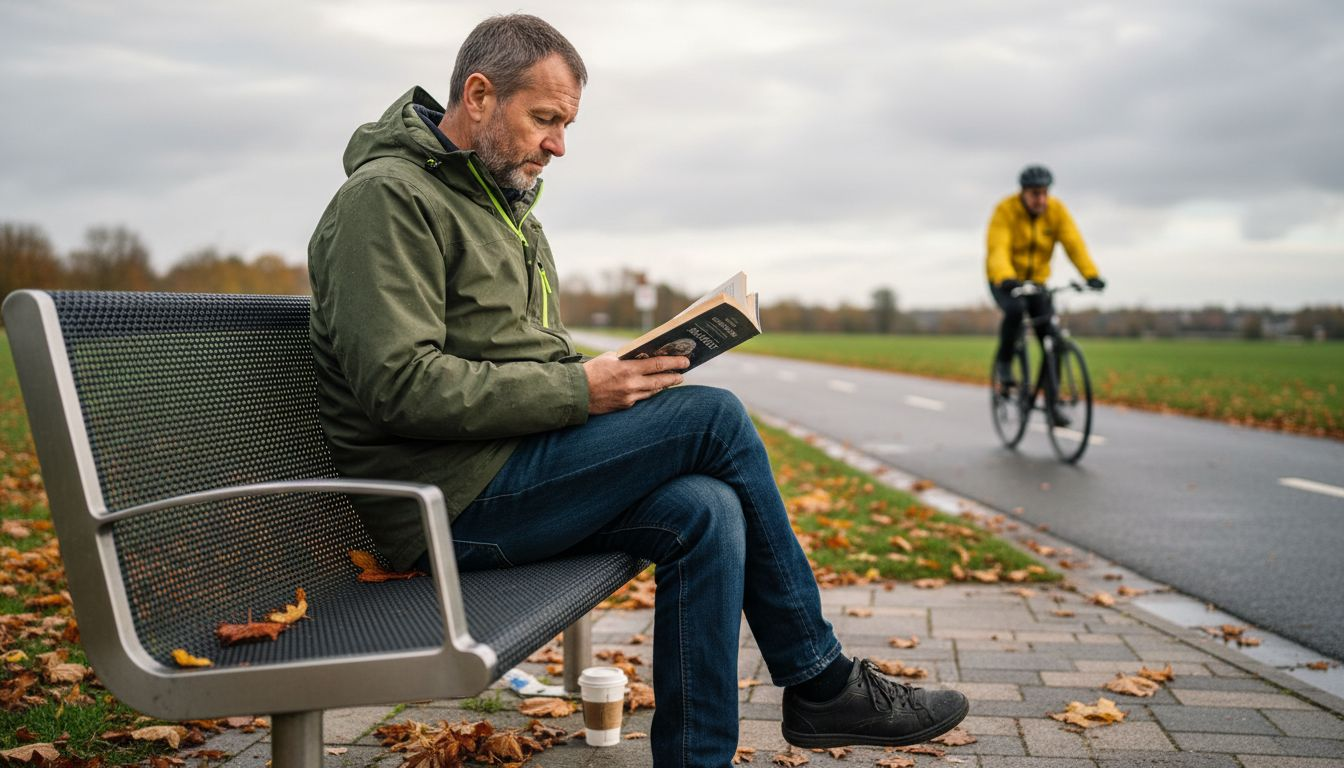
Rain-soaked campsites in Canada, sudden sunbursts in California, or urban downpours in Tokyo all test the limits of your outdoor seating. Yet, many eco-conscious adventurers still believe the myth that an all-weather seat means zero upkeep or endless durability. Understanding the true meaning of all-weather usability matters when your next journey demands both resilience and comfort. This guide helps you separate marketing hype from practical features, so you can choose reliable portable seating that stands up to nature while respecting environmental values.
| Point | Details |
|---|---|
| All-Weather Definition | All-weather seats are designed for varied climates but still require maintenance and care to ensure longevity. |
| Durability Benefits | All-weather seats outlast traditional chairs, with a lifespan of 5-10 years compared to 1-2 years for standard options. |
| Cost-Effectiveness | Although initial costs may be higher, all-weather seats provide better long-term value through reduced replacement frequency. |
| Practical for Users | These seats cater to outdoor enthusiasts and urban commuters by offering durability and weather resistance essential for unpredictable environments. |
An all-weather seat is designed to function effectively across different climatic conditions—rain, snow, intense sun, and wind. The term “all-weather” means something that remains usable and operable in various weather situations, not something that requires zero maintenance or never experiences wear.
This distinction matters because outdoor enthusiasts often confuse “all-weather” with “indestructible.” Your seat won’t magically self-clean or never deteriorate. It simply performs reliably when conditions change.
These seats are engineered to handle moisture without immediately falling apart. Materials resist water absorption, preventing rot, mold, or rust that would render typical chairs unusable after a few rainy months.
Key capabilities include:
These features extend usable life significantly when you’re camping, hiking, or commuting in unpredictable weather.
Myth 1: All-weather means maintenance-free. Reality: You still need occasional cleaning and care. A quick rinse or wipe prevents dirt buildup and maximizes durability.
Myth 2: They cost significantly more. Reality: Smart design and material selection add modest costs. The extended lifespan justifies the investment for serious outdoor users.
Myth 3: They perform identically to standard outdoor chairs. Reality: All-weather seats handle exposure much better, reducing the need for seasonal storage or replacement cycles.
Myth 4: Any waterproof coating makes a seat “all-weather.” Reality: True all-weather design addresses multiple factors—frame integrity, fabric durability, and hardware longevity.
The distinction between all-weather capability and complete weather immunity shapes realistic expectations for durability and maintenance.
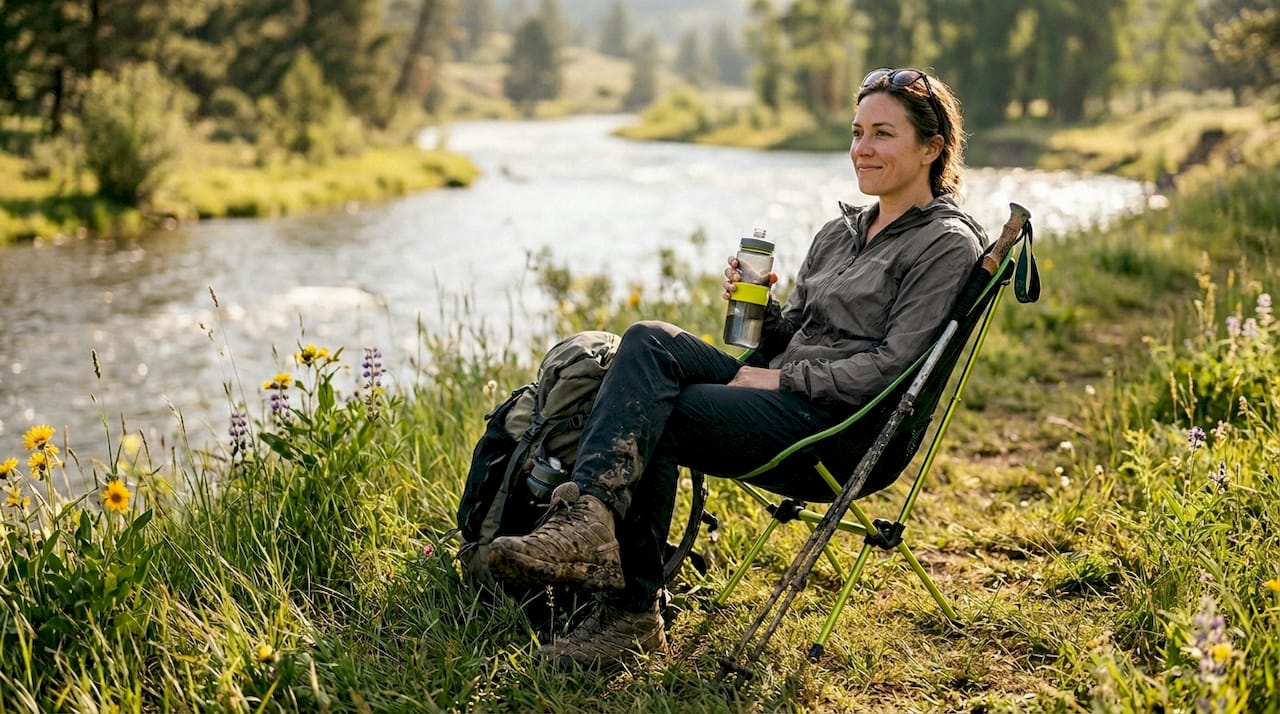
Understanding this difference transforms how you select seating for varied climates. Urban commuters facing unpredictable rain benefit from water-resistant frames and quick-drying fabrics. Backcountry campers value temperature stability and UV resistance. Both groups need seats that don’t require constant babying.
Pro tip: Check material composition and coating type before purchasing—look for UV-stabilized fabrics, powder-coated frames, and hardware specs to verify genuine all-weather construction rather than relying on marketing claims alone.
The foundation of any all-weather seat starts with material selection. Not all outdoor fabrics and frames are created equal—choosing the right combination determines whether your seat lasts one season or five.
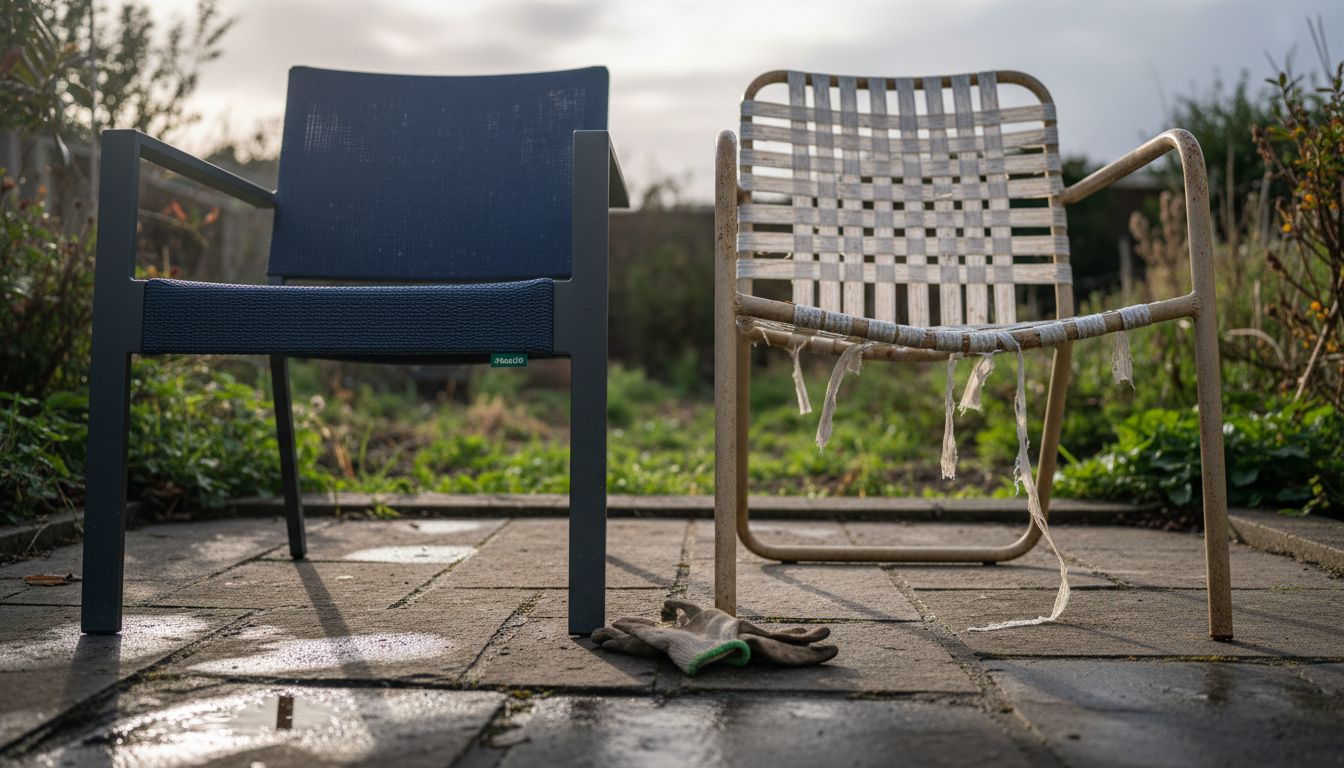
Weather-resistant materials work by resisting moisture infiltration, UV damage, and temperature stress. The best seats combine multiple protective strategies rather than relying on a single coating or fabric type.
UV-treated plastics and powder-coated metals dominate weather-resistant seat construction. Aluminum frames resist rust entirely, while galvanized steel adds a protective zinc layer that prevents corrosion even after minor scratches.
Common high-performance materials include:
Each material addresses specific weather challenges. Aluminum handles moisture without rusting. UV treatments slow sun damage. Quick-drying fabrics prevent mold and bacterial growth in humid conditions.
Coatings create a protective barrier between your seat and the elements. Powder coating involves applying dry powder electrostatically, then curing it with heat. This creates an extremely durable, flexible finish that doesn’t chip or peel easily.
Galvanization works differently—molten zinc bonds chemically to steel, becoming part of the material itself rather than sitting on top. This self-healing property means minor scratches won’t immediately trigger rust.
Combining multiple protective layers—frame coating, fabric treatment, and hardware selection—dramatically extends seat lifespan in unpredictable climates.
Water resistance differs from waterproofing. A water-resistant seat repels moisture but isn’t completely impervious. Practical outdoor seats prioritize water resistance because true waterproofing often adds bulk and reduces breathability, creating condensation inside the material.
Design details matter as much as material choice. Sloped seat surfaces shed water instead of pooling it. Drainage holes prevent moisture accumulation. Stitching reinforced with UV-stable thread prevents unraveling when exposed to intense sunlight.
Pro tip: Inspect hardware and stitching before purchasing—stainless steel fasteners and reinforced seams indicate true all-weather construction, not just marketing language.
All-weather seats come in different forms, each engineered for specific use cases. Understanding these variations helps you choose what matches your lifestyle—whether you’re commuting, camping, or traveling across varied climates.
Portable seating solutions prioritize lightweight design and packability without sacrificing durability. These seats fold, compress, or roll into compact forms that fit backpacks, car trunks, or travel bags.
Key features include:
Portable seats sacrifice nothing in weather protection. Quick-dry fabrics, rust-resistant frames, and UV-stabilized materials perform identically to heavier models. The difference lies in engineering efficiency—removing unnecessary material while preserving critical durability features.
Vehicle seats face unique demands. Advanced climate-control systems regulate temperature and humidity inside passenger cabins, requiring seats designed for interior conditions rather than exposure.
Vehicle all-weather seats typically incorporate:
These seats protect occupants from climate extremes while maintaining comfort during long journeys. Off-road vehicles demand additional ruggedness for unpredictable terrain exposure.
Outdoor seats face direct weather exposure without shelter. These models emphasize maximum durability and environmental resistance.
Typical outdoor-specific features:
Different environments demand different engineering priorities—portability, climate control, or environmental resistance shape seat design fundamentally.
Outdoor seats often cost more because they address multiple weather challenges simultaneously. They withstand sun exposure, rain pooling, wind stress, and temperature swings that indoor or vehicle seats never experience.
Choosing the right variation means matching your actual use case. Urban commuters don’t need expedition-grade camping seats. Car travelers don’t need ultralight backpacking designs. Matching form to function means you get appropriate durability without unnecessary expense.
Pro tip: Identify your primary use environment first—vehicle, campground, or backcountry—then select the seat variation engineered specifically for those conditions rather than pursuing a generic “all-purpose” option.
Here’s a quick comparison of all-weather seat variations and their main use cases:
| Seat Variation | Ideal User | Key Strength | Environment Focus |
|---|---|---|---|
| Portable | Backpacker/hiker | Lightweight design | On-the-go/outdoors |
| Vehicle | Driver/passenger | Climate control | Vehicle interiors |
| Outdoor (stationary) | Camper/gardener | Max durability | Full weather exposure |
All-weather seats solve real problems for two distinct audiences. Whether you’re sleeping under stars or waiting for a bus, these seats deliver practical benefits that improve your experience.
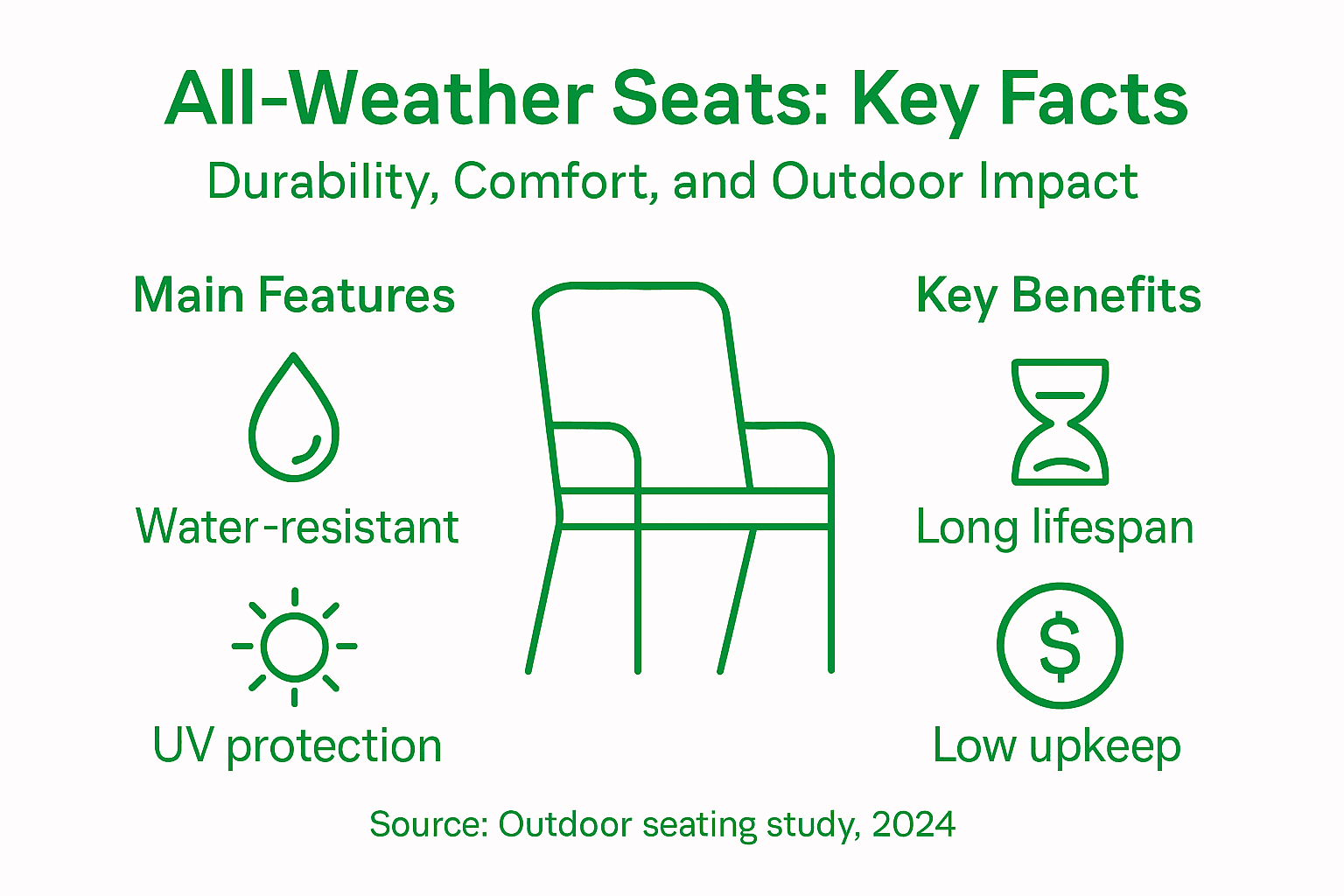
Backcountry hikers and campers face harsh conditions where gear failure means discomfort or worse. Durability and design reduce maintenance needs while extending lifespan across seasons, letting you invest once and use for years.
Key outdoor benefits include:
Outdoor enthusiasts appreciate seats that simply work. No rust appearing after rain. No fabric deterioration from UV exposure. No condensation pooling under your legs during humid nights. These details accumulate into freedom—freedom to focus on the experience rather than equipment management.
City dwellers face different pressures. Portable seating solves the problem of uncomfortable public waiting, limited seating options, and weather unpredictability. Urban spaces lack adequate seating for commuting, picnics, or casual outdoor socializing.
Common urban benefits:
Urban users want seats that enhance everyday life without dominating space or attracting attention. All-weather construction means your seat performs whether you’re sitting outside during unexpected weather or storing it unused for months.
Ergonomic designs promote posture and reduce fatigue while improving health outcomes across both user groups. Proper seat height and back support prevent the strain that comes from ground sitting or park benches.
Both audiences benefit from seating that combines resilience, comfort, and reliability—shifting focus from gear management to actual experience.
Proper support during extended sitting reduces neck strain, lower back pain, and circulation issues. This matters whether you’re camped for a week or waiting for transit daily. Your body responds positively to sustained comfort.
Pro tip: Choose a seat with adjustable height or back angle options if your activities vary—this single feature maximizes benefit across different sitting scenarios without requiring multiple seat purchases.
Traditional outdoor seats seem cheaper upfront, but all-weather seats deliver superior long-term value. Understanding the differences helps you make informed decisions about your seating investment.
Traditional seating materials degrade predictably in outdoor environments. Standard fabric fades within months. Basic metal rusts when exposed to moisture. Plastic becomes brittle or sticky depending on temperature swings.
UV-stabilized plastics and corrosion-resistant metals dramatically extend service life compared to conventional materials. All-weather seats resist these failure modes through engineered material science.
Key durability differences:
Traditional seats typically last 1-2 seasons before noticeable deterioration. All-weather seats perform reliably for 5-10 years with basic care.
Traditional outdoor furniture demands constant attention. Rust appears requiring treatment. Fabric stains become permanent. Mold grows in shaded, damp areas. You’ll spend weekends cleaning and protecting rather than using.
All-weather seats need occasional rinsing but no active maintenance. They don’t require seasonal storage or protective covers. Water simply runs off instead of pooling and degrading materials.
Initial price differences seem significant. Traditional chairs cost $30-80. All-weather seats run $100-200. But this calculation ignores replacement cycles.
True cost analysis:
All-weather seats cost less per year of actual use. Add replacement hassle and your traditional chair becomes expensive through hidden costs.
This table summarizes cost and lifespan differences between all-weather and traditional seats:
| Seat Type | Typical Lifespan | Annual Cost (est.) | Maintenance Level |
|---|---|---|---|
| Traditional | 1-2 years | $30-$53 | Frequent cleaning needed |
| All-weather | 5-10 years | $15-$30 | Occasional rinse |
Seat comfort directly impacts outdoor experience quality whether sitting for minutes or hours. All-weather designs prioritize ergonomic support from day one.
Traditional chairs often sacrifice support for affordability. Thin padding flattens quickly. Frame angles don’t support proper posture. After an hour, discomfort becomes obvious.
All-weather seats outperform traditional options through superior materials, lower maintenance demands, and better long-term economics, making them practical investments for serious outdoor users.
All-weather seats maintain consistent support across their lifespan. Padding resists compression. Angles support your spine properly. Hours of sitting feel comfortable rather than merely tolerable.
Pro tip: Calculate your actual cost-per-use before purchasing—divide total seat cost by expected years of service, then compare to traditional options replaced multiple times over the same period.
The article highlights the challenge of finding seating that combines true weather resistance with portability and comfort. Outdoor enthusiasts and urban users need seats that can withstand rain, intense sun, and changing temperatures without constant maintenance or rapid wear. They seek lightweight designs that offer quick drying, UV protection, and sturdy corrosion-resistant materials to enjoy every adventure or daily commute without worry.
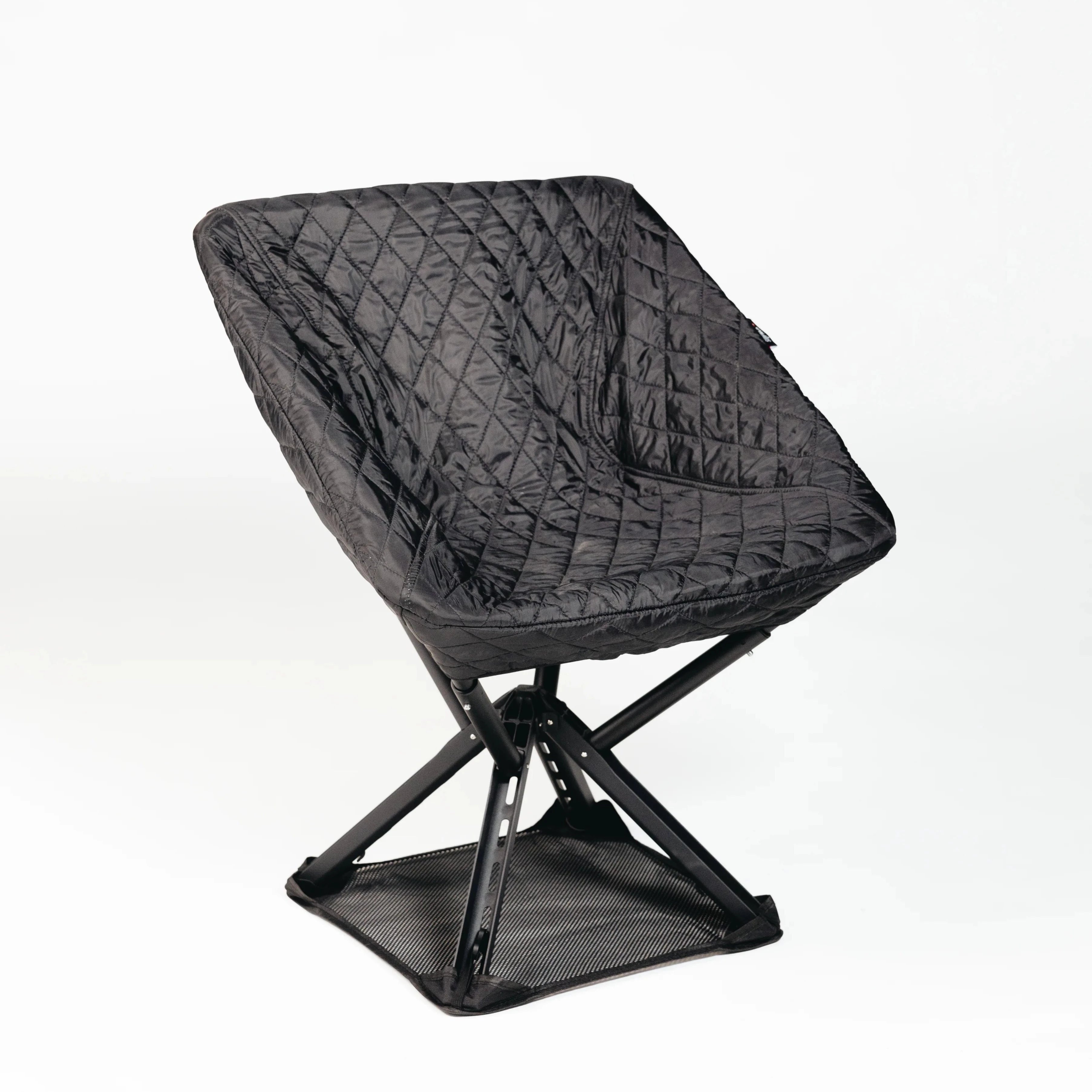
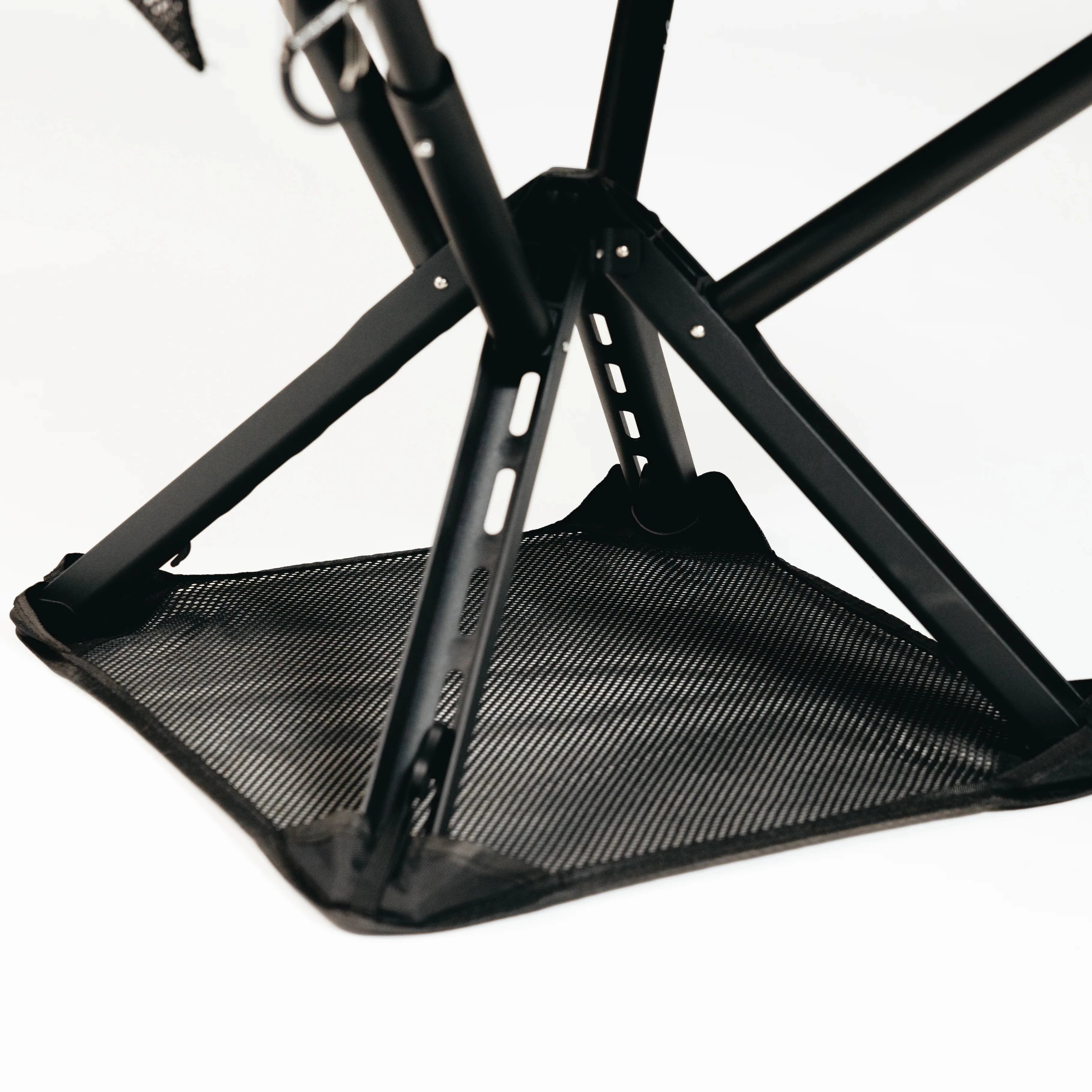
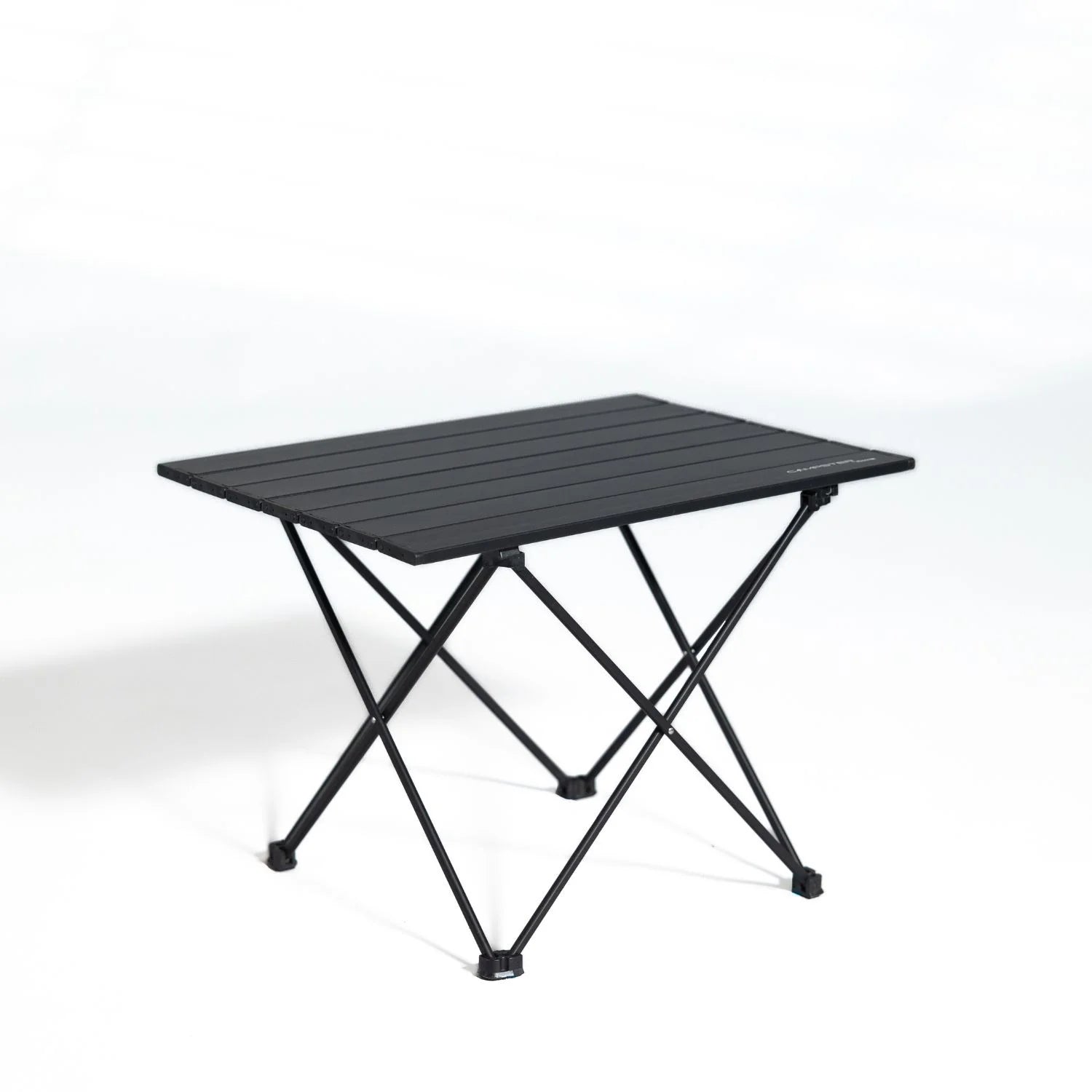
At Sitpack, we understand these demands and offer innovative portable seating like the Campster II and Sitpack Zen. Our products emphasize durability, lightweight construction, and ergonomic comfort so you can face unpredictable weather with confidence. Each chair features weather-resistant materials and minimalistic design perfect for outdoor enthusiasts and urban users alike.
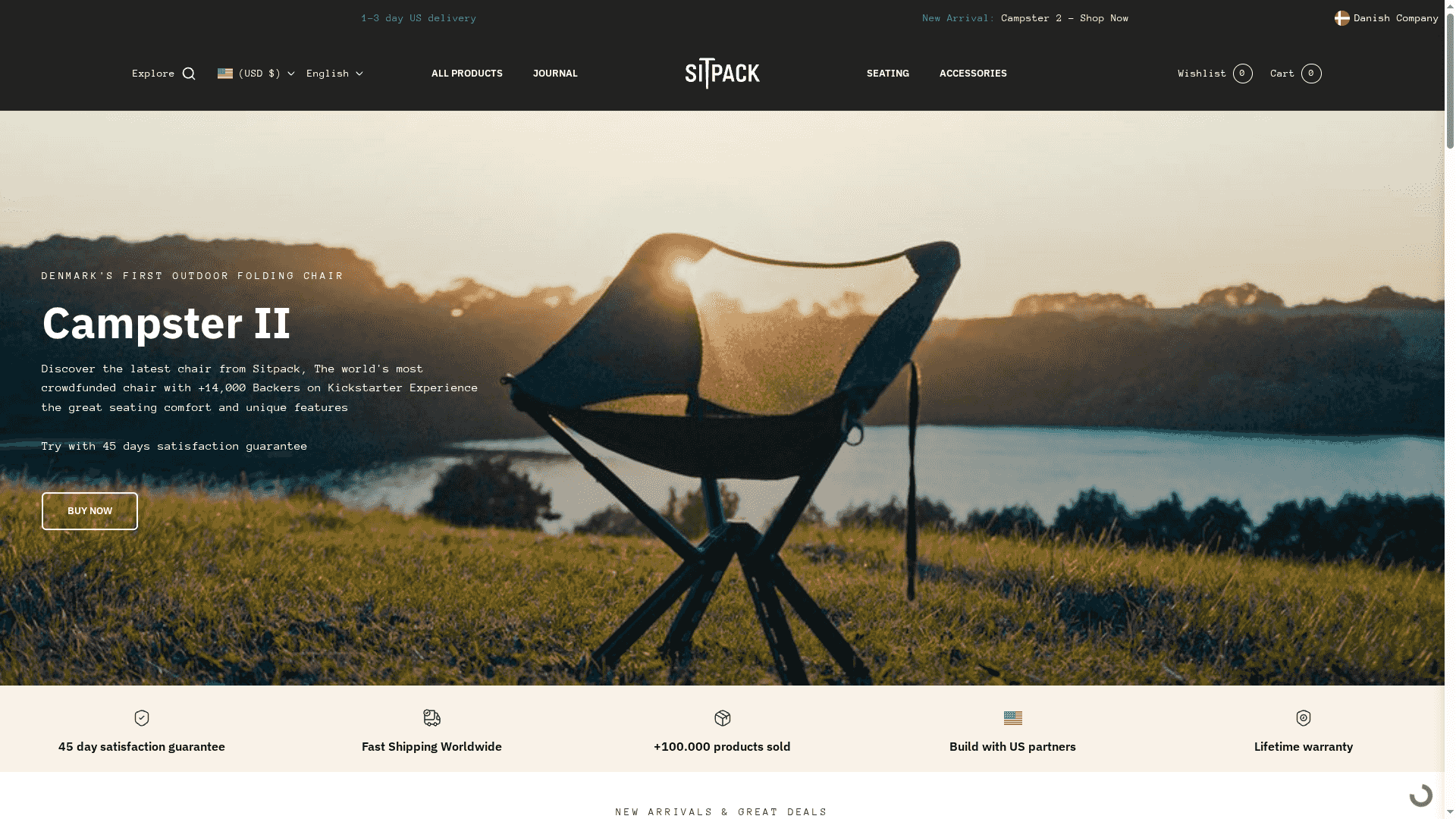
Experience the difference of genuine all-weather capability without sacrificing convenience or style. Visit Sitpack now to explore our latest arrivals, enjoy fast worldwide delivery, and take advantage of our 45-day satisfaction guarantee. Elevate your outdoor seating with solutions built to last and designed to move with you.
All-weather seats are commonly constructed from UV-treated plastics, powder-coated metals, quick-dry foams, and polyester blends that resist moisture and UV damage. Aluminum and galvanized steel are frequently used for their rust-resistance and durability.
No, all-weather seats are not maintenance-free. While they are designed to withstand various weather conditions, occasional cleaning and care are necessary to prevent dirt buildup and maximize durability.
All-weather seats typically offer superior durability, longer lifespans, and less required maintenance compared to traditional outdoor seats, which may degrade quickly in sunlight and moisture. This leads to better long-term value despite the higher initial cost.
For outdoor enthusiasts, all-weather seats offer lightweight portability, weather reliability, minimal maintenance needs, and consistent comfort, ensuring that users can focus on their outdoor experiences rather than seat management.