Vogn
0
Tilmeld dig og få 10% i rabat på din ordre
Forventet levering
1-3 dage
Du vil måske også kunne lide


Dansk Firma

TL;DR:
- Versatile seating is essential for travelers because it improves comfort, stability, and adaptability across diverse environments. It reduces fatigue and enhances mood by supporting proper posture during activities like camping, festivals, or lengthy flights. Choosing lightweight, ergonomic, and environment-specific seats can transform your travel experience from tiring to enjoyable.
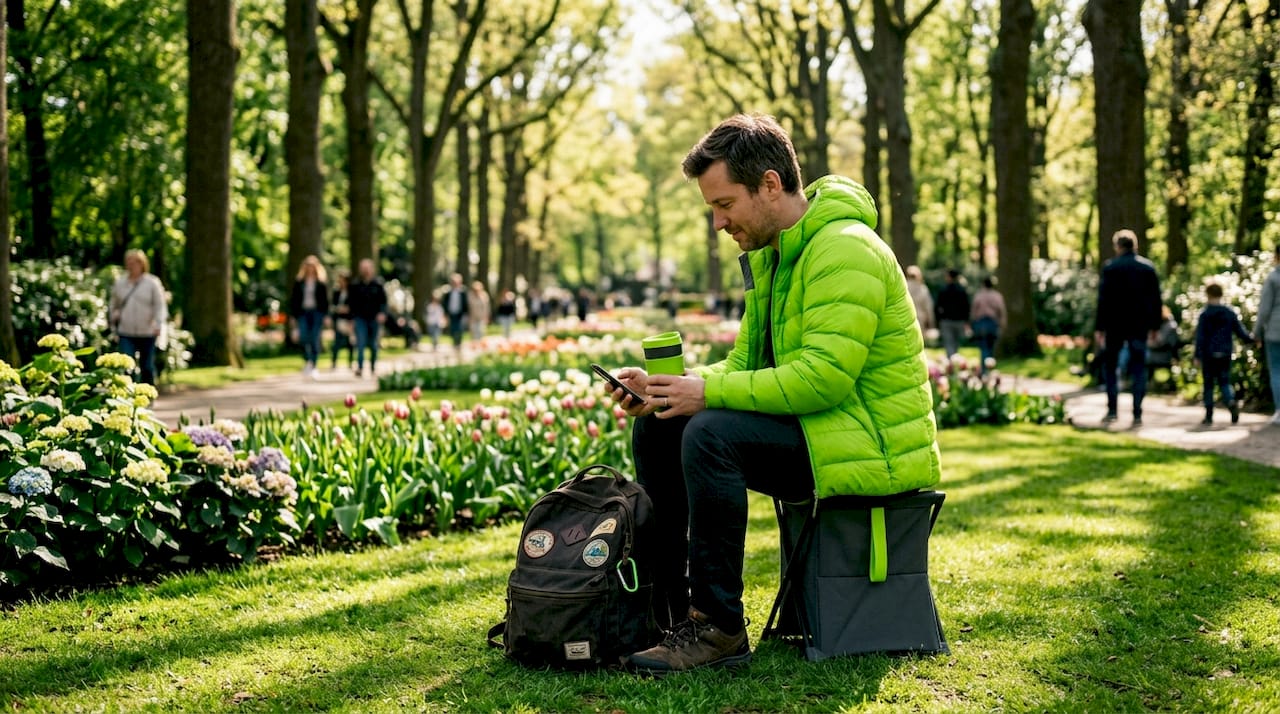
Most travelers pack obsessively for gear and clothing but barely think about where they’ll actually park their posterior once they arrive. That’s the overlooked gap that understanding why versatile seating for travel matters can genuinely close. Whether you’re navigating a six-hour layover, setting up camp on a rocky hillside, or finding a spot at an outdoor festival, the quality and adaptability of your seating shapes your energy, your posture, and honestly your whole mood. This guide breaks down what versatile seating really means, why it outperforms single-purpose options, and how to pick the right solution for wherever your adventures take you.
| Point | Details |
|---|---|
| Versatility improves comfort | Seating that adapts to different environments and body needs greatly enhances travel comfort and reduces fatigue. |
| Seat location matters | On planes, choosing quieter seats away from high-traffic areas improves rest and overall experience. |
| Ergonomics prevent discomfort | Ergonomic design supporting the spine’s natural curves reduces muscle strain during extended sitting. |
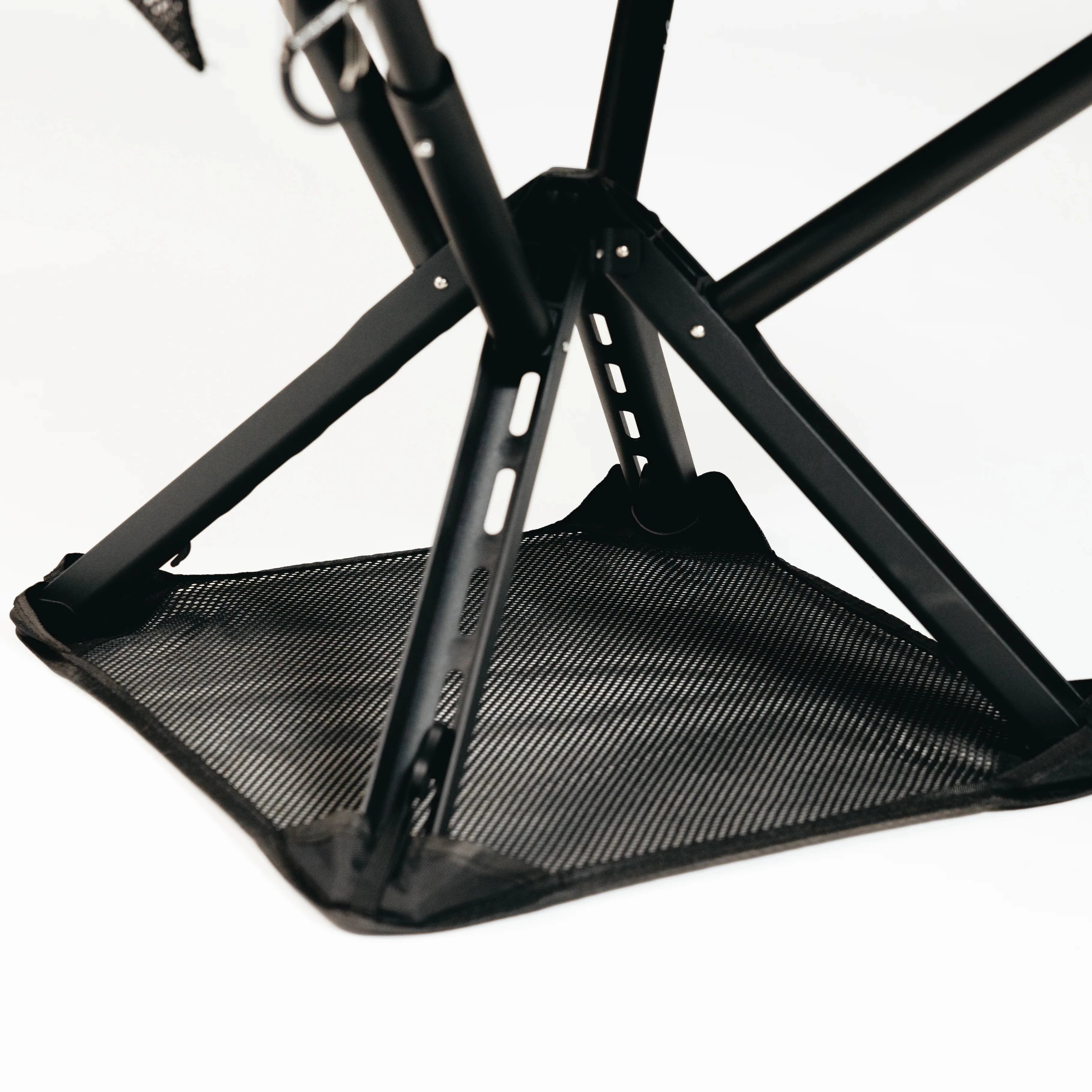
| Stability is essential outdoors | Stable seating with wide bases or ground sheets prevents wobble and sinking on uneven terrain. |
| Accessories boost usability | Quality pillows and lumbar supports enhance comfort and minimize motion disruptions while traveling. |
To appreciate why versatile seating is such a game-changer, let’s start by defining what it actually means and the core benefits it brings to travelers.
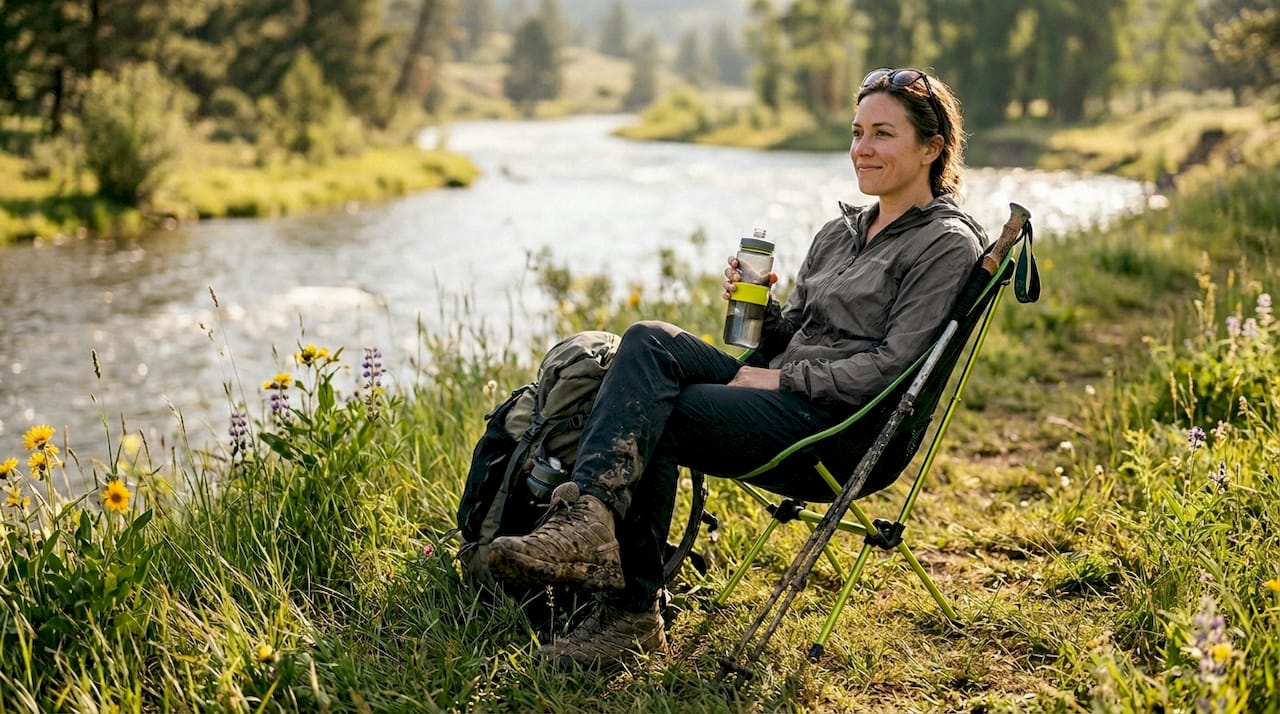
Versatile seating isn’t just “a chair that folds.” It’s a category of adaptable seating for travelers that combines lightweight construction, compact storage, ergonomic support, and the ability to perform well across wildly different environments. Think lumbar-supporting camp chairs that fit in your carry-on, or collapsible stools with rubberized feet that stay stable whether you’re on cobblestones or a forest trail. The best seating for travel does more than one job, and it does those jobs without making you feel like you’re hauling a piece of furniture across three airports.
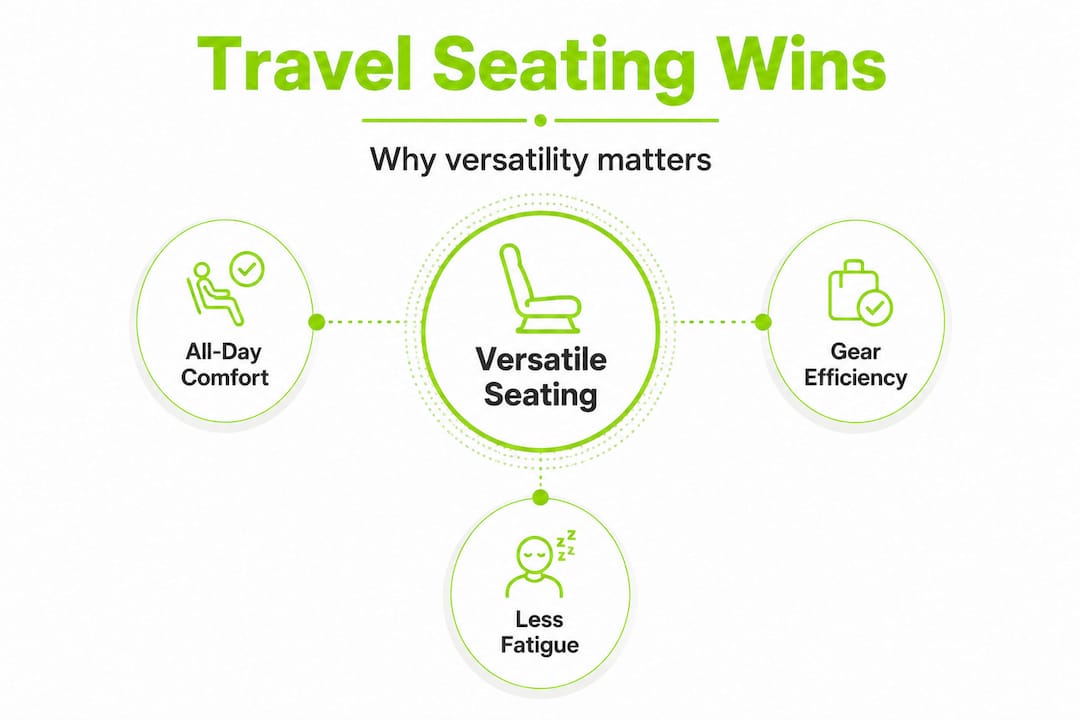
The core benefits stack up quickly:
Following solid travel seating tips matters here because flexible seating for trips only delivers if the design matches your actual use case. A chair that’s perfect for a beach picnic may wobble dangerously on a gravelly mountain overlook. Matching the design to the environment is the first real principle of smart seating selection.
These airline-led innovations and insider tips reveal how versatile seating is evolving to meet complex traveler needs both in new designs and practical seat choices.
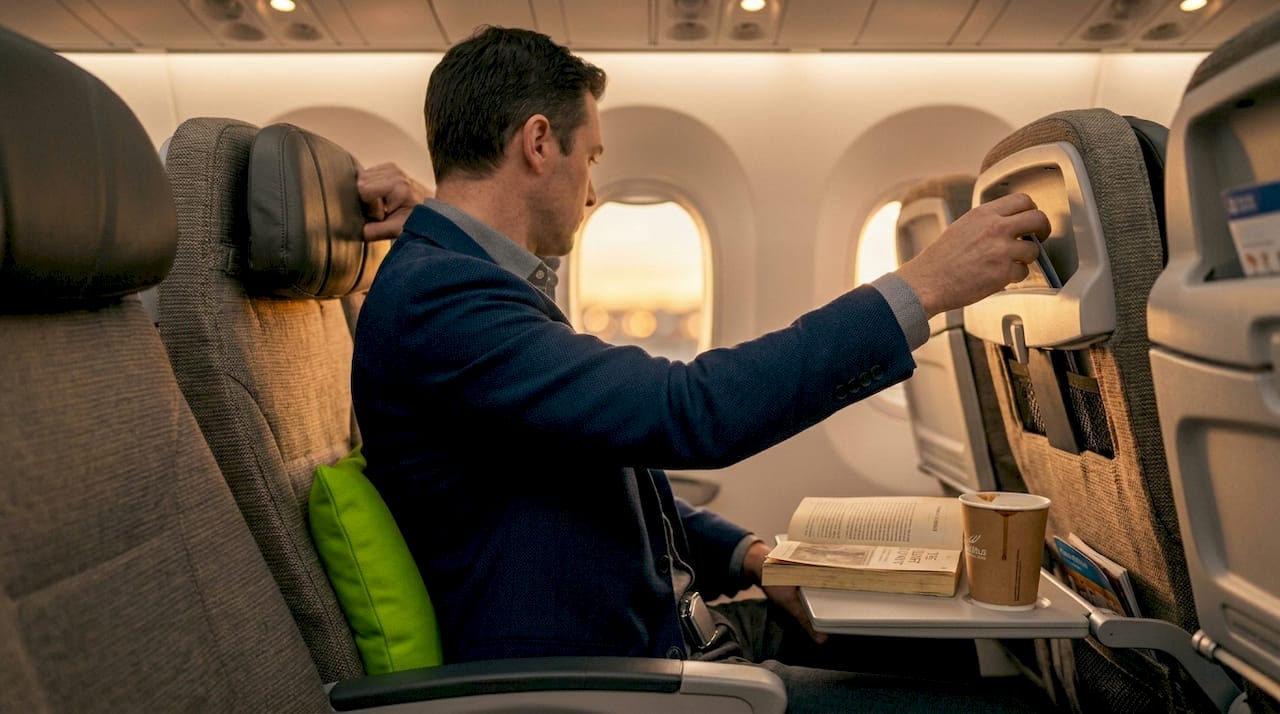
We often think of seating versatility as a portable gear problem. But airlines are wrestling with the same challenge from the inside out. United’s Relax Row turns three economy seats into a couch-like lie-flat space, giving passengers something remarkably close to business class rest without the business class price tag. That’s a direct response to traveler demand for multipurpose seating, not just recline functionality.
What makes the Relax Row concept genuinely smart isn’t the recline. It’s that the seats can be used in multiple configurations by the same passenger across a single flight. That’s the airline industry’s version of flexible seating for trips: adapting the same footprint to serve sitting, lounging, and sleeping in sequence.
Flight attendants offer equally useful insights at the individual seat selection level. The best seats for sleep on long-haul flights tend to be over the wings (for minimal turbulence) or roughly five rows from the front or back of economy (for reduced engine and galley noise). These aren’t just comfort preferences. They’re ergonomic seating decisions for tourists and frequent flyers who understand that location is a seating feature.
Key takeaways from the aviation approach to versatile seating:
“Versatility in seating is not just about recline but about adapting to noise, airflow, and service flow for real comfort.” This is the kind of insight that separates a genuinely comfortable journey from one you’re just enduring.
The lesson for outdoor gear and multipurpose travel seating is the same: the best options account for environmental variables, not just the chair’s physical specs.
Beyond aircraft seating, travelers and outdoor enthusiasts face other challenges selecting seating that truly adapts to varied environments and activities.
Here’s a straightforward process for choosing well:
Pro Tip: Carry a small, lightweight ground sheet (think a folded Tyvek sheet under 2 oz) for soft-terrain scenarios. It distributes your chair’s contact area and prevents sinking without adding real weight to your pack.
Here’s a quick comparison to help you match space-saving travel chairs to your actual needs:
| Activity type | Terrain | Key feature needed | Weight target | Ergonomic priority |
|---|---|---|---|---|
| Festival / event | Hard urban surface | Compact fold, carry strap | Under 2 lbs | Backrest with lumbar curve |
| Beach / lake camping | Soft sand | Wide base, spreader bar | Under 3 lbs | Low seating angle |
| Trail hiking / overlook | Rocky or uneven | Rubberized feet, wide stance | Under 1.5 lbs | Seat stability |
| City travel / transit | Mixed hard surfaces | Foldable, fits in daypack | Under 1 lb | Seat firmness |
| Backpacking | Forest / mountain | Ultralight, packable | Under 1 lb | Minimal but supportive |
The benefits of portable seating for outdoor enthusiasts go well beyond convenience. Over a full day of activity, bad seating choices translate to muscle fatigue that carries into the next day of your trip. Smart choices here are genuinely a quality-of-life decision.
To maximize the benefits of versatile seating, travelers often complement their gear with ergonomic accessories designed to improve comfort and stability.
The seat itself is only half the story. What you add to it, and how it’s designed at a material level, determines whether you can actually use it comfortably for extended periods. Quality comfortable travel seats blend soft, pressure-distributing materials with grip surfaces that stop you from sliding forward during motion. On a long flight or a bumpy bus ride, that friction between you and your seat actually matters. Travel pillows that stay put during turbulence and extended use combine pressure relief and grip in exactly the right way, and the same principle applies to any ergonomic seating accessory.
Key accessories and features worth evaluating:
Pro Tip: If your portable chair lacks lumbar support, roll a fleece jacket or lightweight puffy jacket behind your lower back before you sit. Free lumbar support, voila.
The best travel seating ideas don’t require you to carry more stuff. They require smarter gear choices upfront so everything does double duty and nothing adds weight without adding function.
Here’s the honest truth that most travel gear guides skip over: versatile seating is one of the highest-return investments you can make in your overall travel experience, and almost nobody treats it that way.
Think about how much energy goes into choosing the right tent, the right sleeping bag, or the right pair of trail shoes. Those choices get researched obsessively. But seating? Most people grab whatever cheap folding chair is on sale or just plan to sit on the ground and deal with it. Then they wonder why they’re stiff, tired, and vaguely miserable by day two.
The real reason why versatile seating for travel matters isn’t just physical. It’s about how much mental bandwidth you spend managing discomfort. A bad seat on a twelve-hour flight means you arrive depleted. An unstable camp stool on a rocky overlook means you’re half-focused on not tipping over instead of enjoying the view. Choosing seating with terrain and activity in mind prevents frustration and physical discomfort more than any price tag or brand name ever will.
What I’ve found after years of testing gear across environments is that true versatility accounts for at least three distinct factors: environmental (what surface and conditions?), ergonomic (what posture does your body need for this duration?), and situational (what’s the setup and pack-away reality of this location?). Most cheapo chairs fail on at least two of the three. The best multipurpose travel seating options nail all three.
The practical implication is this: test your seating before the trip, not during it. Sit in that portable chair for 45 minutes at home. Put it on grass, on gravel, on your hardwood floor. See if it still feels stable and supportive. If it passes that test, it’ll probably work in the field. If it doesn’t, better to find out before you’re halfway up a mountain than after.
After exploring why versatile seating is essential, here’s how Sitpack can help you experience this comfort firsthand.
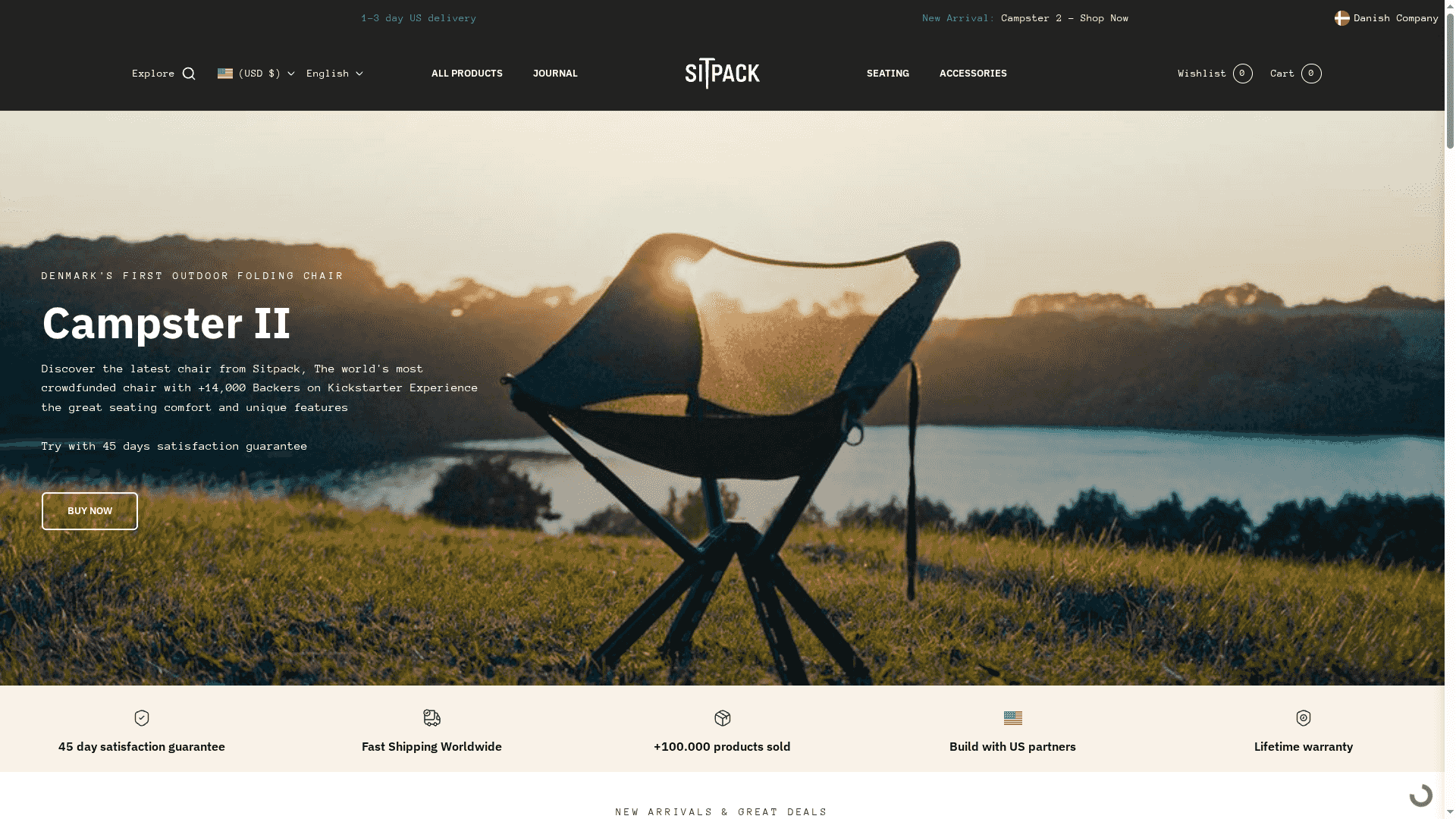
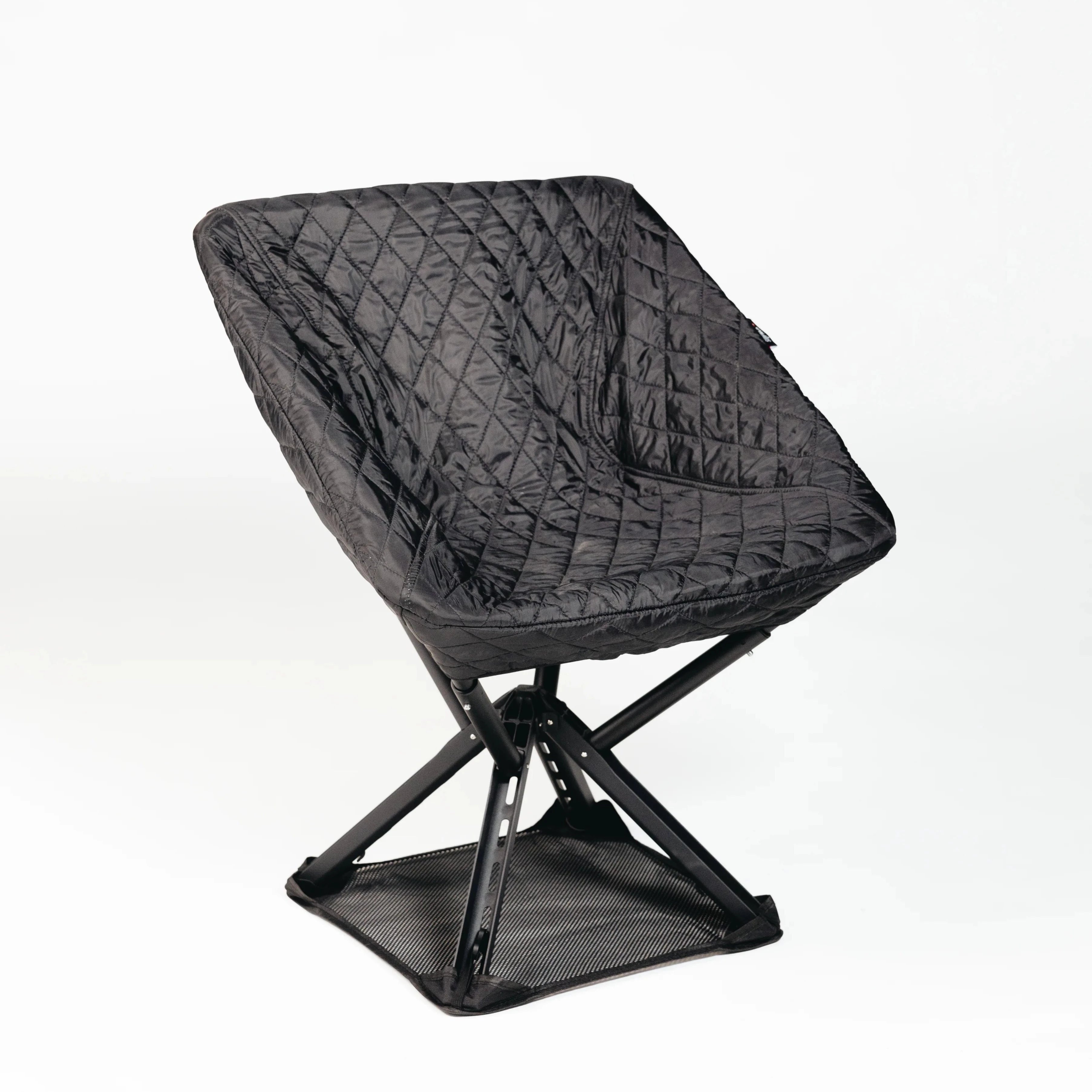
If you’ve been nodding along to everything above and thinking “okay, but where do I actually find a chair that does all this?”, that’s exactly where Sitpack portable seating comes in. Sitpack builds ergonomic, lightweight seating solutions designed for travelers, urban adventurers, and outdoor enthusiasts who refuse to compromise on comfort just because they’re on the move. Products like the Campster II and Sitpack Zen are built for quick setup, adjustable support, and real-world durability across both urban and rugged environments. Explore the full range of adaptable seating options to find what suits your travel style, or dive into the guide to choosing multipurpose travel seating and get something you’ll actually use every trip.
Versatile seating adapts to different environments and user needs, improving comfort, reducing fatigue, and supporting better posture during varied travel situations. Adaptable seating solutions offer lightweight, compact, and ergonomic designs tailored for diverse traveler needs.
Look for lightweight materials, ergonomic lumbar support, quick setup, stability on uneven terrain, and compact foldability for easy transport. Ergonomic portable seating reduces fatigue by supporting natural posture, and stability on uneven ground is critical for comfort.
Seats about five rows from the front or back of economy, or over the wings, offer a quieter and smoother ride that’s more conducive to sleep. Flight attendants recommend these positions specifically for reduced turbulence and noise.
Accessories like travel pillows and lumbar supports enhance pressure relief, prevent slipping during turbulence, and maintain ergonomic posture throughout long journeys. Comfort accessories that combine pressure relief and grip enhance usability during extended use.
Yes, because premium portable chairs outperform basic folding chairs in durability, ergonomic support, and versatility across different environments, saving you real money and discomfort over time.